
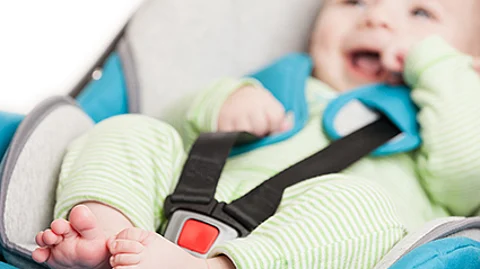
If you often use Uber with your kids, you might wonder: do they really need car seats? You want to keep your little ones safe, but the rules aren’t always clear.
What if you’re in a hurry or don’t have a car seat handy? This can leave you feeling unsure and stressed. You’ll discover exactly when and why car seats are necessary in Uber rides. By the end, you’ll know how to protect your child without the guesswork.
Keep reading to make every trip safer and easier for your family.

Credit: www.yahoo.com
Car Seat Laws For Rideshares
Understanding car seat laws for rideshares like Uber is essential for every parent or caregiver. These laws vary widely depending on where you live, and they directly impact your child’s safety during rides. Knowing the rules can save you from fines and, more importantly, protect your little ones on the road.
State Regulations Overview
Each state has its own rules about car seats in rideshares. Some states require children under a certain age or weight to use a car seat, even in Uber rides. Others leave it up to the parents or drivers, which can create confusion.
For example, California mandates car seats for kids under 8 years old, no matter the vehicle type. Meanwhile, Texas currently has no specific law about car seats in rideshare vehicles. This patchwork of regulations means you should always check your state’s laws before booking a ride for your child.
Uber’s Car Seat Policy
Uber encourages riders to follow local car seat laws but does not provide car seats in standard rides. The company offers Uber Car Seat (also called Uber Family) in select cities, which comes equipped with a car seat for kids aged 2 to 7.
If you don’t have your own car seat and Uber Car Seat isn’t available, you’ll need to bring your own. This policy puts the responsibility on parents to ensure their child’s safety gear is in place. Have you ever thought about how easy or hard it is to carry a car seat around for rideshares?
Penalties For Non-compliance
Ignoring car seat laws in rideshares can lead to fines and even points on your driving record. Some states fine parents and drivers up to several hundred dollars for not using proper restraints. Beyond legal trouble, the risk to your child’s safety is the biggest penalty.
Remember, a ticket isn’t the only consequence—injuries in a crash without a car seat can be life-altering. Your best bet is to prepare ahead and always have a car seat ready when traveling with kids in a rideshare.
Why Car Seats Matter In Ubers
Using car seats in Ubers is not just about following rules—it’s about protecting your child every time you ride. Many parents assume that since Uber drivers are professionals, their children are automatically safe without extra precautions. But the truth is, car seats are crucial, no matter who’s behind the wheel.
Safety Risks Without Car Seats
Kids are more vulnerable in car crashes because their bodies are smaller and more fragile. Without a car seat, your child can be thrown forward or even ejected from the vehicle during a sudden stop or accident.
In rideshares, where cars aren’t always equipped with child restraints, the risk grows. You might think a quick trip means less risk, but accidents can happen anytime.
Crash Statistics Involving Kids
Did you know that nearly half of child passenger deaths involve children not properly restrained? This shocking fact highlights how often parents skip car seats in rideshares.
Studies show that children in car seats reduce their risk of serious injury by up to 71% during car crashes. Ignoring this safety measure puts your child at unnecessary risk.
Benefits Of Using Proper Restraints
- Better protection:Car seats distribute crash forces over stronger parts of your child’s body.
- Improved comfort:A well-fitted car seat supports your child securely, making the ride smoother.
- Peace of mind:Knowing your child is safe lets you focus on the road and enjoy the trip.
Have you ever noticed how much safer you feel when your child is buckled up properly? That feeling is backed by real safety benefits every time you use a car seat in an Uber.
Types Of Car Seats For Rideshares
Choosing the right car seat for rideshares is essential for child safety. Different seats fit different ages and sizes. Parents must understand which type suits their child best. This helps keep kids secure during Uber rides.
Car seats for rideshares come in several types. Each offers unique features and benefits. Knowing these types helps parents prepare for safe travel.
Infant Car Seats
Infant car seats are for newborns and babies up to 1 year old. They face backward for better protection. These seats are lightweight and easy to carry. Many come with a handle for quick removal. They fit well in most cars, including Ubers. Parents can use a base that stays in the car.
Convertible Car Seats
Convertible car seats grow with the child. They start facing backward for infants. Later, they turn forward for toddlers. These seats often last for several years. They offer more padding and support. Convertible seats are heavier and less portable than infant seats. They provide strong safety features for rideshare trips.
Booster Seats
Booster seats are for older children who outgrow car seats. They help position the seat belt correctly. Booster seats raise the child to fit the car’s belt system. They do not have harnesses but rely on the car’s belts. These seats come in backless or high-back models. They are easy to carry and use in rideshares.

Credit: www.wilhitelawfirm.com
Challenges Of Using Car Seats In Uber
Using car seats in Uber rides presents several challenges that many parents face daily. Balancing safety with convenience can be tricky, especially when you’re on the go. Let’s dive into some of the key obstacles you might encounter.
Installation Difficulties
Installing a car seat correctly requires time and precision. In an Uber, you often have limited space and unfamiliar seat configurations, which can make securing the seat a struggle.
Imagine trying to fit a bulky car seat in a compact car while your child waits impatiently. It’s not just about buckling the seat; it’s about making sure it’s safe and stable.
Have you ever felt rushed trying to figure out the seatbelt or LATCH system in a stranger’s vehicle? That uncertainty can be stressful and sometimes leads to improper installation.
Driver Cooperation
Not all Uber drivers are willing or knowledgeable about accommodating car seats. Some may see it as an inconvenience, especially if it slows down their schedule.
You might find drivers who aren’t comfortable helping with car seat setup or who don’t have the right vehicle type for secure installation.
How do you handle situations where the driver is uncooperative or unaware of child safety laws? This can leave you feeling stuck and worried about your child’s safety.
Cost And Convenience Factors
Car seats are bulky and heavy, making it inconvenient to carry one around for every Uber ride. Renting or purchasing a portable car seat adds another layer of cost and planning.
Sometimes, using a car seat means you have to book rides further in advance or choose specific vehicle types, limiting your flexibility.
Would you pay extra for an Uber that guarantees a car seat? Weighing the cost against your child’s safety can be a tough decision, especially for frequent short trips.
Tips For Parents And Guardians
Ensuring your child’s safety in an Uber is crucial. Parents and guardians should be well-informed about car seat options. From bringing your own to requesting specific services, preparation is key. Here are some practical tips to make rides safer and stress-free.
Bringing Your Own Car Seat
Always ensure your car seat is portable and easy to install. Practice installing it in different vehicles before your trip. This saves time and ensures a secure fit. Lightweight car seats are ideal for convenience. They make transitions between vehicles smoother. Consider a travel-friendly model with a carrying bag. This can protect the seat and make transport easier.
Requesting An Uber With Car Seat Option
Some Uber services offer car seats for young children. Check the availability in your city before booking. This feature is usually available in select UberX vehicles. It provides a forward-facing car seat for children over two years old. Verify the age and weight requirements for using this service. Keep in mind there may be an additional fee for this option.
Communicating With Drivers
Communication with your driver is essential for a smooth ride. Inform them in advance about your car seat needs. Use the Uber app’s messaging feature for clear communication. Confirm your car seat requirements when the driver arrives. This ensures the driver is prepared for any adjustments. Be polite and cooperative to facilitate a safe trip for your child.
Future Trends In Rideshare Safety
The landscape of rideshare safety is evolving rapidly, especially when it comes to protecting young passengers. As more families rely on services like Uber, the question of how to keep kids safe during these trips grows more urgent. Looking ahead, several trends promise to reshape the experience, making rideshare journeys safer for children.
Innovations In Child Safety Seats
Child safety seats are becoming smarter and more adaptable to rideshare environments. New designs focus on portability without sacrificing protection, allowing parents to bring their own seats easily. Some models now feature quick-install mechanisms that save time and reduce errors.
Imagine a seat that adjusts automatically to your child’s size or alerts you if it’s not secured properly. These innovations aim to reduce the common hassle of using bulky car seats in rideshares. Would you be more likely to use Uber for your kids if such seats were standard?
Potential Policy Changes
Regulations around child safety in rideshares are starting to catch up with the technology. Some cities are considering laws that require rideshare drivers to carry approved child seats. This could change how families plan their trips and even affect pricing.
Policies might also standardize training for drivers on safely installing and using child seats. This would ensure a consistent safety level across different rideshare services. How would stricter rules influence your decision to choose rideshare over driving yourself?
Technology Integration
Technology is playing a big role in rideshare safety, beyond just the car seat itself. Apps are being developed to verify if child seats are installed correctly before the trip starts. Some feature real-time monitoring that alerts both driver and parent if a seatbelt loosens.
Imagine receiving a notification on your phone confirming your child’s seat is secure before you even get in the car. These tools add a layer of confidence for parents who worry about safety. Could such technology ease your mind during rideshare trips with kids?

Credit: tripswithtykes.com
Frequently Asked Questions
Do Kids Need Car Seats In Uber Rides?
Yes, most states require children to use car seats in Uber rides. Safety laws vary, so check local regulations before traveling.
Are Uber Drivers Responsible For Providing Car Seats?
Typically, Uber drivers do not provide car seats. Parents or guardians must bring and install the appropriate seat for their child.
What Age Requires Car Seats In Uber?
Children under 8 years old usually need car seats in Uber. Age and weight limits depend on state laws and vehicle safety standards.
Can I Request An Uber With A Car Seat?
Uber offers a “Car Seat” option in some cities. This service includes a car seat but may have extra fees and limited availability.
Conclusion
Kids should always be safe when riding in an Uber. Car seats help protect children during trips. Many places require car seats by law for young kids. Parents and drivers must plan ahead to bring or request a car seat.
Safety is the top priority, no matter the ride type. Using a car seat lowers the risk of injury in accidents. It’s better to be prepared than sorry. Keep your child secure and enjoy a worry-free journey every time.