
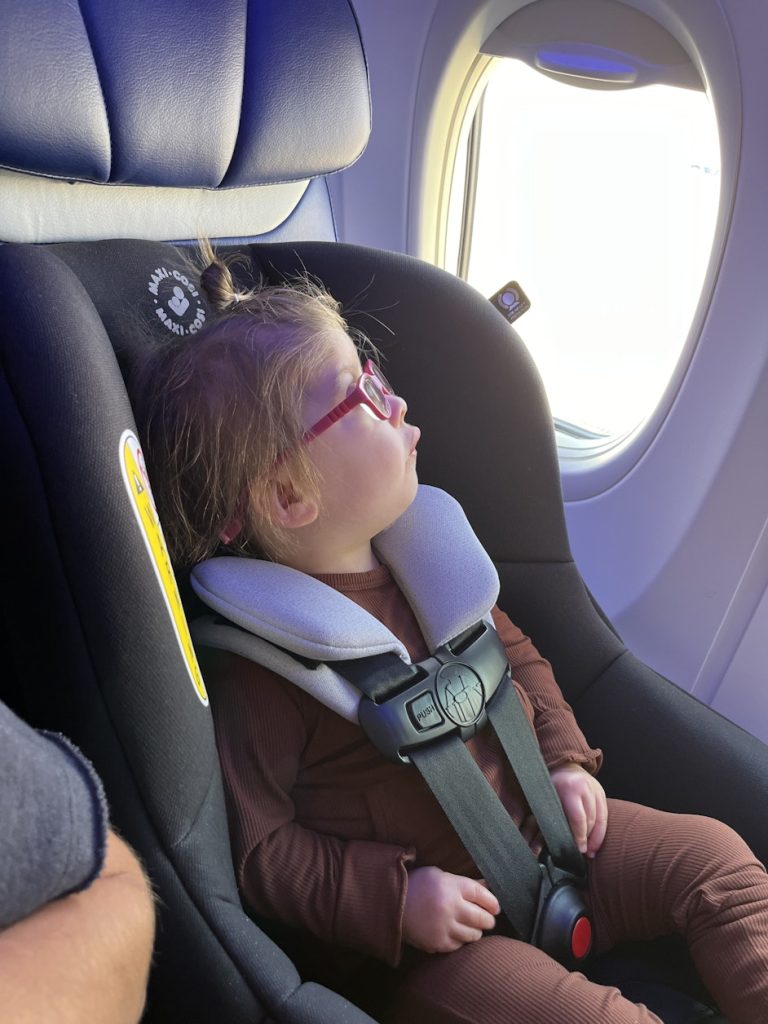
Are you planning to fly with your little one soon? You might be wondering, “Do kids need a car seat on a plane?” It’s a question many parents ask but don’t always find clear answers to.
Using a car seat on a flight can feel confusing and even overwhelming. But understanding why it matters—and when it’s necessary—can make your trip safer and less stressful. Keep reading to discover everything you need to know about traveling with kids and car seats on planes.
Your child’s safety and your peace of mind depend on it.

Credit: veronicahanson.medium.com
Car Seat Regulations On Planes
Understanding car seat regulations on planes helps parents keep children safe during flights. Rules set by authorities and airlines guide how and when children should use car seats. These regulations aim to protect young travelers in case of turbulence or sudden movements.
Faa Rules For Child Safety
The Federal Aviation Administration (FAA) recommends using approved car seats for children under 40 pounds. The seat must be FAA-approved and have a label stating this. Children under 2 years old can fly on an adult’s lap, but a car seat offers better protection.
Parents must secure the car seat in a window seat. This placement avoids blocking the aisle and ensures safety. The FAA advises using the car seat during takeoff, landing, and turbulence. It provides the best restraint during these critical times.
Airline Policies Variations
Each airline has its own rules about car seats. Some allow free use of car seats if a ticket is bought for the child. Others may charge extra or have restrictions on car seat size and type.
Airlines differ in allowing car seats in exit rows. Many forbid car seats in these seats for safety reasons. Checking the airline’s policy before booking saves hassle at the airport.
- Confirm if the airline accepts FAA-approved car seats.
- Ask about seat assignments and car seat use.
- Understand fees related to children’s seating.
Why Use A Car Seat On A Plane
Using a car seat on a plane gives kids extra safety and comfort. It offers a secure way to keep children safe during the flight. Parents can feel more at ease knowing their child is protected. The familiar seat helps kids stay calm and relaxed in a strange place. Car seats provide support that regular airplane seats cannot offer.
Enhanced Protection During Turbulence
Turbulence can happen without warning. A car seat keeps your child firmly in place. It reduces the risk of injury from sudden movements. Airplane seat belts alone may not secure smaller children well. Car seats are designed to absorb shocks and protect the body. This extra protection can prevent serious harm during rough air.
Comfort And Familiarity For Kids
Kids feel safe in their own car seat. It is a space they know well. The familiar seat reduces fear and anxiety during the flight. It supports their body better than airplane seats. Kids can sit, sleep, or play comfortably. This comfort helps parents manage long trips with less stress.
Types Of Car Seats Allowed
Choosing the right car seat for air travel helps keep kids safe and comfortable. Airlines accept certain types of car seats for use on planes. Knowing which seats meet requirements makes traveling easier for families.
Car seats must fit airplane seats and meet safety standards. Not all car seats are suitable for flying. The main focus is on FAA approval and the type of seat.
Faa-approved Car Seats
FAA-approved car seats meet safety rules for air travel. They have a label showing approval for use on aircraft. These seats pass tests for impact and secure fit on plane seats.
Parents should check for the FAA sticker before flying. The label usually says “This restraint is certified for use in motor vehicles and aircraft.”
Using an FAA-approved seat keeps children safer during takeoff and landing. These seats attach firmly to the airplane seatbelt system.
Convertible Vs. Booster Seats
Convertible seats work for infants and toddlers. They change from rear-facing to forward-facing modes. These seats offer more support and padding for young children.
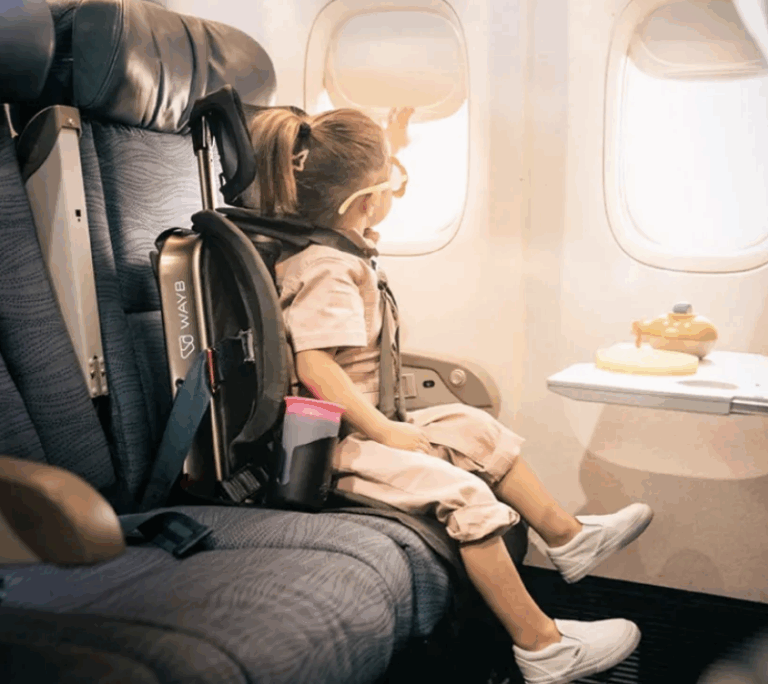
Booster seats are for older kids who outgrow harness seats. They raise the child to fit the plane’s seatbelt correctly. Booster seats are not always FAA-approved for use during flights.
Parents often choose convertible seats for air travel. These seats provide better safety and fit the plane seat well. Booster seats may not be allowed on all airlines.
Credit: melaniesuggs.com
Booking Tips For Traveling With Car Seats
Traveling with a car seat on a plane needs careful planning. It helps keep your child safe and comfortable during the flight. Booking the right seat and informing the airline early are key steps. These tips can make your journey smoother and stress-free.
Choosing The Right Seat On The Plane
Select a window or aisle seat for the car seat installation. Seats with extra legroom offer more space for the car seat. Avoid seats with tray tables or armrests that block installation. Check the airline’s seat map to find suitable spots. Bulkhead seats often provide more room but may have restrictions. Ensure the seat belt fits securely through the car seat’s belt path.
Notifying Airlines In Advance
Call the airline before booking to confirm their car seat policy. Some airlines require advance notice for car seat use. Inform them about your child’s age, weight, and car seat model. Ask about any fees or additional rules. Early notification helps secure the best seat for your needs. It also prevents surprises at the airport check-in.
Installing Car Seats On Airplanes
Parents often wonder if car seats are necessary on planes for their children. Using a car seat can enhance safety and comfort during flights. Consider the airline’s policies and your child’s size when deciding to bring one.
Installing car seats on airplanes can be a daunting task for many parents. The tight spaces and unfamiliar surroundings add layers of complexity. However, ensuring your child’s safety during flights is paramount, and with the right preparation, it can be a manageable experience.Proper Attachment Methods
Airlines have specific guidelines for car seat installation, which you should familiarize yourself with before traveling. Most car seats are designed to fit snugly into airplane seats using the lap belt. Always ensure the car seat is FAA approved by checking for a sticker that indicates its certification. To install, place the car seat facing the appropriate direction, usually rear-facing for infants. Thread the seat belt through the designated slots, ensuring it’s tight and secure. Double-check by giving the seat a firm shake; it should not move more than an inch in any direction.Common Installation Challenges
One of the biggest hurdles is the limited space in economy class. The narrow aisles and cramped seats can make maneuvering the car seat tricky. Consider booking a window seat for a bit more room and less disruption to other passengers. Another challenge is the varying seat belt lengths. Some airlines have shorter seat belts that might not fit all car seats. In such cases, ask the flight attendant for a seat belt extender, a simple solution many parents overlook. Have you ever found yourself struggling mid-flight with a wobbly car seat? It’s a reminder of the importance of a pre-flight installation trial at home. Practice makes perfect, and gaining confidence in securing the seat on solid ground can ease in-flight anxiety.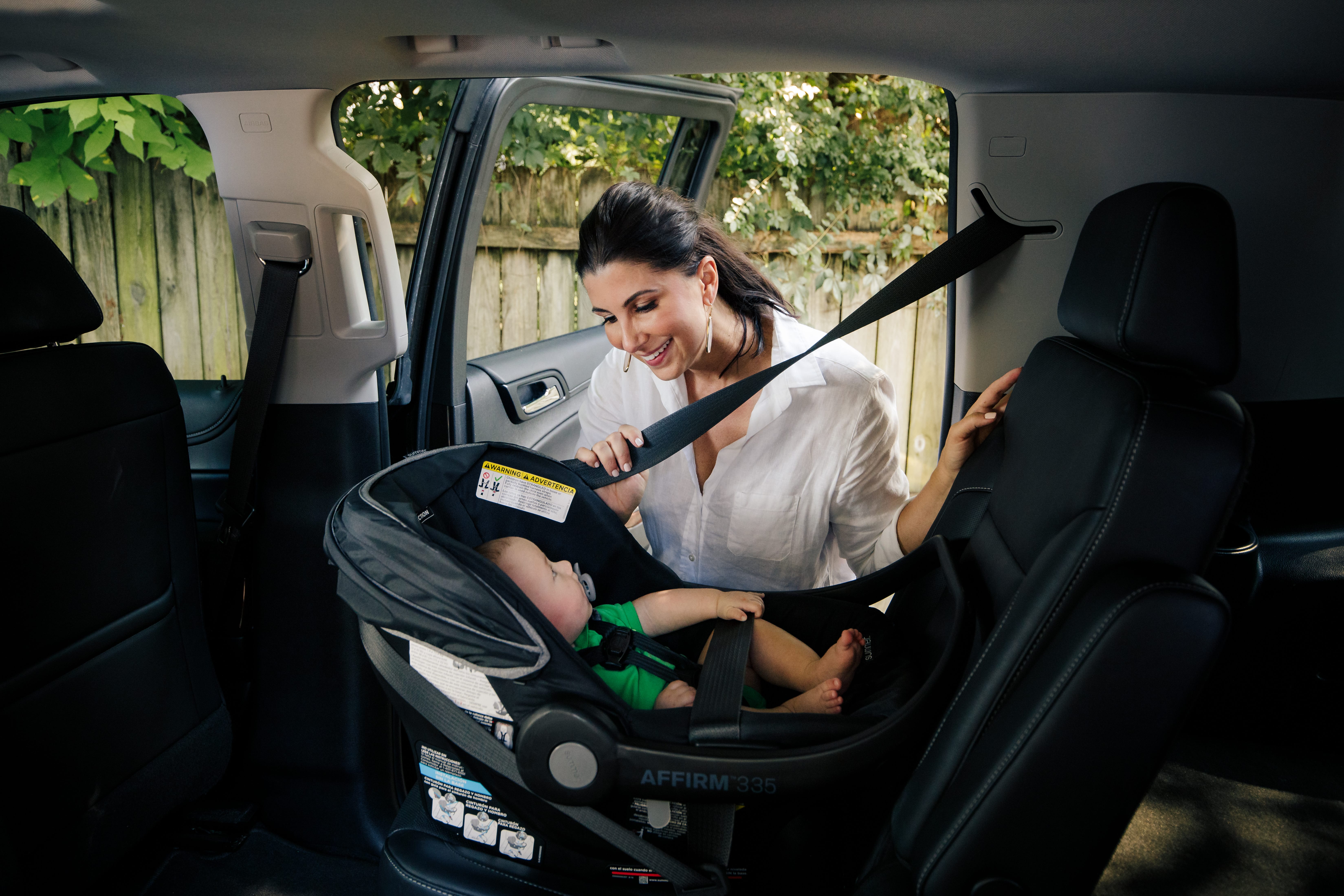
Credit: www.safeintheseat.com
Alternatives To Car Seats In Planes
Traveling with children on planes brings questions about safety and comfort. Car seats are common for car travel but not always practical on planes. There are other options designed for child safety during flights. These alternatives can meet airline rules and keep children secure.
Harness Devices
Harness devices are special belts made for children on planes. They attach to the airplane seat and fit around the child. These devices provide extra support and keep the child from moving too much. They are usually approved by aviation authorities for safety.
These harnesses are lightweight and easy to carry. They work well for children who have outgrown car seats but still need extra protection. Parents find them convenient for quick trips or when space is limited.
Lap Children Policies
Many airlines allow children under two years old to fly as lap children. This means they sit on an adult’s lap during the flight. Airlines often provide a special belt that attaches to the adult’s seatbelt. It helps keep the child safe in turbulence.
Lap children policies vary by airline. Some require purchasing a ticket for a child’s seat for better safety. Others allow free lap travel but recommend using approved safety devices. Checking airline rules before flying is important.
Travel Safety Tips For Kids
Ensuring your child’s safety during air travel goes beyond just booking the right seat. Thoughtful preparation can make a big difference in keeping your little one secure and comfortable. Let’s look at practical tips that help you manage safety and ease on the plane.
Keeping Kids Secure And Calm
Using a car seat on a plane can be a game-changer for safety. It keeps your child restrained during turbulence and unexpected movements. Have you ever noticed how much calmer kids feel when they’re safely buckled in?
Bring familiar items like a favorite blanket or stuffed toy to create a sense of security. Talking to your child about what to expect can reduce anxiety before boarding. Also, consider noise-cancelling headphones if your child is sensitive to cabin sounds; it can help maintain calmness throughout the flight.
Packing Essentials For Comfort
Comfort plays a big role in your child’s ability to stay relaxed. Pack a small bag with snacks, water, and entertainment to keep boredom at bay. Don’t forget to include wipes and a change of clothes for unexpected messes.
- Favorite snacks and a spill-proof water bottle
- Books, coloring supplies, or a tablet with downloaded games
- Extra layers like a sweater or socks for fluctuating cabin temperatures
- Sanitizing wipes and hand sanitizer for cleanliness
Have you prepared a travel kit tailored to your child’s needs? It can transform the whole experience, making your journey safer and more enjoyable for everyone.
Frequently Asked Questions
Do Kids Need A Car Seat On A Plane?
Yes, using a car seat on a plane is recommended for kids under 2 years. It ensures safety during turbulence and takeoff. Airlines often require FAA-approved car seats for young children. Always check airline policies before flying.
Can I Use A Car Seat For Toddlers On Planes?
Toddlers can use FAA-approved car seats on planes for added safety. The car seat must fit in the airplane seat and have a label showing FAA approval. Using a car seat helps keep toddlers secure during the flight.
Are Car Seats Mandatory For Kids On Airplanes?
Car seats are not always mandatory but highly advised for children under 2. Some airlines require car seats for kids of certain ages. Using a car seat improves safety compared to holding a child on your lap.
How Do I Choose A Car Seat For Air Travel?
Choose an FAA-approved car seat specifically designed for air travel. It should fit airplane seats and be lightweight for easy transport. Check the car seat’s manual and airline rules before your flight.
Conclusion
Kids’ safety on planes matters a lot. Using a car seat can protect them better. It fits their small size well and keeps them secure. Airlines may have different rules, so check before you fly. A car seat offers comfort and peace of mind.
Traveling with children becomes easier when they are safe. Parents should always think about safety first. Choosing the right car seat helps avoid risks. Flying with kids can be smooth and safe. Simple steps make a big difference during travel.