
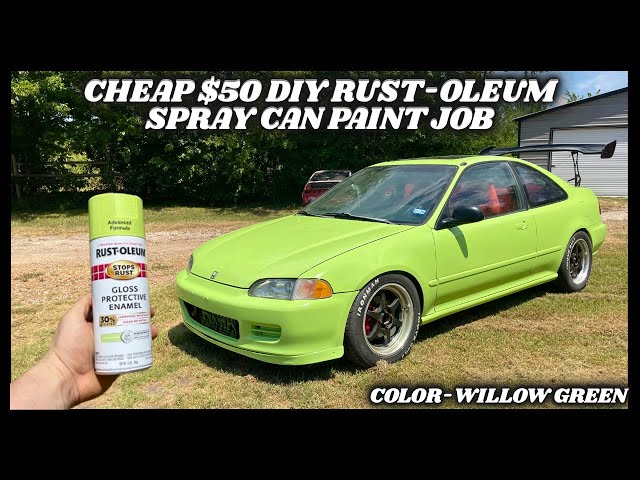
Thinking about giving your car a fresh new look without paying a fortune? You’re in the right place.
Spray painting your car yourself might sound tricky, but with the right steps, tools, and a little patience, you can achieve professional-looking results. Imagine the satisfaction of driving a car that you’ve transformed with your own hands. In this guide, you’ll discover simple tips and tricks to make your DIY spray paint project smooth and successful.
Ready to save money and bring your car back to life? Let’s get started.
Preparing Your Car For Painting
Preparing your car for spray painting is a key step to achieve a smooth, lasting finish. It takes time and care, but the results will be worth it. Proper preparation ensures the paint sticks well and looks professional. Skipping this stage can lead to peeling, uneven color, or rough texture.
Start by making the surface clean and free of grease. Then smooth out old paint and fix any damage. Finally, protect areas you do not want painted by covering them properly. Each step builds a solid base for your new paint job.
Cleaning And Degreasing
Clean your car thoroughly using soap and water. Remove dirt, dust, and grime from every corner. Use a degreaser to eliminate oil and grease spots. Dirt and grease stop paint from sticking well. Dry the surface completely before moving to the next step.
Sanding The Surface
Sanding smooths the old paint and roughens the surface. Use fine-grit sandpaper for best results. Sand in circular motions for even coverage. Remove any loose paint or rust spots. This step helps the new paint bond tightly to the car.
Repairing Imperfections
Inspect the surface for dents, scratches, or chips. Use body filler to fill in dents and deep scratches. Spread the filler evenly and let it dry. Sand the filled areas smooth to match the car’s shape. Repairing imperfections makes the finish flawless and smooth.
Masking And Covering
Cover windows, mirrors, lights, and trim with masking tape and paper. Protect areas not meant for painting from overspray. Use plastic sheets or newspapers to cover large parts. Make sure the tape sticks well to avoid paint leaks. Proper masking keeps your car clean and sharp-looking.
Choosing The Right Spray Paint
Choosing the right spray paint for your car is more than just picking a color. It affects the finish, durability, and overall look of your vehicle. Understanding your options helps you avoid costly mistakes and achieve a professional result, even as a DIYer.
Types Of Automotive Paint
Automotive paints come in several types, each with unique qualities. Acrylic lacquer offers a glossy finish but wears out faster. Acrylic enamel is tougher and easier to apply, making it ideal for beginners.
Urethane paints stand out for durability and shine. They resist chipping and fading but need proper safety gear during application. Water-based paints are eco-friendly and becoming more popular, though they may require extra prep work.
Color Selection Tips
Choosing the right color isn’t just about aesthetics. Consider how the color hides dirt, scratches, and how it matches your car’s style. Lighter colors show imperfections less, while darker shades can highlight every scratch.
Think about the environment where you drive most. Bright colors increase visibility, which can be a safety plus. Use paint samples or small test sprays to see the color under different lighting before committing.
Quality Vs. Cost
Cheaper paint might save money upfront but often means more coats and touch-ups later. Higher quality paints offer better coverage and longer-lasting results, saving time and effort.
Ask yourself if the extra cost fits your budget and goals for the project. Sometimes investing in good paint means fewer headaches and a finish you’ll be proud of for years.
Gathering Essential Tools
Before you start spray painting your car, gathering the right tools is crucial. Having everything on hand not only makes the process smoother but also helps you achieve a professional finish. Let’s look at what you absolutely need to get started.
Spray Guns And Aerosol Cans
Choosing between a spray gun and aerosol cans depends on your budget and the level of control you want. Spray guns provide a more even coat but require an air compressor and some practice to use effectively. Aerosol cans are beginner-friendly and convenient, especially for small touch-ups or tight spots.
Think about the size of your project. For a full car paint job, a spray gun will save you time and give better coverage. But if you’re just refreshing a few panels, quality aerosol cans can do the trick without extra equipment.
Protective Gear
Your safety should come first. Paint fumes and particles can be harmful, so investing in protective gear is non-negotiable. At minimum, get a respirator mask designed for paint fumes; regular dust masks won’t cut it.
Don’t forget gloves and goggles to protect your skin and eyes. Coveralls or old clothes are also a good idea to keep paint off your skin and avoid ruining your favorite outfit.
Additional Supplies
Besides paint and protective gear, you’ll need several other supplies to prepare and finish your job properly. Sandpaper in various grits helps you smooth out the surface before painting. Masking tape and plastic sheets are essential for protecting areas you don’t want to paint.
Consider having a tack cloth handy to wipe away dust between coats. Also, keep some paint thinner or remover nearby to fix any accidental drips or mistakes quickly.
Setting Up Your Workspace
Choose a well-ventilated area free of dust and debris for painting your car. Cover nearby surfaces with plastic sheets to protect from overspray. Gather all tools and materials close by to keep your workspace organized and efficient.
Setting up your workspace is the cornerstone of a successful DIY spray paint job on your car. A well-prepared environment not only ensures a smooth painting process but also impacts the final finish of your vehicle. Imagine painting in a cluttered, poorly lit, and stuffy garage; the results would likely be less than satisfactory. Therefore, dedicating time to organize your workspace can make a significant difference in your spray painting experience.Ideal Environment Conditions
Choosing the right environment is crucial. Aim for a clean and dry area, free from dust and debris. An indoor space is preferable to avoid unexpected weather changes that could ruin your paintwork. Temperature plays a significant role. Ideally, the temperature should be between 60°F and 80°F. Extreme temperatures can affect paint adhesion and drying times. If it’s too cold, the paint may not dry properly, while excessive heat can cause it to dry too quickly, leading to an uneven finish.Ventilation And Safety
Ensuring proper ventilation is non-negotiable. Spray paint fumes can be harmful if inhaled, so a well-ventilated area is essential for your safety. Consider working in a space with large windows or doors that can be opened to allow airflow. Using a face mask or respirator is a wise precaution. This simple piece of equipment can protect you from inhaling toxic fumes. Safety goggles and gloves are also recommended to shield your eyes and skin from any splashes or spills.Lighting And Space
Good lighting is a game-changer. It allows you to see the true color and coverage of the paint, helping you spot any areas that need extra attention. If natural light is insufficient, set up bright, even artificial lighting to illuminate your workspace. Clear, ample space is essential for maneuverability. Ensure there’s enough room to move around the car comfortably without the risk of knocking over tools or paint cans. Organizing your tools and materials within easy reach can streamline your workflow and make the process more efficient. Setting up your workspace correctly can be the difference between a professional-looking paint job and a disappointing finish. Have you considered all these factors in your current setup? It might be time to rethink and reorganize your painting area for the best results.Spray Painting Techniques
Spray painting a car yourself requires specific techniques for the best results. Proper application ensures a smooth, durable finish. Each layer plays a key role in protecting and beautifying your vehicle. Understanding these steps helps you avoid common problems and saves time.
Applying Primer
Start with a clean, dry surface before spraying primer. Primer helps paint stick and protects metal from rust. Use even strokes, holding the spray can 6-8 inches away. Apply thin coats to avoid drips. Let each coat dry fully before the next application.
Base Coat Application
The base coat adds color and style to your car. Shake the spray can well for consistent paint flow. Spray in steady, overlapping passes for full coverage. Keep the spray moving to prevent runs and bubbles. Allow the base coat to dry completely before the next step.
Clear Coat Finishing
Clear coat adds shine and protects the paint. Apply it with smooth, light layers over the base coat. Hold the spray can at the same distance as before. Avoid heavy sprays that can cause dripping or cloudiness. Let the clear coat cure in a dust-free area.
Avoiding Common Mistakes
- Do not spray too close; this causes runs and uneven paint.
- Avoid painting in dusty or windy places.
- Do not rush drying times between coats.
- Clean spray nozzles regularly to prevent clogging.
- Wear protective gear to avoid inhaling fumes.

Credit: www.youtube.com
Drying And Curing Process
The drying and curing process is a crucial phase in your DIY spray paint car project. It determines how durable and smooth your paint finish will be. Taking the time to understand this process can save you from costly mistakes and frustration down the road.
Optimal Drying Times
Each spray paint brand recommends specific drying times between coats. Usually, you should wait 10 to 30 minutes before applying the next layer. But rushing this can cause smudging or bubbles in your paint.
After the final coat, the paint needs several hours to dry to the touch. However, curing—the process of hardening fully—can take days or even weeks. Patience here is key because handling the car too soon might ruin your work.
Temperature And Humidity Effects
Temperature and humidity heavily influence drying and curing times. Ideal conditions are between 65°F and 85°F with low humidity. High humidity slows evaporation and can leave your paint tacky for longer.
On cold days, paint may take twice as long to dry. If you live in a humid or cold climate, consider using a portable heater or dehumidifier in your workspace. Have you noticed paint behaving differently in your garage compared to outdoors?
Handling Between Coats
Lightly touching the surface between coats is tempting but risky. Your fingers can leave oils or dust that ruin the smooth finish. Instead, wait until the paint is dry enough to resist smudges but still allows proper adhesion.
If imperfections appear, gently sanding with fine-grit sandpaper before the next coat helps. This step smooths out bumps and ensures each layer sticks well. How careful are you when moving around your car during this delicate phase?
Finishing Touches
After applying your spray paint, the finishing touches make all the difference between a DIY job and a professional look. These final steps refine the surface, remove imperfections, and bring out the paint’s true brilliance. Paying close attention here can boost your confidence and your car’s curb appeal.
Wet Sanding And Polishing
Wet sanding smooths out tiny bumps and dust particles trapped in the paint. Use fine-grit sandpaper (around 1500 to 2000 grit) dipped in water to gently sand the surface. This process levels out uneven spots without damaging the paint underneath.
After sanding, polishing is key to restoring the shine and depth. A good polishing compound helps remove the dullness left by sanding. You’ll see the paint begin to glow as the surface becomes perfectly smooth.
Buffing For Shine
Buffing elevates your paint job from flat to glossy. Use a soft buffing pad attached to a low-speed rotary tool or a hand applicator. Apply even pressure and work in small sections to avoid overheating the paint.
Don’t rush this step. Buffing enhances the color and highlights the details you worked so hard to perfect. It’s satisfying to watch your car’s finish transform under your hands.
Protective Waxing
Waxing seals in your hard work and protects the paint from dirt, UV rays, and moisture. Choose a high-quality car wax and apply it in thin layers using a microfiber cloth or applicator pad. Let the wax haze before buffing it off to a brilliant shine.
Waxing isn’t just about looks; it extends the life of your paint job. Have you ever wondered why professional detailers always wax last? Because it locks in that fresh, showroom finish you want to keep for months.

Credit: m.youtube.com
Maintaining Your Diy Paint Job
Keep your DIY spray paint job looking fresh by washing the car gently and avoiding harsh chemicals. Regular waxing protects the paint and adds shine. Check for chips or scratches often and fix them quickly to prevent rust.
Maintaining the vibrant look of your DIY spray paint car can seem challenging, but it’s absolutely achievable with the right approach. You’ve put in the hard work to transform your vehicle, now it’s time to protect your investment. With proper care, your car’s new coat will continue to turn heads and reflect your unique style.Regular Cleaning Tips
Regular cleaning is crucial to maintaining the shine of your freshly painted car. Use a gentle car shampoo and a soft microfiber cloth to wash your vehicle. This prevents scratching the surface and keeps the paint looking fresh. Don’t forget to rinse thoroughly to avoid soap residue, which can dull the finish. It’s best to clean your car in the shade to prevent water spots. Consider waxing your car every few months to add an extra layer of protection.Scratch And Chip Repair
Inevitably, small scratches and chips will appear over time. Addressing these quickly can prevent further damage and maintain the aesthetics of your paint job. Keep a small bottle of matching spray paint and a fine brush handy for quick touch-ups. Sand the area gently to smooth out any rough edges before applying the paint. Allow it to dry thoroughly, then buff it gently to blend with the surrounding area. This simple step can keep your car looking pristine for longer.Long-term Care
Long-term care is about developing habits that preserve your paint job. Park in the shade or use a car cover to protect your car from harsh weather and UV rays. This prevents fading and extends the life of your paint. Regularly inspect your car for any signs of wear and take action immediately. A well-maintained paint job not only boosts your car’s appearance but can also increase its resale value. Isn’t it worth the effort to keep your DIY project shining for years to come?
Credit: www.youtube.com
Frequently Asked Questions
How To Prepare A Car Before Spray Painting?
Clean the car thoroughly to remove dirt and grease. Sand the surface to create a smooth base. Mask areas not to be painted. Proper preparation ensures better paint adhesion and a professional finish.
What Type Of Spray Paint Is Best For Cars?
Use automotive-specific spray paint for durability and color accuracy. Look for paints labeled as automotive enamel or urethane. These paints resist weather and provide a smooth, long-lasting finish.
Can I Spray Paint A Car Without Professional Tools?
Yes, basic tools like spray cans, sandpaper, and masking tape suffice. However, professional tools improve finish quality. Practice and patience are key to achieving good results at home.
How Long Does Diy Spray Paint Take To Dry On A Car?
Drying time varies by paint type and conditions. Typically, spray paint dries to touch within 30 minutes. Full curing may take 24 to 48 hours. Avoid washing or heavy handling during this period.
Conclusion
Spray painting your car yourself saves money and brings satisfaction. Prepare the surface well for the best results. Use the right tools and paint for a smooth finish. Take your time and work in thin layers. Practice safety by wearing protective gear and working outside.
A DIY spray paint job can refresh your car’s look nicely. Enjoy the process and the pride of your work.