
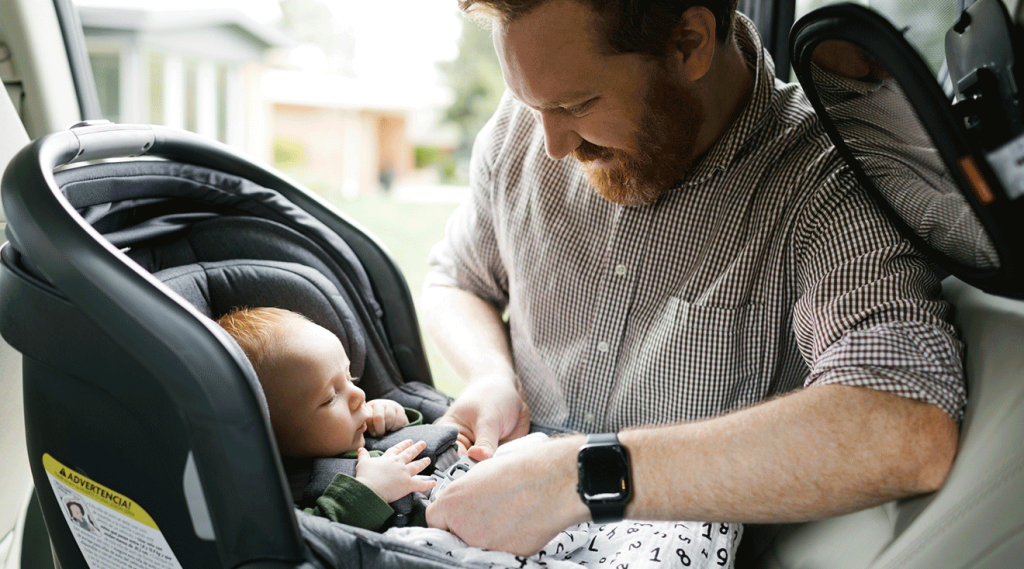
Have you ever wondered if your baby can get car sick? If you’ve noticed your little one fussing, crying, or looking uncomfortable during car rides, you’re not alone.
Understanding whether babies experience motion sickness can help you keep your child calm and happy on the road. You’ll discover the signs of car sickness in babies, why it happens, and simple ways you can ease their discomfort. Keep reading to make every car trip smoother for both you and your baby.
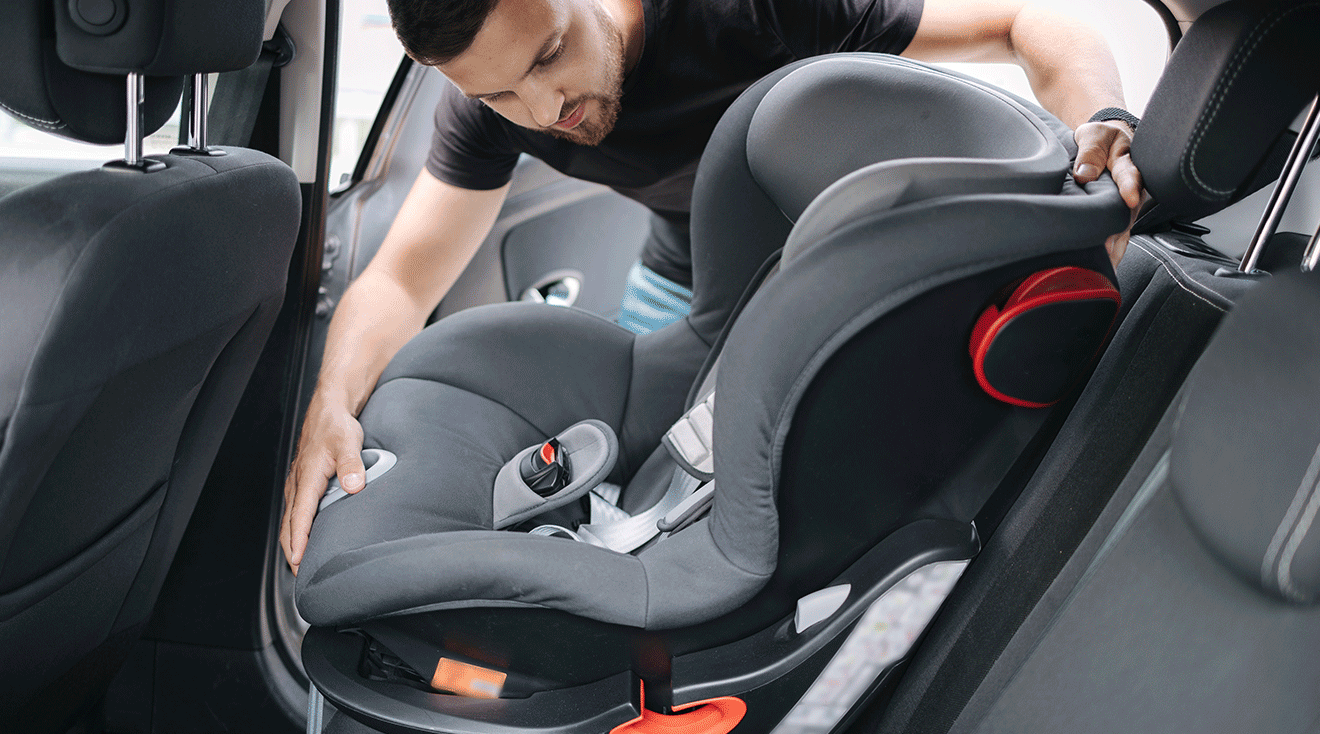
Credit: www.thebump.com
Car Sickness In Babies
Car sickness can be a troubling experience not just for adults but for babies as well. Understanding how and why babies get car sick helps you take steps to make travel smoother for your little one. If you’ve ever noticed your baby becoming fussy or pale during a car ride, it might be more than just discomfort—it could be motion sickness.
What Causes Motion Sickness
Motion sickness happens when your baby’s inner ear, eyes, and body send mixed signals to the brain. The inner ear senses movement, but if the eyes don’t see the same motion, confusion arises. This mismatch can cause nausea, dizziness, and irritability.
Babies are especially sensitive because their sensory systems are still developing. Even small bumps or turns can trigger this reaction. Have you noticed your baby becoming unsettled during winding roads or long drives?
Signs To Watch For
Spotting car sickness early can help you prevent it from getting worse. Look out for:
- Excessive drooling or swallowing
- Pale or flushed skin
- Fussiness or crying that doesn’t calm down
- Yawning or appearing unusually sleepy
- Vomiting, especially in longer trips
If your baby shows these signs, it’s a good idea to stop the car and give them a break. Sometimes a few minutes fresh air or a gentle change in position can make a big difference. How often do you check on your baby during car rides to catch these early signs?
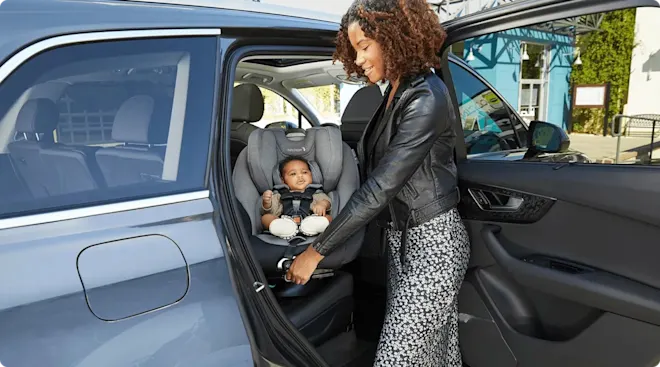
Credit: www.thebump.com
Age Factors And Sensitivity
Understanding how age affects a baby’s sensitivity to car sickness can help you prepare better for trips. Babies don’t all react the same way, and their vulnerability changes as they grow. Knowing when they are most at risk and recognizing their unique sensitivities can make travel smoother for both of you.
When Babies Are Most Vulnerable
Babies between the ages of 6 months and 2 years tend to be more prone to car sickness. Their inner ear, which helps control balance, is still developing during this period. This makes them more sensitive to the motion of the car.
Newborns under 6 months usually show fewer symptoms, possibly because their vestibular system isn’t fully active yet. However, as soon as they start to sit up and observe the world around them, motion sensitivity can increase.
Have you noticed your baby fussing more during car rides at certain ages? This could be a sign that their sensitivity is peaking. Watching for these signs can help you plan breaks or distractions accordingly.
Individual Differences
Just like adults, babies vary in how they react to motion. Some may feel queasy quickly, while others seem unaffected by long drives. This difference often depends on genetics, temperament, and previous exposure to car rides.
One parent shared how their 1-year-old would get upset within 10 minutes of driving, while their cousin’s toddler could nap through hours on the road. This shows how personal each baby’s experience can be.
What works to calm one baby might not work for another. You might try adjusting the car seat position, playing soothing music, or giving snacks to see what helps your little one best. Paying attention to your baby’s unique reactions lets you tailor your approach to reduce discomfort.
Preventive Measures
Babies can sometimes feel uneasy during car rides, but there are ways to ease their discomfort. Preventive measures focus on creating the most comfortable environment possible for your little one. Small changes in how you set up the car and plan your trip can make a big difference in avoiding car sickness.
Choosing The Right Car Seat Position
The position of your baby’s car seat plays a crucial role in reducing motion sickness. Placing the car seat in the middle of the back seat offers the smoothest ride, minimizing side-to-side motion.
Make sure your baby faces forward once they meet safety guidelines. This helps their inner ear balance better with the outside view, reducing nausea.
Keep the car seat at a slight incline to help your baby’s head stay stable. A steady view of the horizon can also calm their senses. Have you noticed how your baby reacts when looking outside? Adjusting their view might be the key.
Timing And Route Planning
Pick travel times that align with your baby’s nap or feeding schedule. A well-timed trip often results in a sleeping, peaceful baby who is less likely to feel sick.
Choose routes with smoother roads and fewer stops. Avoiding heavy traffic and rough patches reduces sudden movements that can upset your baby’s stomach.
Consider taking breaks during longer drives to let your baby stretch and breathe fresh air. Even a few minutes outside the car can reset their comfort and mood.
Comfort And Distraction Techniques
Comfort and distraction techniques help ease a baby’s car sickness. They focus on making the baby feel safe and less aware of motion. These methods keep the baby calm and entertained during the ride. Small changes in sound and environment can make a big difference.
Soothing Sounds And Toys
Soft music or gentle white noise can calm a baby’s nerves. These sounds mask road noise and steady the baby’s mood. Choose lullabies or nature sounds that are slow and quiet.
Toys also provide distraction from discomfort. Soft, colorful toys grab attention and keep little hands busy. Avoid noisy or flashing toys that might overstimulate the baby.
Maintaining A Calm Environment
Keep the car cool and well-ventilated to help the baby feel comfortable. Fresh air reduces stuffiness and nausea risks. Use window shades to block harsh sunlight, which can irritate the baby’s eyes.
Speak softly or sing gently to reassure the baby. Your calm voice helps reduce stress and motion sickness symptoms. Avoid sudden movements or loud noises inside the car.
Feeding And Hydration Tips
Babies can feel car sick, especially during long trips. Feeding small, light meals and offering water often helps keep them comfortable and hydrated. Avoid heavy or greasy foods before traveling to reduce nausea.
Feeding and hydrating your baby before a car trip can help prevent car sickness. Proper nutrition and fluids are essential for your baby’s comfort and well-being during travel. Here are some tips to consider.Meal Timing Before Travel
Plan meals to avoid travel on a full or empty stomach. A light snack 30 minutes before departure works well. Avoid heavy, rich foods which might upset their tummy. Opt for bland and easy-to-digest foods. This helps in reducing the chances of nausea during the journey.Keeping Babies Hydrated
Hydration is key to keeping your baby comfortable. Ensure they have enough fluids before and during the trip. Offer small sips of water or breast milk as needed. Avoid sugary drinks which might lead to dehydration. Proper hydration helps in preventing motion sickness symptoms.
Credit: www.catholichealthli.org
When To Consult A Pediatrician
Knowing when to consult a pediatrician about your baby’s car sickness is crucial. While occasional nausea or fussiness during car rides can be normal, persistent or severe symptoms need professional attention. Addressing the issue early can prevent discomfort and ensure your baby’s health is on track.
Persistent Symptoms
If your baby shows ongoing signs of nausea, vomiting, or excessive fussiness during or after car rides, it’s time to seek advice from a pediatrician. Symptoms that last beyond a few trips or worsen over time should not be ignored. Watch for dehydration, refusal to eat, or lethargy, as these can indicate more serious problems.
Have you noticed your baby becoming unusually pale or sweaty during rides? Such signs could mean the motion sickness is intense and needs medical evaluation. Don’t wait for symptoms to escalate—early intervention can make a big difference.
Medication Options
A pediatrician can recommend safe and appropriate medications if your baby’s car sickness is severe. Over-the-counter remedies for adults are not suitable for infants, so professional guidance is essential. Your doctor may suggest antihistamines or other treatments tailored to your baby’s age and health.
Discuss any concerns you have about side effects or interactions with other medications your baby might be taking. Getting clear instructions on dosage and timing will help you manage your baby’s symptoms effectively. Have you talked to your pediatrician about non-medication strategies as well? Sometimes combining approaches works best.
Frequently Asked Questions
Do Babies Get Car Sick Often?
Yes, babies can get car sick due to their developing inner ear. Symptoms include fussiness, vomiting, and pale skin. Motion sickness is common in infants during car rides.
What Causes Car Sickness In Babies?
Car sickness in babies is caused by conflicting signals from the eyes and inner ear. Their brain struggles to process motion, leading to nausea and discomfort.
How Can I Prevent My Baby’s Car Sickness?
To prevent car sickness, keep your baby facing forward, ensure good ventilation, and avoid feeding heavy meals before travel. Frequent breaks and distraction help reduce symptoms.
What Are Signs Of Car Sickness In Babies?
Signs include excessive drooling, vomiting, irritability, and restlessness. Babies may also appear pale or clingy, indicating discomfort during car rides.
Conclusion
Babies can get car sick just like adults do. Signs include fussiness, vomiting, or pale skin. Keep the car cool and well-ventilated to help. Try to avoid heavy meals before travel. Use gentle rocking and soft voices to calm babies.
Frequent breaks during long trips are important too. Watching outside the window may reduce motion sickness. Every baby is different; some handle car rides better. Stay patient and observe what works best for your child. Safe and comfortable travel matters most for happy babies.