

Are you planning to store your car for a while? One simple step can save you from costly battery problems later: disconnecting your car battery.
It might seem like a small task, but it protects your battery from draining and keeps your car ready to go when you need it. If you want to avoid the frustration of a dead battery and extra expenses, keep reading.
This guide will show you exactly how and why disconnecting your battery is a smart move for car storage.
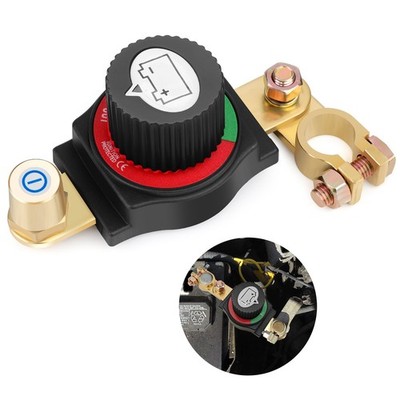
Credit: www.ebay.com
Why Disconnect The Battery
Disconnecting the battery is a simple step to protect your car during storage. It stops electrical issues and keeps the battery healthy. This helps your vehicle stay in good shape for longer. Here is why you should disconnect your car battery before storage.
Preventing Power Drain
Car batteries lose power over time, even when the car is off. Small electrical components still use energy. Disconnecting the battery stops this slow power loss. This keeps the battery charged and ready to use.
Avoiding Battery Damage
When a battery drains completely, it can get damaged. This reduces its ability to hold a charge. Disconnecting the battery prevents deep discharge. It helps keep the battery healthy and extends its life.
Enhancing Vehicle Longevity
Removing the battery reduces stress on the car’s electrical system. It lowers the risk of short circuits or electrical faults. This simple step helps your car stay reliable. It supports the overall health of your vehicle during storage.
When To Disconnect The Battery
Knowing when to disconnect your car battery can save you from unexpected hassles and costly repairs. It’s not just about pulling the plug; timing matters based on how long you plan to leave your vehicle unused. Let’s break down the best moments to disconnect the battery to keep your car in top shape.
Short-term Storage
If you’re leaving your car parked for a few days up to a couple of weeks, disconnecting the battery might not always be necessary. Modern vehicles have systems that draw minimal power, so a short break usually won’t drain the battery completely.
However, if you notice your battery is already weak or old, disconnecting can prevent a dead battery when you return. It’s a simple step that can save you the headache of a no-start situation after a quick break.
Long-term Storage
Planning to leave your car untouched for a month or more? Disconnecting the battery becomes essential. Over time, even a small power drain can completely discharge your battery, leading to reduced lifespan or failure.
Remove the negative terminal first, then the positive to avoid sparks. Store the battery in a cool, dry place if possible. This practice helps preserve battery health and keeps your car ready to go when you come back.
Seasonal Storage Considerations
During winter or off-season storage, disconnecting the battery protects against cold weather damage and power loss. If you’ve ever tried starting a car after a harsh winter, you know how frustrating a dead battery can be.
Besides disconnecting, consider using a battery maintainer or trickle charger to keep the battery at an optimal charge. This approach not only prevents deep discharge but also extends the overall life of your battery through the season.
Tools Needed For Battery Disconnection
Basic tools include a wrench or socket set to loosen battery terminals. Gloves protect your hands from acid and dirt. A memory saver helps keep car settings during disconnection.
When preparing your car for storage, disconnecting the battery can be a crucial step to ensure it remains in good condition. But before you begin, gathering the right tools is essential. You’ll not only need basic tools, but also safety gear to protect yourself and optional equipment for added maintenance. Here’s a guide to what you should have on hand.Basic Tools Required
To disconnect a car battery, you’ll need a few basic tools. A wrench or socket set is essential for loosening the battery terminals. Most car batteries use a 10mm size, but it’s wise to check your car’s specifications to be sure. A pair of pliers can also be handy. They can help with stubborn terminals that won’t budge easily. Having these tools ready will make the process smoother and quicker.Safety Gear To Use
Safety should always be your top priority when working with car batteries. Wearing gloves is a must to protect your hands from acid and dirt. They also provide better grip when handling tools. Safety glasses are another essential piece of gear. They shield your eyes from potential sparks or debris. It’s always better to be safe than sorry.Optional Equipment For Maintenance
While not absolutely necessary, having some optional equipment can enhance your battery maintenance. A multimeter can help check the battery’s charge before disconnection. This gives you a better understanding of your battery’s condition. A battery terminal cleaner can be a great addition to your toolkit. It ensures the terminals are clean and free of corrosion, which can improve the battery’s performance. Consider these tools if you want to go the extra mile in maintaining your car battery. Do you have all these tools ready for your car’s battery disconnection? Remember, being prepared makes the task not only safer but also much more efficient.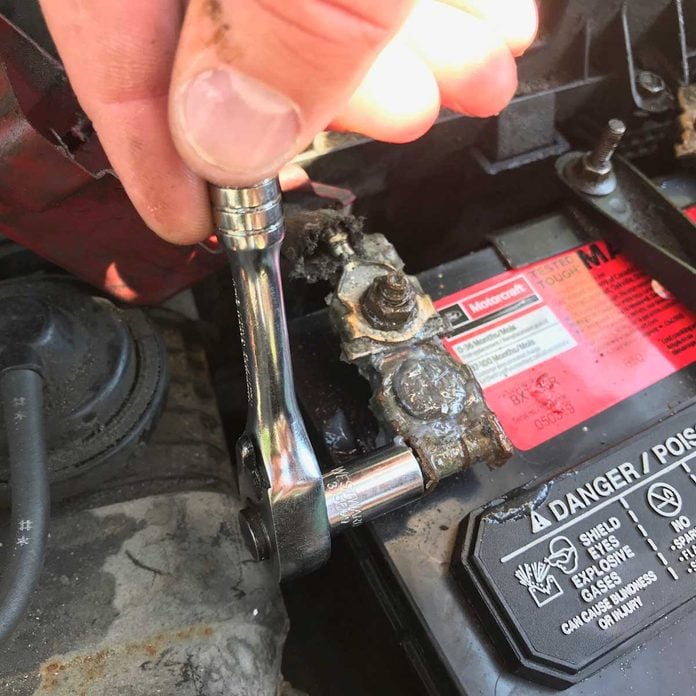
Credit: www.familyhandyman.com
Step-by-step Battery Disconnection
Disconnecting your car battery properly is important for safe storage. It stops battery drain and protects your vehicle’s electrical system. Follow clear steps to remove the battery carefully. Use the right tools and work in a well-ventilated area. Wear gloves and eye protection for safety.
Locating The Battery
Open the car hood and find the battery. It usually sits near the front engine compartment. Look for a rectangular box with two cables attached. The battery has a positive (+) and negative (-) terminal. Clean any dirt or corrosion around it before starting.
Disconnecting The Negative Terminal
Always remove the negative terminal first to avoid sparks. Use a wrench to loosen the nut on the negative cable clamp. Gently lift the cable off the battery post. Secure the cable away from the battery to prevent contact. This step reduces the risk of short circuits.
Disconnecting The Positive Terminal
Next, loosen the nut on the positive terminal clamp. Carefully remove the positive cable from the battery post. Keep the cable away from metal parts and the battery. Never let the positive and negative terminals touch each other.
Securing The Battery
Check the battery tray for stability. Place the battery in a cool, dry place for storage. Use a battery cover or plastic bag to protect it from dust. Avoid placing the battery on concrete floors. Keep it upright to prevent acid leaks.
Battery Maintenance During Storage
Battery maintenance during storage is essential to keep your car’s battery healthy. Proper care prevents damage and extends battery life. Neglecting maintenance can lead to corrosion, discharge, and failure.
Regular checks and simple steps protect the battery from harm. Clean terminals, safe storage, and controlled charging are key parts of maintenance.
Cleaning Battery Terminals
Dirty or corroded terminals block electrical flow. Clean terminals with a mix of baking soda and water. Use a brush to scrub off corrosion gently. Dry the terminals fully before reconnecting. This helps maintain a strong connection and prevents power loss.
Storing The Battery Safely
Store the battery in a cool, dry place away from direct sunlight. Avoid freezing temperatures that can damage the battery. Place the battery on a non-metallic surface to avoid short circuits. Keep it upright to prevent acid leaks. Cover terminals with plastic caps for extra protection.
Using A Battery Tender Or Charger
A battery tender keeps the battery charged without overcharging. Connect the tender to the battery’s terminals following the device instructions. Use a smart charger that adjusts voltage automatically. This keeps the battery ready for use after storage. Check the charge level regularly to avoid deep discharge.

Credit: www.amazon.com
Common Mistakes To Avoid
Disconnecting your car battery for storage seems easy. But many make mistakes that cause damage or risk safety. Avoiding these errors helps protect your car and yourself.
Ignoring Safety Precautions
Always wear gloves and safety glasses. Car batteries hold acid and can spark. Sparks can cause fire or injury. Work in a well-ventilated area. Keep tools away from battery terminals. Never smoke near the battery. Safety is the first step.
Disconnecting Positive Terminal First
Remove the negative terminal first. This reduces the chance of short circuits. Disconnecting the positive terminal first can cause sparks. Sparks may damage the battery or electronics. Follow the right order for safety and care.
Leaving Battery Connected Too Long
Leaving the battery connected drains its charge. A dead battery may not start your car later. Disconnect the battery if storing for weeks or months. Store the battery in a cool, dry place. Check the battery charge every few weeks.
Reconnecting The Battery After Storage
Reconnecting the battery after storage is a key step to get your car ready to run again. This process helps ensure the battery works well and the car starts smoothly. Careful attention during reconnection protects the battery and electrical system from damage.
Inspecting Battery Condition
Check the battery for any cracks or leaks. Look for corrosion on the terminals. Clean the terminals gently with a brush if needed. Make sure the battery case is dry and intact. A damaged battery might need replacement before use.
Reconnecting Terminals Correctly
Always connect the positive terminal first. The positive terminal usually has a plus (+) sign or red cover. Then connect the negative terminal, marked with a minus (–) or black cover. Tighten the clamps firmly to avoid loose connections. Avoid touching both terminals at the same time to prevent sparks.
Testing Battery Performance
Start the car to check if the battery holds power. Listen for a strong and steady engine start. Use a voltmeter to measure battery voltage; it should read around 12.6 volts. If the voltage is low, recharge the battery or test it further. Proper testing helps avoid future starting problems.
Frequently Asked Questions
Why Disconnect Car Battery For Storage?
Disconnecting the car battery prevents drain during storage. It preserves battery life and avoids electrical system damage. This simple step ensures your battery stays charged and ready when you use your car again after a long break.
How To Safely Disconnect A Car Battery?
First, turn off the ignition and remove keys. Use a wrench to loosen the negative terminal clamp. Remove the negative cable before the positive one. Always wear gloves and eye protection to avoid accidents.
Can Disconnecting Battery Affect Car Settings?
Yes, disconnecting the battery may reset settings like radio presets and clock. Modern cars might also lose diagnostic data. To avoid issues, consult your car manual or use a memory saver device.
How Long Can A Car Battery Last Disconnected?
A fully charged car battery can last up to 6 weeks disconnected. However, extreme temperatures can reduce battery life. For longer storage, consider using a battery maintainer to keep it charged.
Conclusion
Disconnecting your car battery helps keep it healthy during storage. It stops power drain and saves battery life. This simple step prevents starting problems later. Make sure to store the battery in a cool, dry place. Check the battery charge sometimes to keep it ready.
Taking these easy actions protects your car and saves money. A little care now avoids big headaches later. Keep your battery safe and your car ready to go.