
Have you ever wondered if someone is secretly tracking your car? Finding a hidden tracker isn’t as simple as it sounds, but with the right device, you can take control and protect your privacy.
Imagine the peace of mind you’ll gain by knowing exactly where your car is—and who might be following it. You’ll discover how to use a device to find trackers on your car, how these trackers work, and simple steps to keep your vehicle safe.
Keep reading to unlock the secrets that could save you from unwanted surveillance.

Credit: blog.eyespysupply.com
Types Of Car Trackers
Choosing the right car tracker depends on your specific needs. Each type offers unique features and works best in different situations. Understanding these options helps you pick a device that fits your lifestyle and security concerns.
Gps Trackers
GPS trackers use satellite signals to provide real-time location data. They are highly accurate and work anywhere with a clear sky view. If you want to monitor your car’s exact position at any time, GPS trackers are the best choice.
One downside is that GPS trackers often require a power source and can be more expensive. However, they are ideal for long-distance tracking and theft recovery. Have you considered how often you need updates when choosing a tracker?
Rfid Trackers
RFID trackers work with radio waves and are great for short-range tracking. They don’t rely on satellites but need to be within a certain distance of a reader device. This makes them useful for parking lots or private property monitoring.
RFID trackers are usually small and easy to hide. However, their limited range means they’re not suitable for tracking your car on the highway. Do you often park in large, monitored areas where quick identification matters?
Bluetooth Trackers
Bluetooth trackers connect to your phone or other devices within a limited range, typically up to 100 feet. They are affordable and easy to set up, making them popular for everyday use. If you tend to lose your car in crowded places, Bluetooth can help.
The main limitation is the short tracking range. You’ll only get alerts when you’re nearby. Think about how close you usually are to your car when you need tracking help—does Bluetooth fit your routine?
Cellular Trackers
Cellular trackers use mobile networks to send location data, combining wide coverage with real-time updates. They work almost anywhere there is a cell signal, making them reliable for city and rural areas. This option often includes subscription fees for data service.
These trackers are excellent for continuous monitoring and can alert you instantly if your car moves unexpectedly. But do you check your vehicle’s status frequently enough to justify the cost of cellular service?
Signs Your Car Has A Tracker
Noticing that your car might have a tracker can be unsettling. However, spotting the signs early can help you take control and protect your privacy. Here are some clear indicators that your vehicle could be under surveillance.
Unusual Wiring Or Devices
Check your car’s interior and under the hood for any unfamiliar wires or small gadgets. Trackers often connect to the vehicle’s power source, so look near the battery, under the dashboard, or inside wheel wells. If you find something that doesn’t belong, it could be a tracker.
Battery Drain
If your car’s battery seems to die faster than usual, it might be due to a tracker draining power. These devices need energy to transmit signals, which can cause unexpected battery issues. Have you noticed your car struggling to start or dim lights even after a full charge?
Strange Beeping Sounds
Sometimes trackers emit faint beeping noises, especially when your car is off. These sounds can be hard to hear but become noticeable in quiet environments. If you catch an unusual beep or click, it’s worth investigating further.
Unexpected Locations In Gps Apps
Does your GPS app show your car in places you haven’t been? Some trackers send false location data or allow others to monitor your movements remotely. If the location updates don’t match your actual routes, your car could be tracked without your knowledge.
Devices To Detect Hidden Trackers
Devices designed to find hidden trackers on cars use signals to detect small tracking gadgets. These tools help protect privacy by revealing unwanted devices quickly. Easy to use and effective, they are essential for safety and peace of mind.
Detecting hidden trackers on your car can be crucial for privacy. Many devices help uncover these sneaky gadgets. Understanding how these tools work is essential for protection. Here are some popular options that can assist in finding trackers.Rf Signal Detectors
RF signal detectors identify radio frequencies from hidden trackers. These devices scan and alert you to unusual signals. They are simple to use and portable. Most models cover a wide frequency range. This helps find different types of trackers. RF detectors are ideal for quick checks.Gps Jammers And Detectors
GPS jammers disrupt tracking signals, keeping your location private. They prevent trackers from sending your coordinates. GPS detectors, on the other hand, find active GPS signals in your area. These tools ensure no unauthorized tracking occurs. Both jammers and detectors offer peace of mind.Smartphone Apps
Smartphone apps can locate hidden trackers with ease. Many apps scan for suspicious Bluetooth and Wi-Fi signals. They help identify devices connected to your car. These apps are usually free or inexpensive. Using a smartphone app is convenient and effective. With a few taps, you can check for trackers.Thermal Imaging Cameras
Thermal imaging cameras detect heat from electronic devices. Trackers often generate heat when active. These cameras visualize heat patterns, revealing hidden gadgets. They are useful in spotting trackers in hard-to-reach places. Thermal cameras provide an advanced way to find trackers.
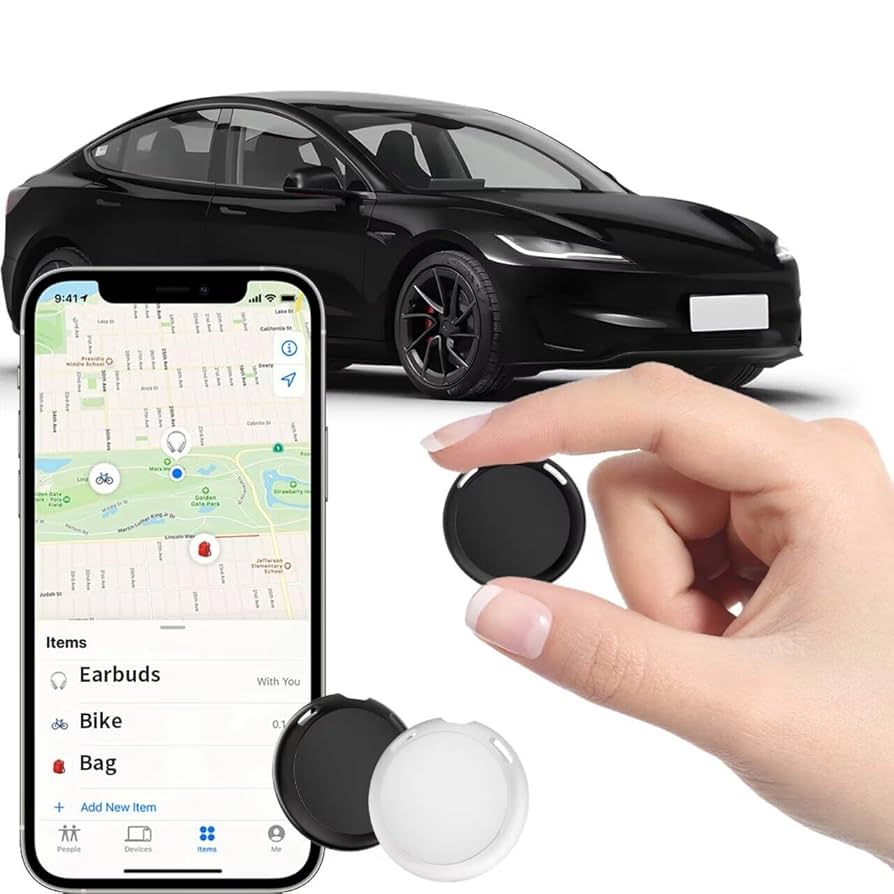
Credit: www.amazon.com
How To Use Tracker Detection Devices
Using tracker detection devices helps find hidden trackers on your car. These tools scan for signals or physical devices placed without permission. Knowing how to use them increases your chance to spot trackers quickly and safely. Follow clear steps for thorough checks and accurate results.
Performing A Visual Inspection
Start by looking around your car carefully. Check under the vehicle, inside wheel wells, and behind bumpers. Inspect the dashboard, seats, and glove box. Look for unusual wires, small boxes, or anything that seems out of place. Use a flashlight to see dark corners and hidden spots.
Scanning With Rf Detectors
Turn on the RF detector and slowly move it around your car. These devices pick up radio signals from active trackers. Pay attention to beeps or signal strength changes. Scan inside the engine bay, trunk, and passenger cabin. Stop and investigate any strong signals found during the scan.
Checking Vehicle’s Electrical System
Some trackers connect to your car’s electrical system. Look for extra wiring near the battery or fuse box. Use a multimeter to check for unusual current flow. Disconnect suspicious wires carefully to see if any devices lose power. This step helps find trackers hidden in the vehicle’s wiring.
Interpreting Detection Results
Strong signals often mean a tracker is nearby. Weak or no signals do not guarantee the car is clear. False alarms can come from other electronic devices. Cross-check suspicious items found during the visual inspection. Combine all findings before deciding on the next action.
Preventing Tracker Installation
Stopping trackers from being installed on your car protects your privacy and security. Taking simple steps can reduce the risk of unwanted devices being hidden on your vehicle. Awareness and vigilance play a big role in prevention.
Understanding where and how trackers can be placed helps in avoiding such risks. Preventing installation is easier than finding a tracker later. Start with safe parking and regular checks to keep your car secure.
Securing Parking Areas
Park your car in well-lit, busy places. Private garages or secured lots reduce chances of tampering. Avoid leaving your vehicle in isolated or dark spots. Surveillance cameras add extra protection. These measures make it harder for someone to install a tracker unnoticed.
Regular Vehicle Checks
Check your car regularly for strange or new objects. Look under the chassis, bumpers, and wheel wells. Inspect inside the cabin, especially under seats and mats. A quick routine check helps find hidden devices early. Use a flashlight to spot small trackers in dark areas.
Using Anti-tracking Devices
Consider gadgets that detect tracking signals on your car. These devices scan for GPS or Bluetooth signals from trackers. They alert you if a suspicious device is nearby. Using anti-tracking tools increases your chances of catching trackers early. Keep these devices charged and ready for use.
Awareness Of Privacy Laws
Know your rights about vehicle tracking in your area. Many places have laws against unauthorized tracking. Being informed helps you act quickly if you find a tracker. Contact local authorities if you suspect illegal tracking. Understanding laws supports your effort to protect privacy.

Credit: www.amazon.com
Legal Considerations For Trackers
Tracking devices on cars raise important legal questions. Understanding the laws helps avoid trouble. Some uses are legal, others might break privacy rules. Knowing your rights protects you from misuse. Handling a found tracker also has rules. Consulting legal experts ensures correct action. Let’s explore key legal points about car trackers.
Legality Of Tracking Devices
Tracking a vehicle without permission can be illegal. Laws vary by country and state. Some places allow tracking your own car only. Installing a tracker on someone else’s vehicle often needs consent. Police or businesses may use trackers with legal approval. Private individuals should check local laws before using trackers.
Privacy Rights
Everyone has a right to privacy in their vehicle. Secret tracking can invade this privacy. Using trackers to follow someone without their knowledge may break laws. Privacy laws protect personal information and location data. Respecting privacy helps avoid fines or criminal charges. Always consider others’ rights before tracking a car.
Handling Found Trackers
Finding an unknown tracker on your car can be alarming. Do not remove it immediately. Document the device with photos and notes. Report the tracker to local authorities. Law enforcement can investigate its origin and legality. Handling the tracker properly avoids legal risks and helps protect your privacy.
Consulting Legal Experts
Legal advice is crucial when dealing with trackers. Experts explain local laws and your rights clearly. They guide you on safe steps after finding a tracker. Lawyers help if you face privacy violations or legal claims. Seeking professional help ensures you act within the law.
Frequently Asked Questions
What Device Helps Find Trackers On A Car?
A bug detector or RF signal detector helps locate hidden trackers on cars. These devices scan for radio frequencies emitted by GPS trackers, alerting you to their presence. They are portable, easy to use, and effective in detecting unauthorized tracking devices on vehicles.
How Does A Tracker Finder Device Work?
Tracker finder devices detect radio signals emitted by GPS trackers. They scan various frequency ranges and alert users through sound or visual indicators. This helps identify hidden trackers attached to cars, ensuring privacy and security by revealing unauthorized tracking attempts.
Can Smartphones Detect Gps Trackers On Cars?
Smartphones alone cannot reliably detect GPS trackers on cars. However, apps combined with external hardware can help locate trackers. Dedicated bug detectors remain more effective for finding hidden tracking devices due to their specialized frequency scanning capabilities.
Are Tracker Detection Devices Legal To Use?
Yes, tracker detection devices are legal for personal use in most regions. They help protect privacy by identifying unauthorized tracking. However, laws vary by location, so check local regulations before using such devices to ensure compliance and avoid legal issues.
Conclusion
Finding a tracker on your car helps protect your privacy and safety. Using a device to detect trackers is simple and effective. It gives you peace of mind while driving or parking. Regular checks can stop unwanted tracking early. Stay aware and keep control over your vehicle’s security.
Small steps make a big difference in protecting yourself. Choose a reliable detector and use it often. Your safety matters, and you can take charge today.