

Are you curious about how car insurance tracking devices can save you money and improve your driving? You’re not alone.
Many drivers wonder if these gadgets are worth the hype or just another unnecessary expense. You’ll find honest reviews that cut through the confusion, helping you decide which device fits your needs and budget. Keep reading to discover how tracking your driving habits could change the way you pay for car insurance—possibly putting more cash back in your pocket.
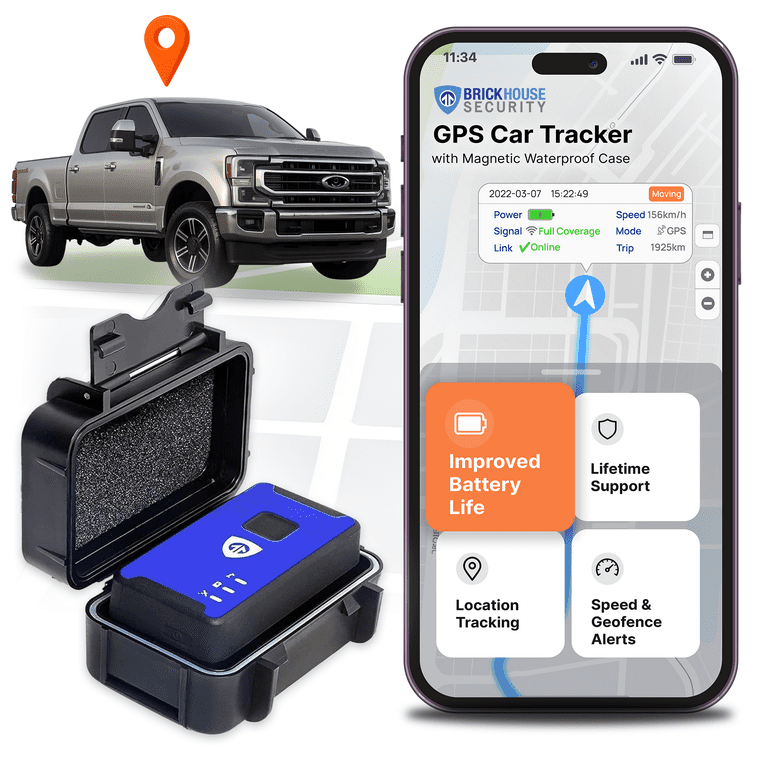
Credit: www.walmart.com
Benefits Of Car Insurance Tracking Devices
Car insurance tracking devices offer several benefits that help drivers save money and stay safe. These devices monitor driving behavior and provide valuable data to insurance companies. This data helps adjust insurance premiums and encourages better driving. Many drivers find these devices useful for managing costs and improving road safety.
Lower Premiums
Tracking devices can lower car insurance premiums. Insurance companies reward safe driving habits. The device records speed, braking, and acceleration. Safer drivers often receive discounts. This makes insurance more affordable. Saving money every month adds up.
Improved Driving Habits
The device helps drivers improve skills. Real-time feedback encourages careful driving. Drivers learn to avoid harsh braking and speeding. This reduces accident risk. Better habits lead to safer roads. Many users report becoming more cautious.
Enhanced Safety Features
Some devices offer safety alerts. They warn about sharp turns or speeding. Emergency response features can notify help after a crash. This quick response can save lives. These tools add an extra layer of protection. Drivers feel more secure on the road.
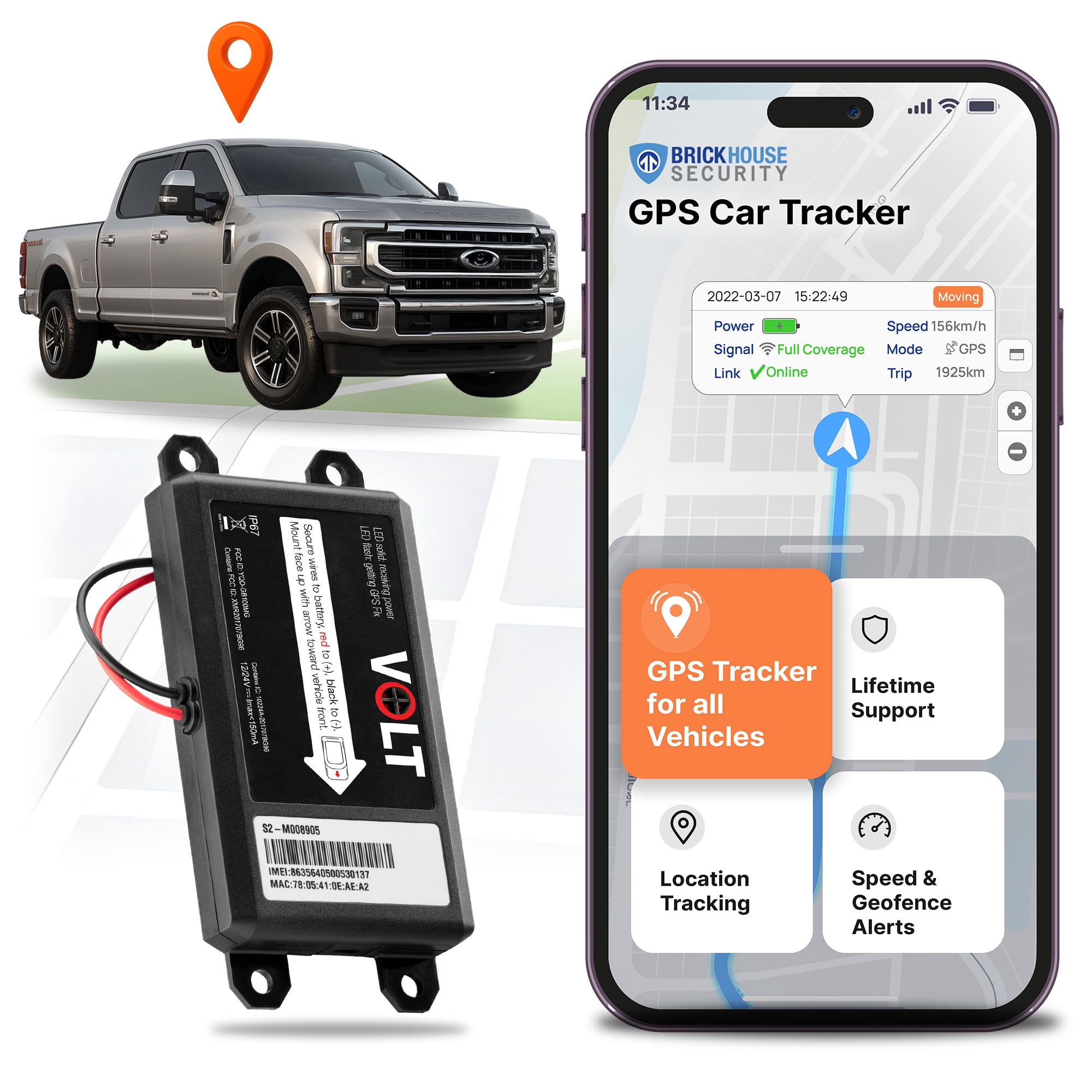
Credit: www.walmart.com
How Tracking Devices Work
Understanding how car insurance tracking devices work can help you decide if they fit your needs. These devices collect and send data about your driving habits. This information then influences your insurance rates or alerts you to risky behavior.
Data Collection Methods
Most tracking devices use GPS and accelerometers to gather data. GPS tracks your location, routes, and speed. Accelerometers detect sudden stops, rapid acceleration, and sharp turns.
Some devices plug into your car’s OBD-II port, accessing engine data and mileage. Others connect wirelessly to your smartphone via an app. The data collected usually includes:
- Distance driven
- Time of driving (day or night)
- Speed patterns
- Braking and acceleration behavior
Real-time Monitoring
You can often see your driving data in real time through an app or online portal. This immediate feedback helps you adjust your habits on the go. For example, if you receive an alert about harsh braking, you can consciously brake smoother next time.
Insurance companies also use this live data to calculate dynamic premiums. Safer driving detected over time can lower your rates. Does the idea of your insurer watching your every move make you nervous or empowered?
Privacy Concerns
Tracking devices collect sensitive information about your location and behavior. You should ask who owns this data and how it is protected. Some companies share data with third parties, which might affect your privacy.
Check if the device allows you to disable tracking when you don’t want to share data. Also, review the company’s privacy policy carefully. Your comfort with data sharing should guide your decision to use these devices.
Top Car Insurance Tracking Devices For 2025
Car insurance tracking devices help monitor driving habits and improve safety. They offer real-time data to insurance companies for better pricing. Choosing the right device can save money and encourage better driving. Here are the top car insurance tracking devices for 2025.
Device A Features And Performance
- Compact design fits easily under the dashboard.
- Tracks speed, braking, and acceleration accurately.
- Connects via Bluetooth to a smartphone app.
- Provides detailed weekly driving reports.
- Battery lasts up to 6 months without charging.
Device A offers reliable data and easy installation. Its app is user-friendly and shows clear insights.
Device B Features And Performance
- Uses GPS for precise location tracking.
- Monitors driving time and distance automatically.
- Alerts for harsh braking and rapid acceleration.
- Integrates with most car models seamlessly.
- Supports real-time notifications to the driver.
Device B focuses on safety alerts and detailed driving patterns. It helps drivers improve habits instantly.
Device C Features And Performance
- Includes a built-in accelerometer for motion detection.
- Offers monthly reports on driving behavior and risk.
- Easy plug-and-play setup with no tools needed.
- Works with both Android and iOS devices.
- Has a secure data encryption system for privacy.
Device C balances accuracy and privacy well. Its simple setup suits all drivers.
Comparing Pricing And Plans
Car insurance tracking devices have gained popularity due to their promise of personalized rates and potential savings. But with a variety of pricing and plans available, how do you choose the best option? Understanding subscription costs, possible insurance discounts, and contract terms can help you make an informed decision. Let’s dive deeper into these aspects to ensure you’re getting the most out of your investment.
Subscription Costs
Subscription costs for car insurance tracking devices can vary significantly. Some companies offer a flat monthly fee, while others might have tiered plans depending on your needs. Consider what features you require and whether you’re willing to pay extra for advanced functionalities.
- Basic plans often cover essential tracking needs but may miss out on detailed analytics.
- Premium plans typically include comprehensive data analysis tools, which can be useful for optimizing your driving habits.
Have you considered how much you’re willing to invest monthly to potentially save on insurance?
Insurance Discounts
Many insurers offer discounts if you use a tracking device, but these can vary. Some might offer a percentage off your premium, while others provide a flat-rate discount. It’s crucial to check with your insurer to understand the specific savings you’ll receive.
Think about how these discounts compare with the subscription costs. Are the savings substantial enough to justify the expense?
It’s also worth asking your insurance company if the discount increases over time as the device collects more data.
Contract Terms
Contract terms are another critical aspect to consider. Some companies may require a long-term commitment, while others offer month-to-month plans. It’s important to read the fine print and understand any potential penalties for canceling early.
Would you prefer flexibility or are you comfortable with a long-term contract to secure lower rates?
Additionally, check if the company provides a trial period. This can give you a chance to test the device without fully committing, ensuring it meets your expectations.
User Experiences And Feedback
Understanding how real users experience car insurance tracking devices can give you a clearer picture of what to expect. Feedback from everyday drivers highlights practical strengths and weaknesses that specs alone don’t reveal. Let’s look at what users say about installation, accuracy, and support.
Ease Of Installation
Many users appreciate devices that take just minutes to install without special tools. One driver shared how they simply plugged the device into the OBD-II port under the dashboard and were ready to go in less than five minutes.
Others mention that clear instructions make a big difference. If you’re worried about complicated setups, look for devices praised for straightforward installation steps.
Do you prefer devices that can be self-installed, or would you rather have a professional handle it? Your comfort level with tech matters here.
Accuracy And Reliability
Accuracy is a top priority for users, especially since it impacts insurance rates. Some report that their devices track mileage and driving habits very precisely, leading to fairer premiums.
However, a few have noticed occasional glitches, such as delayed updates or incorrect location data. This can be frustrating if you rely on real-time feedback.
Are you planning to monitor your driving behavior daily? If so, choosing a device known for consistent, reliable data is crucial.
Customer Support
When technical issues arise, responsive customer support can save you a lot of hassle. Users praise companies that offer quick, helpful responses via phone or chat.
Some shared stories of feeling stuck with little help when their device malfunctioned. This highlights the value of checking reviews specifically about support quality before buying.
Would you rather have easy access to live support, or are you comfortable finding solutions on your own through online resources?

Credit: www.amazon.com
Choosing The Right Device For You
Choosing the right car insurance tracking device can feel overwhelming with so many options available. Your choice should match how you drive, the type of vehicle you own, and what benefits you expect in return. Taking time to evaluate these factors ensures the device works well for your unique situation.
Assessing Your Driving Needs
Think about how often and where you drive. Are your trips mostly short city drives or long highway journeys? Some devices track detailed driving habits like speed and braking, which could be useful if you want to improve safety or lower premiums.
Consider whether you want real-time alerts or just monthly reports. If you have teenagers or employees driving your vehicle, a device with live tracking might give you peace of mind. What driving habits do you want to monitor or change?
Compatibility With Your Vehicle
Not all tracking devices fit every car. Some plug into the OBD-II port, common in most cars made after 1996, while others are standalone units that attach under the dashboard or inside the windshield. Check your vehicle’s manual or ask a dealer to find out what type of device is compatible.
Electric and hybrid vehicles sometimes require special devices or configurations. Also, older cars without modern ports may need a different kind of tracker. Ensuring compatibility avoids installation headaches and extra costs.
Evaluating Cost Vs Benefits
Price matters, but focus on what you get for it. A cheaper device might lack important features like GPS accuracy or driver feedback. Sometimes, paying more upfront means saving on insurance premiums or avoiding costly accidents.
Look for devices with clear data reports and good customer support. Can the device help you save money on your insurance? Will it provide helpful insights to improve your driving? Weigh these benefits against the initial cost to make a smart choice.
Frequently Asked Questions
What Is A Car Insurance Tracking Device?
A car insurance tracking device monitors driving habits like speed, braking, and mileage. Insurers use this data to offer personalized rates and rewards for safe driving.
How Do Tracking Devices Affect Insurance Premiums?
Tracking devices can lower premiums by proving safe driving. Insurers may offer discounts based on your driving data, encouraging safer habits and reducing overall costs.
Are Car Insurance Tracking Devices Mandatory?
No, tracking devices are usually optional. They are offered as a way to save money or improve your insurance plan through safer driving incentives.
Can Tracking Devices Invade My Privacy?
Most devices collect only driving-related data. Insurers follow privacy laws to protect your information and use it solely for risk assessment and pricing.
Conclusion
Car insurance tracking devices help save money and increase safety. They give clear information about driving habits. Choosing the right device depends on your needs and budget. Many options are available, each with different features. Using these devices can lead to better driving and lower premiums.
Always read reviews and compare before buying. Tracking devices are a smart way to manage car insurance costs. Keep your driving safe and your expenses low. Simple steps make a big difference in insurance savings.