

Can’t get your car into gear? It’s frustrating, confusing, and can leave you stuck when you need to move the most.
You might wonder if it’s something simple or a sign of a bigger problem. Don’t worry—you’re not alone, and there are clear steps you can take to understand what’s going wrong. Keep reading to discover why this happens and how you can fix it quickly, so you’re back on the road with confidence.
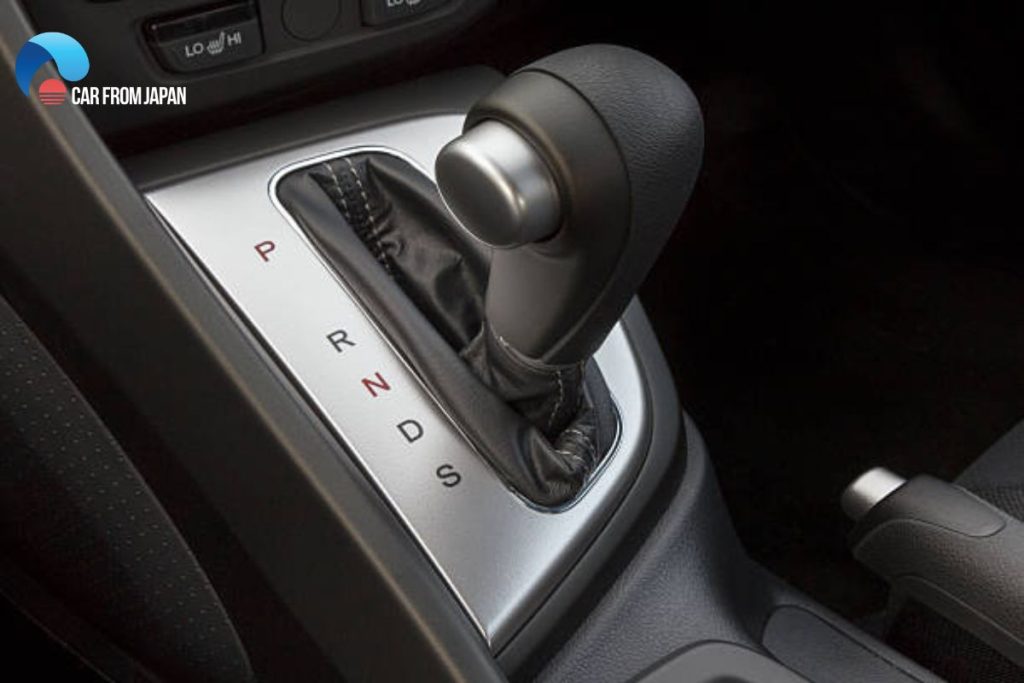
Credit: carfromjapan.com
Common Causes Of Gear Shift Problems
Struggling to get your car into gear can be frustrating and even dangerous. Understanding the common causes of gear shift problems can help you diagnose the issue faster and avoid costly repairs. Let’s break down the main reasons your car might be refusing to shift smoothly.
Clutch Issues
If your car has a manual transmission, the clutch plays a crucial role in shifting gears. A worn-out clutch disc or pressure plate can cause difficulty engaging gears. You might notice the clutch pedal feels spongy or sticks to the floor, signaling that the clutch isn’t fully disengaging.
Have you ever tried to shift and felt grinding noises? That’s often a sign the clutch isn’t releasing properly. Addressing clutch wear early can save you from a complete clutch replacement.
Transmission Fluid Levels
Low or dirty transmission fluid can cause your gears to slip or refuse to engage. Transmission fluid lubricates the moving parts and helps your gear system operate smoothly. Without enough fluid, internal components can overheat and wear prematurely.
Check your transmission fluid regularly. If the fluid looks dark or smells burnt, it’s time for a change. Proper fluid levels often fix shifting problems without more invasive repairs.
Linkage And Cable Problems
Your gear shift lever connects to the transmission through linkages or cables. If these components are loose, stretched, or broken, your car won’t shift correctly. You might find the gear lever feels loose or doesn’t move as it should.
Sometimes, a simple adjustment or lubrication of these linkages can restore normal function. Don’t overlook this often easy-to-fix cause when you face shifting trouble.
Hydraulic System Failures
Many manual transmissions use a hydraulic system to operate the clutch. Leaks or air in the hydraulic lines can prevent the clutch from disengaging properly. This issue often leads to difficulty shifting and a soft or sinking clutch pedal.
Have you noticed fluid pooling under your car or a pedal that suddenly loses resistance? These are red flags for hydraulic failure. Bleeding the system or replacing faulty components may be necessary to get your gear shift back on track.
Signs Your Car Won’t Shift
Recognizing the signs that your car won’t shift is crucial to avoid getting stranded or causing further damage. These symptoms often start small but can quickly worsen if ignored. Paying attention early can save you time, money, and stress on the road.
Difficulty Moving The Gear Lever
Have you noticed your gear lever feeling stiff or stuck? This is one of the first signs that your transmission might be struggling. You might find it hard to move the lever into certain gears or it feels like it’s catching on something.
Sometimes the problem is as simple as low transmission fluid or a worn shift cable. Other times, it could mean internal issues that require professional help. If shifting feels like a workout, don’t push through it—stop and inspect before the problem gets worse.
Grinding Or Unusual Noises
Hearing grinding sounds when you try to change gears is a clear warning sign. These noises usually mean the gears inside the transmission aren’t engaging properly. It’s like your car is telling you it’s struggling to switch smoothly.
Unusual sounds might also include clunking or whining. Ignoring these noises can lead to serious transmission failure. Ask yourself: have you noticed any new sounds during your last drive?
Car Slipping Out Of Gear
Does your car suddenly pop out of gear while driving? This can be dangerous and signals a serious transmission issue. Slipping means the transmission isn’t holding the gear as it should, which might cause sudden loss of power or control.
This issue often points to worn clutch components or damaged gear teeth. You might feel the engine revving without the car responding as expected. If your car slips out of gear, it’s time to get it checked immediately to avoid accidents.
Immediate Steps To Try
Getting your car stuck when trying to shift gears can be frustrating and stressful. Before calling a mechanic or towing service, there are a few immediate actions you can take to diagnose and possibly fix the issue on your own. These quick checks may save you time and money and help you understand what’s really going on under the hood.
Check The Clutch Pedal
First, press the clutch pedal fully and feel for any unusual resistance or looseness. If the pedal feels soft or sinks to the floor, your clutch hydraulic system might have a leak or need bleeding. Sometimes, adjusting or topping up the clutch fluid can restore proper pedal feel and allow you to shift gears smoothly again.
Inspect Transmission Fluid
Low or dirty transmission fluid can cause your car to refuse gear changes. Check the fluid level using the transmission dipstick, if your car has one, and look at the fluid color and smell. Clear, reddish fluid is good; dark or burnt-smelling fluid means it needs changing. Adding or replacing the fluid might resolve the problem and improve gear engagement.
Test The Shift Linkage
The shift linkage connects your gear stick to the transmission. If it’s loose, bent, or damaged, your car won’t shift properly. Try moving the gear lever gently and observe if it feels disconnected or if the gears don’t engage at all. Sometimes, tightening or realigning the linkage is enough to get your car back in gear.
Try Rocking The Car Gently
If your car won’t shift out of neutral or into gear, a little movement might help. With the clutch pressed, gently rock the car back and forth by slightly releasing and pressing the accelerator. This motion can free a stuck gear or synchronizer. Be careful not to force anything; listen to your car’s response and stop if you hear grinding noises.
Quick Fixes You Can Attempt
Struggling to get your car into gear can be frustrating, especially when you’re in a hurry. Before calling a mechanic, there are a few simple fixes you can try on your own. These quick adjustments often solve the problem and save you both time and money.
Adjusting The Clutch Cable
If your clutch feels loose or the gear won’t engage smoothly, the clutch cable might need adjustment. Locate the cable near the clutch pedal or engine bay and check for slack. Tightening the cable slightly can improve clutch engagement and help your car shift gears more easily.
Be careful not to overtighten, as this can cause the clutch to slip. Have you noticed your clutch pedal feels different lately? That’s often a clue pointing to cable issues.
Refilling Or Changing Transmission Fluid
Low or dirty transmission fluid can cause difficulty in shifting gears. Check your car’s fluid level using the dipstick, and top it off if it’s low. If the fluid looks dark or smells burnt, a fluid change might be necessary.
Clean transmission fluid helps lubricate internal parts, ensuring smooth gear shifts. When was the last time you checked your transmission fluid? It could be the simple fix your car needs.
Lubricating Linkage Components
The linkage connects your gear stick to the transmission and can get stiff or rusty over time. Applying lubricant to these parts can reduce resistance and help the gear shift move freely. Use a spray lubricant designed for automotive use and apply it to all moving joints in the linkage system.
Pay attention to any grinding or sticking sensations while shifting. Lubricating these components often restores smooth operation without expensive repairs.
Resetting The Shift Interlock
Modern cars have a shift interlock system that prevents shifting out of park without pressing the brake. Sometimes, this system can malfunction and block gear changes. You can try resetting it by pressing the brake pedal, then manually pressing the shift lock release button (usually a small slot near the gear lever) with a key or screwdriver.
This simple trick has worked for many drivers stuck in park. Have you ever been caught off guard by your car refusing to shift? Resetting the interlock might be the quick fix you need.
When To Seek Professional Help
Persistent trouble shifting gears or unusual noises suggest a problem needing expert care. Avoid driving if the car won’t engage gear properly. Professional diagnosis can prevent further damage and ensure safety.
When your car refuses to shift gears smoothly, it’s more than just a minor inconvenience. It can signal underlying issues that may compromise your vehicle’s safety and performance. While some problems might be manageable with basic troubleshooting, others demand the expertise of a professional. Knowing when to seek expert intervention is crucial for maintaining your car’s health and your peace of mind.Persistent Gear Engagement Issues
Have you noticed your car hesitating or refusing to engage gears consistently? If this issue persists, it’s a sign that you should consult a professional. Occasional glitches might be normal, but consistent problems often indicate a deeper mechanical issue. Ignoring these signs could lead to more severe damage and costly repairs.Signs Of Transmission Damage
Your car’s transmission is vital for power transfer, and any damage here can be serious. Look out for unusual noises like grinding or whining when shifting gears. If you detect any burning smells or fluid leaks, these could be signs of transmission damage. Addressing these early with professional help can prevent further complications and keep repair costs down.Hydraulic System Repairs
The hydraulic system plays a key role in the seamless operation of your vehicle’s transmission. If you experience difficulty in gear shifting or notice fluid leaks, your hydraulic system might need attention. While some might attempt a DIY fix, the complexity of hydraulic repairs often requires a professional touch. Secure your vehicle’s performance by ensuring this system is in top condition. When faced with these issues, consider: Is your expertise enough, or is it time to call in the professionals? Prioritizing your safety and your car’s longevity is always the best route.
Credit: www.carparts.com
Preventing Future Gear Problems
Preventing future gear problems can save you from frustrating moments when your car won’t shift properly. Taking the right steps today helps keep your transmission smooth and reliable tomorrow. Let’s look at practical ways you can protect your vehicle and avoid costly repairs.
Regular Maintenance Tips
Keeping up with scheduled maintenance is key to preventing gear issues. Check your owner’s manual for recommended service intervals and stick to them without fail.
Regularly inspect your transmission system during oil changes or tune-ups. Small problems caught early can stop bigger, more expensive repairs down the road.
Proper Clutch Usage
Using your clutch correctly makes a huge difference. Avoid resting your foot on the clutch pedal while driving—this wears out the clutch prematurely.
Try to fully depress the clutch when shifting gears and release it smoothly. Have you noticed your car slipping out of gear? That could be a sign you’re not fully engaging the clutch.
Monitoring Fluid Levels
Transmission fluid lubricates your gears and keeps everything running smoothly. Check the fluid level regularly and top it up if it’s low.
Dirty or burnt-smelling fluid means it’s time for a change. Neglecting fluid health can cause gears to grind or fail to engage properly.
Early Detection Of Symptoms
Pay attention to signs that your transmission might be struggling. Strange noises, difficulty shifting, or a burning smell are red flags you shouldn’t ignore.
Have you ever delayed a repair and ended up with a bigger problem? Catching issues early can keep your car’s gears working well and save you money.

Credit: www.youtube.com
Frequently Asked Questions
Why Can’t I Get My Car Into Gear?
This issue often stems from a faulty clutch, low transmission fluid, or linkage problems. Inspect these parts to identify the cause. Regular maintenance can prevent such problems and ensure smooth gear shifts.
How Do I Fix A Car Stuck In Neutral?
Check the clutch pedal and linkage for damage or misalignment. Also, verify transmission fluid levels. If unsure, consult a mechanic for a proper diagnosis and repair to avoid further damage.
Can Low Transmission Fluid Cause Gear Problems?
Yes, low transmission fluid can prevent gears from engaging properly. It lubricates and cools transmission parts. Regularly check and top up the fluid to maintain smooth gear operation.
Is A Faulty Clutch Causing Gear Shift Issues?
A worn or damaged clutch can prevent smooth gear shifts. If the clutch pedal feels soft or sticks, it likely needs repair or replacement. Timely service avoids costly transmission damage.
Conclusion
Getting your car into gear can be tricky at times. Many factors cause this issue, like clutch problems or low transmission fluid. Regular checks help prevent bigger troubles later. Don’t ignore strange noises or stiffness in shifting. Quick action saves money and stress.
Trust your instincts if something feels wrong. Taking care of your car keeps it running smooth. Stay alert and safe on the road.