

Have you ever tried to shift your car into gear, only to find it stuck or slipping? It’s frustrating and can leave you feeling stuck—literally.
If your car won’t go into gear, you’re not alone, and there’s usually a clear reason behind it. Understanding why this happens can save you time, money, and stress. Keep reading, and you’ll discover simple ways to diagnose the problem and get your car moving smoothly again.
Don’t let this issue slow you down—let’s dive in and solve it together.

Credit: autorepairsandrecovery.co.uk
Common Reasons For Gear Issues
Cars that won’t shift into gear can cause major frustration. Understanding common reasons helps diagnose the problem fast. Several issues can stop your car from engaging gears properly. Some are simple fixes, others need expert help.
Knowing these common causes saves time and avoids further damage. Below are typical reasons your car might not get into gear.
Clutch Problems
The clutch connects the engine to the transmission. If the clutch is worn or damaged, it won’t disengage fully. This makes shifting gears very hard or impossible. A slipping clutch pedal or strange noises often signal clutch issues. Regular clutch maintenance prevents sudden gear problems.
Transmission Fluid Levels
Transmission fluid lubricates and cools the gearbox. Low or dirty fluid causes rough or stuck gears. Check fluid levels regularly and top up if needed. Old fluid loses effectiveness and should be replaced on schedule. Proper fluid keeps your transmission smooth and responsive.
Linkage And Cable Issues
Linkages and cables connect your gear stick to the transmission. Over time, they can stretch, break, or become misaligned. This stops the gear shift from moving properly. Adjusting or replacing worn cables often restores normal gear function. Regular inspections catch these problems early.
Internal Transmission Faults
Inside the transmission, many parts work together to change gears. Broken gears, worn synchronizers, or damaged bearings block gear engagement. Internal faults usually cause grinding noises or gear slipping. These issues need professional repair to avoid major damage. Early diagnosis can reduce repair costs.
Quick Checks Before Driving
Before you start driving, especially if your car won’t shift into gear smoothly, it’s smart to perform a few quick checks. These simple inspections can save you time, money, and frustration by pinpointing the issue early. Sometimes, the problem isn’t as complicated as you might think.
Inspecting The Clutch Pedal
Press down on your clutch pedal and feel how it responds. Does it feel soft or spongy? A clutch pedal that doesn’t push back firmly may signal a hydraulic issue or air trapped in the system.
Also, check if the pedal travels all the way to the floor or stops abruptly. Limited travel can mean the clutch isn’t fully disengaging, making it hard to get the car into gear.
Have you noticed any strange noises or resistance when using the clutch? That’s another clue pointing to a potential clutch problem that needs attention.
Checking Transmission Fluid
Low or dirty transmission fluid can cause shifting problems. Locate the transmission fluid dipstick, usually near the engine, and check the fluid level and color.
Healthy transmission fluid is bright red or pink and smells slightly sweet. If it looks dark, brown, or smells burnt, it’s time to replace it.
Regularly topping off or changing transmission fluid can prevent gear problems and extend your car’s life. Have you checked your fluid levels recently?
Examining Gear Linkage
The gear linkage connects your gear stick to the transmission. If it’s loose or damaged, shifting becomes difficult or impossible.
Look under your car or inside the engine bay for any signs of broken or disconnected parts around the linkage.
Sometimes, a quick tightening or adjustment can restore smooth gear changes. Have you checked if your gear stick feels loose or misaligned?
Simple Fixes To Try
Facing trouble getting your car into gear can be frustrating. Some simple fixes might solve this issue quickly. These easy steps can save time and money before visiting a mechanic.
Adjusting The Clutch
The clutch may not fully disengage, causing gear problems. Check the clutch pedal for free play. Adjust the clutch cable or hydraulic system as needed. Proper clutch adjustment helps smooth gear shifting and prevents grinding.
Refilling Or Changing Transmission Fluid
Low or dirty transmission fluid affects gear movement. Check the fluid level using the dipstick. Refill with the correct fluid if low. Old fluid should be replaced to keep the transmission working well. Clean fluid reduces friction and wear inside the gearbox.
Lubricating Linkages
Linkages connect the gear shifter to the transmission. Dirt or rust can cause stiffness or blockage. Apply lubricant to all moving parts in the linkage system. This helps the gear shift move smoothly and easily. Regular lubrication prevents future problems.
When To Use Emergency Techniques
Sometimes, a car may refuse to shift into gear. This can happen suddenly and cause stress. Knowing emergency techniques helps manage this problem safely. These methods assist in moving the car or restarting it when normal shifting fails. Use these techniques only when necessary and with care to avoid damage.
Pumping The Clutch Pedal
Pumping the clutch pedal can release trapped air or fluid in the clutch system. Press the clutch pedal down and release it slowly several times. This action may restore hydraulic pressure and allow the gear to engage. Repeat this process a few times before trying to shift again.
Shifting Gently With Engine Off
Turning off the engine can help shift the car into gear if the transmission is stuck. Press the clutch pedal fully and try moving the gear stick gently. Without engine power, gears may slide more easily into place. Use this technique carefully to avoid forcing the gear lever.
Using Neutral To Restart
If the car won’t go into gear, shift to neutral before restarting. This step prevents strain on the transmission during ignition. Keep the clutch pressed while starting the engine. Once running, try engaging the desired gear smoothly. This method can help reset the system and restore normal function.
Preventive Measures For Gear Problems
Regularly check the clutch and transmission fluid levels to avoid gear issues. Keep cables and linkages clean and well-lubricated for smooth shifting. Early maintenance helps prevent the car from getting stuck in gear.
Preventing gear problems in your car is crucial for smooth driving. Regular care can save you from unexpected breakdowns. Here are some preventive measures to ensure your car’s gears work efficiently.Regular Maintenance Schedule
Stick to a regular maintenance routine. Check your car’s manual for service intervals. Regular check-ups can catch issues early. This keeps your gears in top condition.Proper Clutch Usage
Use the clutch correctly to extend gear life. Avoid resting your foot on the clutch pedal. This prevents unnecessary wear and tear. Engage the clutch fully before shifting gears.Monitoring Fluid Levels
Check transmission fluid levels regularly. Low fluid can cause gear problems. Ensure the fluid is clean and at the right level. This helps in smooth gear transitions.
Credit: www.carparts.com
Signs You Need Professional Help
Knowing the signs that your car needs professional help is important. Early detection can prevent bigger problems and costly repairs. Some issues are clear signals that a mechanic’s attention is necessary. Watch for these common signs to keep your vehicle safe and reliable.
Persistent Gear Slipping
Gear slipping means the transmission shifts out of gear unexpectedly. This can cause sudden loss of power and control. It often feels like the car lurches or stutters while driving. Persistent slipping can damage the transmission further. It requires immediate inspection by a skilled technician.
Unusual Noises
Strange sounds from the transmission are a warning sign. Grinding, whining, or clunking noises may indicate worn parts. These noises often happen during gear changes or when the car is in neutral. Ignoring these sounds can lead to severe mechanical failure. Prompt professional diagnosis is crucial to avoid bigger issues.
Difficulty Engaging Multiple Gears
Struggling to shift into different gears shows transmission trouble. This problem can make driving unsafe and uncomfortable. You might notice stiffness, resistance, or a delay when changing gears. It suggests internal damage or low transmission fluid. A mechanic can identify the root cause and fix it properly.
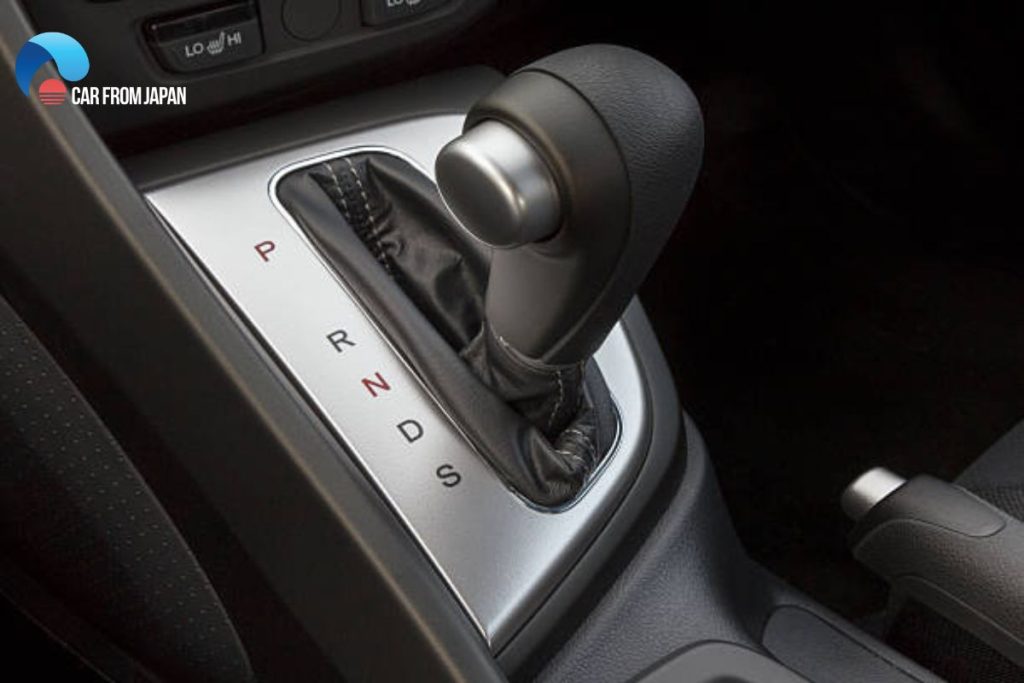
Credit: carfromjapan.com
Frequently Asked Questions
Why Can’t I Shift My Car Into Gear?
This issue often stems from a faulty clutch, low transmission fluid, or linkage problems. Check these components first. Addressing these causes promptly prevents further damage and ensures smooth gear shifts.
How Do I Fix A Car Stuck Out Of Gear?
First, check the clutch pedal and fluid levels. Inspect the gear linkage for damage or misalignment. If unsure, seek professional help to avoid worsening the problem.
Can Low Transmission Fluid Cause Gear Shifting Issues?
Yes, low transmission fluid can prevent smooth gear shifts. It lubricates and cools components, so low levels cause resistance and slipping. Regular fluid checks help maintain transmission health.
What Does A Grinding Noise Mean When Shifting Gears?
Grinding noises usually indicate worn clutch parts or damaged synchronizers. It can also result from low transmission fluid. Address these symptoms quickly to avoid costly repairs.
Conclusion
Getting a car stuck out of gear can feel frustrating. Small issues often cause this problem. Check the clutch, gear linkage, and fluid first. Fixing these parts usually solves the issue. Avoid forcing the gear to prevent damage. Regular maintenance keeps your car shifting smoothly.
Take your time and stay calm while troubleshooting. A little care helps avoid bigger problems later. Keep your car in good shape for safer drives.