

Can Your Car Get Towed With Emergency Brake On?. Have you ever wondered what happens if your car gets towed while the emergency brake is on? It’s a question that might not cross your mind until you find yourself in that exact situation.
Understanding this can save you from unexpected damage and costly repairs. You’ll discover what really happens to your car during a tow with the emergency brake engaged, why it matters, and how you can protect your vehicle. Keep reading to make sure you’re prepared and avoid common mistakes that could hurt your car.
How Emergency Brake Works
The emergency brake, also called the parking brake, plays a key role in vehicle safety. It holds the car still when parked. This brake works separately from the main brake system. Understanding how it works helps explain if a car can be towed with the brake on.
Purpose Of Emergency Brake
The emergency brake stops the car from moving when parked. It keeps the vehicle from rolling on slopes. Drivers use it as a backup if the main brakes fail. It also helps during sudden stops in emergencies. Its main job is to add safety and control.
Mechanism Behind The Brake
The emergency brake usually works by pulling a lever or pressing a pedal. This action tightens a cable linked to the rear brakes. The cable forces brake pads or shoes against the wheels. This pressure locks the wheels in place. Some cars use electronic systems instead of cables. The system works independently from the hydraulic brakes.
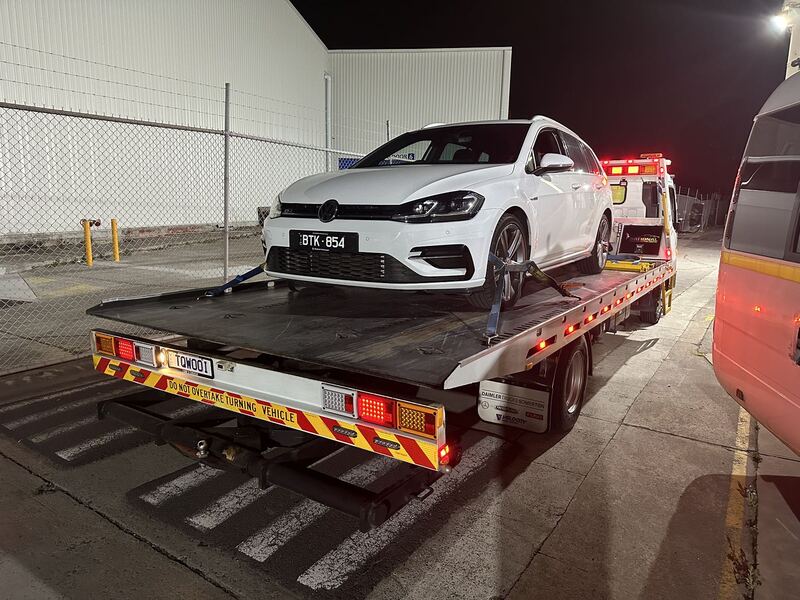
Credit: 247cartowing.com.au
Effects Of Towing With Emergency Brake Engaged
Towing a car with the emergency brake on can cause serious problems. The emergency brake locks the wheels, stopping them from moving. When you tow the vehicle, the locked brakes resist the motion. This resistance leads to damage in several parts of the car. Understanding these effects helps avoid costly repairs and unsafe situations.
Potential Damage To Brake System
The emergency brake uses brake pads or shoes to hold the wheels. Towing with it engaged causes friction and heat buildup. This heat can warp brake rotors and drums. Brake pads may wear out faster or get stuck. The brake cables and mechanisms might stretch or break. Repairing these parts often costs a lot and takes time.
Impact On Tires And Wheels
Locked brakes stop wheels from turning freely. Dragging the tires over the road surface creates wear and tear. Tires can develop flat spots or uneven tread damage. The wheels face extra stress from locked movement. This stress may cause cracks or bends, especially in alloy wheels. Tire and wheel damage reduce safety and increase replacement costs.
Risks To Transmission And Drivetrain
Towing a car with brakes locked puts strain on the drivetrain. The transmission may experience extra force from the stopped wheels. This force can cause slipping or damage to gears. Drive shafts and differentials also face unusual stress. Problems in these parts lead to poor driving performance and high repair bills. Avoid towing with the emergency brake engaged to protect these components.
Situations When Towing With Emergency Brake Is Possible
Towing a car with the emergency brake on is generally not advised. It can cause damage to the vehicle’s brake system or tires. Yet, certain situations allow towing with the emergency brake engaged. These cases depend on distance, equipment, and vehicle type.
Towing Short Distances
Moving a car a very short distance with the emergency brake on may be possible. For example, shifting a vehicle inside a parking lot or garage. The damage risk is low if the distance is minimal. Avoid towing long distances this way to prevent brake wear.
Using Proper Equipment
Special towing equipment can help tow a car with the emergency brake on safely. Tow dollies or flatbed trailers lift the wheels off the ground. This prevents the locked brakes from rubbing or overheating. Using the right gear protects the vehicle during the tow.
Vehicles With Specific Brake Systems
Some cars have brake systems designed to handle towing with the emergency brake engaged. For example, certain electric or hybrid vehicles may allow this. Always check the owner’s manual for towing guidelines. Following manufacturer advice avoids costly brake damage.
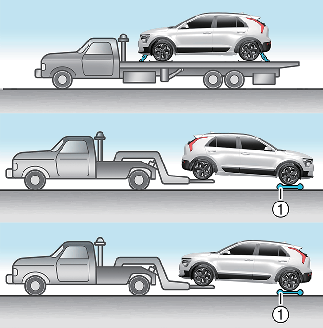
Credit: ownersmanual.kia.com
Precautions Before Towing A Vehicle
Towing a vehicle requires careful preparation to avoid damage. Checking certain aspects before towing helps keep your car safe. Follow key steps to ensure smooth and secure towing.
Checking Brake Status
Confirm if the emergency brake is fully released. Towing with the brake on can damage the braking system. Test the brake by gently pressing and releasing it. Look for any signs of sticking or dragging. Ensure the brake cables and pads are in good condition. This step prevents costly repairs after towing.
Consulting Vehicle Manual
Read the vehicle manual for specific towing instructions. Each car model has unique towing requirements. The manual explains if towing with emergency brake on is allowed. It also guides on proper gear selection and speed limits during towing. Follow these rules to avoid voiding warranties or causing damage.
Professional Towing Services
Choose trained towing professionals for best results. Experts understand how to handle different vehicles safely. They use proper equipment to avoid brake or transmission damage. Professional services reduce the risk of accidents during towing. Always hire a reliable towing company for peace of mind.
Alternatives To Towing With Emergency Brake On
Towing a car with the emergency brake on can cause serious damage. The brake locks the wheels, making it hard to move the vehicle safely. Choosing the right alternative can protect your car and avoid costly repairs. Below are some practical options to tow your car without risking harm.
Releasing The Brake Before Towing
The simplest way is to release the emergency brake before towing. This frees the wheels to turn smoothly. Make sure the car is in neutral gear. Check that the parking brake is fully disengaged. This prevents damage to the brake system and tires during towing. Always confirm with the vehicle’s manual for the correct procedure.
Using Flatbed Tow Trucks
Flatbed tow trucks carry the entire vehicle off the ground. This avoids any contact between the wheels and the road. The car stays secure and damage-free during transit. This method works well for cars with the emergency brake engaged. It is safer and reduces wear on brake components and tires.
Employing Wheel Dollies
Wheel dollies lift the car’s wheels off the ground. The dollies support the vehicle during towing. This option is useful if releasing the emergency brake is not possible. Dollies allow the wheels to spin freely without friction. They protect the brakes and tires from damage. Tow operators often use dollies for short distances or tricky situations.

Credit: www.reddit.com
Common Myths About Emergency Brake And Towing
Cars can be towed even if the emergency brake is on. The brake may cause damage during towing, so tow operators usually release it first. Many believe the emergency brake stops towing, but it only locks the wheels, not the entire car.
Understanding the nuances of your car’s emergency brake can be crucial, especially when it comes to towing. Many people hold misconceptions about how the emergency brake interacts with towing, leading to unnecessary worry or mishaps. Let’s unravel some of these common myths to give you peace of mind.
Brake Always Prevents Towing
Many believe that engaging the emergency brake makes your car untowable. This isn’t entirely true. While the brake can add resistance, modern tow trucks are equipped to handle vehicles with the brake on. Have you ever wondered how tow trucks manage to move vehicles parked illegally in tight spaces? They have specialized equipment to lift and tow cars safely, regardless of the brake being engaged. So, don’t rely solely on the emergency brake to prevent your car from being towed.
Towing Damages Only The Brake
A common myth is that towing a car with the emergency brake on will only damage the brake itself. In reality, the stress from towing can affect multiple components. The tires, axles, and even the transmission can suffer due to the added strain. If you’ve parked on a hill with your emergency brake engaged and your car gets towed, it’s not just the brake that might be at risk. Addressing potential damages early can save you from expensive repairs later.
Emergency Brake Equals Parking Brake
You might have heard people use the terms emergency brake and parking brake interchangeably. While they serve a similar purpose, they aren’t exactly the same. The emergency brake is a backup system for your regular brakes, primarily used in emergencies. On the other hand, the parking brake is designed to keep your car stationary when parked. Next time someone talks about these brakes, you’ll know there’s a subtle but important difference. Understanding this can help you make better decisions about when and how to use each brake. By debunking these myths, you’re better equipped to handle situations involving your car’s brakes and towing. Whether you’re parked on a hill or in a tight spot, knowing the facts can help you keep your vehicle safe and sound.
Frequently Asked Questions
Can A Car Be Towed With The Emergency Brake Engaged?
Yes, a car can be towed with the emergency brake on. However, it may cause damage to the brake system. It’s best to release the emergency brake before towing to avoid costly repairs and ensure safe towing.
What Happens If You Tow A Car With The Brake On?
Towing a car with the emergency brake engaged can cause brake pad and rotor damage. It may also strain the towing vehicle. This can lead to expensive repairs and unsafe towing conditions. Always release the emergency brake before towing.
Is It Safe To Tow A Car Using The Emergency Brake?
No, towing a car with the emergency brake on is unsafe. It puts stress on the braking components and towing equipment. This can lead to accidents or breakdowns. Always ensure the emergency brake is off before towing.
How Can Emergency Brakes Affect Towing A Vehicle?
Emergency brakes lock the rear wheels, preventing smooth movement. Towing with them engaged can damage brake parts and tires. It increases resistance and wear, making towing unsafe. Always disengage the emergency brake before towing.
Conclusion
Towing a car with the emergency brake on can cause serious damage. It puts extra strain on the braking system and tires. Always release the brake before towing to avoid costly repairs. Knowing this helps protect your vehicle and saves money.
Keep your car safe by following proper towing steps. Remember, simple care prevents big problems.