
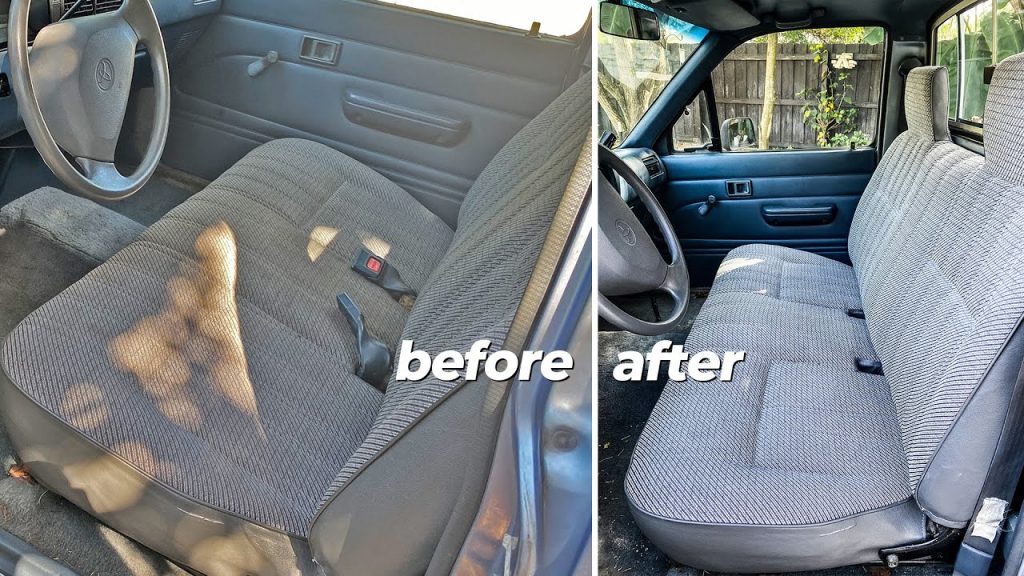
Have you ever looked at your car seat covers and wondered if there’s an easier way to clean them? If you’re tired of scrubbing away stains and dealing with lingering odors, you’re not alone.
You might be asking yourself, “Can I just toss these in the washing machine? ” It’s a tempting thought, isn’t it? Washing car seat covers at home could save you time and effort, but is it really that simple? Before you start unzipping those covers, it’s crucial to know if your washing machine is the solution or if it could lead to a laundry disaster.
Stick around as we uncover the secrets to keeping your car seat covers fresh and clean without the hassle. You’ll be surprised at how straightforward it can be once you know the right steps!

Car Seat Cover Materials
Car seat covers protect your seats from wear and dirt. They come in various materials. Each material has unique care instructions. Before washing, know what your covers are made of. This ensures they stay in good condition.
Common Fabric Types
Car seat covers are made from different fabrics. Common ones include polyester, neoprene, and leather. Polyester is durable and easy to clean. Neoprene is water-resistant and protects against spills. Leather adds a touch of luxury but requires special care. Knowing your fabric type helps in choosing the right washing method.
Impact On Washing Method
The fabric type affects how you wash the covers. Polyester can often be machine washed. Use a gentle cycle with mild detergent. Neoprene needs a more careful approach. Hand washing is usually recommended. Leather should not be machine washed. Instead, wipe it with a damp cloth.
Always check the care label first. It provides specific washing instructions. Following these steps keeps your covers looking new. This ensures a longer lifespan for your seat covers.
Reading Care Labels
Reading care labels is crucial before washing car seat covers. These labels provide essential information about cleaning methods. Understanding these labels ensures you don’t damage your covers. This section will guide you through deciphering symbols and manufacturer recommendations.
Deciphering Symbols
Care labels often use symbols to indicate washing instructions. A tub symbol means machine wash is safe. A hand symbol suggests hand washing only. Crossed-out symbols indicate restricted methods. Each symbol carries specific guidance. Look for dots inside the tub symbol. They represent water temperature settings. More dots mean higher temperatures. Fewer dots suggest cooler water. Understanding these symbols helps maintain your seat covers.
Manufacturer Recommendations
Manufacturers provide specific washing advice. They consider fabric types and stitching methods. Always read these recommendations carefully. They may suggest using gentle cycles. Some covers require mild detergents. Others may need air drying. Following these guidelines preserves fabric quality. It prevents fading and wear. It’s essential to adhere to these recommendations. Doing so extends the lifespan of your car seat covers.
Washing Machine Compatibility
Washing your car seat covers in a machine saves time and effort. But not all covers are suitable for machine washing. Understanding washing machine compatibility is crucial. It ensures your covers remain in good condition.
Machine Washable Covers
Some car seat covers are designed for machine washing. Check the label for washing instructions. Fabric type matters. Cotton and polyester blends often handle machine washing well. Leather or vinyl covers usually require hand cleaning. Ensure the covers fit in the machine. Overloading can cause ineffective washing.
Avoiding Damage
Protect your covers from potential damage during washing. Use gentle cycle settings. High-speed cycles can harm delicate materials. Opt for mild detergents. Harsh chemicals may fade colors or weaken fabric. Remove covers carefully after washing. Rough handling can stretch or tear them. Air drying is safer than using a dryer. Heat can shrink or warp the material.

Pre-wash Preparations
Washing car seat covers in the washing machine can be convenient. But before starting, some preparations are essential. Proper pre-wash steps ensure your covers come out clean and undamaged. These steps are simple but crucial.
Removing Loose Debris
First, remove any debris from the seat covers. Use a handheld vacuum or a soft brush. Focus on areas where dirt collects, such as seams and pockets. This prevents debris from clogging your washing machine.
Spot Cleaning Stains
Next, identify any stains on the covers. Apply a mild detergent or stain remover on the spots. Use a damp cloth to rub gently. Let the solution sit for a few minutes. This helps lift stubborn stains before machine washing.
Choosing The Right Detergent
When it comes to washing your car seat covers, choosing the right detergent can make all the difference. A good detergent will clean without damaging the fabric. But how do you know which one to pick? Let’s dive into some key considerations.
Gentle Vs. Regular Detergents
Not all detergents are created equal. Gentle detergents are designed for delicate fabrics and are less likely to cause fading or wear. These are often labeled as “delicate” or “hand wash.” If your car seat covers are made of sensitive materials or have vibrant colors, these might be your best bet.
Regular detergents are stronger and can tackle tough stains. However, they may be too harsh for certain fabrics. If your car seat covers are made from sturdy materials like canvas or denim, a regular detergent could be effective. Consider the fabric’s durability before choosing.
Avoiding Fabric Softeners
You might think fabric softeners are a good idea, but they can actually harm your car seat covers. Softening agents can leave residues that make fabrics less breathable and can attract dirt. They might also affect the fabric’s texture, making it less flexible.
Have you ever noticed your clothes feeling sticky after using too much softener? That same effect can happen to your seat covers. Stick to detergents and rinse thoroughly to keep your covers fresh and clean.
Now, think about your car seat covers. What kind of detergent would you trust to keep them looking new? It’s a decision worth pondering, as the right choice can extend the life of your covers, ensuring they stay clean and vibrant for years to come.
Machine Wash Process
Cleaning car seat covers can seem daunting. Yet, the machine wash process makes it simple. Many seat covers are machine-washable, saving time and effort. Knowing the right steps ensures they stay durable and clean.
Selecting The Proper Cycle
Choosing the right wash cycle is crucial. Look for a gentle cycle option. This reduces wear and tear on the fabric. A harsh cycle can damage the material and stitching. Always read the care label on your seat covers. It provides guidance on the best cycle for washing.
Ideal Water Temperature
The water temperature matters too. Cold water is often best for most seat covers. It helps prevent shrinking and color fading. Warm water might work for tougher stains. But, always consult the care instructions first. Hot water can cause irreversible damage. Keeping the temperature low maintains the seat covers’ quality.
Drying Car Seat Covers
Washing car seat covers in a machine is often possible, but check the label first. Use gentle cycles to prevent damage. Drying them properly ensures they remain in good condition.
Drying your car seat covers correctly is just as important as washing them. A misstep here could lead to shrinkage or damage. Whether you choose to air dry or machine dry, knowing the right approach can save you from having to replace them sooner than expected.
Air Drying Vs. Machine Drying
Air drying is often the safest route. It minimizes the risk of fabric shrinkage and damage. Lay the covers flat on a clean surface or hang them up to ensure even drying. Machine drying can be convenient, but it comes with risks. High heat settings could cause the covers to shrink or lose shape. If you must use a dryer, opt for the lowest heat setting and consider using a delicate cycle. Have you ever pulled out a shrunken piece of clothing from the dryer and felt that pang of regret? The same can happen with your car seat covers.
Preventing Shrinkage
To prevent shrinkage, always check the care label before drying. Some materials, like cotton, are more prone to shrinking than synthetics. Adjust your drying method based on these guidelines. Using a fabric softener sheet in the dryer may help keep the fabric pliable. However, it’s essential to avoid excessive heat at all costs. Consider this: do you really need to rush the drying process? Taking a little extra time to air dry might be worth it to maintain the original fit and feel of your seat covers. Your car seat covers are an investment in comfort and style. Treat them well, and they’ll serve you well in return.
Reinstalling Seat Covers
Washing car seat covers in the machine depends on the material. Check the care label for washing instructions. Some covers are machine-washable, while others require handwashing.
Reinstalling your freshly washed car seat covers can be a satisfying task. After all, you’ve invested time and effort to clean them. But, ensuring they look and function as they should is crucial. Let’s dive into how you can reinstall them smoothly, focusing on proper fit and securing fasteners.
Ensuring Proper Fit
When you place your seat covers back, the fit is everything. A poorly fitted cover can be uncomfortable and unattractive. Start by aligning the cover with the seat’s contours. Check the seams and edges to ensure they match the seat’s structure. This might sound simple, but it’s easy to overlook. Remember that a snug fit isn’t just about aesthetics. It prevents the cover from sliding, which can be a safety hazard. So, take your time to align and adjust each cover until it hugs the seat perfectly.
Securing Fasteners
Once the covers fit well, it’s time to secure them. Fasteners play a critical role in keeping your seat covers in place. They might include hooks, straps, or velcro. Make sure each fastener is tightly secured. Loose fasteners can lead to shifting covers, which can be annoying and potentially unsafe. As you fasten, consider your daily use. Will these fasteners hold up during your regular commute? Test them by sitting in the seat and moving around slightly. This can help you identify any areas that need extra securing. Have you ever found yourself frustrated by a loose cover during a long drive? Properly securing fasteners ensures you won’t have to deal with that. It’s a small effort for a big payoff in comfort and safety.
Maintenance Tips
Car seat covers protect your seats from wear and tear. Keeping them clean is essential for maintaining their appearance. Proper care also prolongs their lifespan. Following a regular cleaning schedule helps maintain freshness. Read on for effective maintenance tips.
Regular Cleaning Schedule
Set a routine for cleaning your car seat covers. Once a month is ideal for most users. Frequent cleaning prevents dirt buildup and stains. Check the covers for spills or crumbs weekly. Vacuum loose dirt before washing. This prevents scratches and damage in the washing machine.
Prolonging Cover Lifespan
Handle seat covers gently to extend their life. Wash them in cold water to avoid shrinking. Use mild detergent for cleaning. Avoid bleach and harsh chemicals. Air dry the covers after washing. Heat can damage or shrink the fabric. Rotate covers occasionally to ensure even wear. Proper care makes them last longer.
Frequently Asked Questions
Can You Wash A Car Seat Cover In A Washing Machine?
Yes, you can wash a car seat cover in a washing machine. Always check the care label first. Use a gentle cycle with cold water. Avoid using bleach or harsh detergents. Air dry to prevent shrinkage or damage.
Is It Okay To Wash A Car Cover In The Washing Machine?
Check the car cover’s label for washing instructions. Most machine-washable covers require a gentle cycle. Use mild detergent, avoid bleach, and air dry to prevent damage. Always follow the manufacturer’s guidelines for best results.
What Is The Best Way To Clean Car Seat Covers?
Vacuum the covers to remove dirt. Use a mild detergent and water solution to scrub gently. Rinse with clean water and let them air dry. Always check the manufacturer’s instructions for specific cleaning recommendations.
Are Seat Covers In A Washing Machine Safe?
Seat covers are generally safe in a washing machine if the material allows. Check the care label first. Use a gentle cycle and mild detergent to avoid damage. Air dry or use a low heat setting to maintain quality. Always follow manufacturer instructions for best results.
Conclusion
Washing car seat covers in the machine is often possible. Check the care label first. Some fabrics may need hand washing. Use gentle detergent for delicate materials. Avoid bleach to protect colors. Cold water helps maintain fabric quality. Air dry to prevent shrinking.
Machine drying can damage covers. Regular cleaning keeps your car interior fresh. Clean seat covers last longer and look better. Proper care saves time and money. Follow these tips for clean and safe seat covers. It’s simple to keep them in great condition.
Just remember to wash carefully and dry naturally.