

Are you thinking about storing your car in a storage unit but unsure if it’s the right choice? You’re not alone.
Many people wonder if storage units can keep their vehicles safe and protected. Whether you need extra space, are going on a long trip, or simply want to preserve a classic car, knowing the facts about car storage can save you time, money, and headaches.
Keep reading to discover what you need to consider before parking your car in a storage unit—and how to make sure it stays in top shape while stored.

Credit: www.throttlestop.com
Storage Unit Types For Cars
Choosing the right storage unit for your car can make a big difference in preserving its condition. Different types of storage units offer various benefits depending on your needs, budget, and climate. Understanding these options helps you protect your vehicle effectively over time.
Indoor Vs Outdoor Options
Indoor storage units provide complete shelter from weather elements like rain, snow, and sun. This protection reduces the risk of rust, paint damage, and interior fading. Many car owners find peace of mind knowing their vehicle is safe inside a locked, enclosed space.
Outdoor options are usually more affordable but expose your car to environmental factors. They are often just parking spaces with a gate or fence for security. If you plan to store a less valuable or durable vehicle, outdoor storage could be a practical choice.
Climate-controlled Units
Climate-controlled units maintain stable temperature and humidity levels, shielding your car from extreme heat, cold, and moisture. This is especially important if you live in areas with harsh winters or very hot summers. These units help prevent issues like mold, cracked dashboards, and battery drain.
Consider your car’s material and how long you plan to store it. Classic cars, luxury vehicles, and motorcycles benefit greatly from climate control. Ask the storage facility about temperature ranges and humidity control before renting.
Size Considerations
Choosing the right size unit ensures your car fits comfortably without damage. A unit too small can cause scratches or dings when parking, while a larger unit may cost more than necessary. Measure your vehicle’s length, width, and height before selecting a unit.
Also, think about extra space for storing accessories or maintenance tools. If you have a convertible with a hardtop or extra tires, you may want a slightly bigger unit. Would a little extra room improve your storage convenience?
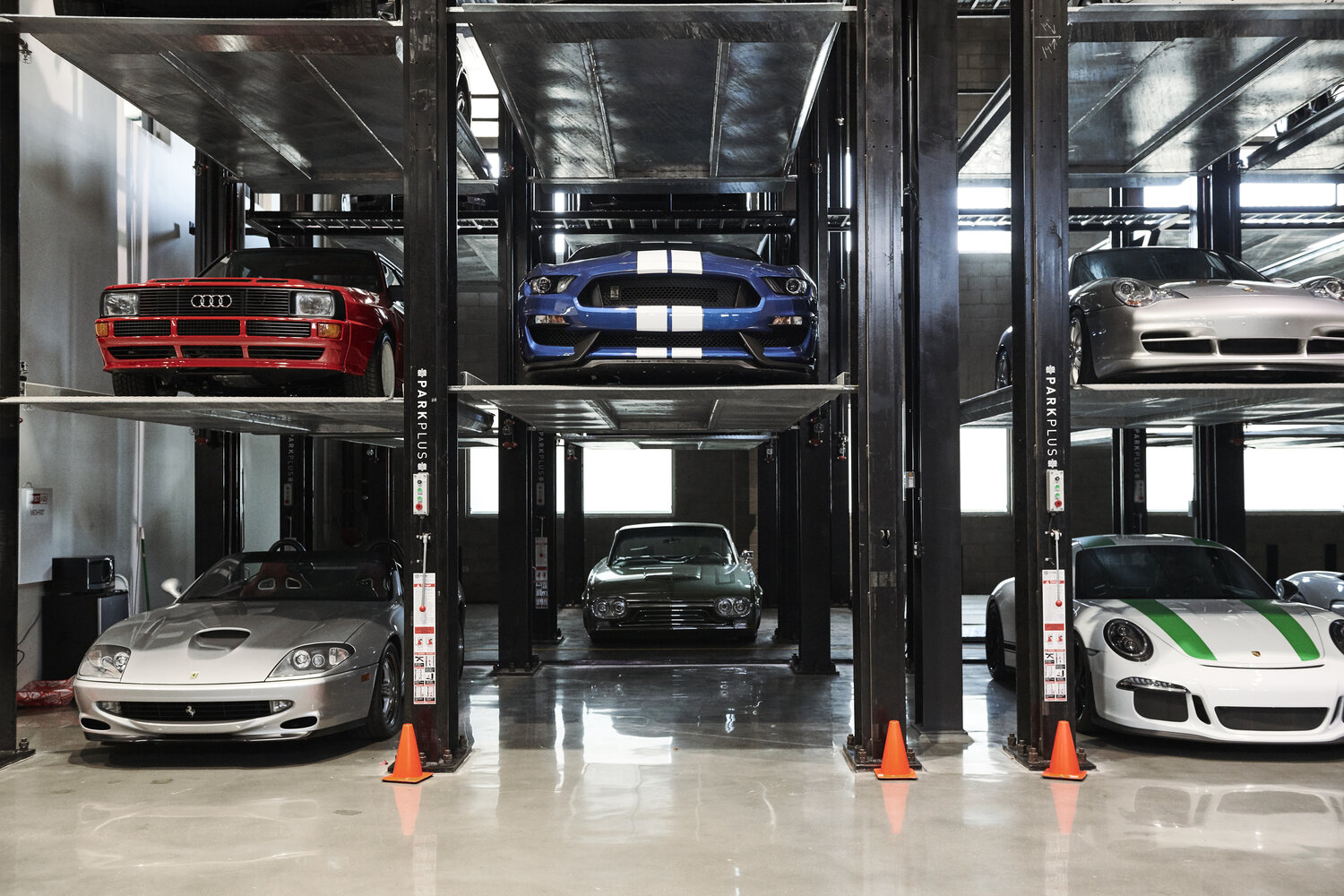
Credit: wccs.com
Preparing Your Car For Storage
Preparing your car properly before placing it in a storage unit can save you from costly repairs and frustration later. It’s not just about parking it and walking away; your vehicle needs special attention to stay in good shape during storage. Here’s how you can get your car ready for a long stay.
Cleaning And Maintenance
Start by giving your car a thorough wash and wax. Dirt and grime can cause paint damage if left for months. Don’t forget to clean the interior, removing trash and food crumbs that could attract pests.
Check under the hood for any leaks or worn parts. Changing the oil before storage prevents contaminants from damaging the engine. A clean car is less likely to develop rust or mold during storage.
Fluid Levels And Battery Care
Make sure all fluid levels are topped off, including coolant, brake fluid, and windshield washer fluid. Low fluids can cause corrosion or freeze in cold weather. Adding a fuel stabilizer to a full tank prevents the fuel from breaking down and gumming up the engine.
Disconnect the battery or use a battery maintainer to keep it from dying. A dead battery can leave you stranded once you take the car out of storage. Think about how frustrating it would be to find your battery dead after months of waiting.
Tire And Brake Checks
Inflate the tires to the recommended pressure to avoid flat spots. If the car will sit for longer than a few months, consider placing it on jack stands to take the weight off the tires and suspension. Flat tires can lead to costly replacements.
Check the brakes and consider applying the parking brake lightly or using wheel chocks. Leaving the parking brake engaged for a long time can cause the brake pads to stick to the rotors. Have you ever tried releasing a stuck brake after storage? It’s not fun.
Security Measures For Stored Cars
Secure storage units often have surveillance cameras and gated access to protect stored cars. Regular checks and proper car preparation also help keep vehicles safe during storage.
Storing your car in a storage unit can be a smart solution for those looking to save space at home or protect their vehicle from harsh weather conditions. However, the safety of your car is paramount. Ensuring robust security measures will give you peace of mind knowing that your vehicle is well-protected. Let’s explore the key security aspects you should consider.
Unit Locks And Alarms
The first line of defense for your stored car is a solid lock. Choose a high-quality lock that is resistant to bolt cutters and other tools. Many facilities offer units with built-in alarms, adding an extra layer of security. An alarm system can deter potential thieves by alerting the facility management to any unauthorized access attempts. Have you ever wondered how a small device can keep your car safe? It’s worth investing in one!
Facility Surveillance
Does the facility have 24/7 surveillance? This is a critical question to ask. Security cameras not only monitor activity but also serve as a deterrent to criminal behavior. When choosing a storage unit, ensure the facility has a comprehensive surveillance system in place. A quick chat with the facility manager can provide insights into the effectiveness of their surveillance measures.
Insurance Options
Even with the best security measures, it’s wise to have insurance for your stored car. Many storage facilities offer insurance options to cover potential damages or theft. Review the policies available and choose one that provides adequate coverage. Have you checked your current auto insurance? Sometimes, your existing policy might already cover your car while in storage, saving you an extra expense. Taking these steps will help ensure that your car remains safe and sound while tucked away in a storage unit. By focusing on these security measures, you can store your vehicle with confidence, knowing it’s well-protected.
Access And Usage Tips
Storing a car in a storage unit requires planning for access and proper usage. Knowing how often you can reach your vehicle and what to do during storage helps keep the car safe. Understanding legal rules ensures you avoid fines or penalties. These tips help you manage your stored car smoothly.
Frequency Of Access
Decide how often you need to visit your car. Some storage facilities allow 24/7 access. Others have limited hours or require appointments. Frequent visits help check the car’s condition and prevent battery drain. Plan visits to inspect tires, fluids, and possible damage.
Driving The Car During Storage
Start and drive the car occasionally to keep the engine healthy. Moving the car prevents flat spots on tires and keeps parts lubricated. Aim to drive the car at least once a month. If driving is impossible, use a trickle charger to maintain the battery.
Legal And Registration Requirements
Keep your car registration active even while stored. Some states require insurance and registration for stored vehicles. Inform your insurance company about long-term storage for proper coverage. Check local laws to avoid fines or towing due to expired paperwork.
Cost And Rental Agreements
Storing a car in a storage unit involves understanding the costs and rental agreements clearly. The price varies based on several factors. Rental terms also affect how long you can keep your car stored. Knowing about extra fees helps avoid surprises later.
Pricing Factors
Several elements affect storage unit prices for cars:
- Size of the unit: Larger units cost more.
- Location: Units in busy areas often have higher prices.
- Climate control: Units with temperature control charge extra.
- Duration: Longer rentals may get discounts.
- Security features: Units with cameras or alarms can be pricier.
Lease Terms
Lease agreements vary between storage facilities. Some offer month-to-month leases. Others require longer commitments like six months or a year. Early termination fees may apply if you leave early. Always check the lease length before signing. Make sure you understand the rules about access times and maintenance.
Additional Fees
Extra charges can add up. Watch for these common fees:
- Deposit fees to hold the unit.
- Late payment penalties.
- Insurance costs to protect your vehicle.
- Admin fees for paperwork.
- Charges for extra keys or access cards.
Review the rental agreement carefully to spot all possible fees.

Credit: www.extraspace.com
Common Challenges And Solutions
Storing cars in storage units comes with some common challenges. These issues can affect your vehicle’s condition over time. Knowing the problems and their solutions helps keep your car safe and ready to use.
Pest Prevention
Pests like rodents can damage your car’s wiring and interior. They look for shelter and food inside storage units. To prevent this, keep the area clean and free of trash. Use rodent repellents or traps around the unit. Seal any holes or cracks that allow pests inside. Regularly check the car and storage space for signs of pests.
Moisture And Rust Issues
Moisture causes rust and damage to your car’s metal parts. Storage units may have humidity or leaks that increase moisture levels. Use a dehumidifier or moisture absorbers inside the unit. Cover your car with a breathable car cover to protect it. Avoid storing your vehicle on damp ground. Check for leaks and fix them quickly.
Long-term Storage Tips
Long-term storage needs careful preparation. Fill the gas tank to prevent moisture buildup inside the tank. Change the oil and fluids before storing. Disconnect the battery to avoid drainage. Inflate tires to the correct pressure to stop flat spots. Start the car and let it run for a few minutes every few weeks. Keep a checklist to track maintenance tasks during storage.
Frequently Asked Questions
Can Cars Be Stored In Regular Storage Units?
Yes, many storage facilities allow cars in regular units. However, size and access restrictions apply. Confirm with the facility before storing.
What Precautions Should I Take Before Storing My Car?
Clean your car, top off fluids, disconnect the battery, and inflate tires. Use a breathable car cover to protect the paint.
Are Climate-controlled Storage Units Good For Cars?
Climate-controlled units protect cars from humidity, temperature extremes, and dust. They help prevent rust and interior damage, ideal for long-term storage.
How Long Can Cars Be Stored In Storage Units?
Cars can be stored for months or years, depending on maintenance. Check facility policies and ensure periodic vehicle checks to avoid issues.
Conclusion
Storing cars in storage units can be a smart choice. Choose a unit with enough space and good security. Keep the car clean and protect it from dust. Check the storage rules before you park inside. Regularly start and move the car to avoid damage.
This way, your vehicle stays safe and ready to use. Car storage needs some care but is worth it. Simple steps help keep your car in good shape. Consider your options and pick the best storage for your needs.