
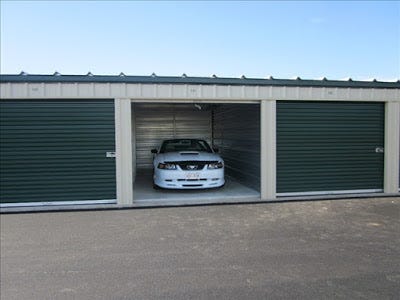
Have you ever wondered if you can store your car in a storage unit? Whether you need extra space, are going on a long trip, or just want to protect your vehicle, finding the right place to keep your car is crucial.
But is a storage unit the best option? Before you make a decision, you need to know what’s allowed, what to expect, and how to prepare your car for storage. Keep reading to discover everything you need to know about storing your car safely and smartly in a storage unit.
Your vehicle’s safety depends on it.

Credit: www.devonselfstorage.com
Choosing The Right Storage Unit
Choosing the right storage unit for your car can make all the difference in preserving its condition. It’s not just about finding any space; it’s about finding the space that fits your car’s specific needs. Think about what matters most to you—space, climate, or security—and use that as your guide.
Size Considerations
Your car needs enough room to fit comfortably without being cramped. Measure your vehicle’s length, width, and height before you start looking. Remember to add extra space for opening doors and walking around the car safely.
Think about whether you’ll need additional space for storing car care items or tools. A unit that’s too small can lead to scratches or dents, while a unit that’s too large might cost more than necessary. Choose a size that balances protection and cost.
Climate Control Benefits
Climate control isn’t just a luxury—it can be crucial for protecting your car’s interior and engine. If you live in an area with extreme temperatures or high humidity, this feature can prevent damage like cracked dashboards or rust.
Imagine your car sitting in a unit that stays cool in summer and warm in winter. This consistent environment helps maintain your car’s paint and mechanical parts. Ask the storage facility about their temperature range and humidity control to ensure your car stays in top shape.
Security Features To Look For
Security is one of the most important factors when storing a car. Look for units with gated access, surveillance cameras, and on-site staff. These features reduce the risk of theft and vandalism.
Some facilities offer individual alarms or keypad entry for extra peace of mind. Don’t hesitate to ask about their security measures and how they protect stored vehicles. After all, you want your car to be as safe as it is at home.
Preparing Your Car For Storage
Preparing your car for storage is essential to protect it from damage and keep it in good condition while it’s not in use. You want to avoid issues like rust, battery drain, and tire flat spots. Taking a few careful steps before storing your car can save you time and money later.
Cleaning And Maintenance
Start by giving your car a thorough wash and wax. Dirt and grime can eat away at the paint and cause rust, especially if the car will sit for months. Inside, vacuum the carpets and seats to prevent mold and unpleasant odors.
Don’t forget to check for any needed repairs. Fix small scratches or leaks before storage to avoid bigger problems. Leaving your car clean and well-maintained sets a strong foundation for long-term storage.
Fluid Checks And Tire Care
Check all your car fluids — oil, coolant, brake fluid, and windshield washer fluid. Old or dirty fluids can cause corrosion or damage if left unattended. Consider changing the oil if your car will be stored for more than a few months.
Tires can develop flat spots if the car sits too long without moving. Inflate your tires to the recommended pressure and, if possible, move the car slightly every couple of weeks. You might also place the car on jack stands to relieve tire pressure entirely.
Battery And Fuel Tank Tips
A dead battery is one of the most common issues with stored cars. Disconnect the battery or use a trickle charger to keep it healthy. This avoids the frustration of a car that won’t start when you need it again.
Fill your fuel tank to prevent moisture buildup inside the tank. Adding a fuel stabilizer can keep the gasoline fresh and protect your engine. Have you ever faced problems with stale fuel after storage? Taking this step can save you that hassle.
Storage Unit Rules And Regulations
Storing a car in a storage unit depends on the facility’s rules and local laws. Many units allow vehicles but require insurance and no leaks. Always check specific regulations before parking your car inside.
Storing a car in a storage unit can be a great solution for those who need extra space. However, it’s essential to understand the rules and regulations to ensure a smooth experience. Each storage facility may have its own set of guidelines, so knowing what to expect can save you from potential headaches.Permitted Vehicle Types
Not all vehicles are allowed in storage units. Typically, you can store standard cars, motorcycles, and sometimes small boats or recreational vehicles. However, it’s crucial to check with the facility about any restrictions on size or type. Imagine driving your classic car into a storage unit only to find out it’s too large. Always confirm the unit’s dimensions and any specific limitations before you make a decision.Insurance Requirements
Insurance is often a critical requirement when storing your vehicle. Many storage facilities require proof of insurance to protect against potential damages or theft. Consider reaching out to your insurance provider to ensure your policy covers storage situations. An unexpected event could lead to significant financial loss if you’re not adequately covered.Access And Usage Policies
Understanding access and usage policies is vital. Most storage units allow 24/7 access, but some may have restricted hours. Think about how often you might need to access your vehicle. Will limited access hours affect your plans? Make sure the facility’s policies align with your needs. Always review the rules and regulations thoroughly. Doing so will help you avoid surprises and ensure your car is stored safely and legally. Have you ever faced unexpected restrictions with a storage unit? It’s better to ask questions upfront than to face issues later.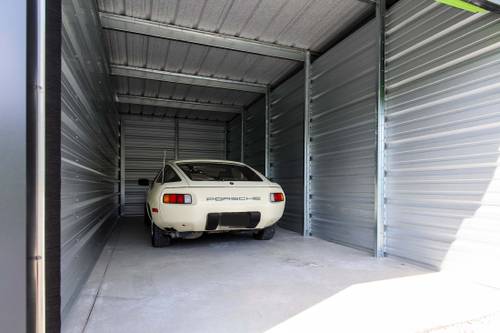
Credit: www.neststorage.ca
Protecting Your Car During Storage
Protecting your car during storage is crucial to keep it in top condition and avoid costly repairs later. A storage unit can shield your vehicle from weather and theft, but you need to take extra steps to maintain its health. Simple actions like covering your car, preventing pests, and regular checkups can save you from unexpected problems.
Using Car Covers
A good car cover acts like a shield against dust, moisture, and scratches. Choose a cover made specifically for your car’s size to ensure a snug fit. Breathable materials help prevent mold and rust by allowing moisture to escape.
Think about how a dusty garage floor can settle on your car’s paint. A cover stops that buildup and keeps your car looking fresh. Even if your storage unit is indoors, a cover adds an extra layer of protection against accidental bumps and debris.
Preventing Pest Damage
Rodents and insects can cause serious damage by chewing wires or nesting in your car. To keep pests away, block any openings around doors and windows of the storage unit. You can also use natural repellents like peppermint oil or mothballs near your car.
Don’t leave food crumbs or trash inside the car—that’s an open invitation for pests. Regularly inspect your storage space for signs of rodents or insects. Protecting your car from pests is easier than fixing the damage they cause.
Regular Checkups And Maintenance
Even if your car is just sitting, it needs attention. Start the engine and let it run for about 10 minutes every two weeks to keep the battery charged and fluids circulating. Check tire pressure monthly to avoid flat spots from prolonged pressure.
Keep an eye on fluid levels like oil, coolant, and brake fluid before storing and during checkups. Small maintenance tasks prevent bigger problems when you’re ready to drive again. How often you check depends on your storage duration, but don’t let months pass without a look.
Common Mistakes To Avoid
Storing a car in a storage unit might seem straightforward, but many people stumble over avoidable mistakes. These errors can lead to damage, unexpected costs, or even voided insurance claims. Knowing what to watch out for can save you time, money, and stress.
Ignoring Storage Unit Conditions
Not all storage units are created equal. Some have poor ventilation, extreme temperature changes, or high humidity, which can harm your car’s interior and engine.
Think about how moisture can cause rust or mold inside your vehicle. Have you checked if the unit offers climate control? Skipping this step might cost you more in repairs than the storage fee.
Skipping Vehicle Preparation
Many forget to prepare their car before storing it, assuming it can just sit idle. This leads to problems like dead batteries, tire flat spots, and fuel degradation.
Take time to fill the gas tank, inflate tires properly, and disconnect the battery. Small actions like covering your car with a breathable cover can prevent dust and scratches. Have you ever had to deal with a flat tire after storage? Avoid that hassle by prepping your car thoroughly.
Neglecting Insurance Coverage
Assuming your regular car insurance covers damage in storage is a big risk. Most policies don’t cover vehicles kept in storage units or impose strict conditions.
Check your policy details or consider adding storage insurance. What would happen if your car got damaged or stolen while stored? Ensuring the right coverage protects your investment and gives peace of mind.

Credit: steinbachonline.com
Frequently Asked Questions
Can You Store Any Car In A Storage Unit?
Yes, most storage units can accommodate cars. However, check size restrictions and unit policies before storing your vehicle.
How To Prepare A Car For Storage Unit Parking?
Clean your car, top off fluids, disconnect the battery, and inflate tires before storing it in a storage unit.
Is Indoor Or Outdoor Storage Better For Cars?
Indoor storage protects your car from weather, dirt, and theft better than outdoor options, making it ideal for long-term storage.
Can You Store A Car In A Climate-controlled Unit?
Yes, climate-controlled units help maintain stable temperature and humidity, preventing damage to your car during long storage periods.
Conclusion
Storing a car in a storage unit can be a smart choice. It protects the vehicle from weather and theft. Choosing the right unit matters a lot. Make sure it has enough space and good security. Clean the car well before storing it.
Check the storage rules about vehicles. Regularly visit the unit to keep an eye on your car. Taking these steps helps keep your car safe and ready to drive when needed. Simple care makes a big difference in car storage success.