

Are you wondering if you can store your car in a self storage unit? Maybe you have a classic car that you want to protect, or perhaps you need a safe place for your vehicle during a move or renovation.
Storing a car isn’t as simple as parking it in a garage—you need to know the rules, the costs, and how to keep your car safe while it’s out of use. You’ll discover everything you need to know about storing your car in a self storage unit, so you can make the best decision for your vehicle and peace of mind.
Keep reading—your car’s future depends on it.
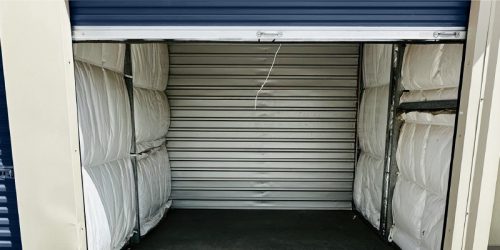
Credit: www.louthselfstorage.co.uk
Self Storage For Cars
Storing a car in a self storage unit offers a practical solution for many vehicle owners. Whether you need short-term space during a move or long-term storage for a classic car, self storage units provide secure options. These units protect vehicles from weather, theft, and damage. Understanding the types of storage and size needs helps you choose the best fit for your car.
Types Of Storage Units
Self storage units vary in design and features. Common types include:
- Climate-Controlled Units:Maintain consistent temperature and humidity. Ideal for classic or luxury cars.
- Standard Indoor Units:Protect vehicles from rain and sun but lack temperature control.
- Outdoor Storage:Open spaces or fenced lots. Less protection but usually more affordable.
Indoor Vs Outdoor Storage
Indoor storage offers better protection against weather and pests. It reduces risks of rust and paint damage. Outdoor storage exposes cars to elements like sun, rain, and dust. Many choose indoor units for valuable or rare vehicles. Outdoor options suit daily drivers or temporary storage needs.
Size Requirements
Choosing the correct unit size is crucial. Most cars need units at least 10×20 feet. Larger vehicles like trucks or SUVs require bigger spaces. Measure your car’s length, width, and height. Allow extra room to open doors and move around. Some facilities offer drive-up access for easy parking.
Preparing Your Car
Getting your car ready for storage is more than just parking it inside a unit. You want to ensure it stays in good shape, avoiding damage or costly repairs when you take it out again. Proper preparation can save you headaches and keep your vehicle looking and running like new.
Cleaning And Maintenance
Start by giving your car a thorough wash and wax. Dirt and grime can eat away at the paint and cause rust over time. Cleaning the interior is just as important—remove any food crumbs or trash that might attract pests.
Think about where you store your car. A clean car in a dirty storage unit won’t stay spotless for long. Taking the time to clean now means less work when you return.
Fluid Checks And Battery Care
Check all your fluid levels before storing your car: oil, coolant, brake fluid, and windshield washer fluid. Top them off to avoid corrosion or damage. Old or dirty oil can cause engine problems if left sitting too long.
Battery care is crucial. Disconnect the battery or use a trickle charger to keep it from dying. A dead battery is a common frustration after storage, and replacing it can be an unexpected expense.
Tire And Brake Tips
Inflate your tires to the recommended pressure to prevent flat spots. Flat tires can happen when a car sits stationary, leading to uneven wear or damage. If possible, move the car occasionally to change the tire position.
Don’t forget the brakes. Avoid setting the parking brake for long periods, as it can cause the pads to stick. Instead, use wheel chocks to keep the car from rolling and protect your brake system.
Storage Unit Features
Storing a car in a self storage unit depends on the unit’s size and access rules. Many units allow vehicles, but check for ventilation and security features first. Some units offer indoor parking designed specifically for cars.
Storing a car in a self-storage unit offers many advantages. These units provide a safe place for your vehicle. They come with features that ensure your car remains in top condition. Let’s explore some key features of these storage units.Climate Control Benefits
Climate control keeps your car safe from extreme temperatures. This feature protects your car’s paint and interior. It prevents rust and damage to metal parts. Such units maintain a steady temperature and humidity level. Your car remains in a stable environment, reducing wear and tear.Security Measures
Safety is crucial when storing your car. Storage units offer robust security measures. They have surveillance cameras monitoring the area. Access to these units is often controlled with secure entry codes. Some facilities have on-site staff for added security. Your car remains protected from theft and vandalism.Access Hours
Access hours are important for your convenience. Many storage facilities offer flexible access times. You can visit your car outside traditional business hours. This flexibility ensures you can check on your vehicle anytime. Check the facility’s access policy before renting a unit.
Credit: www.storwell.com
Legal And Insurance Factors
Storing a car in a self storage unit involves legal and insurance factors. Understanding these rules protects your vehicle and ensures smooth storage. Knowing what the storage facility allows and your insurance options helps avoid surprises. Also, keeping your car’s registration and licensing updated is crucial.
Storage Facility Policies
Each storage facility has its own rules about storing vehicles. Some allow only indoor units, while others permit outdoor parking. Facilities may restrict the type of vehicles stored, like no boats or motorcycles. Always check if the facility requires a special agreement for car storage. Know the hours you can access your car and any security measures in place.
Insurance Coverage Options
Most storage facilities do not insure stored vehicles. Your personal auto insurance may not cover damage inside a storage unit. Look for specific storage or comprehensive insurance policies. These policies cover theft, fire, and weather damage. Compare coverage options and costs before storing your car. Keep proof of insurance handy for the facility’s records.
Registration And Licensing
Your car must have valid registration to be stored legally. Some states require active license plates even when the car is not driven. Check local laws about storing unregistered vehicles. Renew your registration before placing the car in storage. Keep a copy of the registration inside the vehicle or with your storage contract.
Common Challenges
Storing a car in a self storage unit can be helpful but comes with challenges. These challenges affect the car’s condition and your peace of mind. Knowing common issues helps you prepare better.
Humidity And Rust Prevention
High humidity inside storage units causes metal parts to rust. Moisture can build up on the car’s surface and under the hood. This damages paint and important components.
Using a dehumidifier or moisture absorbers helps keep the air dry. Covering the car with a breathable car cover also protects it. Proper ventilation in the unit reduces humidity risks.
Rodent And Pest Control
Rodents and pests often seek shelter in storage units. They can chew wires, hoses, and upholstery in your car. This causes costly repairs and safety issues.
Seal any openings around the unit to block pests. Use traps or repellents to keep animals away. Regularly inspect the car and unit for signs of infestation.
Long-term Storage Concerns
Long-term storage needs special care for the car’s battery, tires, and fluids. Batteries can lose charge and die if unused for months. Tires may develop flat spots from sitting too long.
Disconnect the battery or use a trickle charger for power. Inflate tires to the correct pressure and move the car occasionally. Change fluids before storage to prevent breakdown and corrosion.
Cost Considerations
Storing a car in a self storage unit comes with several cost factors you need to weigh before making a decision. Understanding these costs helps you avoid surprises and plan better. Let’s break down the key expenses involved so you can decide if this option fits your budget.
Pricing Differences
Storage unit prices vary widely depending on location, unit size, and facility type. Outdoor spaces tend to be cheaper but offer less protection. Enclosed, climate-controlled units cost more but keep your car in better condition.
For example, a basic outdoor parking spot might cost $50 per month, while a climate-controlled 10×20 unit could run $150 or more. Ask yourself: Is the extra protection worth the higher price for your specific vehicle?
Additional Fees
Beyond the base rental fee, some facilities add charges you might not expect. These can include administrative fees, insurance costs, and access charges if you need after-hours entry.
Insurance is crucial. If your car isn’t fully covered under your personal policy while in storage, you might need to buy extra coverage through the facility. Also, some places require a security deposit, which adds to your upfront cost.
Budgeting Tips
- Shop around and compare prices from several storage facilities.
- Check if monthly rates drop with longer rental commitments.
- Factor in insurance and any extra fees to get the real monthly cost.
- Consider your car’s value and how much protection you need to avoid overspending.
Think about how long you’ll store the car. Would renting for six months with a discount save you more than paying month-to-month? Planning ahead can save you money and stress.
Alternative Storage Options
Looking beyond traditional self storage units opens up several practical ways to keep your car safe and protected. Each alternative has its own set of benefits depending on your budget, location, and how long you plan to store your vehicle. Let’s dive into options that might fit your needs better than a generic storage unit.
Garage Rental
Renting a garage space can offer more security and protection from the elements than a standard storage unit. Many cities have private garages available for rent, often at reasonable monthly rates. You get the benefit of a dedicated, enclosed space where your car is shielded from sun, rain, and dust.
Think about how convenient it is to access your car anytime without worrying about strict storage facility hours. Some garages even come with electrical outlets, allowing you to keep your battery charged or maintain your vehicle easily. Have you checked local listings or apps for garage rentals near you? It could be a simple solution.
Car Covers And Outdoor Solutions
If indoor options are limited or too expensive, investing in a high-quality car cover can be an effective alternative. A good cover protects your car from dirt, bird droppings, UV rays, and light rain. While it won’t offer the same security as an enclosed space, it’s a low-cost option that’s easy to set up.
Consider combining a durable cover with a secure outdoor parking spot, like a driveway or a locked gate area. You might want to look for covers with weatherproof and breathable materials to avoid moisture buildup. How much protection do you really need based on your local climate and environment?
Specialty Car Storage Facilities
Specialty facilities cater specifically to car storage and can be perfect if you own a classic, luxury, or collectible vehicle. These places offer climate control, enhanced security, and sometimes even maintenance services. The environment inside these units minimizes risks of rust, fading, and mechanical issues.
Many owners appreciate the extra peace of mind that comes with professional care tailored to cars. If you’re storing a vehicle long-term, asking about insurance options at these facilities can be worthwhile. Would your car benefit from this level of care, or is a simpler option enough?

Credit: www.devonselfstorage.com
Frequently Asked Questions
Can You Store A Car In A Self Storage Unit?
Yes, many self storage facilities allow car storage. Make sure the unit is large enough and climate-controlled for protection.
What Size Storage Unit Fits A Car Best?
A 10×20 or larger unit typically fits most cars. This size provides enough space for doors to open safely.
Are Self Storage Units Safe For Long-term Car Storage?
Self storage units offer security measures like surveillance and access control. However, check for climate control to prevent damage.
Can You Store A Car Without Insurance In Storage?
Most storage facilities require you to maintain insurance on your car. Confirm coverage requirements before storing your vehicle.
Conclusion
Storing a car in a self storage unit can be practical and safe. Choose the right unit size and location for your vehicle. Keep your car clean and maintain its battery and fluids. Use a good cover to protect it from dust and scratches.
Check the storage rules before you park. With proper care, your car stays in good shape. This option helps save space and keeps your vehicle secure. Consider all tips to make smart storage decisions.