
Have you ever wondered if you can start a manual car in second gear? Maybe you’ve heard it’s possible, but you’re not sure if it’s safe or smart.
You might be curious about what happens to your car or if it can cause damage. Understanding this simple but important question can save you trouble on the road and help you drive with more confidence. Keep reading to discover the truth about starting your manual car in second gear and what you really need to know before you try it.
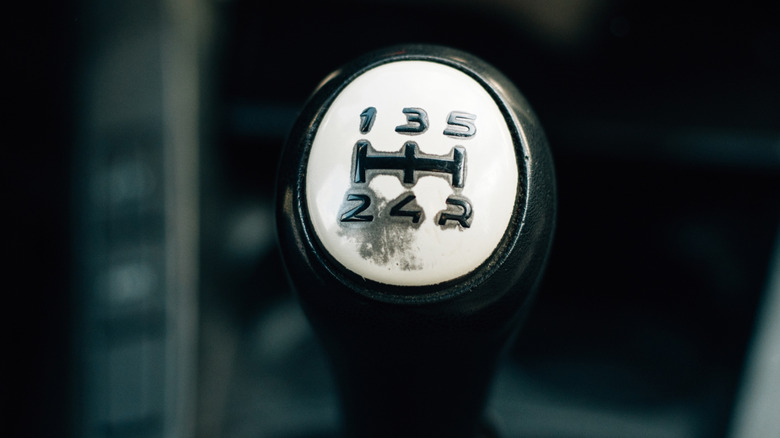
Credit: www.slashgear.com
Starting In Second Gear
Starting a manual car in second gear is a technique some drivers use, especially on slippery surfaces or to reduce wheel spin. It’s not the most common approach, but it can be useful in certain situations. Understanding how this choice affects your car’s mechanics helps you decide when it’s appropriate to try.
How It Affects The Clutch
Using second gear to start puts more strain on the clutch than starting in first gear. The clutch has to work harder to engage smoothly since second gear requires more torque to move the car from a stop.
This can cause the clutch to slip for longer periods, leading to faster wear. If you’ve ever felt your clutch burning or noticed a smell after starting in second gear, that’s why.
Are you willing to trade a bit of clutch life for smoother starts on tricky roads? If yes, then this method might be worth practicing carefully.
Impact On Engine And Transmission
Starting in second gear demands higher engine power at low speeds. This can cause the engine to struggle or even stall if you don’t give it enough gas.
The transmission also experiences increased load because it’s not designed for initial movement at this gear. Over time, this can lead to premature wear or damage.
Think about whether your car’s engine is powerful enough to handle starting in second gear without stalling. If it’s an older or smaller engine, you might face more issues than benefits.
Situations To Consider
Starting a manual car in second gear can be tricky. It is not the usual way but might help in certain situations. Knowing when it can work is important for safety and control. Consider the road and car conditions before trying this method.
When Starting On Slopes
Starting on a hill requires extra care. Using second gear can reduce wheel spin on steep slopes. It helps to move the car smoothly without sudden jerks. Always use the handbrake to prevent the car from rolling backward. Release the handbrake slowly while pressing the gas gently. This technique keeps the car stable and prevents stalling.
Handling Slippery Roads
Slippery roads need gentle control of power and traction. Starting in second gear lowers the torque sent to the wheels. This reduces the chance of slipping on ice or wet surfaces. Keep the accelerator light and steady to maintain grip. Sudden movements can cause loss of control. Using second gear here improves safety and smoothness.
Risks And Drawbacks
Starting a manual car in second gear might seem like a convenient shortcut, but it comes with several risks and drawbacks that can affect your driving experience and your vehicle’s health. Understanding these potential issues can help you make safer choices behind the wheel.
Potential For Stalling
When you try to start a car in second gear, the engine struggles to generate enough torque to move the vehicle smoothly. This often causes the engine to stall, especially if you’re on an incline or if the clutch isn’t engaged properly.
Stalling not only interrupts your drive but can also be frustrating in traffic situations. Have you ever been caught off guard by a sudden stall at a busy intersection? It can be embarrassing and even dangerous.
Increased Wear And Tear
Starting in second gear puts extra strain on your clutch and transmission. The clutch has to work harder to prevent the engine from stalling, which leads to faster wear.
Over time, this can result in costly repairs or the need for premature replacement of parts. If you want your car to last longer and avoid unexpected expenses, sticking to first gear for starts is a wiser choice.

Credit: www.caranddriver.com
Expert Tips For Smooth Starts
Smooth starts in a manual car depend on careful control and timing. Starting in second gear can be tricky without the right skills. Focus on clutch and throttle use to avoid stalling or jerking. Here are expert tips to help make your starts smooth and steady.
Proper Clutch Control
Press the clutch fully before shifting to second gear. Slowly lift the clutch pedal to find the biting point. This is where the car begins to move gently. Avoid releasing the clutch too fast to prevent stalling. Practice smooth and steady clutch release to keep control. Use small, gradual movements for better feel and balance.
Throttle Management
Apply light and steady pressure on the gas pedal. Avoid pressing the throttle too hard at the start. Gentle acceleration helps the car move without jerking. Match the throttle with clutch release for a smooth start. Keep the engine speed steady to avoid sudden changes. Practice balancing clutch and throttle to improve your start every time.
Alternatives To Starting In Second Gear
Starting a manual car in second gear might be tempting, especially if you’re looking for a smoother take-off or trying to save time. However, it’s not always the best practice. There are several alternatives that can provide a safer and more effective way to get your car moving. Let’s explore these options to ensure you’re using your manual transmission to its fullest potential.
Using First Gear Correctly
First gear is designed to give your car the torque it needs to start moving from a complete stop. Make sure your foot is firmly on the clutch before shifting into first gear. Gradually release the clutch while gently applying the accelerator. This helps in avoiding stalling and provides a smoother start.
Many drivers underestimate the power of first gear. It’s not just about getting moving; it’s about gaining control and confidence in your driving. Have you ever noticed how much smoother your starts are when you take your time with first gear?
Hill Start Techniques
Starting on a hill can be daunting, but mastering hill start techniques can be a game-changer. Use the handbrake to hold the car steady while you prepare to move. Release the clutch to the bite point, then gently lower the handbrake while pressing the accelerator.
Practicing this technique can save you from rolling back or stalling. Imagine the relief of smoothly driving up a hill without a hitch. These small adjustments in your technique can make a significant difference in your driving experience.
By focusing on these alternatives, you’ll not only improve your driving skills but also prolong the life of your vehicle’s transmission. Each drive becomes a bit more enjoyable when you’re in complete control. Why not give these techniques a try next time you hit the road?

Credit: www.jdpower.com
Frequently Asked Questions
Can You Start A Manual Car In Second Gear?
Yes, you can start a manual car in second gear, but it requires more clutch control. It reduces engine strain but may cause the car to jerk or stall, especially on inclines. It’s best for smooth starts on flat surfaces only.
What Happens If You Start In Second Gear?
Starting in second gear causes the car to move slower and can strain the engine. It reduces torque, making acceleration sluggish. Prolonged use may wear out the clutch faster. Generally, first gear is recommended for a smooth and efficient start.
Is It Bad To Start A Manual Car In Second Gear?
Starting in second gear isn’t ideal and can damage the clutch over time. It demands more slip from the clutch to prevent stalling. This leads to faster wear and potential overheating. First gear is safer for the vehicle’s longevity.
When Should You Start A Manual Car In Second Gear?
Start in second gear on flat, smooth roads to avoid jerking or stalling. It’s useful in slippery conditions to reduce wheel spin. However, avoid it on hills or heavy traffic where more torque is needed.
Conclusion
Starting a manual car in second gear is possible but not ideal. It can cause the engine to stall or strain the clutch. First gear offers better control and smoother starts. For beginners, sticking to first gear helps avoid damage.
Practice makes starting easy and safe. Remember, each car may feel different. Always listen to your car’s response. Safe driving starts with good habits. Choose the right gear to protect your vehicle and enjoy driving more.