
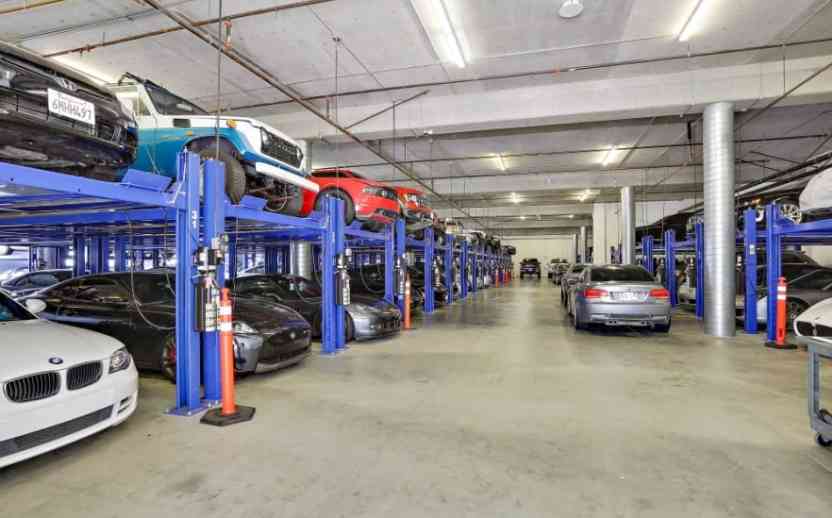
Have you ever wondered if you can park your car inside a storage unit? Maybe you need extra space for your vehicle, or you’re looking for a safe spot to keep it during off-seasons.
You’re not alone—many people ask this question but aren’t sure about the rules or benefits. You’ll discover everything you need to know about parking cars in storage units. By the end, you’ll feel confident about whether this option fits your needs and how to make the most of it.
Keep reading to unlock the secrets of vehicle storage and protect your car the smart way.
Parking Rules In Storage Units
Parking a car in a storage unit might seem like a simple solution for extra space, but there are important rules you need to know before you do it. Storage facilities have specific guidelines that affect how and if you can park your vehicle inside a unit. Understanding these rules will help you avoid surprises and ensure your car is safe and protected.
Storage Facility Policies
Every storage facility sets its own rules about parking vehicles inside storage units. Some places allow parking only in designated areas, while others permit cars inside the units themselves. You should always check if your facility requires a special type of unit, such as a climate-controlled or drive-up unit, for parking cars.
Keep in mind that many facilities prohibit parking vehicles with expired registration or those that leak fluids. This is to protect the property and other customers. If you’re unsure, ask the manager directly—this can save you from violating the lease agreement.
Local Regulations
Your city or town might have rules about parking vehicles in storage units, especially if the storage is in a residential area. These rules can include limits on how long a vehicle can be stored or restrictions on parking commercial vehicles.
For instance, some areas require vehicles to be moved periodically to avoid being classified as abandoned. Checking local laws helps you stay compliant and avoid fines or penalties. Have you checked if your storage location follows specific municipal or county codes?
Insurance Requirements
Storing a car in a unit doesn’t automatically mean your insurance covers it. Most standard auto insurance policies require you to notify the insurer if your car is stored off-road or in a non-traditional place like a storage unit.
You might need to add storage or comprehensive coverage to protect against theft, fire, or damage while your vehicle is parked. Before you park, ask your insurance agent if your current policy protects your car in storage. This small step can save you big headaches later.
Choosing The Right Storage Unit
Choosing the right storage unit is key to keeping your car safe and in good shape. Different cars and storage needs call for different unit features. Consider size, location, and climate control to protect your vehicle from damage. This helps avoid costly repairs and keeps your car ready to drive.
Unit Size Options
Select a unit size that fits your car comfortably. Small units may work for compact cars. Larger vehicles like trucks need bigger spaces. Leave room to open doors and move around. Some units offer extra space for tools or accessories. Measure your vehicle before renting to avoid surprises.
Indoor Vs Outdoor Units
Indoor units shield cars from weather and dust. They often have better security and lighting. Outdoor units are usually cheaper but expose cars to rain, sun, and dirt. Consider how long you plan to store the car. For long-term storage, indoor units provide better protection.
Climate Control Importance
Climate control helps prevent rust and mold on your car. It keeps temperature and humidity steady. This is important in places with extreme weather or high moisture. Cars stored in climate-controlled units stay cleaner and maintain value. Choose climate control for peace of mind and better care.
Preparing Your Car For Storage
Preparing a car for storage requires cleaning and checking fluids to prevent damage. Tire pressure should be increased, and the battery disconnected to save power. Covering the car helps protect it from dust and moisture inside the storage unit.
Preparing your car for storage is an essential step to ensure it remains in top condition while it’s not in use. Think of it as setting your car up for a long nap—it requires a bit of attention to detail to make sure it wakes up as good as new. By taking the time to properly prepare, you can avoid unnecessary wear and tear, and save on potential repair costs down the road.Cleaning And Maintenance
Before storing your car, give it a thorough wash and wax. This helps protect the paint from dust and potential rust. Inside, vacuum and clean to prevent odors and pests. Don’t forget routine maintenance like oil changes. Fresh oil prevents engine damage during long storage periods. Check and fix any mechanical issues to avoid surprises later.Fluid Checks And Battery Care
Top off all fluids, including coolant, brake, and transmission fluids. This helps in preventing corrosion and keeps components lubricated. Disconnect the battery or use a trickle charger to maintain its charge. This prevents the battery from dying and saves you the hassle of jump-starting it later.Tire And Fuel Considerations
Inflate your tires to the recommended pressure to prevent flat spots. Consider using tire jacks to take weight off the tires if storing for an extended period. Add a fuel stabilizer to the gas tank. This prevents the fuel from degrading and keeps your engine in good shape. Fill the tank to reduce moisture build-up and corrosion inside the tank. Isn’t it worth investing a bit of time now to avoid future headaches? By preparing your car thoughtfully, you ensure it remains a reliable and cherished companion.Safety Measures For Stored Vehicles
Parking your car in a storage unit comes with responsibilities, especially when it comes to safety. Taking the right safety measures can protect your vehicle from theft, damage, and unexpected disasters. Understanding what to look for and how to prepare can save you from costly repairs or loss.
Security Features To Look For
Not all storage units offer the same level of security. Look for facilities that provide:
- 24/7 surveillance camerasto monitor activity around your vehicle.
- Individual unit alarmsthat alert staff if someone tries to break in.
- Gated access with personalized entry codesto prevent unauthorized entry.
Have you ever wondered how easy it would be for someone to walk in and access your car? Choosing a unit with strong security features reduces that risk significantly.
Fire And Flood Risks
Vehicles stored in units can face damage from unexpected fires or floods. Check if the storage facility has:
- Fire suppression systemslike sprinklers or extinguishers.
- Proper drainage and elevated floorsto prevent flood damage.
- Regular maintenance and inspectionsto spot potential hazards early.
Consider how close the unit is to water sources or electrical equipment. Could a small spark or heavy rain impact your vehicle’s safety?
Pest Prevention
Pests can cause surprising damage to stored cars, chewing on wires or nesting in the engine. To keep pests away, choose units that:
- Maintain clean surroundings free of trash and debris.
- Use pest control measures like traps or repellents regularly.
- Seal any gaps or holes that rodents might use as entry points.
Have you checked your vehicle for signs of pests after storage? Keeping your unit pest-free protects your car’s wiring and interior from costly damage.
Accessing Your Vehicle In Storage
Accessing your vehicle in a storage unit should be straightforward, but it’s important to understand the rules and practical tips that can make your visits hassle-free. Knowing how and when you can get to your car helps you plan better and avoid surprises. Let’s dive into the key factors that affect vehicle access in storage facilities.
Access Hours And Restrictions
Most storage units have specific access hours, often ranging from early morning to late evening. Some places offer 24/7 access, but many limit entry to business hours or slightly extended times.
Before renting, ask about any restrictions that could affect your schedule. Are weekends open? Is there a cutoff time for entering the facility? These details matter if you need emergency access or want to visit during off-hours.
Key And Lock Policies
You usually provide your own lock for the unit, which means only you hold the key or combination. This protects your vehicle’s security but also means you’re solely responsible for access.
Some storage facilities offer electronic gate access with personalized codes or keycards. These add convenience but check if there are any limits on sharing access with others.
Have you ever forgotten a key and faced the frustration of being locked out? Keeping a spare key in a safe place can save you from that headache.
Tips For Easy Vehicle Retrieval
- Keep the path clear:Don’t store bulky items near the vehicle’s entry point. This speeds up access and reduces damage risk.
- Label your keys and documents:Organize vehicle registration, insurance, and keys in one place for quick retrieval.
- Visit regularly:Checking on your car often helps spot any issues early, like battery drain or tire pressure problems.
- Plan your visits:Avoid peak hours at the facility to minimize wait times and stress.
How often do you think you’ll need access to your vehicle? Planning ahead based on your schedule can make all the difference in a smooth storage experience.

Credit: www.ottocarclub.com
Costs And Payment Options
Storing a car in a storage unit involves costs that vary by location and unit size. Understanding the fees and payment options helps plan your budget better. Some facilities offer flexible payments suited for different needs. Knowing extra charges and discounts can save money in the long run.
Rental Fees For Vehicle Storage
Rental fees depend on the unit size and type of storage. Outdoor spaces cost less than indoor or climate-controlled units. Monthly rent usually ranges from $50 to $300. Larger vehicles require bigger units, increasing the price. Some locations charge more due to high demand or added security.
Additional Charges To Expect
- Deposit fees when you first rent the unit
- Late payment penalties if rent is overdue
- Insurance fees to protect your vehicle
- Access fees for 24/7 facility entry
- Administrative fees for processing paperwork
These charges vary by facility. Ask about all possible fees before signing a contract.
Discounts And Long-term Deals
Many storage providers offer discounts for longer rentals. Paying six months or a year upfront can reduce costs. Military personnel and students often get special rates. Some places run seasonal promotions or offer referral bonuses. Always check with the facility to maximize savings.
Alternatives To Storage Unit Parking
Parking a car in a storage unit is not always allowed or practical. Many storage facilities have rules against parking vehicles inside units. It is important to explore other options designed for vehicle parking. These alternatives can offer better security, convenience, and legal parking space.
Garage Rentals
Renting a garage offers a secure and covered space for your vehicle. Garages protect cars from weather damage and theft. They are often available in residential or commercial areas. Some garages come with extra storage for tools or car parts. Renting a garage can be a flexible solution for short or long-term needs.
Driveway And Street Parking
Driveways provide private parking next to your home. This option is easy and accessible. Street parking can be an alternative if driveway space is limited. Always check local parking rules to avoid fines or towing. Driveway and street parking work best for daily use and quick access.
Specialized Vehicle Storage Facilities
These facilities focus on storing vehicles safely and securely. They often have climate control to protect cars from extreme weather. Many offer 24/7 surveillance and gated access. Specialized storage suits classic cars, motorcycles, or seasonal vehicles. These places provide peace of mind for valuable or rare vehicles.

Credit: www.hiltonandmoss.com
Credit: www.storwell.com
Frequently Asked Questions
Can You Legally Park Cars In Storage Units?
Yes, many storage facilities allow car parking, but rules vary. Always check the facility’s policy before storing your vehicle.
Are Storage Units Safe For Long-term Car Storage?
Storage units offer protection from weather and theft. Climate-controlled units prevent damage from extreme temperatures and humidity.
What Size Storage Unit Is Needed For A Car?
A standard 10×20 feet unit fits most cars. Larger vehicles may require bigger units or special arrangements.
Can You Store Running Or Non-running Cars In Units?
Both running and non-running cars can be stored. Inform the facility if the car is non-operational to follow any special rules.
Conclusion
Parking cars in storage units depends on the facility’s rules. Many places allow it, but some do not. Size and ventilation are important to consider. Make sure the unit fits your vehicle safely. Check for insurance and security options too.
Proper care helps keep your car in good shape. Always ask the storage staff before renting. This helps avoid surprises later. Safe parking in storage units can be very useful. Just follow the guidelines, and your car stays protected. Simple steps make the process easy and worry-free.