
Have you ever wondered if it’s safe to leave your pet alone in the car for a few minutes? Maybe you’re running a quick errand or grabbing something from the store.
It might seem harmless, but the truth could surprise you—and your pet’s health could be at serious risk. Before you make that choice, it’s important to understand what really happens when your furry friend is left inside your vehicle. Keep reading to learn the hidden dangers and what you can do to keep your pet safe.
Risks Of Leaving Pets In Cars
Leaving pets alone in cars poses serious dangers. Cars can quickly become unsafe spaces for animals. Pets cannot regulate their body temperature well inside vehicles. Many people underestimate how fast conditions change. Understanding these risks can help protect your pet’s health and safety.
Heatstroke And Temperature Dangers
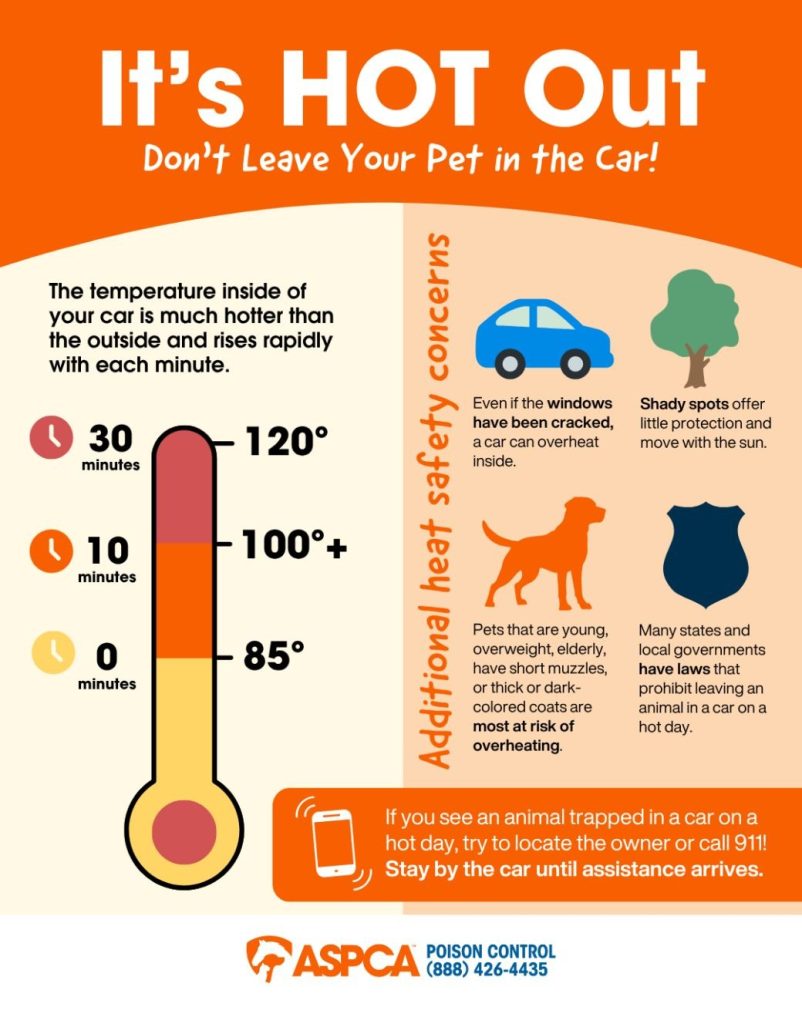
Cars heat up rapidly, even on mild days. Inside, temperatures can rise to deadly levels in minutes. Pets suffer from heatstroke, which causes organ failure and death. Windows cracked open do not prevent heat buildup. Signs of heatstroke include heavy panting, drooling, and weakness. Immediate help is critical if a pet shows these signs.
Cold Weather Hazards
Cold weather also threatens pets left in cars. Inside a vehicle, temperatures can drop below freezing fast. Pets can suffer from hypothermia or frostbite. Small or short-haired pets are at higher risk. Cold stress makes animals weak and vulnerable. Never leave pets unattended in cold vehicles.
Theft And Safety Concerns
Pets left alone in cars are targets for theft. Thieves may break windows to steal pets or belongings. Animals can get injured during a break-in attempt. Cars parked in isolated areas increase this risk. Pets left inside can also panic and injure themselves. Ensuring your pet’s safety means never leaving them alone.
Legal Consequences
Many places have laws against leaving pets unattended in cars. Violators may face fines, charges, or pet removal. Some regions allow bystanders to rescue pets in danger. Laws vary by location but are strict in many areas. Protect your pet and yourself by knowing local rules. Avoid leaving pets alone in vehicles to stay legal.

Credit: www.utahhumane.org
Factors Affecting Pet Safety
Leaving a pet in a car can be risky. Several factors affect their safety. Understanding these can help protect your pet from harm. Always consider these points before deciding to leave your pet alone in a vehicle.
Pet Size And Breed
Small pets can overheat faster than larger ones. Some breeds have thick fur or short noses. These traits make heat tolerance lower. Dogs with flat faces struggle to breathe in heat. Knowing your pet’s breed helps assess risk better.
Duration Of Stay
Even a few minutes can be dangerous. The temperature inside a car rises quickly. Longer stays increase the risk of heatstroke. Keep your pet’s time in the car as short as possible. Never leave them unattended for long periods.
Weather Conditions
Hot and sunny days are the most dangerous. Temperatures inside cars rise rapidly. Cold weather can also harm pets by causing hypothermia. Rain and humidity affect comfort and safety. Always check the weather before leaving your pet.
Car Ventilation
Open windows help but may not be enough. Air circulation reduces heat but doesn’t stop it rising. Running the car with air conditioning is safer but uses fuel. Avoid leaving pets in a parked car without proper ventilation. Proper airflow is crucial for their safety.
Safe Alternatives To Leaving Pets Alone
Leaving pets alone in a car can be risky and stressful for them. Finding safe alternatives helps protect their health and comfort. These choices let pets stay happy and secure while you handle errands or appointments.
Pet-friendly Venues
Many places welcome pets, making visits easier. Parks, outdoor cafes, and some stores allow pets inside. This way, pets stay with you and enjoy fresh air. Choose venues with shade and water access for your pet’s comfort.
Using Pet Daycare Services
Pet daycare offers care and social time for animals. These services provide supervision, play, and rest. Your pet stays safe and active instead of waiting alone. Research local daycares to find one with good reviews and clean spaces.
Bringing A Companion
Taking a friend or family member along helps watch your pet. Someone can stay with the pet while you run errands. This keeps pets calm and prevents loneliness. A companion also helps manage pets in busy places.
Scheduling Errands Wisely
Plan tasks to avoid long waits away from your pet. Combine errands to reduce time spent outside. Visit stores that allow quick stops or pet access. Early mornings or late afternoons offer cooler, safer conditions for pets.
Credit: www.bnd.com
Emergency Tips If You Find A Pet In Danger
Finding a pet trapped in a car can be a stressful situation. Acting quickly and wisely can save a life. Knowing what signs to watch for and how to respond safely is crucial.
Recognizing Signs Of Distress
Look for heavy panting, drooling, or unresponsiveness. Pets may also appear restless or weak. These are clear signals that your pet needs immediate help.
Imagine seeing a dog pacing anxiously inside a hot car. You would know something is wrong without a doubt. Your attention could make all the difference.
Steps To Take Safely
Never break a window unless absolutely necessary—consider the risks to both you and the pet. Try to find the owner first by asking nearby people or checking for contact info on the car.
If the pet is in immediate danger, call for help before intervening. Your safety and the pet’s well-being must both come first.
When To Contact Authorities
Call animal control or the police if the pet is clearly suffering and the owner cannot be found. They have the tools and authority to handle the situation properly.
Remember, emergency responders can provide guidance while you wait. Don’t hesitate to reach out when the situation feels urgent.
Providing Immediate Care
If the pet is accessible and safe to approach, offer water and shade right away. Cooling the animal gradually helps prevent heatstroke.
Be gentle and calm. Your presence can reduce the pet’s stress and improve their chances until professional help arrives.
Tools And Gadgets For Pet Safety In Cars
Keeping your pet safe in the car requires more than just leaving the windows cracked. Luckily, there are several tools and gadgets designed to help you monitor and control your pet’s environment effectively. These devices give you peace of mind and ensure your furry friend stays comfortable and secure, even if you need to step away briefly.
Temperature Monitoring Devices
Temperature monitoring devices let you keep an eye on the inside climate of your car. Some attach to your pet’s collar, sending real-time updates to your phone. Others are small sensors placed inside the vehicle that trigger alerts if the temperature gets too high or too low.
Imagine getting a notification while shopping that your car’s interior has reached a dangerous temperature. This instant warning can prompt you to return quickly or take action to protect your pet.
Car Shades And Ventilation Aids
Sunlight streaming through windows can quickly raise the temperature inside your car. Car shades block out harsh rays and reduce heat buildup. Ventilation aids like window guards allow fresh air to circulate without giving your pet a chance to escape.
Using these simple tools can make a big difference, especially on warm days. Think about how much cooler your car feels with just a sunshade in place—your pet experiences that same relief.
Portable Fans And Cooling Mats
Portable fans are easy to set up and run on batteries or USB power. They provide a steady breeze that helps keep your pet cool. Cooling mats, often filled with gel or water, absorb heat from your pet’s body and offer a refreshing surface to lie on.
I once used a cooling mat during a quick errand, and my dog was visibly more comfortable when I returned. These items are especially helpful if you live in hot climates or plan to spend time outdoors with your pet.
Smartphone Alerts And Apps
Several apps connect with temperature sensors or car security systems to send instant alerts to your phone. Some apps include GPS tracking and pet activity monitoring, giving you complete control and information. They can notify you if your pet is in distress or if the car’s temperature changes unexpectedly.
Wouldn’t it be reassuring to receive an alert before a problem arises, rather than after? These smart tools put safety in your hands, wherever you are.
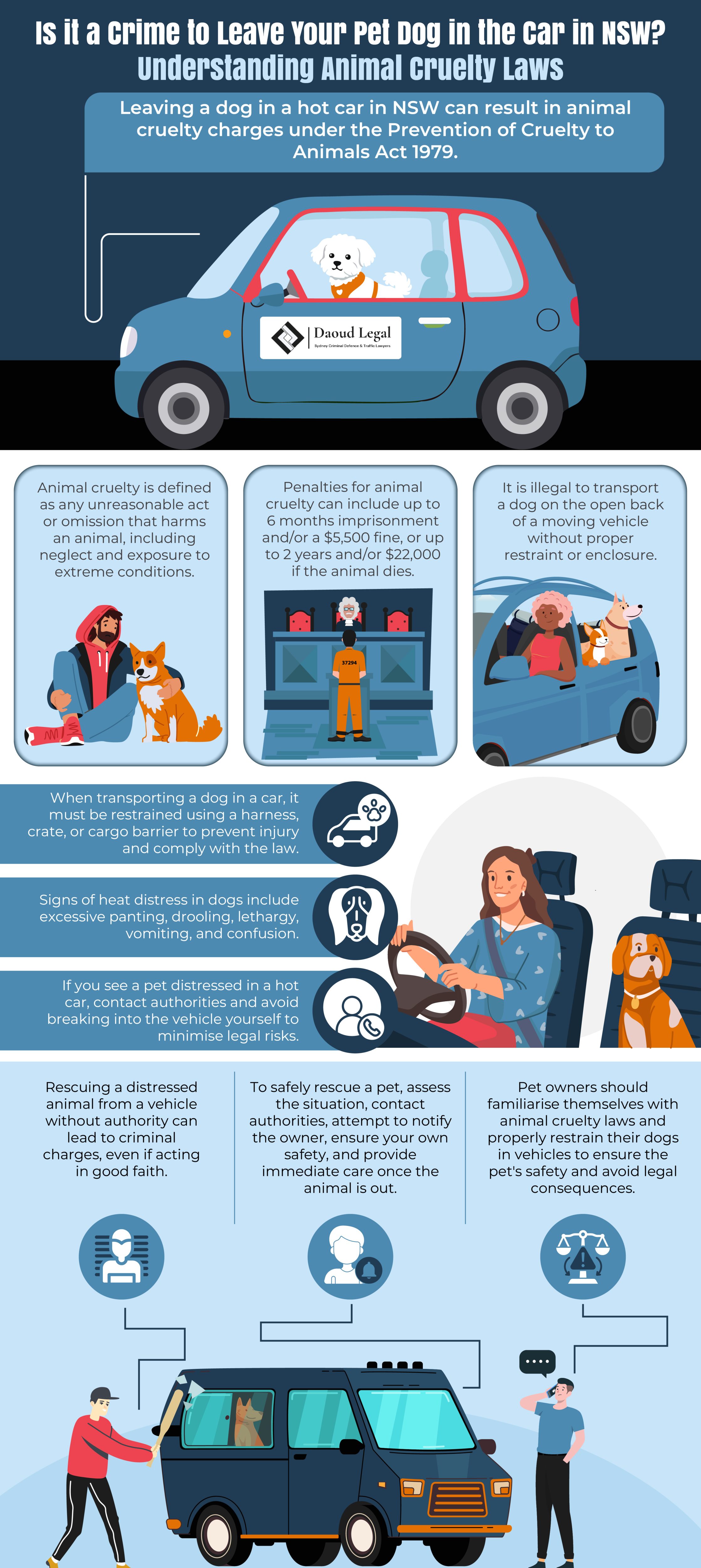
Credit: sydneycriminaldefenceandtrafficlawyers.com.au
Legal Guidelines And Pet Protection Laws
Understanding the legal guidelines around leaving pets in cars is crucial. Many regions have specific laws to protect animals in these situations. These laws aim to prevent potential harm and ensure the welfare of pets left unattended in vehicles.
State And Local Regulations
Each state has its own regulations regarding pets in cars. Some states have clear laws prohibiting leaving pets unattended in a vehicle. These laws often depend on temperature and the potential risk to the pet’s health. Local authorities may also have rules that supplement state laws. Always check both state and local guidelines before leaving your pet in a car.
Penalties For Negligence
Failing to follow pet protection laws can lead to penalties. These can include fines, community service, or even imprisonment in severe cases. The severity of the penalty often depends on the risk or harm to the pet. Owners may also face charges of animal cruelty if negligence is evident.
How Laws Vary By Region
Laws about pets in cars vary widely by region. In hotter climates, laws may be stricter due to increased risks. Northern areas may have different regulations, focusing on cold temperatures. Each region adapts its laws based on climate and common risks to animals. Always stay informed about regional laws when traveling with pets.
Advocacy And Reporting
Advocacy groups play a vital role in shaping pet protection laws. They work to raise awareness and promote stricter regulations. If you see a pet in distress, report it to local authorities. Many areas have hotlines or services dedicated to animal welfare. Quick reporting can save a pet’s life and enforce existing laws.
Frequently Asked Questions
Can I Leave My Pet Alone In The Car?
Leaving pets alone in a car is risky and often illegal. Heat builds up quickly, causing severe distress or death. Always prioritize your pet’s safety by avoiding unattended car time, especially in warm weather.
How Hot Does A Car Get For Pets?
A car’s interior can reach dangerously high temperatures within minutes. On a 70°F day, it can hit 104°F in 30 minutes. Pets can suffer heatstroke or death rapidly, so never leave them in a parked car.
What Are The Legal Consequences Of Leaving Pets In Cars?
Many states and countries have laws against leaving pets unattended in vehicles. Penalties may include fines, criminal charges, or pet confiscation. Always check local regulations and never risk your pet’s safety for convenience.
How Can I Keep My Pet Safe During Car Trips?
Use proper ventilation, avoid leaving pets unattended, and never leave windows fully closed. Bring water and take breaks for hydration and bathroom needs. Consider pet-friendly travel gear for comfort and security.
Conclusion
Leaving pets in cars can be very dangerous. Cars heat up quickly, even with windows cracked. Pets can suffer from heatstroke or worse. Always think about your pet’s safety first. Find a better place for your pet during errands. Stay responsible and protect your furry friends.
They depend on you to keep them safe. Remember, a few minutes can cause harm. Don’t risk their health for convenience. Keep pets safe, happy, and healthy every time.