
Have you ever faced a flat car tire and wondered if your bike pump could save the day? It’s a question many drivers ask when they don’t have access to a proper air compressor.
You might think it’s impossible or too slow, but the answer might surprise you. You’ll discover whether your bike pump can really get your car tire back on track, how to do it effectively, and what to watch out for.
Keep reading—you might just find a simple solution that could save you time and hassle on the road.
Feasibility Of Using A Bike Pump
Using a bike pump to inflate a car tire is possible but comes with limits. Both tires and pumps differ in size and pressure needs. Understanding these differences helps set the right expectations. This section explains the key points to consider before trying it.
Differences Between Car And Bike Tires
Car tires are bigger and hold more air than bike tires. They have thicker rubber and stronger sidewalls. Bike tires are thinner and lighter. Their valves also differ; cars mostly use Schrader valves, while bikes may use Schrader or Presta valves. These differences affect how easily air flows in and out.
Pump Types And Compatibility
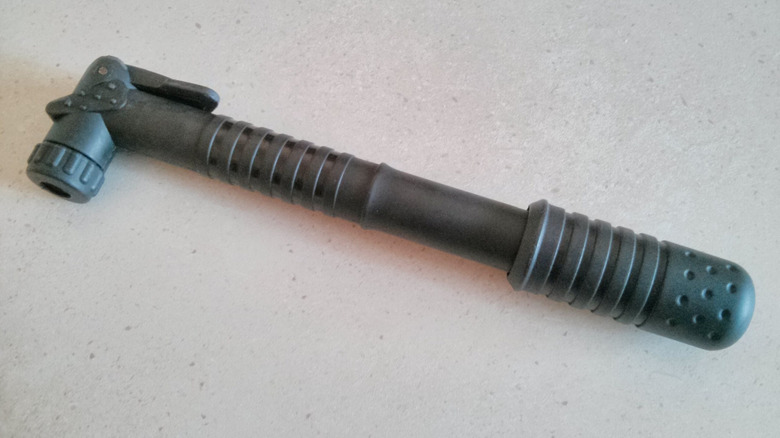
Bike pumps come in various types: floor pumps, mini pumps, and hand pumps. Floor pumps deliver air faster and reach higher pressure. Mini and hand pumps are smaller but require more effort. Most bike pumps fit Schrader valves, matching car tire valves. Pumps made for Presta valves need an adapter to work with car tires.
Pressure Requirements For Car Tires
Car tires need much higher pressure than bike tires. Typical car tires require 30 to 35 PSI, while bike tires usually need 40 to 60 PSI. Pumping a car tire with a bike pump takes more time and energy. It might take several minutes to reach the correct pressure. Checking the pressure regularly is important to avoid over- or under-inflation.
Choosing The Right Bike Pump
Choosing the right bike pump is essential when inflating a car tire. Not all pumps deliver the pressure or volume needed for a car tire. Selecting a pump that matches your tire’s requirements saves effort and time. It also prevents damage to the tire or pump.
Hand Pumps Vs. Foot Pumps
Hand pumps are small and portable. They work well for bike tires but need more effort for car tires. Foot pumps are larger and use your leg strength. They deliver air faster and with less effort. For car tires, foot pumps are usually easier and more efficient.
High-pressure Vs. High-volume Pumps
High-pressure pumps push air at strong pressure but low volume. They are great for narrow bike tires. High-volume pumps move a large amount of air at lower pressure. They work better for car tires, which need more air quickly. Choose a pump with the right balance for your tire size.
Features To Look For
- Pressure gauge to monitor tire pressure accurately
- Sturdy handle and base for comfortable pumping
- Flexible hose and secure valve connections
- Durable materials for long-lasting use
- Compatibility with car tire valves (Schrader valves)
Step-by-step Inflation Process
Inflating a car tire with a bike pump might seem tricky at first, but breaking it down into simple steps makes the process manageable. Each stage, from prepping the valve to the actual pumping, plays a crucial role in getting your tire ready for the road. Let’s walk through the key actions you need to take to inflate your tire efficiently and safely.
Preparing The Tire Valve
First, locate the valve stem on your car tire. It’s usually covered by a small cap that protects it from dirt and dust. Remove this cap carefully and set it aside in a safe spot so you don’t lose it.
Check the valve for any visible damage or debris. A clean valve ensures air flows in smoothly without leaks. If you spot any dirt, wipe it gently with a dry cloth before attaching the pump.
Attaching The Pump Correctly
Next, grab your bike pump and identify the nozzle type. Most pumps have a dual head for Schrader and Presta valves, but car tires typically use Schrader valves.
Firmly press the pump head onto the valve stem and secure it by flipping the lever or tightening the collar, depending on your pump model. A proper seal prevents air from escaping while you pump.
Have you ever tried pumping with a loose connection? It wastes your effort and leaves the tire underinflated. Make sure the attachment feels snug before moving on.
Pumping Techniques For Efficiency
Start pumping with steady, even strokes rather than rapid, shallow ones. This approach moves air more effectively into the tire and reduces strain on your arms.
Take breaks to check the tire pressure using a gauge if your pump doesn’t have one built-in. Car tires usually require higher pressure than bike tires, so patience is key.
Try to maintain a rhythm that feels comfortable but consistent. Overexerting yourself won’t speed up the process, and uneven pumping might cause the valve to loosen.

Credit: www.amazon.ca
Challenges And Limitations
Inflating a car tire with a bike pump is possible but comes with several challenges. These challenges make the process less efficient and sometimes risky. Understanding these limitations helps you decide if using a bike pump is the right choice.
Time And Effort Required
Using a bike pump to inflate a car tire takes a long time. Car tires need much more air than bike tires. Pumping by hand requires many strokes. It can tire your arm quickly. The process demands physical effort and patience. This is not ideal for quick fixes on the road.
Potential For Incomplete Inflation
Bike pumps are designed for higher pressure but smaller volume. Car tires need a larger volume of air at lower pressure. The bike pump may not fully fill the tire. This leaves the tire underinflated, which is unsafe. You might need to check the pressure often. It’s hard to reach the recommended tire pressure with a bike pump.
Risk Of Damage To Pump Or Tire
Using a bike pump on a car tire can stress the pump. The pump parts may wear out or break faster. Some bike pumps are not built for car tire valves. Connecting the pump can damage the valve stem. Over-pumping can also harm the tire. Care must be taken to avoid damage during inflation.
Safety Tips And Precautions
Using a bike pump to inflate a car tire takes time and effort. Check tire pressure often and avoid overinflating to stay safe. Always use a proper gauge to monitor pressure levels.
Inflating a car tire with a bike pump might sound like an unusual task. However, it’s a handy trick in a pinch, especially when other options are unavailable. Yet, as with any DIY endeavor, safety is paramount. Let’s explore some vital safety tips and precautions to ensure your tire inflation process goes smoothly and safely.Monitoring Tire Pressure
Keeping an eye on tire pressure is crucial. Car tires require much higher pressure than bike tires, so you need to monitor the pressure closely. A reliable tire pressure gauge is your best friend here. Check the tire pressure regularly as you pump. This ensures you don’t exceed the recommended PSI for your car tires. It’s easy to overlook this step, but maintaining the right pressure can save you from potential road mishaps.Avoiding Overinflation
Overinflating your car tires can lead to unexpected blowouts. This is a risk when using a bike pump, as you might not realize how quickly the pressure builds. Always refer to your car’s manual for the ideal tire pressure. When in doubt, it’s better to stop and check rather than pump blindly. A personal anecdote: I once overinflated a tire, and it led to a rather inconvenient roadside emergency. Learn from my mistake—always gauge the pressure!Maintaining Equipment
Your bike pump needs to be in top condition for this task. Ensure the pump is free from rust, and the seals are intact. A faulty pump can lead to inaccurate readings or even damage your tires. Regularly inspect the pump for wear and tear. If your pump is old or unreliable, consider investing in a new one. It’s a small price to pay for peace of mind and safety on the road. Inflating a car tire with a bike pump is possible, but it demands vigilance. Are you ready to take on this challenge with safety in mind?
Credit: www.amazon.com
Alternatives To Bike Pumps
While a bike pump might seem like a quick fix for inflating a car tire, it’s not always the best tool for the job. Thankfully, there are several alternatives that can save you time and effort. Let’s look at some practical options you can rely on when a bike pump just won’t cut it.
Portable Air Compressors
Portable air compressors are compact, easy to carry, and designed specifically for car tires. You can plug them into your vehicle’s 12V outlet or use a rechargeable battery model. I once had a flat tire during a road trip, and having a portable compressor made all the difference—it pumped the tire quickly without any struggle.
Most models come with pressure gauges to ensure your tires reach the right PSI. They’re perfect for emergencies and regular maintenance, offering a quick and efficient way to keep your tires properly inflated.
Gas Station Air Pumps
Gas stations often have air pumps that are powerful enough to fill car tires in minutes. These machines are usually coin-operated or free, depending on the location. Have you noticed how fast your tire inflates there compared to using a bike pump? That’s because these pumps deliver higher air pressure and volume.
While convenient, they might not always be nearby or accessible late at night. Also, some pumps lack precise pressure control, so you need to check your tire gauge after inflating to avoid overinflation.
Professional Tire Services
If you want a hassle-free experience, professional tire services are your best bet. Mechanics have the right equipment to inflate, repair, or replace your tires efficiently. I remember once visiting a tire shop after struggling with a slow pump, and the technician fixed everything in no time.
They can also inspect your tires for damage or uneven wear, something a simple pump can’t do. This option might cost a bit more but saves you from potential safety issues down the road.

Credit: etenwolf.com
Frequently Asked Questions
Can A Bike Pump Inflate A Car Tire Effectively?
Yes, a bike pump can inflate a car tire but it takes longer. Bike pumps deliver lower air volume than car pumps. It’s best for emergency or small pressure boosts only.
What Type Of Bike Pump Works For Car Tires?
A high-pressure floor pump with a compatible valve head works best. Ensure the pump fits Schrader valves, common on car tires. Hand pumps may be less effective.
How Long Does It Take To Inflate A Car Tire?
Inflating a car tire with a bike pump can take 10 to 20 minutes. Time varies based on pump quality and tire size. It’s slower than using an air compressor.
Is It Safe To Use A Bike Pump On Car Tires?
Yes, it’s safe if the pump fits the valve properly. Avoid overinflating by checking tire pressure frequently. Use a pressure gauge for accuracy.
Conclusion
You can inflate a car tire with a bike pump, but it takes time. Bike pumps work best for small tires, so expect effort. For emergencies, a bike pump helps get you moving again. Regular car pumps are faster and easier for full inflation.
Keep your bike pump handy, just in case you need it. Staying prepared means safer driving and fewer surprises on the road. Simple tools can solve big problems when used right.