
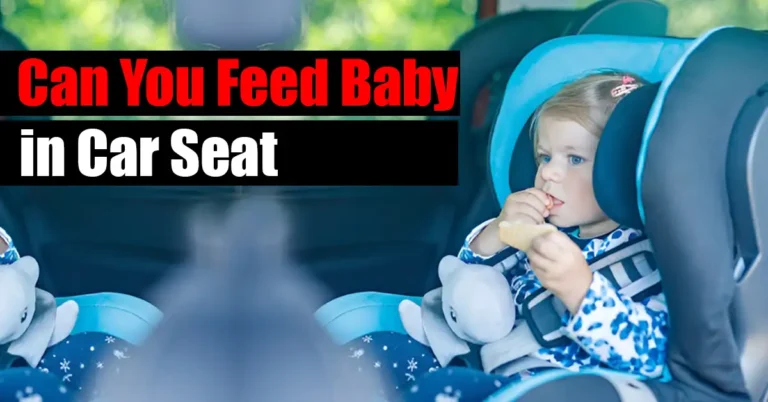
Have you ever wondered if it’s safe to feed your baby while they’re still buckled in their car seat? You might be tempted to give them a quick snack during a long drive or when you’re in a rush.
But is this a good idea? Feeding your baby in the car seat might seem convenient, but it could come with hidden risks you don’t want to ignore. Keep reading to find out what experts say and how you can keep your little one safe and happy during every trip.

Credit: toddlerdiary.com
Risks Of Feeding In Car Seats
Feeding your baby in a car seat might seem like a convenient solution during travel or busy days. However, it carries certain risks that every parent should be aware of. Understanding these dangers can help you make safer choices for your little one’s feeding times on the go.
Choking Hazards
Feeding in a car seat increases the risk of choking because your baby’s head and body might not be in the ideal position for swallowing. The slight recline and limited movement can cause food or milk to block the airway more easily.
Have you noticed how quickly a baby can get distracted or cough when feeding in a moving car? This distraction can make it harder for you to notice signs of choking immediately.
Positioning Concerns
Car seats are designed for safety during travel, not for feeding. They often keep your baby in a semi-upright or reclined position that can make swallowing difficult and uncomfortable.
Incorrect positioning may lead to poor digestion or even cause milk to flow back up, increasing the chance of gagging or vomiting. You want your baby’s head to be properly supported and aligned with the body during feeding.
Airway Safety
Ensuring your baby’s airway stays clear is crucial during feeding. In car seats, the straps and the angle can restrict natural movement, making it harder for your baby to clear saliva or food from the throat.
Think about how important it is to have a clear airway when feeding anywhere. In a car seat, limited visibility and restricted access can delay your response if your baby starts to struggle.
Recommended Feeding Practices
Feeding your baby safely is a top priority, especially when you’re on the go. Understanding the recommended feeding practices helps protect your little one and ensures they get the nourishment they need without added risks. Let’s look at what experts suggest for feeding in and around the car seat.
Best Feeding Positions
Feeding your baby in a semi-upright position is ideal. This angle helps prevent choking and reduces the risk of ear infections by allowing milk to flow smoothly.
If you must feed in the car seat, make sure the seat is reclined just enough to support your baby’s head and neck without slumping forward. Avoid feeding when the baby is fully lying flat, as this can increase choking hazards.
Remember, your lap is often the safest place for bottle or breast feeding during travel. Holding your baby close allows you to control the feeding pace and respond quickly if your baby coughs or gags.
When To Stop Feeding In Car Seat
Stop feeding your baby in the car seat if you notice any signs of discomfort or distress. If your baby struggles to swallow or frequently coughs, it’s a clear signal to pause.
It’s also wise to avoid feeding during sudden stops or sharp turns. These movements can make swallowing difficult and increase the risk of choking.
Ask yourself: Is feeding in this moment truly necessary, or can it wait until you are parked safely? Being patient can keep feeding times safer and more comfortable for your baby.
Alternatives To In-car Feeding
Consider feeding your baby before starting your journey or during scheduled breaks. Pulling over in a safe spot gives you the chance to feed without distractions or safety risks.
- Use a portable nursing pillow or bottle warmer to make feeding breaks more comfortable.
- Plan travel times around your baby’s feeding schedule to minimize in-car feeding needs.
- Explore car seat designs that allow easy removal for quick feeding outside the vehicle.
Have you tried feeding your baby during short breaks? You might find it less stressful and more enjoyable for both you and your little one.
Safe Feeding Tips For Parents
Feeding a baby in a car seat can be tricky and needs care. Safety is the top priority. Parents must know how to keep feeding times safe during travel. This helps avoid choking and discomfort. Here are some practical tips for safe feeding on the go.
Preparing For Feeding On The Go
Plan the feeding time before the trip. Choose a calm moment to feed your baby. Carry clean bottles or snacks ready to use. Keep a small blanket or bib handy. Make sure the car seat is securely fastened. Avoid feeding when the car is moving fast or on bumpy roads.
Monitoring Baby During Feeding
Watch your baby closely while feeding. Keep an eye on their breathing and swallowing. Stop feeding if your baby coughs or gags. Never leave the baby alone in the car seat during feeding. Pause the car if needed to feed safely. Be alert to signs of discomfort or distress.
Choosing The Right Feeding Supplies
Use bottles with slow-flow nipples to control milk speed. Select spill-proof containers for snacks. Bring easy-to-clean wipes and cloths. Choose lightweight, portable feeding gear. Avoid glass bottles in the car for safety. Use BPA-free and baby-safe materials only.

Credit: toddlerdiary.com
Car Seat Safety Guidelines
Car seat safety is vital for every baby’s travel. Proper guidelines help protect your child during trips. Knowing how to install and use the car seat correctly keeps your baby secure. Feeding in the car seat requires extra care to maintain safety and comfort.
Proper Car Seat Installation
Place the car seat in the back seat, not the front. Use either the seat belt or the LATCH system to secure it tightly. The car seat should not move more than one inch side to side or front to back. Angle the seat according to the manufacturer’s instructions to support your baby’s head and neck.
Ensuring Comfortable Baby Positioning
Keep your baby’s back flat against the car seat. Avoid slouching or leaning forward during feeding. Use rolled-up blankets or infant inserts if needed for better support. Make sure your baby’s head stays in a natural position to keep airways open. Check often to adjust the baby’s position and maintain comfort.
Using Harnesses Correctly
Always use the car seat harness when your baby is inside. Place the straps over the baby’s shoulders and buckle the chest clip at armpit level. Tighten the harness so you cannot pinch excess webbing at the shoulders. Never feed your baby with loose or unbuckled harness straps. Proper harness use keeps your baby safe even during feeding breaks.
Emergency Steps If Baby Chokes
Feeding a baby in a car seat can increase choking risk due to poor posture. If choking occurs, clear the airway and call for help immediately. Always feed babies in a safe, upright position to prevent emergencies.
Feeding your baby in a car seat can sometimes lead to unexpected situations, including the risk of choking. It’s crucial to be prepared for emergencies, especially when you’re on the road. Knowing how to act quickly and efficiently could make all the difference in ensuring your baby’s safety.Recognizing Signs Of Choking
Spotting the signs of choking early can help you act swiftly. Your baby might suddenly have difficulty breathing or might be unable to cry or make noise. Look for obvious signs like their face turning blue or red, or them making gagging motions. A personal experience can be a wake-up call. Once, during a road trip, I noticed my baby’s sudden silence turned into a faint wheeze. That quick recognition prompted immediate action.Performing Infant First Aid
If your baby is choking, it’s important to remain calm. Here’s what you can do:- Place your baby face-down on your forearm, supporting their head with your hand.
- Give up to five quick, firm back blows between the shoulder blades using the heel of your hand.
- If the object doesn’t dislodge, turn your baby over and give up to five chest thrusts, using two fingers in the center of the chest.
When To Seek Medical Help
If these first aid steps don’t work, or if your baby becomes unconscious, call emergency services immediately. Even if the object seems to be cleared, it’s wise to have your baby checked by a healthcare professional. Have you ever felt uncertain about the next steps after a scare? Remember, it’s always better to err on the side of caution and seek medical advice.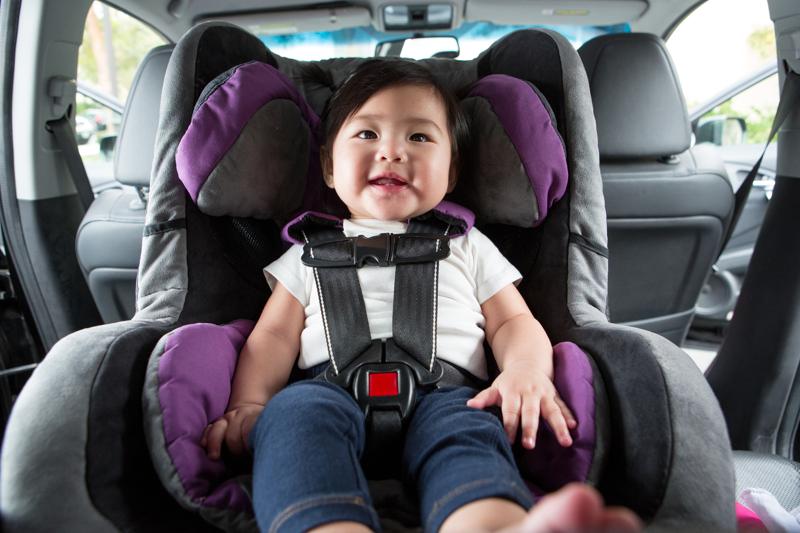
Credit: health.clevelandclinic.org
Expert Recommendations
Feeding your baby in the car seat can seem like a convenient option during busy travel days. However, safety experts and pediatricians have clear advice on this practice. Understanding their recommendations helps you make the best choice for your child’s health and safety.
Advice From Pediatricians
Pediatricians generally advise against feeding a baby while they are seated in a car seat. The main concern is the risk of choking, as the upright position can make it harder for infants to swallow safely.
Some doctors suggest feeding your baby before the trip or during a stop, rather than on the move. This reduces the chances of choking and allows you to focus fully on your baby without distractions from the road.
Have you noticed how your baby reacts when feeding in different positions? Observing their comfort and safety is key to deciding the best feeding approach during travel.
Guidelines From Safety Organizations
Safety organizations like the American Academy of Pediatrics (AAP) and the National Highway Traffic Safety Administration (NHTSA) recommend avoiding feeding in car seats while the vehicle is moving.
They highlight that car seats are designed to protect your child in case of an accident, not to support feeding activities. Sudden stops or accidents could increase the risk of choking or injury if your baby is eating.
- Always stop the car safely before feeding your baby.
- Use a properly installed car seat that fits your child’s size and weight.
- Keep feeding sessions calm and distraction-free by parking in a safe area.
What changes could you make to your travel routine to ensure feeding happens safely? Small adjustments can create a safer environment for your baby and peace of mind for you.
Frequently Asked Questions
Can You Safely Feed A Baby In A Car Seat?
Feeding a baby in a car seat is generally not recommended. It can cause choking or discomfort due to poor posture. Always prioritize safety by feeding your baby outside the car seat whenever possible.
Why Is Feeding In A Car Seat Risky For Babies?
Feeding in a car seat increases choking risk because babies sit reclined. It can also lead to poor digestion and ear infections. Feeding in an upright position outside the car seat is safer.
What Are Safer Alternatives To Feeding In A Car Seat?
Stop the car and feed your baby in a secure, upright position. Use a portable booster seat or hold your baby in your lap for better support. This ensures safety and comfort during feeding.
How Can I Soothe A Hungry Baby During Car Rides?
Plan frequent breaks to feed your baby outside the car seat. Offer breastfeeding or bottle-feeding during stops. Keep snacks handy for older babies to avoid hunger-related fussiness safely.
Conclusion
Feeding a baby in a car seat can be risky. It may cause choking or breathing problems. Always stop the car before feeding your baby. Use a safe, flat place for meals. Keep your baby calm and comfortable. Safety should always come first.
Feeding time is important, but safety matters more. Take your time and be careful. Your baby’s health depends on it.