
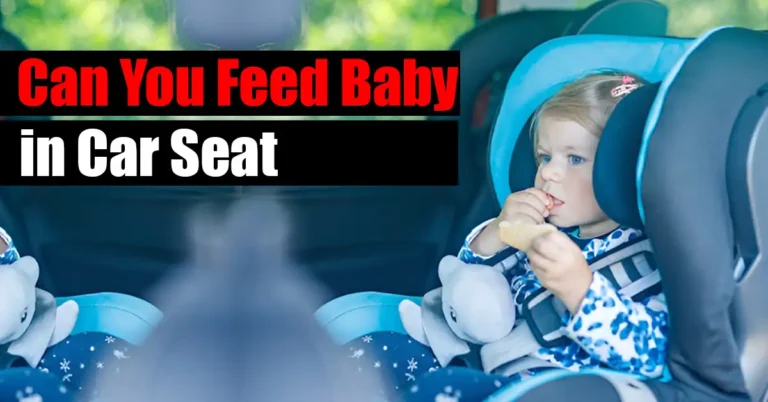
If you’re a parent or caregiver, you’ve probably wondered: can you safely feed a baby in a car seat? It might seem like a quick and easy solution during long drives or busy days.
But is it really safe for your little one? You want to keep your baby comfortable and happy, but their safety is the top priority. You’ll discover what experts say about feeding babies in car seats and the best ways to keep your child healthy and secure while on the move.
Keep reading to learn what you need to know before you offer that bottle or snack in the car.
Risks Of Feeding In Car Seats
Feeding a baby in a car seat might seem convenient, especially during long drives or quick stops. However, it carries several risks that parents should be aware of. Understanding these dangers can help you make safer choices for your little one’s feeding times.
Choking Hazards
When babies eat in a car seat, they often sit at an angle that doesn’t support proper swallowing. This position can increase the chance of choking because food may go down the wrong way. Have you noticed how babies sometimes cough or gag even when feeding normally? In a car seat, this risk becomes higher and more dangerous.
Airway Obstruction
The way a baby’s head rests in a car seat can cause the airway to become partially blocked. If the head falls forward, it narrows the throat and makes breathing difficult. This is especially risky during feeding when the baby’s airway needs to be fully open to avoid suffocation or serious breathing problems.
Posture And Digestion Issues
Babies need to be upright but well-supported while feeding to help food move smoothly through their digestive system. Car seats often force babies into a slouched or reclined posture that can cause discomfort or lead to reflux. Have you ever seen a baby spit up more when fed in a car seat? That’s because poor posture impacts digestion negatively.

Credit: toddlerdiary.com
When Feeding In Car Seats Might Be Necessary
Feeding a baby in a car seat is not usually recommended. Yet, some situations require it. Understanding these moments helps parents prepare better. Safety and comfort should remain priorities during these times.
Long Road Trips
During long trips, babies may get hungry while on the move. Stopping frequently is not always possible. Feeding in the car seat might keep the baby calm. Parents can use slow, careful feeding techniques to reduce risks. Planning breaks for feeding is ideal but not always an option.
Emergency Situations
Emergencies may force feeding in a car seat. Medical issues or sudden delays can cause hunger. Parents might need to feed quickly to soothe a distressed baby. In these moments, gentle feeding helps maintain baby’s comfort. Always prioritize safety and watch for choking signs.
Premature Or Special Needs Babies
Premature or special needs babies often require frequent feeding. They may have trouble eating outside the car seat. Feeding in the car seat can support their unique needs. Caregivers should follow medical advice closely. Special feeding tools may be necessary to ensure safety and comfort.
Safe Feeding Practices In Car Seats
Feeding a baby in a car seat requires more than just convenience; it demands careful attention to safety. Your baby’s comfort and well-being depend on how you approach feeding during travel or short stops. Safe feeding practices ensure that your little one eats without risk and that you stay calm and focused.
Choosing The Right Position
Always keep your baby seated upright in the car seat during feeding. This position helps prevent choking and supports proper digestion. Avoid reclining the seat too far back; a slight recline is okay, but your baby’s head should stay aligned with the body.
Have you noticed how a slight tilt can make your baby uncomfortable or cause milk to flow the wrong way? Keeping your baby upright reduces those risks and makes feeding safer.
Using Appropriate Feeding Tools
Use bottles or sippy cups designed for infant use with slow-flow nipples or spouts. This controls the milk flow and reduces the chance of gagging. Avoid large or hard spoons that may hurt your baby’s mouth during feeding in a car seat.
Consider tools that are easy to handle with one hand since you’ll often need to multitask. Choose spill-proof containers to keep the car clean and your focus sharp.
Supervision And Attention
Never leave your baby unattended while feeding in a car seat. Even a moment of distraction can lead to choking or discomfort. Stay focused on your baby’s cues and stop feeding if they show signs of distress.
Think about how you feel when distracted—now imagine your baby trying to swallow safely. Your eyes and hands need to be fully present to keep feeding safe and stress-free.

Credit: toddlerdiary.com
Alternatives To Feeding In Car Seats
Feeding your baby while they are strapped in a car seat can be tricky and sometimes unsafe. Luckily, there are better ways to manage meal times during travel that keep your little one safe and comfortable. These alternatives can help you avoid distractions and ensure feeding is a pleasant experience for both you and your baby.
Stopping For Breaks
Taking regular breaks during long trips is not just good for your baby’s feeding schedule but also for their overall comfort. Pulling over to a safe spot lets you unbuckle your baby and feed them properly without rushing. This break also gives you a chance to stretch, check on your baby, and reset before continuing your journey.
Have you noticed how much calmer your baby is after a feeding break compared to trying to feed on the go? It’s a small change that can make a big difference in your trip’s smoothness.
Using Portable Feeding Chairs
Portable feeding chairs are a great tool for feeding your baby outside the car seat. They are lightweight, easy to carry, and provide a stable seat wherever you stop. Many models fold up compactly and can be attached to restaurant chairs or used on the floor, giving your baby a safe and upright position to eat.
Carrying a portable chair means you don’t have to sacrifice convenience for safety. Have you tried one on your last outing? It might just be the simple upgrade your travel routine needs.
Scheduling Feedings Before Travel
Feeding your baby right before setting off can help reduce the need for feeding while on the road. Planning your travel around your baby’s usual feeding times can keep them content for longer periods. This approach reduces distractions and helps you focus on driving safely.
Think about your baby’s natural hunger cues and try to align your departure accordingly. Have you found certain times when your baby is more likely to sleep or stay calm? Using those windows for travel can make a noticeable difference.
Expert Recommendations And Guidelines
Feeding a baby in a car seat can increase the risk of choking and breathing problems. Experts advise stopping the car and feeding the baby in a safe, upright position. Always prioritize the baby’s safety and comfort during feeding times.
Feeding a baby in a car seat raises many safety concerns. Experts offer vital insights to ensure your child’s safety during travel. Their advice helps parents make informed decisions, balancing convenience with security. Let’s explore some expert recommendations.Pediatrician Advice
Pediatricians often advise against feeding a baby in a moving car. Choking risks increase if the car stops suddenly or hits bumps. Babies need to sit upright and be closely supervised while eating. Pediatricians recommend stopping the car in a safe place for feeding. This reduces risk and allows for focused attention on the baby.Car Seat Manufacturer Instructions
Car seat manuals provide specific guidelines for use. Many warn against feeding in the seat. They emphasize the seat’s primary purpose: protecting during travel. Follow all instructions for proper installation and use. This ensures maximum safety for your child.Safety Organization Standards
Safety organizations stress the importance of using car seats correctly. Feeding in a car seat can compromise its safety features. Organizations like the American Academy of Pediatrics advise following all safety protocols. They recommend regular breaks during long trips for feeding and rest. This ensures a safer and more comfortable journey for the baby.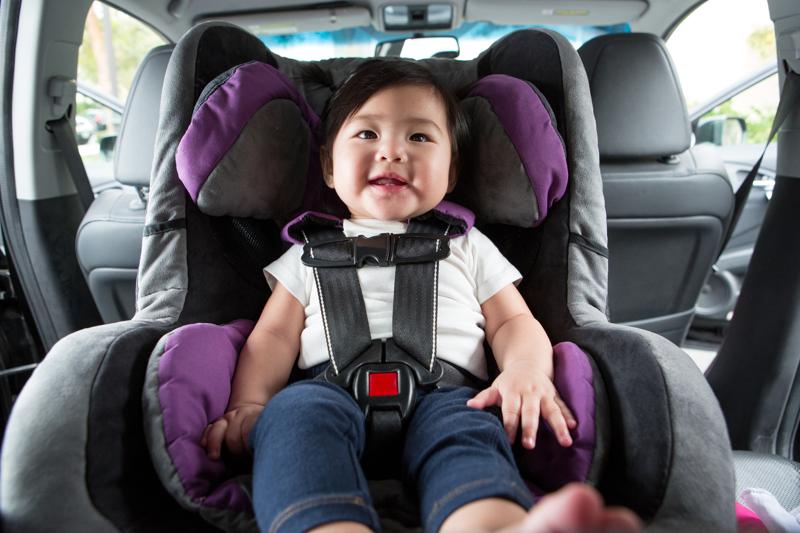
Credit: health.clevelandclinic.org
Signs To Watch During Feeding
Feeding a baby in a car seat might seem like a quick fix during travel, but it’s important to watch closely for signs that your little one is struggling. Babies can’t tell you when they’re uncomfortable or having trouble swallowing. Paying attention to their reactions can help you decide if feeding in the car seat is safe or if it’s time to pause and adjust.
Coughing And Gagging
If your baby starts coughing or gagging while feeding, it’s a clear signal that something isn’t right. These signs may mean your baby is swallowing too fast or the milk is going down the wrong way. You might notice sudden coughing fits or even choking sounds, which means you should stop feeding immediately and check their position.
Have you ever felt rushed and missed these subtle signs? Staying calm and watching closely can prevent a scary situation from escalating.
Changes In Breathing
Watch your baby’s breathing closely during feeding. If you see them struggling to breathe, breathing faster than usual, or making wheezing sounds, it could mean their airway is partially blocked. This is especially important in a reclined car seat where gravity works differently.
Ask yourself: Is their chest rising and falling smoothly? If not, stop feeding and help them clear their airway.
Discomfort Or Fussiness
Not all signs are loud. Sometimes your baby might show discomfort by fussing, arching their back, or turning their head away from the bottle or breast. This could mean they are not comfortable or may be experiencing reflux.
Listening to your baby’s cues can help you decide if feeding should continue or if you need to try a different position. Have you noticed your baby’s subtle signals before? They are your best guide during feeding times.
Frequently Asked Questions
Can You Safely Feed A Baby In A Car Seat?
Feeding a baby in a car seat is generally not recommended. It increases the risk of choking and poor posture. Always feed your baby in a safe, upright position outside the car seat to ensure proper swallowing and breathing.
Why Is Feeding In A Car Seat Risky For Babies?
Car seats are designed for travel safety, not feeding. Feeding in a car seat can cause choking or breathing difficulties. It also encourages poor head and neck support, which can lead to discomfort or injury.
What Are Safer Alternatives To Feeding In A Car Seat?
Stop the car and remove the baby from the car seat before feeding. Use a high chair or hold the baby upright in your arms. This ensures better control, reduces choking risk, and supports proper feeding posture.
When Is It Acceptable To Feed A Baby In A Car Seat?
Only feed a baby in a car seat during emergencies or short stops. Otherwise, avoid feeding while the car is moving. Prioritize your baby’s safety by feeding in a secure, upright position outside the car.
Conclusion
Feeding a baby in a car seat is not safe. It can cause choking or breathing problems. Always stop the car and feed your baby in a safe place. Use a proper feeding position to keep your baby comfortable. Safety comes first for your little one.
Remember, short stops make feeding easier and safer. Taking these steps helps protect your baby’s health and wellbeing. Keep your baby safe during every trip.