

Have you ever wondered if you can legally drive someone else’s car? Maybe a friend asks for a quick favor, or you need to borrow a vehicle for an urgent trip.
It sounds simple, but the rules around driving another person’s car are more complex than you might think. What if something goes wrong? Can your insurance protect you? Knowing the answers can save you from unexpected trouble and costly mistakes.
Keep reading to find out exactly when you can get behind the wheel of someone else’s car—and what you need to watch out for.
Credit: www.paythroughthenose.co.uk
Legal Requirements
Driving someone else’s car is common but has legal rules. You must follow these rules to avoid trouble.
These rules cover your driver’s license, the owner’s permission, and insurance coverage.
Driver’s License Validity
You must have a valid driver’s license to drive another person’s car. An expired or suspended license is not allowed.
Some places require a specific class of license depending on the vehicle type.
Permission From The Owner
You need clear permission from the car owner before driving their vehicle. This permission can be verbal or written.
Driving without permission can lead to legal problems like charges for theft or unauthorized use.
Insurance Coverage Basics
Insurance usually covers the car, not the driver. The owner’s insurance often protects you when you drive their car.
Check if the insurance policy covers other drivers. Some policies exclude certain drivers or require added permission.
- Owner’s insurance may cover damages and injuries
- Your own insurance could help if you have coverage for driving other cars
- Without coverage, you may pay for damages yourself
Credit: www.tedlaw.com
Insurance Considerations
Driving someone else’s car can raise many insurance questions. Understanding how insurance works in these cases is important.
This guide explains key insurance points to keep you protected and informed.
How Insurance Follows The Car
Auto insurance mainly covers the car, not the driver. This means the owner’s insurance usually pays first if you drive their vehicle.
If the damage costs exceed the owner’s policy limits, your own insurance might help cover the rest.
Driver’s Insurance Vs. Owner’s Insurance
| Insurance Type | Who It Protects | When It Applies |
| Owner’s Insurance | The car owner and car | First to pay in accidents involving the owner’s car |
| Driver’s Insurance | The driver personally | Used if owner’s coverage is not enough or unavailable |
Both insurances work together but in different ways depending on the accident.
What To Do In Case Of An Accident
- Check for injuries and call emergency services if needed.
- Exchange insurance and contact information with the owner and other drivers.
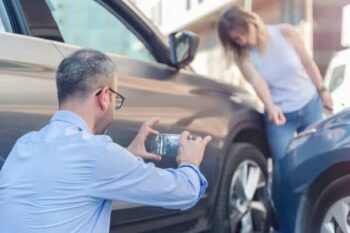
- Take photos of the accident scene and damages.
- Notify both the car owner and your insurance company quickly.
- Follow all instructions from the insurance companies and law enforcement.
Proper steps after an accident help protect your rights and speed up claims.
State And Country Variations
Driving someone else’s car is a common situation. Laws about this vary by state and country. Knowing local rules helps avoid fines or problems.
Some places require the owner’s permission. Others have rules about insurance or age. These differences affect your ability to drive another person’s vehicle.
Local Laws Affecting Permission
Many states require you to have the car owner’s permission to drive their vehicle. Without it, you could face legal trouble.
Insurance also plays a key role. Some states require the driver to be listed on the car insurance. Others cover any licensed driver.
- Permission from the owner is often mandatory.
- Insurance coverage may limit who can drive.
- Age and license type rules vary by state.
- Some places require written consent or temporary permits.
Cross-border Driving Rules
Driving a borrowed car across state or country borders has extra rules. You may need special permission or documents.
Some countries require an international driving permit or proof of insurance that covers cross-border travel. States may have different laws on borrowed vehicles entering from outside.
| Region | Requirement | Notes |
|---|---|---|
| United States (between states) | No special permit usually needed | Owner’s permission and insurance must cover driver |
| European Union | Valid driver’s license and insurance | International permit may be needed outside EU |
| Canada (between provinces) | Driver’s license and permission required | Insurance rules vary by province |
| International | International Driving Permit often required | Check insurance coverage for foreign driving |
Credit: www.nerdwallet.com
Practical Tips Before Driving
Driving someone else’s car needs extra care and attention. You should know the basics before you start.
Check important details to keep yourself and others safe on the road.
Checking The Vehicle Condition
Look over the car to make sure it is safe to drive. Check the tires, brakes, and lights first.
- Check tire pressure and tread
- Test brake response
- Make sure headlights and indicators work
- Look for any leaks under the car
- Check the fuel level
Understanding Car Features
Each car has different controls and features. Take time to learn where everything is.
| Feature | Description |
| Lights | Controls for headlights, fog lights, and indicators |
| Wipers | Switch to control windshield wipers and washer fluid |
| Gear Shift | Type of transmission: manual or automatic |
| Mirrors | Adjust side and rearview mirrors for visibility |
| Dashboard | Shows speed, fuel, engine warnings, and other info |
Emergency Preparedness
Be ready in case of an emergency. Know what to do if the car breaks down or you have an accident.
- Spare tire and jack
- First aid kit
- Flashlight with extra batteries
- Warning triangles or flares
- Emergency contact numbers
Risks And Responsibilities
Driving someone else’s car brings important risks and responsibilities. You must understand what can happen if there is damage or a traffic violation.
Respecting the owner’s property is also key. You should handle the car carefully and follow rules to avoid trouble.
Liability In Case Of Damage
If you damage a car you do not own, you might be responsible for the repair costs. This depends on the agreement with the owner and your insurance.
- Check if the car’s insurance covers other drivers.
- Inform the owner immediately if there is an accident.
- Pay for damages if you are at fault and insurance does not cover it.
- Keep records of all communication and repairs.
Handling Traffic Violations
Traffic tickets or fines received while driving another person’s car usually become the driver’s responsibility. You must handle these quickly to avoid extra penalties.
| Violation | Who Pays | Action Required |
| Speeding Ticket | Driver | Pay fine or contest ticket |
| Parking Violation | Owner or Driver | Check local laws and pay fine |
| Accident Citation | Driver | Report to insurance and owner |
Respecting The Owner’s Property
Driving someone else’s car means you must treat it with care. You should follow rules and respect the owner’s wishes.
Here are key points to respect the owner’s property:
- Do not smoke or eat inside the car if the owner forbids it.
- Park in safe and legal areas only.
- Return the car clean and with the same fuel level.
- Report any damage or issues immediately.
Frequently Asked Questions
Can I Legally Drive Someone Else’s Car?
Yes, you can legally drive someone else’s car if you have their permission. Ensure you have a valid driver’s license and insurance coverage.
Does Insurance Cover Driving Another Person’s Car?
Insurance coverage depends on the policy. Some policies cover occasional drivers, but it’s best to confirm with the car owner’s insurer.
What Risks Exist When Driving Someone Else’s Car?
You risk liability for damages or injuries if uninsured. Also, unauthorized driving may violate insurance terms or laws.
Do I Need Permission To Drive Another Car?
Always get explicit permission from the car owner before driving their vehicle. Unauthorized use can lead to legal issues.
Conclusion
Driving someone else’s car can be okay with permission and proper insurance. Always check the car’s insurance covers other drivers. Follow traffic rules and drive safely. Remember, not all insurance policies allow this. Getting caught without permission or coverage can cause legal trouble.
Respect the owner’s car and handle it carefully. Being responsible keeps you and others safe on the road. Always ask before driving another person’s vehicle. Simple steps help avoid problems and keep driving stress-free.