
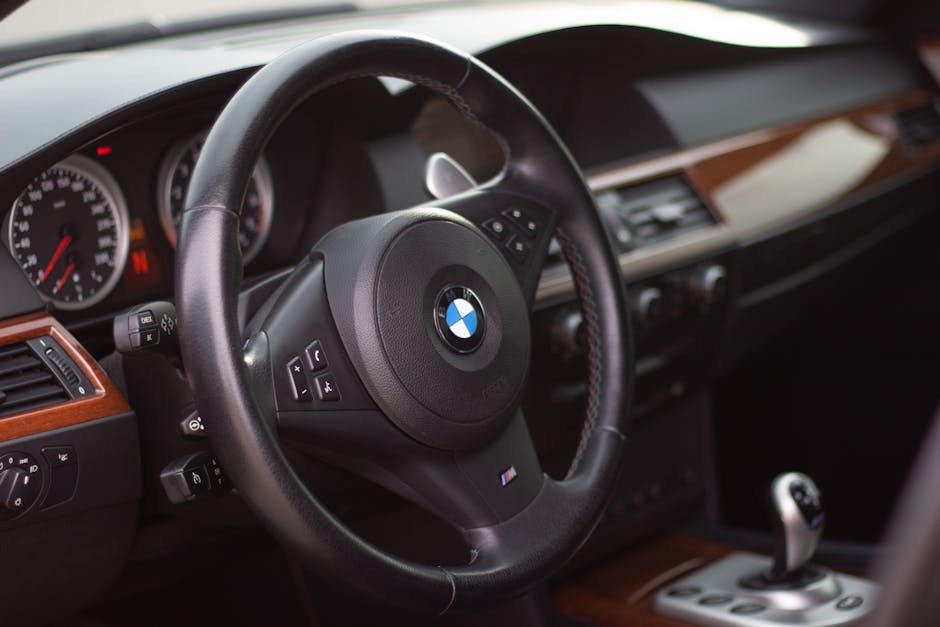
Have you ever wondered if you can change gears in an automatic car while driving? Maybe you’ve seen drivers flicking the gear lever or noticed the paddle shifters behind the steering wheel and felt curious.
Understanding how and when to shift gears in an automatic can make your drive smoother, safer, and more fun. You’ll discover the simple truth about gear changes in automatic cars and learn tips that could improve your driving experience instantly.
Ready to find out what you need to know? Keep reading—you won’t want to miss this.
How Automatic Transmissions Work
Understanding how automatic transmissions work can change the way you drive and maintain your car. Unlike manual gearboxes, automatic transmissions handle gear changes on their own, but that doesn’t mean you can’t influence the process. Knowing the basics helps you decide when and how you might want to shift gears, especially if your car offers manual mode.
Basics Of Automatic Gearboxes
Automatic gearboxes use a complex system of gears, clutches, and fluid to shift gears without driver input. Instead of you pressing a clutch pedal, the transmission uses a torque converter to manage power transfer smoothly. This setup allows the car to accelerate and decelerate without manual gear shifts, making driving easier in stop-and-go traffic.
But how does the transmission know when to change gears? Sensors monitor your speed, engine load, and throttle position. The transmission control unit then decides the best time to shift, aiming for both performance and fuel efficiency.
Types Of Automatic Transmissions
- Traditional Hydraulic Automatic:Uses hydraulic fluid and a planetary gearset to switch gears. It’s reliable and common in many vehicles.
- Continuously Variable Transmission (CVT):Instead of fixed gears, it offers an infinite range of gear ratios. This keeps the engine running at optimal power but can feel different from regular automatics.
- Dual-Clutch Transmission (DCT):Combines two clutches for faster, smoother shifts. You might find these in sports cars and high-performance vehicles.
Knowing these types can help you understand why some automatics let you change gears manually using paddle shifters or gear levers. Have you ever tried shifting gears in your automatic? How did it feel? Sometimes taking control can enhance your driving experience, but it’s important to know how your specific transmission reacts.
Credit: www.slashgear.com
When To Change Gears In An Automatic
Understanding when to change gears in an automatic car helps improve driving safety and vehicle control. Automatic transmissions handle most gear changes, but some situations call for manual input. Knowing the right moments to shift gears can protect your car and ensure a smooth ride.
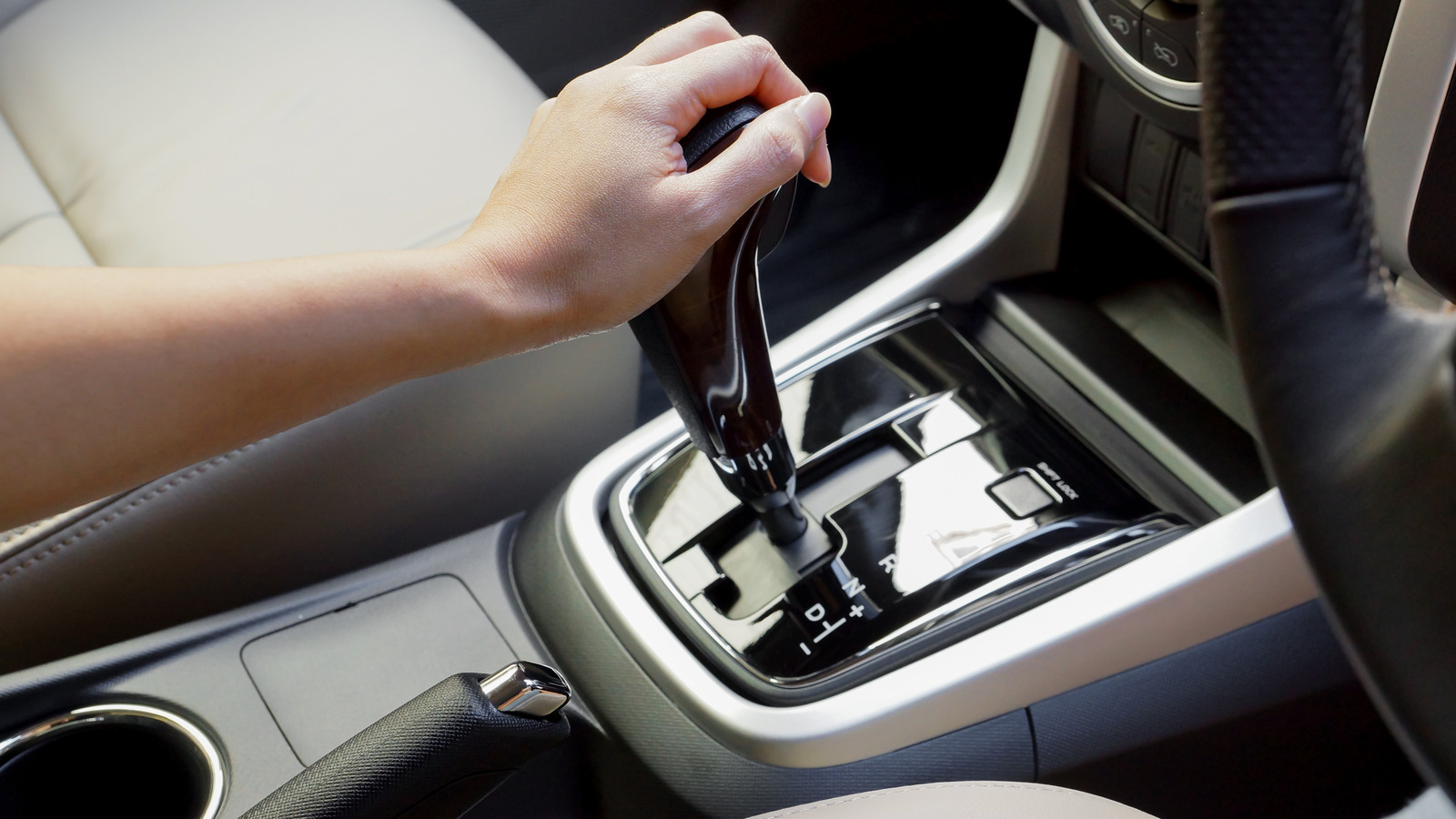
Standard Gear Positions Explained
Automatic cars have several gear positions on the shift lever. Each serves a specific purpose during driving.
- P (Park):Locks the transmission. Use when the car is stopped and parked.
- R (Reverse):Moves the car backward. Use only when the car is fully stopped.
- N (Neutral):Disconnects the engine from the wheels. Use during brief stops or towing.
- D (Drive):The main position for moving forward. The car changes gears automatically here.
- Low Gears (L, 1, 2, 3):Allow manual control of lower gears. Helpful on hills or slippery roads.
Situations That Require Gear Changes
Some driving conditions need manual gear changes to maintain control or protect the engine.
- Steep Hills:Use low gears to prevent the car from rolling backward or overheating brakes.
- Towing:Select lower gears to increase power and reduce strain on the transmission.
- Slippery Roads:Low gears improve traction and reduce wheel spin.
- Starting on a Slope:Use manual gears to control speed and prevent rolling.
- Engine Braking:Shift to a lower gear to slow down without using brakes excessively.
Safety Tips For Gear Changes
Changing gears in an automatic car while driving might seem straightforward, but doing it safely requires attention and the right technique. Your car’s transmission is a complex system that benefits from smooth and thoughtful gear changes. Ignoring safety tips can lead to costly repairs and unsafe driving conditions.
Avoiding Damage To The Transmission
Abrupt gear changes can harm your transmission. Always make sure your car is at the right speed before shifting gears. For example, shifting to reverse or park while the car is still moving can cause serious mechanical damage.
Listen to your car’s engine and transmission sounds. If you hear grinding or unusual noises, stop changing gears and check for issues. Have you ever felt a jolt or hesitation after shifting? That’s a sign to slow down and be more deliberate with your gear changes.
Proper Use Of The Brake Pedal
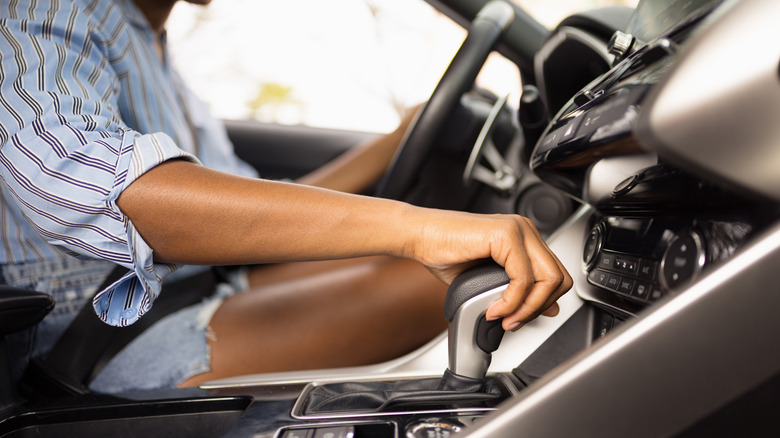
Using the brake pedal correctly is essential when shifting gears. Always press the brake fully before moving the gear lever from “Drive” to “Park” or “Reverse.” This prevents sudden movements and keeps you in control.
When slowing down to change gears, gently apply the brake instead of slamming it. This keeps your car stable and prevents transmission strain. Have you noticed how smooth braking makes gear changes feel easier and safer?
Credit: www.slashgear.com
Common Myths About Automatic Gear Shifting
Many drivers believe automatic cars allow gear changes anytime without harm. These common myths can cause confusion and unsafe driving habits. Knowing the facts helps protect your vehicle and ensures smooth driving.
Shifting To Neutral While Driving
Some think shifting to neutral stops engine power and saves fuel. This idea is false. Shifting to neutral while moving reduces control over the car. It also can damage the transmission over time. Keeping the car in drive keeps the engine connected to the wheels. This helps maintain full control and safety.
Switching Between Drive And Reverse
Switching directly from drive to reverse while driving is a harmful myth. Doing this can cause serious damage to the transmission system. Automatic transmissions are not built to handle sudden direction changes at speed. Always stop the car fully before changing from drive to reverse or vice versa. This protects your car and avoids costly repairs.
Manual Mode In Automatics
Switching gears in an automatic car might seem counterintuitive since one of the main attractions of an automatic transmission is its ability to shift gears for you. However, many modern automatic cars now offer a feature known as ‘Manual Mode.’ This allows you to take control and change gears manually, providing a blend of convenience and control. But how exactly does this work, and what should you keep in mind before using it?
How Manual Mode Works
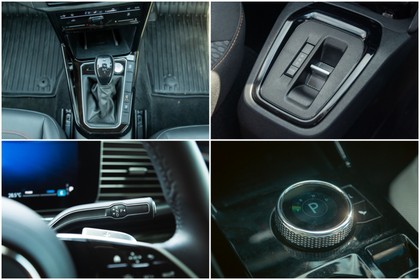
Manual Mode in automatic cars gives you the ability to shift gears using either a gear lever or paddle shifters located on the steering wheel. When activated, the car’s transmission will follow your input rather than automatically deciding the best gear. This allows you to control the car’s acceleration and speed more precisely.
Think of it as your opportunity to play the role of a Formula 1 driver, manipulating gears to extract the best performance from your car. However, unlike a manual car, you don’t need to worry about a clutch pedal. The car’s system automatically manages the clutch for you, simplifying the process.
Benefits And Limitations
Manual Mode offers several benefits that enhance the driving experience. It provides better control when driving in challenging conditions, such as steep inclines or slippery roads. You can also use it to improve fuel efficiency by shifting gears at optimal times, rather than relying on the car’s automatic decisions.
On the flip side, Manual Mode comes with its limitations. You still don’t have the same level of control as a fully manual transmission. The system may override your decisions to prevent engine damage or ensure safety. Additionally, frequent use of Manual Mode can be tiring, especially in stop-and-go traffic.
So, the real question is, how often do you find yourself wishing for more control over your driving experience? If you crave that extra bit of engagement without the hassle of a clutch, Manual Mode in automatics might be just what you’re looking for.
Credit: www.cardekho.com
Troubleshooting Gear Shifting Issues
Gear shifting in an automatic car should feel smooth and effortless. But what happens when it doesn’t? Troubleshooting gear shifting issues early can save you from bigger, costlier repairs down the road. Understanding the signs and knowing when to seek professional help puts you in control of your car’s health and your safety.
Signs Of Transmission Problems
Have you noticed your car hesitating or jerking when changing gears? That’s a clear warning sign.
- Delayed Gear Engagement:Your car takes longer to move after shifting from park to drive.
- Slipping Gears:The engine revs but the car doesn’t accelerate as expected.
- Unusual Noises:Grinding, clunking, or whining sounds during gear changes.
- Warning Lights:The check engine or transmission light flashes on your dashboard.
- Fluid Leaks:Spotting red or brownish fluid under your vehicle can indicate transmission fluid leaks.
Ignoring these signs may worsen the problem. Have you ever felt your car hesitating and wondered if it was just you? Often, it’s not your imagination but a transmission issue demanding your attention.
When To Visit A Mechanic
If you experience any of the signs above, don’t wait for the problem to escalate. Visit a mechanic as soon as possible to diagnose the issue.
- Persistent slipping or delayed engagement requires professional inspection.
- Strange noises during shifting should never be ignored.
- Fluid leaks need immediate attention to avoid transmission damage.
- If warning lights stay on after restarting your car, it’s time for a checkup.
Remember, transmission repairs can be costly. Early detection and maintenance often mean simpler fixes and lower bills. Have you checked your transmission fluid level recently? It’s a quick step that can prevent headaches later on.
Frequently Asked Questions
Can You Manually Shift Gears In An Automatic Car?
Yes, some automatic cars have manual mode or paddle shifters. This lets drivers change gears without a clutch. It offers more control, especially on hills or sporty driving.
Is It Safe To Change Gears While Driving Automatic?
Yes, it’s safe if done correctly. Modern automatics prevent damage by controlling gear shifts electronically. Avoid shifting to reverse or park while moving, as it can harm the transmission.
What Happens If You Shift To Neutral While Driving?
Shifting to neutral cuts power to the wheels but keeps the engine running. It can reduce control and fuel efficiency. Use it only briefly, like during engine stalls or towing.
Can You Switch From Drive To Reverse While Moving?
No, shifting from drive to reverse while moving can severely damage the transmission. Always stop the car completely before changing between these gears.
Conclusion
Changing gears in an automatic car while driving is usually not needed. The car shifts gears on its own to keep the ride smooth. Manually changing gears can harm the transmission if done wrong. Always follow the car’s instructions to stay safe and avoid damage.
Understanding how your automatic car works helps you drive better. Remember, letting the car handle gear changes is best for most drivers. Drive carefully and enjoy a stress-free trip every time.