

Have you ever wondered if you can spray paint your car yourself? Whether you want to fix a scratch or give your ride a fresh new look, spray painting might seem like an easy and affordable option.
But before you grab that can and start spraying, there are important things you need to know. This guide will help you understand what works, what doesn’t, and how to get the best results. Keep reading to discover if spray painting your car is the right choice for you.

Credit: www.amazon.com
Choosing The Right Spray Paint
Choosing the right spray paint is key to a successful car painting job. The perfect paint ensures a smooth, lasting finish. It also matches your car’s style and color. Understanding the types of spray paint and finishes helps you make the best choice. Color matching is crucial for a seamless look. This section breaks down these important points for you.
Types Of Automotive Spray Paint
Automotive spray paints come in different types. Each type has unique features for various needs.
- Enamel Paint:Durable and glossy. Good for a shiny finish.
- Acrylic Paint:Fast drying. Easy to apply and clean.
- Urethane Paint:Strong and long-lasting. Resists chips and scratches.
- Base Coat/Clear Coat:Base coat gives color. Clear coat adds shine and protection.
Choose the type that fits your skill level and project goal.
Matching Paint Colors
Matching paint colors is important for a uniform look. Use your car’s paint code as a guide. Find this code inside the driver’s door or under the hood.
Spray paint brands often offer exact matches. Some stores provide custom mixing services. Test the color on a small area first. This helps avoid surprises after painting.
Selecting The Right Finish
Finish affects how your car looks and protects the paint. Choose from these common finishes:
- Glossy:Shiny and reflective. Makes colors pop.
- Satin:Soft shine. Hides minor imperfections well.
- Matte:Flat, no shine. Gives a modern, sleek look.
Consider your car’s style and your personal taste. The right finish improves both appearance and durability.
Preparing Your Car Surface
Preparing your car surface is crucial before applying spray paint. It ensures the paint sticks well and lasts longer. A clean, smooth surface prevents bubbles and peeling. Proper preparation also improves the final look. Follow these key steps to get your car ready for spray painting.
Cleaning And Degreasing
Start by washing the car thoroughly with soap and water. Remove dirt, grease, and oils that block paint adhesion. Use a degreaser or rubbing alcohol to clean tough spots. Dry the surface with a clean cloth. A spotless surface helps paint bond tightly.
Sanding Techniques
Sanding smooths the surface and removes old paint layers. Use fine-grit sandpaper, around 400 to 600 grit, for best results. Sand evenly in circular motions to avoid scratches. Focus on rough areas and edges. Wipe dust off with a damp cloth after sanding.
Repairing Dents And Scratches
Fill dents and scratches with body filler or putty. Apply it with a spreader and let it dry completely. Sand the filled areas until smooth and flush with the surface. Clean the area again to remove dust and debris. Fixing imperfections prevents paint flaws and uneven finish.
Setting Up Your Workspace
Setting up your workspace is crucial before spraying paint on your car. A well-prepared area helps achieve smooth results and keeps you safe. Taking time to prepare reduces mistakes and protects your surroundings.
Ideal Environment Conditions
Choose a dry place with little wind. Avoid humid days as moisture affects paint drying. A shaded area prevents sunlight from drying paint too fast. Make sure the temperature is between 50°F and 85°F for best results.
Protecting Surrounding Areas
Cover nearby objects with plastic sheets or drop cloths. Use painter’s tape to mask off car parts you don’t want painted. Protect the ground with cardboard or old newspapers to catch overspray. Keep the area clear of flammable materials to avoid fire hazards.
Essential Safety Gear
- Wear a respirator mask to avoid inhaling fumes.
- Use safety goggles to protect your eyes from spray.
- Wear gloves to keep paint off your skin.
- Put on long sleeves and pants to shield your body.
- Ensure good ventilation to reduce exposure to harmful vapors.

Credit: www.youtube.com
Spray Painting Techniques
Spray painting your car can give it a fresh, professional look if done with the right techniques. The key lies in mastering your spray gun, applying even coats, and managing drying times effectively. These skills not only improve the finish but also save you from costly mistakes and wasted paint.
Proper Spray Gun Handling
Holding the spray gun correctly is essential for a smooth finish. Keep the gun about 6 to 8 inches from the car surface, moving it steadily and parallel to the body. Avoid stopping in one spot to prevent paint buildup and drips.
Try to maintain a consistent speed and distance. If the paint starts to look uneven, it’s often due to inconsistent movement or holding the gun too close. Have you noticed how a steady hand changes the paint texture dramatically?
Achieving Even Coats
Applying thin, even coats is better than one thick coat that can run or peel. Spray in overlapping passes, about 50% over the previous one, to avoid streaks and patches. Multiple light layers build up a stronger, smoother finish.
Don’t rush your work. Let each coat flash off slightly before applying the next. This helps the paint adhere better and reduces the chance of imperfections. Have you ever tried a second coat too soon and ended up with bubbles or uneven spots?
Managing Drying Times
Drying times vary depending on the paint type, temperature, and humidity. Always check the paint can for recommended drying times before touching or recoating. Rushing this step can ruin your hard work with fingerprints or smudges.
Use a warm, dust-free environment to speed drying without compromising quality. If you’re unsure, wait a bit longer—patience here pays off. How often have you wished you had just waited a few more minutes before handling the paint?
Post-painting Care
Post-painting care is crucial for a lasting car finish. After spray painting, taking the right steps ensures a smooth and durable coat. Let’s explore essential post-painting care tips.
Removing Masking Tape
Remove masking tape while the paint is slightly tacky. This prevents tearing and uneven edges. Pull the tape back on itself at a 45-degree angle. This technique helps avoid lifting the paint. Be gentle to maintain clean lines.
Polishing And Buffing
After the paint dries, polish the surface to enhance shine. Use a soft cloth and a gentle polish. Buff the car with circular motions. This removes minor imperfections. It also adds a glossy finish.
Maintaining The Paint Job
Regular washing keeps the paint looking fresh. Use mild soap and water. Avoid harsh chemicals to prevent damage. Wax the car every few months. This protects the paint from weather elements. Park in the shade to reduce sun exposure. This helps in maintaining the vibrant color.
Common Mistakes To Avoid
Spray painting your car can be a rewarding DIY project, but it’s easy to slip up if you’re not careful. Avoiding common mistakes can save you time, money, and frustration. Let’s look at some key errors to watch out for so your paint job turns out smooth and professional.
Overlapping And Runs
One of the most frequent issues with spray painting is overlapping too much or spraying too heavily. This causes paint runs and uneven layers that ruin the finish. Instead, apply thin, even coats and let each layer dry before adding the next.
Think about your hand movements—are you steady and consistent? Quick bursts or staying too long in one spot can create drips. Practice on a scrap piece first to get a feel for the spray pattern and distance.
Ignoring Surface Prep
Skipping proper surface preparation is a costly mistake. Dirt, grease, or old paint can prevent new paint from sticking properly. Clean your car thoroughly and sand the surface to create a smooth base.
If you don’t prep well, your paint might peel or chip quickly. Have you ever seen a paint job bubble up days after? That’s often due to poor prep. Take your time here—it’s the foundation of a lasting finish.
Using Incorrect Paint Types
Choosing the wrong paint type can lead to bad results, no matter how well you spray. Automotive paint is specially formulated to withstand weather and wear. Household spray paints might look fine initially but won’t hold up on your car’s surface.
Check labels carefully and pick paint designed for automotive use. Are you using primer, base coat, and clear coat correctly? Each layer has a purpose and using the wrong type can cause fading or cracking over time.
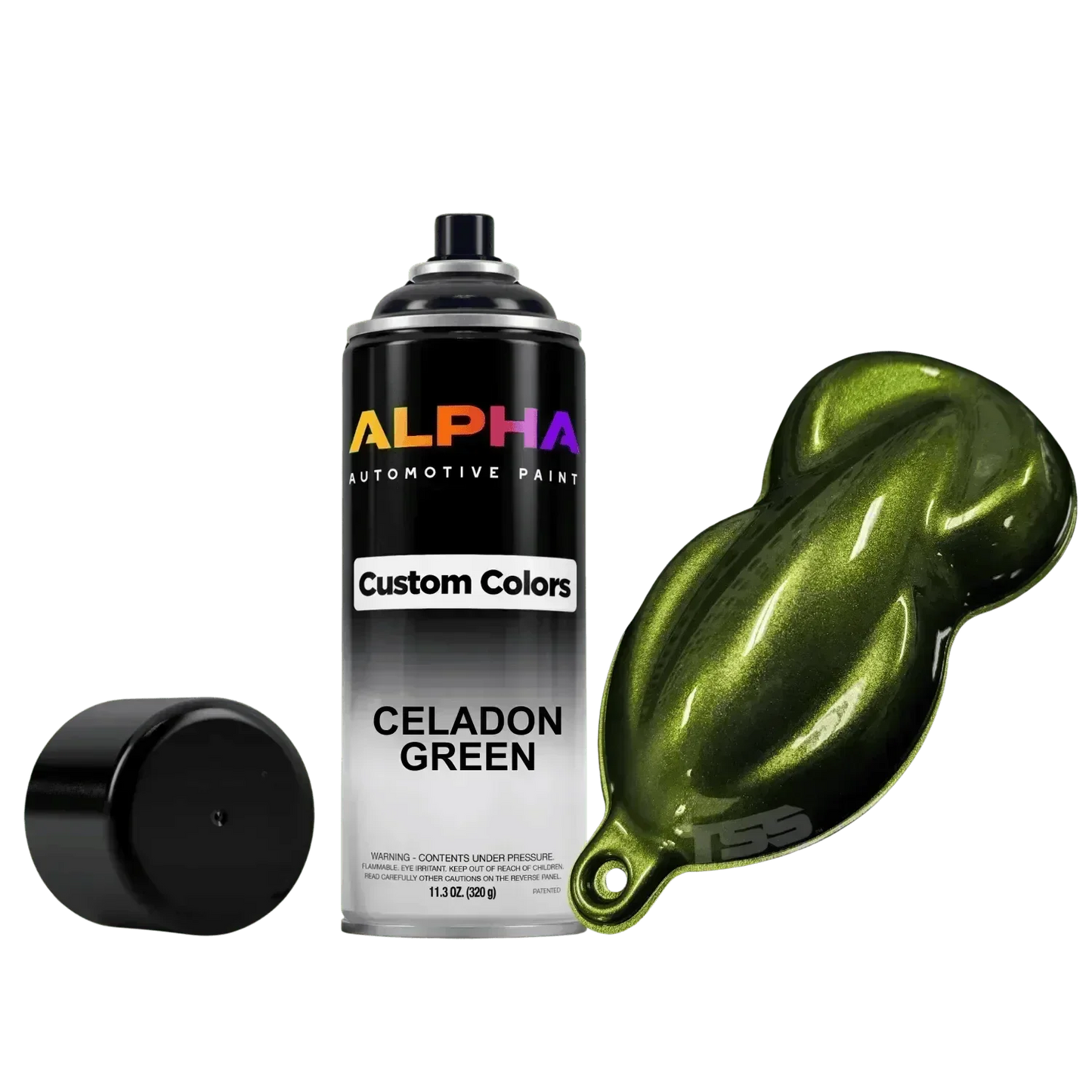
Credit: thespraysource.com
Frequently Asked Questions
Can You Spray Paint A Car At Home?
Yes, you can spray paint a car at home with proper preparation. Use quality paint, work in a ventilated area, and apply even coats. Mask areas not to be painted, and allow enough drying time between layers for best results.
Is Spray Paint Durable For Car Exteriors?
Spray paint can be durable if applied correctly with automotive-grade paint. It resists weather and minor scratches but may not last as long as professional paint jobs. Proper surface prep and clear coat application improve durability significantly.
How Many Coats Of Spray Paint Does A Car Need?
Typically, 3 to 4 coats of spray paint are recommended for full coverage. Apply thin, even coats to avoid drips. Follow with a clear coat to protect the paint and enhance shine for a lasting finish.
Can Spray Paint Cause Damage To A Car’s Surface?
Spray paint won’t damage the car if applied properly. Poor prep or using the wrong paint type can cause peeling or uneven finish. Always clean, sand, and prime the surface before spraying for best results.
Conclusion
Spray painting a car can be a good option for small jobs. It saves time and money compared to professional painting. Still, surface preparation matters a lot for good results. Choose the right paint and apply it carefully. Avoid rushing the process to prevent uneven coats.
Spray paint works best on clean, dry surfaces. With patience and care, you can improve your car’s look. Just remember, it might not last as long as a professional job. Simple steps make a big difference in how your car looks.