

Are you looking to refresh your car’s look without spending a fortune? A can of car spray paint might be just what you need.
It’s quick, easy, and gives you the power to fix scratches, change colors, or add a personal touch right at home. But before you grab that spray can, there are important tips and tricks you should know to get the best results.
Keep reading, and you’ll discover how to make your car shine like new with just one simple tool.

Credit: www.amazon.com
Choosing The Right Spray Paint
Choosing the right spray paint for your car can make a huge difference in the final look and durability of your paint job. It’s not just about grabbing any can off the shelf. You need to think about color matching, paint type, and the brand’s reliability to get results that last and look professional.
Matching Your Car’s Color
Getting the exact color match is crucial. Your car’s original paint code is usually found inside the door frame or under the hood. Use this code to find spray paint that matches perfectly.
Even small differences in shade can be very noticeable. Test the spray paint on a small hidden area before applying it to the entire surface. Have you ever noticed how a slight color mismatch ruins the look of a well-maintained car?
Types Of Automotive Spray Paint
There are several types of spray paint for cars: acrylic enamel, acrylic lacquer, and urethane. Acrylic enamel is easy to apply and budget-friendly, but it’s less durable. Acrylic lacquer dries quickly but can peel over time.
Urethane spray paint stands out for its toughness and glossy finish. It’s often used by professionals because it resists chips and UV damage. Consider how much time and effort you want to invest in your paint job when choosing the type.
Quality And Brand Considerations
Not all spray paints are created equal. Trusted brands usually offer better coverage, smoother finishes, and longer-lasting protection. Cheaper options might save money upfront but could lead to peeling or fading.
Look for reviews and ask around for recommendations. Sometimes spending a little more on quality paint will save you time and money in the long run. Which would you prefer: a quick fix or a paint job that stands the test of time?
Preparing Your Car Surface
Preparing your car surface is crucial before using a can of car spray paint. Proper preparation helps the paint stick well and look smooth. It also prevents problems like peeling or uneven color. Taking time to prepare ensures the best finish and longer-lasting results.
Cleaning And Sanding
Start by washing the car surface thoroughly. Remove dirt, grease, and old wax with soap and water. Dry the area completely before sanding. Use fine-grit sandpaper to gently roughen the surface. Sanding helps the paint stick better. Wipe off dust with a clean cloth after sanding.
Repairing Dents And Scratches
Check the surface for dents and scratches. Fill small dents with body filler or putty. Smooth the filler with sandpaper once it dries. For scratches, use a scratch remover or sand them lightly. Fixing these imperfections creates a smooth base for painting.
Priming For Best Results
Apply a primer to the prepared surface. Primer improves paint adhesion and durability. Use a spray primer for an even coat. Let the primer dry completely before painting. This step helps achieve a professional and long-lasting finish.
Spray Painting Techniques
Spray painting a car requires careful technique to achieve a smooth, even finish. Using a can of car spray paint correctly helps prevent drips and uneven color. Each step plays a key role in the final result.
Shaking And Testing The Can
Shake the can for at least one minute. This mixes the paint inside evenly. Test spray on a piece of cardboard first. This checks the spray pattern and paint flow. Adjust your spray pressure if needed.
Maintaining Proper Distance
Hold the can about 6 to 12 inches from the surface. This distance controls paint coverage. Too close causes runs and drips. Too far leads to thin, patchy layers.
Applying Even Coats
Spray in slow, steady strokes. Keep the can moving to avoid buildup. Apply several light coats instead of one heavy coat. Allow each coat to dry before adding the next.
Avoiding Common Mistakes
- Do not spray in direct sunlight or windy conditions.
- Avoid shaking the can for less than a minute.
- Never hold the can too close or too far.
- Do not apply thick coats in one pass.
- Avoid rushing between coats to prevent uneven drying.
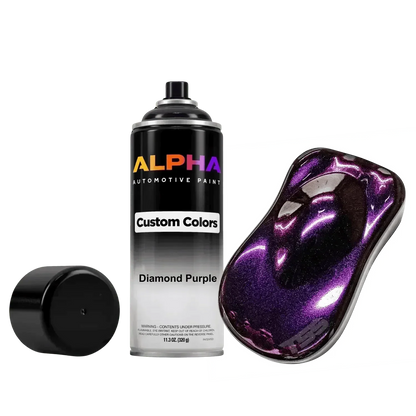
Credit: thespraysource.com
Drying And Curing Process
Spray paint needs time to dry fully before handling to avoid smudges. Curing strengthens the paint, making it durable and long-lasting. Proper drying and curing ensure a smooth, even finish on your car.
The drying and curing process of a can of car spray paint is crucial for achieving a smooth and lasting finish. Understanding the nuances of this process can save you from common pitfalls and ensure your paint job not only looks great but also stands the test of time. Whether you’re working on a small touch-up or a complete repaint, knowing how to manage drying and curing will significantly impact the outcome.Optimal Drying Times
Each can of spray paint typically provides recommended drying times on its label. These times can vary depending on the brand and type of paint. A general rule of thumb is to allow each coat to dry for at least 15-30 minutes before applying the next. However, don’t rush the process. Rushing can lead to drips and uneven texture.Environmental Factors
Environmental conditions play a significant role in the drying process. High humidity can slow down drying, while a well-ventilated, warm area can expedite it. If you’re painting in a garage, consider using fans to circulate air. Avoid windy or dusty areas to prevent debris from sticking to the wet paint. Have you ever wondered how much weather affects your DIY projects? It’s more than you might think.Handling After Paint
Once the paint is dry to the touch, it’s tempting to start handling your freshly painted car part. However, the curing process can take days or even weeks. During this time, the paint hardens and reaches its maximum durability. To avoid fingerprints or smudges, wait at least 24-48 hours before handling. Use caution when parking or driving immediately after painting to avoid damage. Incorporating these practices into your painting routine can improve your results. What small changes can you make today to get that professional finish? Remember, patience in the drying and curing process is your ally.Post-painting Care
After applying car spray paint, proper care keeps the finish fresh and lasting. Taking a little time to care for the paint helps avoid damage and dullness. Clean and smooth surfaces look better and protect the car’s metal underneath.
Buffing And Polishing
Buffing removes small paint imperfections and smooths the surface. Use a soft cloth or a machine buffer for best results. Polishing adds shine and makes the paint look new. Always use polish made for automotive finishes to avoid damage.
Waxing For Protection
Waxing creates a protective layer on the paint. It shields against dirt, water, and sunlight. Apply wax using a soft cloth and spread evenly. Let it dry, then buff lightly for a glossy finish. Wax should be applied every few months to keep protection strong.
Touch-up Maintenance Tips
- Keep a small can of matching spray paint ready for chips.
- Clean the area before touching up to help paint stick.
- Apply thin coats to avoid drips and uneven spots.
- Allow each coat to dry fully before adding more.
- Store paint cans in a cool, dry place to maintain quality.
Safety Tips And Precautions
Handling a can of car spray paint might seem straightforward, but ignoring safety can lead to serious health risks and accidents. Taking the right precautions not only protects you but also ensures your project turns out just as you envisioned. Let’s look at some crucial safety tips that can keep your painting experience safe and successful.
Proper Ventilation
Spray paint releases fumes that can be harmful if inhaled in large amounts. Always work in a well-ventilated area to reduce exposure to these chemicals. If you’re indoors, open windows and use fans to keep the air moving and fresh.
Have you ever felt dizzy or had a headache while painting? That’s often a sign of poor ventilation. Don’t risk your health—make sure fresh air is always circulating around your workspace.
Protective Gear
Wearing the right protective gear is essential when using spray paint. At a minimum, use a mask designed to filter paint fumes, safety goggles to protect your eyes, and gloves to keep paint off your skin.
Think of protective gear as your personal barrier against harmful substances. Without it, you might experience skin irritation or respiratory issues. Investing in good gear shows you value your health.
Disposal Of Paint Cans
Empty or leftover spray paint cans are considered hazardous waste. Don’t throw them in regular trash as they can cause fires or environmental damage. Check local guidelines for disposing of or recycling paint cans safely.
Have you ever wondered where your used paint cans end up? Proper disposal helps keep your community safe and prevents pollution. It’s a small step that makes a big difference for the environment.
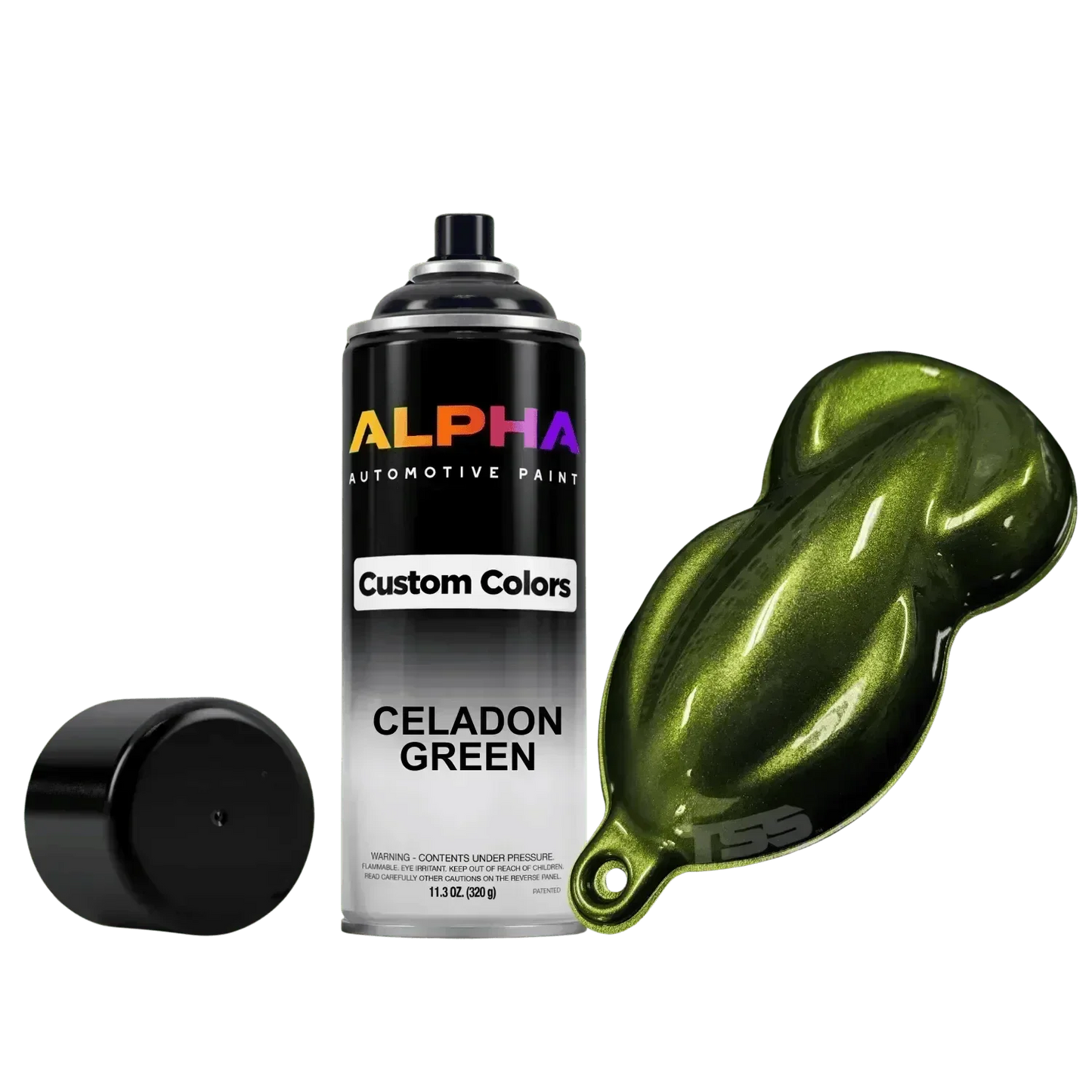
Credit: thespraysource.com
Frequently Asked Questions
What Is The Best Can Of Car Spray Paint To Buy?
The best car spray paint offers durable coverage, matches your car’s color, and is easy to apply. Look for brands with high reviews and good UV resistance.
How To Prepare A Car Surface For Spray Paint?
Clean the surface thoroughly, sand it smooth, and apply a primer. This ensures better paint adhesion and a professional finish.
How Long Does Car Spray Paint Take To Dry?
Car spray paint usually dries to touch in 30 minutes. Full curing can take 24 to 48 hours depending on conditions.
Can I Use Can Spray Paint For Car Touch-ups?
Yes, can spray paint is ideal for small touch-ups. It provides a quick, cost-effective way to fix minor scratches and chips.
Conclusion
A can of car spray paint offers a quick way to fix small car scratches. It saves time and money compared to full paint jobs. Choose the right color to match your car. Always spray in a clean, dry place for best results.
Practice on a test surface before painting your car. This simple tool can keep your car looking fresh and neat. Small fixes can make a big difference. Easy to use and handy to have around.