
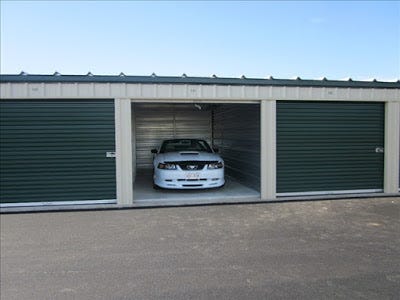
Are you wondering if you can store your car in a storage unit? Whether you need extra space during a move, want to protect your vehicle from harsh weather, or simply have no garage available, this question is important.
You want to make sure your car stays safe, secure, and in good condition while it’s tucked away. You’ll discover exactly what you need to know before storing your car in a storage unit, including the best options, common rules, and expert tips to keep your vehicle protected.
Keep reading to find out how to make the most of your storage space without risking your car’s safety.
Choosing The Right Storage Unit
Choosing the right storage unit is key to keeping your car safe and in good shape. The right unit protects your vehicle from weather, theft, and damage. It also makes it easy to access your car when needed. Focus on size, climate control, and security to find a unit that suits your needs.
Size And Accessibility
Pick a unit large enough for your car and extra items like tools or covers. Ensure there is space to walk around the vehicle comfortably. Easy access is important for regular check-ups or quick trips. Ground-level units or those with wide doors work best. Consider drive-up access for easier parking and removal.
Climate Control Options
Climate control helps protect your car from extreme heat, cold, and moisture. These conditions can cause rust, paint damage, and mechanical problems. Units with temperature and humidity control keep your car in better condition. They are especially useful for classic or luxury cars. Check if the storage unit offers this option if you want long-term protection.
Security Features
Security is vital to prevent theft or vandalism. Look for units with gated access and security cameras. On-site staff or regular patrols add extra safety. Good lighting around the unit also deters intruders. Choose a storage facility with a strong reputation for security.

Credit: www.devonselfstorage.com
Preparing Your Car For Storage
Preparing your car for storage is essential to keep it in good shape while it’s tucked away. Skipping this step can lead to unexpected issues when you take it out again. Taking a little time now can save you from costly repairs later.
Cleaning And Maintenance
Start by giving your car a thorough wash, both inside and out. Dirt and grime can damage the paint over time, especially in a closed space. Clean the interior to avoid mold or unpleasant odors.
Waxing the exterior adds an extra layer of protection against dust and moisture. Check for any minor repairs like scratches or dents that could worsen during storage. Think about how your car looks when you pull it out—don’t let dirt and damage ruin that moment.
Fluid Levels And Tire Care
Top off all essential fluids: oil, coolant, brake fluid, and windshield washer fluid. Fresh fluids help prevent corrosion and keep systems in good condition. Avoid overfilling, as fluids can expand in varying temperatures.
Inflate your tires to the recommended pressure to prevent flat spots from developing. If possible, consider using tire cradles or moving the car periodically to relieve pressure. Have you noticed how tires lose shape when a car just sits for months?
Battery And Fuel Considerations
Disconnect the battery or use a trickle charger to keep it from dying. A dead battery can lead to electrical problems when you’re ready to drive again. If you decide to leave the battery connected, check it regularly during storage.
Fill the gas tank to prevent moisture build-up and add a fuel stabilizer to keep the fuel fresh. Stale fuel can clog your engine and create costly problems. Think about the last time you dealt with old fuel—it’s not worth the hassle.
Benefits Of Storing A Car In A Unit
Storing a car in a storage unit protects it from weather damage and theft. It also frees up space at home and keeps the vehicle clean. This option is perfect for seasonal or long-term storage needs.
Storing a car in a storage unit offers numerous advantages. It ensures the vehicle remains in top condition. This practice is both practical and beneficial. Below are some key benefits.Protection From Weather
A storage unit shields your car from harsh weather. Rain, snow, and sun can harm a vehicle’s exterior. Storage units provide a controlled environment. This helps maintain your car’s appearance and value. It reduces the risk of rust and paint damage.Theft And Vandalism Prevention
Storing a car in a unit increases security. It reduces the chances of theft and vandalism. Storage facilities often have surveillance cameras. Many also offer gated access and security personnel. This creates a safe space for your vehicle.Space Optimization
Using a storage unit can free up space at home. Garages often get cluttered with tools and boxes. Storing your car elsewhere provides more room. This can enhance your home’s organization. It also gives you more space for other activities or storage needs.
Credit: www.louthselfstorage.co.uk
Common Storage Unit Restrictions
Storing your car in a storage unit might sound simple, but there are several restrictions you need to know before making a decision. These rules are in place to protect your vehicle, the facility, and other renters. Understanding these common storage unit restrictions can save you from unexpected issues and extra costs.
Prohibited Items And Conditions
Most storage facilities don’t allow hazardous materials like gasoline, oil, or batteries to be stored alongside your car. These items can cause serious safety risks, including fire hazards. Also, many places require your vehicle to be clean and free of leaks before storing it.
Have you checked if your car’s fluids are allowed to stay inside? Some units insist on draining fuel or disconnecting the battery to prevent damage or accidents. It’s worth asking the facility about specific conditions to keep your car safe and compliant.
Insurance Requirements
Storage units rarely provide insurance for your vehicle, so you’ll need to check if your own car insurance covers storage scenarios. Some facilities might require proof of insurance before you can rent a unit.
You might also want to consider purchasing additional coverage tailored for storage situations. This can protect you against theft, vandalism, or damage caused by environmental factors. Have you reviewed your insurance policy recently to confirm what is covered?
Access Limitations
Access to your storage unit can be limited by the facility’s hours or security rules. You might not be able to visit your car anytime you want, which could be inconvenient if you need it unexpectedly.
Some places restrict access during holidays or late at night. It’s important to ask about these limitations before renting. How often do you think you’ll need to get to your car while it’s in storage?
Cost Factors And Rental Tips
Storing a car in a storage unit involves several cost factors that can affect your budget. Knowing what influences the price helps you make smarter choices and avoid unexpected fees. Along with cost, picking the right rental agreement ensures your car stays safe and accessible when you need it.
Pricing Based On Unit Type
Storage units come in different types, and each affects the price you pay. Outdoor parking spaces usually cost less but offer less protection from weather and theft. Enclosed units provide better security and climate control, which can be crucial if your car is a classic or sensitive to temperature changes.
Think about the size too. Larger units cost more but give you extra space for tools or car covers. If you want to save money, ask if the facility offers discounts for smaller units or shared spaces.
Long-term Vs Short-term Storage
How long you plan to store your car matters a lot in pricing. Short-term storage might seem easy, but daily or weekly rates add up quickly. Long-term rentals often come with better rates, so if you’re storing your car for months, ask about monthly discounts.
Keep in mind that some places require a minimum rental period. Check if they charge extra for early termination or late payments. Planning ahead can help you avoid these hidden costs.
Choosing The Best Rental Agreement
Not all rental agreements are created equal. Look closely at what the contract covers, especially regarding access hours and insurance requirements. Some storage facilities require you to have insurance on your vehicle even while it’s stored.
Ask about maintenance rules too. Can you visit your car anytime? Are there restrictions on starting or moving it? These details can save you headaches later. Always read the fine print before signing to make sure the agreement fits your needs.
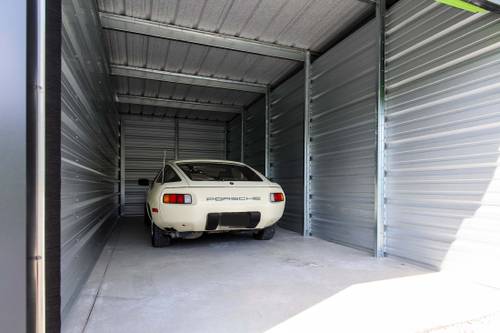
Credit: www.neststorage.ca
Maintaining Your Car During Storage
Maintaining a car in storage is key to keeping it in good shape. Cars that sit unused can develop problems fast. Simple care steps protect the engine, tires, and interior. These habits help the vehicle stay ready for the road.
Regular Checks And Maintenance
Check the car weekly or biweekly. Look for leaks, tire pressure, and battery health. Clean the car to avoid dirt build-up. Top off fluids like oil, coolant, and brake fluid. Keep the gas tank full to reduce moisture inside.
Starting The Vehicle Periodically
Start the engine every two weeks. Let it run for 10 to 15 minutes. This keeps the battery charged and fluids circulating. It also prevents seals from drying out. Drive the car a short distance if possible. This helps avoid tire flat spots and brake issues.
Preventing Mold And Pests
Store the car in a dry, well-ventilated space. Use moisture absorbers to reduce dampness inside. Cover vents with fine mesh to block insects and rodents. Keep food and trash away from the storage area. Regularly inspect for signs of pests or mold growth.
Frequently Asked Questions
Can I Store A Car In A Climate-controlled Unit?
Yes, climate-controlled units protect your car from temperature changes and moisture. They prevent rust, mold, and interior damage, ideal for long-term storage.
What Size Storage Unit Fits A Car?
A 10×20 feet unit usually fits most cars. It offers enough space for the vehicle and some extra room for access.
Are Storage Units Safe For Car Storage?
Storage units with security features like cameras, gates, and alarms provide good protection. Choose a reputable facility for added peace of mind.
Can I Store A Car With Fuel Inside?
It’s best to store a car with a nearly empty fuel tank. Avoid storing with a full tank due to fire and fume hazards.
Conclusion
Storing a car in a storage unit can be a smart choice. Choose the right unit size and type for your vehicle. Keep the car clean and topped off with fuel before storing. Check the storage facility’s rules on vehicle storage.
Regularly visit your car to keep it in good shape. Proper preparation helps protect your car from damage. This simple care keeps your vehicle ready to drive. Consider these steps for safe and easy car storage.