

Are you wondering if you can park your car inside a storage unit? Maybe you need a safe place to keep your vehicle during a move, or you want extra protection from the weather.
It’s a question many people ask but don’t always find clear answers to. You’ll discover exactly what you need to know about parking a car in a storage unit. By the end, you’ll feel confident about whether this option works for you—and how to do it right.
Keep reading to find out the important details that could save you time, money, and hassle.
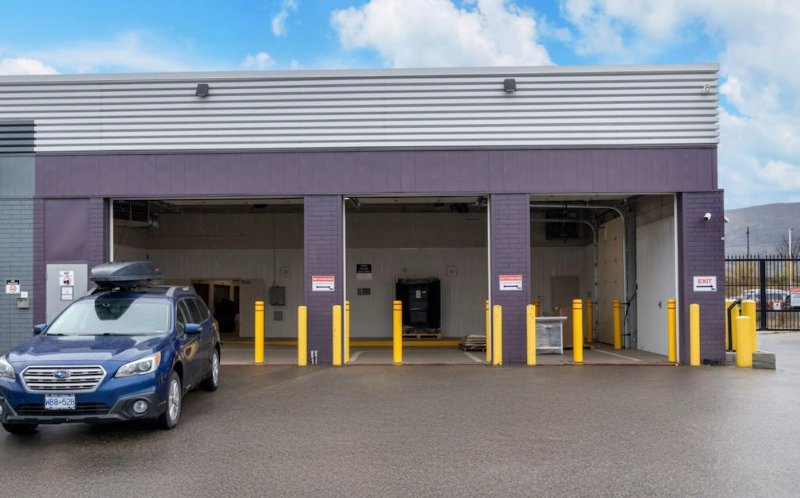
Credit: vernon-bc.findstoragefast.ca
Parking In Storage Units
Parking a car in a storage unit can be a smart solution if you need to free up space at home or protect your vehicle from weather damage. However, not all storage units are designed for vehicles, so choosing the right type is crucial. Understanding your options helps you make the best decision for your car’s safety and your convenience.
Types Of Storage Units Suitable For Vehicles
Vehicle storage units vary widely in size and features. Some units are specifically designed to fit cars, trucks, motorcycles, or even boats. These units often have larger door openings and higher ceilings to accommodate vehicles comfortably.
Common types include:
- Garage-style units:These resemble a typical garage and provide easy drive-in access.
- Drive-up units:You can park your car directly in front of these units, which is ideal for quick access.
- Climate-controlled units:These protect your vehicle from extreme temperatures and humidity, which is important if you plan to store it long-term.
Ask yourself: How long will you store the car? Will you need to access it frequently? Your answers help determine the best unit type for your needs.
Indoor Vs Outdoor Parking Options
Indoor storage units offer better protection against weather, theft, and vandalism. Your car stays shielded from rain, snow, sun, and dust, which helps preserve its paint and interior.
Outdoor parking spaces are usually more affordable but come with fewer protections. They might be fenced and gated, but your vehicle remains exposed to the elements.
Consider these factors before deciding:
- Security:Indoor units often have better surveillance and restricted access.
- Climate impact:Harsh weather can cause rust and damage to your vehicle if stored outside.
- Cost:Outdoor parking is cheaper but might lead to higher maintenance costs over time.
Think about how much protection your vehicle needs and how much you’re willing to spend. Is convenience or cost your priority?
Rules To Consider
Parking a car in a storage unit has specific rules to follow. These rules protect both the vehicle and the storage facility. Understanding these guidelines helps avoid surprises and extra fees. Knowing what to expect makes the process smooth and safe.
Storage Facility Policies
Each storage facility has its own set of rules. Some allow car parking inside units, while others only offer outdoor parking. Check if the unit size fits your vehicle. Some places forbid parking if the car leaks fluids. Look for any rules about battery disconnection or tire pressure. Always confirm access hours and security measures.
Insurance Requirements
Insurance is often mandatory for vehicles in storage. Your regular car insurance may not cover damage in storage. Some facilities require you to buy extra insurance. This protects against theft, fire, or weather damage. Keep a copy of your insurance proof with the facility. Ask about liability coverage for accidents on site.
Lease Agreements And Restrictions
Lease agreements contain vital parking details. They state what types of vehicles you can store. Some leases prohibit storing non-operational cars. Review terms about the length of storage and payment schedules. Note any fees for late payments or early termination. Follow all rules to avoid lease violations or eviction.
Preparing Your Car For Storage
Parking a car in a storage unit needs careful preparation to protect it from damage. Clean the car, fill the gas tank, and disconnect the battery for safety. Cover the vehicle to shield it from dust and moisture during storage.
Preparing your car for storage is crucial for keeping it in good condition. Proper preparation ensures your car remains in top shape during its stay in a storage unit. This involves a few essential steps that cover cleaning, maintenance, and safety precautions.Cleaning And Maintenance Tips
Before storing your car, give it a thorough wash and wax. This protects the paint from dust and dirt. Clean the interior, removing any food crumbs and trash. Vacuum the carpets and seats to prevent mold and odors. Check fluid levels, including oil, coolant, and brake fluid. Top them up if necessary. Regular maintenance prevents unexpected issues when you retrieve your car.Fuel And Battery Care
Fill the gas tank to prevent moisture build-up inside the tank. Add a fuel stabilizer to keep the fuel fresh. Disconnect the battery or use a battery maintainer to prevent it from dying. This ensures the car starts smoothly after storage. Consider removing the battery if the storage period is long.Tire And Brake Precautions
Inflate the tires to the recommended pressure to avoid flat spots. Use tire jacks or blocks to relieve pressure on the tires. Release the parking brake to prevent it from sticking. Use wheel chocks to keep the car from moving. These steps ensure your car’s wheels and brakes remain in good condition.Safety And Security Measures
Parking a car in a storage unit requires careful attention to safety and security. Protecting your vehicle from theft, vandalism, and damage is crucial. Proper security measures give peace of mind while your car stays stored.
Choosing A Secure Facility
Select a storage facility with strong security features. Look for places with:
- Gated access and controlled entry points
- 24/7 video surveillance cameras
- On-site security personnel or regular patrols
- Good lighting throughout the property
- Individual unit alarms or sensors
A secure facility reduces risks and keeps your car safe.
Using Additional Security Devices
Enhance your car’s protection inside the storage unit. Consider these devices:
- High-quality disc or U-locks on the storage door
- Steering wheel locks or brake pedal locks
- Car alarms with motion sensors
- Wheel clamps to prevent movement
- Cover the car to protect paint and interior
These extra measures add layers of security against theft or damage.
Costs And Fees
Parking a car in a storage unit involves understanding the costs and fees that come with it. Knowing these expenses upfront helps you budget better and avoid surprises. Let’s break down the typical pricing and extra charges you might encounter.
Typical Pricing Structures
Storage units for cars usually charge monthly fees based on the unit size and location. Smaller units or outdoor parking spots tend to cost less, while larger indoor garages can be pricier.
- Small units:Around $50 to $100 per month, good for compact cars or motorcycles.
- Standard units:Typically $100 to $200 monthly, suitable for most sedans and SUVs.
- Large units or premium indoor garages:Can range from $200 to $400 or more, offering extra protection and convenience.
Prices also vary depending on the city or state, so location plays a big role. You might find a great deal in a rural area but expect higher fees in urban centers.
Additional Charges To Expect
Beyond the monthly rent, you should anticipate some extra fees. Storage facilities often add costs for access, insurance, and security.
- Access fees:Some places charge if you want 24/7 entry instead of limited hours.
- Insurance:Many facilities require insurance to protect your vehicle, either through their plan or your own policy.
- Administrative fees:Initial setup or paperwork fees can add $20 to $50 to your first payment.
- Late payment penalties:Missing a payment can trigger additional charges, sometimes a percentage of your rent.
Have you considered how often you’ll need access to your car? Choosing a unit with flexible access might save you from unexpected fees. Also, check if the facility offers any discounts for long-term rentals or upfront payments—these can make a big difference.

Credit: www.a1storage.com
Alternatives To Storage Unit Parking
Finding a safe spot for your car can be tricky without a storage unit. Several options exist outside of storage unit parking. These alternatives offer convenience, security, and sometimes cost savings. Explore these choices to find what fits your needs best.
Driveway And Garage Parking
Driveways and garages provide easy access to your vehicle. Parking here keeps your car close to home. Garages offer protection from weather and theft. Driveways are usually free and simple to use. Both options reduce the chance of damage or vandalism.
Many people prefer garages for long-term parking. They shield cars from rain, snow, and sun. Driveways work well for short stays or daily parking. Check local rules before parking on your driveway. Some neighborhoods have restrictions on vehicle parking.
Long-term Parking Lots
Long-term parking lots serve travelers and residents needing extended parking. Airports and transit centers often have these lots. They usually offer security features like cameras and gates. Prices vary based on location and duration.
These lots are ideal if you need to leave your car for weeks. Many allow online reservations for convenience. Confirm the lot’s rules on vehicle size and access times. Some lots provide shuttle service to nearby locations.

Credit: www.storwell.com
Frequently Asked Questions
Can I Legally Park A Car In A Storage Unit?
Yes, many storage facilities allow car parking, but check their specific rules first. Some units are designed for vehicle storage, while others aren’t.
What Size Storage Unit Fits A Car?
A 10×20 or larger unit typically fits most cars. Measure your vehicle to ensure enough space for doors and extra storage.
Are There Restrictions For Parking Cars In Storage Units?
Yes, restrictions may include no running engines, no leaking fluids, and insurance requirements. Always review the facility’s policies before storing your car.
How Long Can I Keep My Car In A Storage Unit?
Most facilities allow long-term storage, from months to years. Confirm the maximum duration with the storage provider to avoid penalties.
Conclusion
Parking a car in a storage unit can be a smart choice. Many storage facilities allow it, but rules differ. Always check the unit size and access rules first. Keep your car clean and protected while stored. Make sure the unit is dry and secure.
Proper preparation helps avoid problems later. Renting a unit for your car can save space at home. It also keeps your vehicle safe from weather damage. Choose the right storage to fit your needs and budget. Simple steps keep your car ready to drive anytime.