
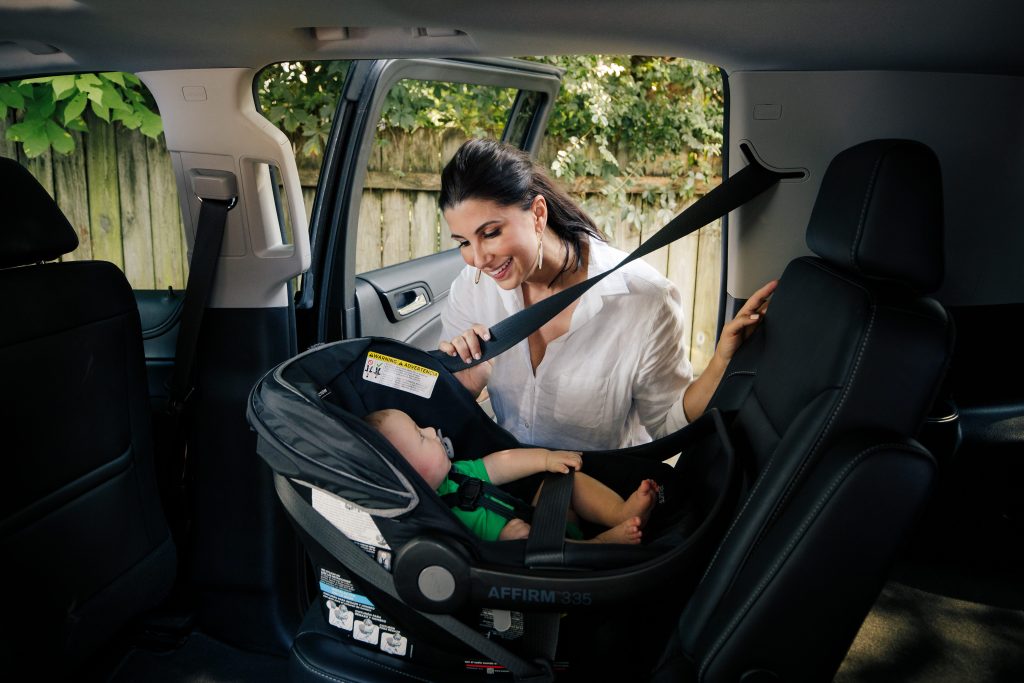
You want to keep your baby safe and happy, even when you’re on the go. But can you feed your baby while they’re sitting in their car seat?
It’s a question many parents ask, especially during long drives or quick stops. Feeding your little one in the car seat might seem convenient, but is it really safe? You’ll discover important facts and expert advice that will help you make the best choice for your baby’s health and safety.
Keep reading to learn what you need to know before offering food in the car seat.
Risks Of Feeding In Car Seats
Feeding a baby in a car seat might seem convenient during travel. Yet, it carries several risks that parents must consider. Car seats are not designed for safe feeding. Understanding these dangers helps keep babies safe and comfortable.
Choking Hazards
Car seats do not support a baby’s head and neck properly during feeding. This can cause food or milk to enter the airway incorrectly. Babies are more likely to choke if they swallow while leaning back. Fast feeding or distractions increase this risk. Always feeding in a safe, upright position reduces choking chances.
Positional Asphyxia
Positional asphyxia happens when a baby’s airway gets blocked by their position. Car seats often tilt babies’ heads forward or sideways during feeding. This position can block airflow and cause breathing problems. Babies cannot adjust their posture alone. Feeding outside the car seat avoids this dangerous situation.
Distraction Concerns
Feeding in a car while driving distracts the driver. Parents may lose focus on the road to attend to the baby. Distractions can lead to accidents or sudden stops. Sudden movements can also harm the baby in the seat. Stopping the car for feeding keeps everyone safer.

Credit: toddlerdiary.com
When Feeding In Car Seats Is Necessary
Sometimes, feeding your baby in the car seat isn’t just a convenience—it becomes a necessity. Understanding when it’s appropriate can help you balance safety and your baby’s needs effectively. Let’s look at scenarios where feeding in the car seat might be the best option and how to handle it safely.
Long Trips And Limited Stops
On long road trips, stopping frequently to feed your baby may not be practical. You might be traveling through remote areas where safe, clean feeding spots are scarce. Feeding your baby in the car seat can keep your journey moving smoothly without stressing your little one.
Still, make sure to plan breaks when possible to give your baby a chance to stretch and burp outside the seat. Have feeding supplies within easy reach so you’re not fumbling while driving. Always prioritize your baby’s comfort and safety during these moments.
Medical Or Special Needs
Babies with medical conditions or special needs sometimes require feeding on a strict schedule. For example, if your baby has reflux or breathing difficulties, sitting upright in the car seat during feeding might be recommended by your pediatrician. In these cases, feeding in the car seat ensures the baby stays safe and comfortable.
Consult your healthcare provider for personalized advice on feeding positions and techniques. Keep emergency contact numbers handy and be extra cautious with feeding tools and temperatures. Your baby’s health comes first, even if it means feeding in less-than-ideal places.
Safe Alternatives
If you find yourself needing to feed in the car seat, consider safer alternatives when possible. Use hands-free bottle holders designed for car seats to keep your baby’s head supported without your hands. When breastfeeding, try to stop at rest areas or safe spots to feed comfortably.
Never feed your baby while driving. If you must feed in the car seat, pull over safely before starting. Think about portable feeding pillows or cushions that can support your baby and reduce risks.
Safe Feeding Practices In Cars
Feeding a baby in a car seat needs careful attention to safety. Babies can choke or have trouble breathing if not fed properly in a car. Following safe feeding practices reduces risks and keeps your baby comfortable during travel.
Choosing The Right Time
Pick a calm moment to feed your baby in the car. Avoid feeding during sharp turns or heavy traffic. Feeding when the car is still or moving smoothly helps your baby focus on eating. Do not feed while driving. Stop the car safely if possible.
Proper Positioning Techniques
Keep the baby upright in the car seat during feeding. Slightly recline the seat but avoid laying the baby flat. Hold the bottle at an angle to prevent air swallowing. Make sure the baby’s head is well supported. This reduces choking risks and helps digestion.
Monitoring Baby Closely
Watch your baby carefully while feeding in the car. Look for signs of choking or distress. Stop feeding immediately if your baby coughs or gags. Never leave your baby alone in the car seat during feeding. Stay alert and ready to assist at all times.
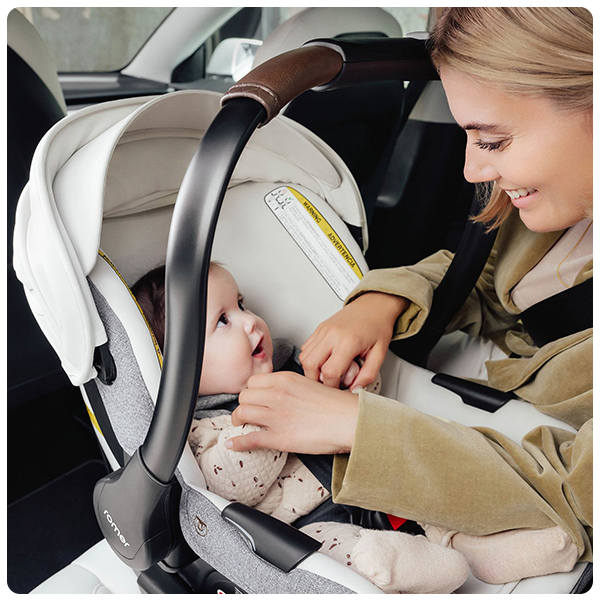
Credit: www.thebump.com
Recommended Feeding Equipment
Choosing the right feeding equipment can make a big difference when feeding your baby in the car seat. Safety, convenience, and hygiene all depend on what you use. Let’s look at some practical options that help keep your baby comfortable and your drive smooth.
Appropriate Bottles And Nipples
Select bottles designed to reduce air intake, which helps prevent gas and fussiness during feeding. Look for those with angled or vented nipples to minimize choking hazards while your baby is reclined in the car seat.
Soft, flexible nipples mimic breastfeeding better, making it easier for your baby to latch on, especially in a semi-upright position. Avoid wide-neck bottles if your car seat space is tight, as they can be harder to handle on the go.
- Choose bottles with easy-grip shapes for one-handed feeding.
- Test different nipple flows to match your baby’s feeding pace.
- Consider anti-colic bottles if your baby tends to swallow air.
Travel-friendly Feeding Accessories
Compact and lightweight accessories make feeding in the car less stressful. A good insulated bottle bag keeps milk or formula at the right temperature, so you won’t have to worry about spoilage during longer trips.
Portable wipes and spill-proof bibs help keep messes under control. Many parents find that a small, foldable changing pad doubles as a clean surface for bottle prep.
- Insulated bottle holders to maintain temperature.
- Clip-on bibs that stay in place during feeding.
- Compact wipes and sanitizer for quick cleanups.
Cleaning And Maintenance Tips
Clean bottles and nipples thoroughly after every use to prevent bacteria buildup. Carry a small brush and bottle soap in your diaper bag for quick cleaning stops on the road.
Check your feeding gear regularly for cracks or wear that could harbor germs or cause leaks. Replace nipples every few weeks or sooner if you notice damage or changes in texture.
- Rinse bottles with warm water immediately after feeding.
- Use a dedicated travel brush for thorough cleaning.
- Air dry all parts completely before storing.
Are you prepared to make feeding time smoother and safer for both you and your baby during car rides? The right equipment can turn a stressful moment into a calm, manageable one.
Guidelines From Pediatric Experts
Pediatric experts advise against feeding babies in car seats due to choking risks. Always stop the car and feed your baby safely. Keeping your child upright and alert during feeding is essential.
Feeding your baby in the car seat might seem like a convenient option during long trips or hectic schedules. However, pediatric experts have clear guidelines to ensure the safety and well-being of your little one. Let’s explore these crucial insights and recommendations.Official Safety Recommendations
Pediatricians strongly advise against feeding your baby while they are strapped in a car seat. The risk of choking is significantly higher when a baby is in a semi-reclined position. Additionally, sudden stops or bumps can cause spills, leading to discomfort or even choking hazards. Instead, plan breaks during your journey to feed your baby in a more secure environment. Use these pauses to stretch your legs and give your baby a chance to feed comfortably. Remember, the safety of your child is paramount, and these small adjustments can make a big difference.Common Myths Debunked
One common myth is that breastfeeding in a moving car is safe if you are careful. This is misleading and risky. In an emergency stop, both you and your baby could be seriously injured. Another misconception is that bottle-feeding in a car seat is harmless. While it might seem like a simple solution, it poses the same dangers as breastfeeding in a moving vehicle. Always prioritize safety and choose to feed your baby when the car is parked.When To Consult A Doctor
If you notice your baby having difficulty feeding or experiencing discomfort during car rides, it may be time to consult a pediatrician. Persistent feeding issues might indicate underlying concerns that need professional attention. Additionally, if your baby has special dietary needs or medical conditions, seeking a doctor’s advice is crucial. They can provide personalized guidance to ensure both the safety and health of your child during travels. Being proactive and informed about these guidelines can help you make the best choices for your baby’s well-being. How do you plan to ensure your baby’s safety during your next road trip?Preparing For Safe Travel With Baby
Traveling with your baby can be both exciting and challenging. Ensuring their safety and comfort during the journey is essential, especially when feeding is involved. Preparing ahead can make your trip smoother and less stressful for both you and your little one.
Packing Essentials For Feeding
Start by packing everything your baby might need for feeding on the go. Include bottles, formula or breast milk, bibs, burp cloths, and wipes. Don’t forget a small cooler bag if you need to keep milk fresh.
Having a portable bottle warmer or insulated flask can save you time and hassle. You might also want to bring a few favorite snacks if your baby is old enough. Think about easy-to-clean feeding utensils and a safe place to store them.
Planning Breaks And Stops
Feeding your baby in a car seat is not recommended due to safety concerns and choking risks. Instead, plan regular stops to take your baby out of the car seat for feeding. Use these breaks to stretch, change diapers, and calm your baby.
Consider your route and identify safe, clean spots for feeding breaks. Are there rest areas or parks where you can comfortably feed your baby? Planning these stops beforehand can reduce stress and keep your baby happy throughout the trip.
Emergency Preparedness
Travel can be unpredictable, so prepare for emergencies related to feeding and your baby’s health. Keep a first aid kit, any necessary medications, and emergency contact numbers handy. Pack extra formula or milk in case your trip takes longer than expected.
Think about what you would do if your baby suddenly refuses to feed or shows signs of discomfort. Having a backup plan can keep you calm and ready to act. Safety and readiness go hand in hand when traveling with your baby.
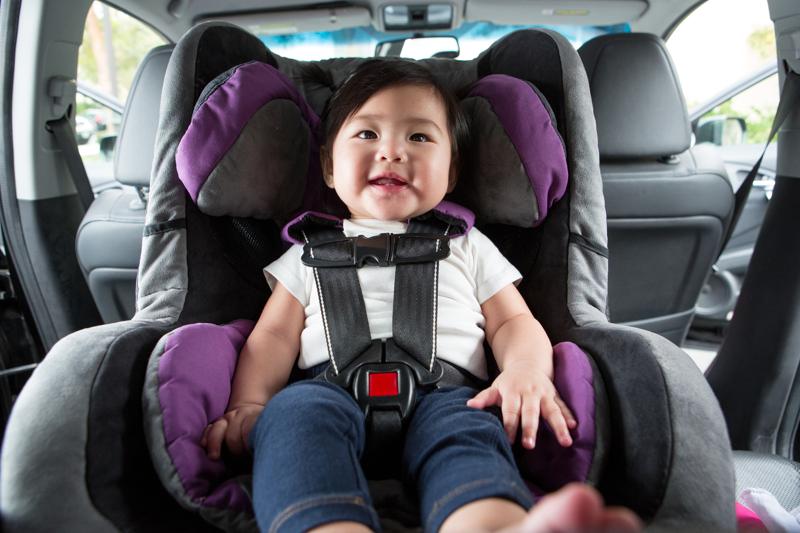
Credit: health.clevelandclinic.org
Frequently Asked Questions
Can I Safely Feed My Baby In A Car Seat?
Feeding in a car seat is risky due to choking hazards. It’s best to feed your baby outside the car seat in a safe, upright position to ensure proper swallowing and avoid airway blockage.
What Are The Choking Risks Feeding In Car Seats?
Car seats recline, which can cause milk to pool in the mouth. This increases choking risk because the baby’s airway may become blocked during feeding.
How Can I Feed My Baby During Car Trips?
Stop the car and remove your baby from the car seat for feeding. Use a safe, upright seat or hold your baby securely to feed them.
Is Bottle Feeding In A Car Seat Recommended?
Bottle feeding while the baby is in a car seat is not recommended. It can increase the risk of choking and ear infections due to improper positioning.
Conclusion
Feeding a baby in a car seat is not safe. It can cause choking or breathing problems. Always stop the car and feed your baby outside the seat. Use a proper feeding spot where your baby can sit comfortably. Keeping your baby safe during feeding is very important.
Remember, safety comes first for happy and healthy babies. Choose safe feeding habits every time you travel.