
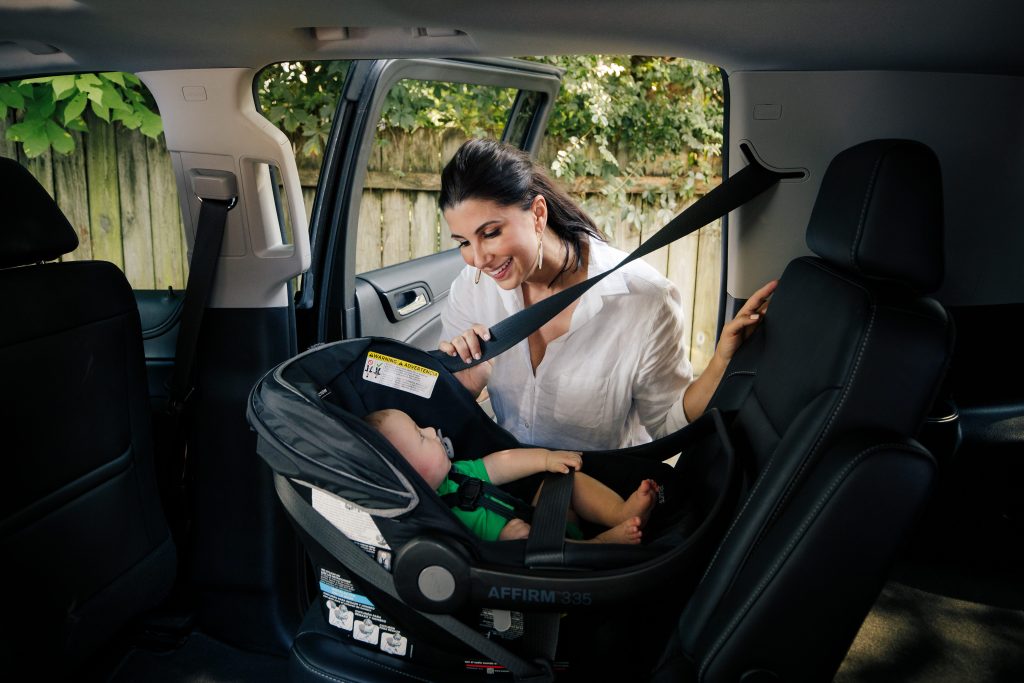
Are you wondering if it’s safe to feed your baby while they’re in their car seat? You’re not alone.
Many parents face this question, especially during busy trips or long drives. Feeding your baby in a car seat might seem convenient, but it raises important safety and health concerns you need to know about. You’ll discover what experts say, the risks involved, and the best ways to keep your little one safe and comfortable during mealtime.
Keep reading to learn how to protect your baby every time you hit the road.
Risks Of Feeding In Car Seats
Feeding a baby in a car seat might seem convenient during travel. The seat offers support and keeps the child secure. Despite this, several risks make feeding in car seats unsafe. Understanding these risks helps protect your baby’s health and safety.
Choking Hazards
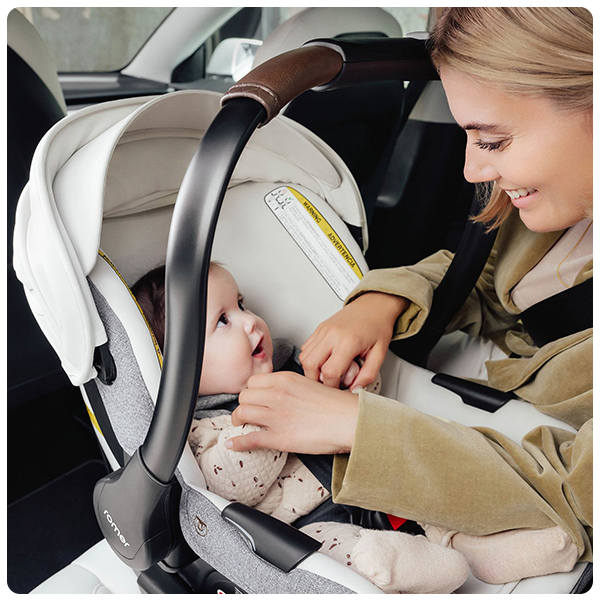
Car seats tilt the baby back, making swallowing hard. Food may go down the wrong way. This increases the chance of choking. Babies cannot cough or clear their throat well in this position. Always watch closely if feeding in a car seat.
Breathing Difficulties
The semi-reclined position can block airways slightly. Soft car seat padding may press on the chest. This pressure can limit breathing. Babies breathe faster and need clear airways. Feeding here can cause discomfort and breathing problems.
Posture Concerns
Proper feeding requires good posture. Car seats do not support a baby’s head and neck fully. This weak support leads to poor feeding posture. Babies may struggle to swallow and digest food. Over time, poor posture can affect muscle development.
Credit: www.thebump.com
Safe Feeding Alternatives
Feeding your baby safely is a top priority, especially when you’re on the move. While it might be tempting to feed your little one right in the car seat, there are safer and more comfortable alternatives that protect your baby’s well-being. Let’s look at practical options that help you feed your baby without compromising safety or comfort.
Using A Stroller Or High Chair
Feeding your baby in a stroller or high chair offers much better support and control. These options allow your baby to sit upright, reducing the risk of choking or ear infections caused by feeding in a reclined position.
Many strollers come with adjustable seats that can be set to an upright position, making it easier to feed your baby while on a walk or during a break. A high chair at home or in a restaurant provides a stable and secure spot for feeding, giving you both peace of mind.
Stopping The Car For Feeding
Instead of feeding your baby while the car is moving, consider pulling over safely to feed your baby. This lets you focus fully on feeding without distractions and ensures your baby’s head and neck are well supported.
Stopping also means you can check your baby’s cues more easily and respond to any discomfort or fussiness promptly. Have you tried taking short breaks during long drives just for feeding? It can make the journey more enjoyable for both of you.
Portable Feeding Accessories
There are many portable feeding accessories designed to make feeding on the go easier and safer. For example, travel-friendly bottle warmers, insulated bags, and portable high chairs can transform any quick stop into a comfortable feeding moment.
Using these tools helps maintain your baby’s feeding routine without risking safety. What small gear could make your feeding breaks smoother and more relaxing?
Car Seat Safety Guidelines
Car seat safety guidelines are vital for your baby’s protection and comfort. Feeding your baby in a car seat requires strict attention to these rules to avoid risks. The right seat setup, harness adjustments, and limiting time spent in the seat keep your baby safe and healthy.
Proper Seat Positioning
Place the car seat at the correct angle, usually between 30 and 45 degrees. This angle supports your baby’s head and neck. Make sure the seat is secured tightly in the vehicle. A loose seat increases the risk of injury during sudden stops or accidents.
Harness Adjustments
Adjust the harness straps to fit snugly without being too tight. The straps should lie flat without twists across your baby’s chest and shoulders. The chest clip must be at armpit level to keep the harness in the right place. Check the fit every time before placing your baby in the seat.
Avoiding Prolonged Seating
Limit the time your baby spends in the car seat, especially during feeding. Sitting too long can cause breathing problems and discomfort. Take breaks every hour to remove your baby from the seat. Use these breaks for feeding outside the car seat to ensure safety.

Credit: www.thebump.com
Tips For Feeding On The Go
Feeding your baby while on the move can be challenging, especially when you’re limited to the car seat. But with the right approach, you can make these moments smoother and more comfortable for both you and your little one. Here are practical tips to help you manage feeding times without stress, even during short or long drives.
Preparing Bottles And Snacks
Always have bottles pre-prepared or ready to mix quickly. Use insulated bags to keep milk or formula at the right temperature. For snacks, choose options that are easy to handle and unlikely to create a mess, such as soft fruit pieces or teething biscuits.
Think about how you can save time by organizing everything before you leave the house. I once kept a small cooler in my car with bottles and snacks, which saved me from frantic searches during urgent hunger moments.
Maintaining Cleanliness
Bring wipes and a small towel within reach to clean up spills quickly. A portable trash bag helps keep wrappers and used wipes out of sight and prevents clutter. Consider using bibs or disposable feeding mats to protect your baby’s clothes and car seat.
Keeping the feeding area clean not only makes the experience more pleasant but also reduces the risk of germs. Have you noticed how a quick wipe-down can change your baby’s mood instantly?
Keeping Baby Calm
Distractions like soft music or a favorite toy can soothe your baby during feeding. Speak gently or sing softly to maintain a calm atmosphere. Avoid sudden movements or loud noises that might startle your child while they eat.
Sometimes, I find that feeding while the car is parked and engine off helps my baby relax more than feeding during the drive. What small changes can you make to keep your baby peaceful during feeding times?
When To Seek Medical Advice
Seek medical advice if your baby shows breathing problems or choking while feeding in the car seat. Always consult a doctor if your baby seems uncomfortable or unwell during or after feeding. Safety and health come first for your little one.
When feeding your baby in a car seat, safety comes first. Sometimes, you might notice issues that need medical attention. Being aware of these signs ensures your baby’s well-being.Signs Of Feeding Difficulties
Watch for signs like choking or gagging. Slow or hard swallowing can also be a concern. If your baby refuses to eat, it might indicate a problem. These signs suggest a need for a doctor’s advice.Respiratory Concerns
Keep an eye on your baby’s breathing. Noisy or labored breathing can signal trouble. If your baby seems to struggle for air, seek help. Breathing difficulties during feeding need urgent attention.Allergic Reactions
Notice any unusual reactions after feeding. Hives or rashes may appear on your baby’s skin. Swelling, especially around the mouth, is a red flag. If these symptoms occur, contact a healthcare provider immediately.
Credit: toddlerdiary.com
Frequently Asked Questions
Is It Safe To Feed A Baby In A Car Seat?
Feeding a baby in a car seat is generally unsafe. It increases choking risk and restricts airflow. Always feed your baby in a safe, upright position outside the car seat to ensure proper swallowing and breathing.
Why Is Feeding In A Car Seat Discouraged?
Feeding in a car seat can cause choking or aspiration. The reclined position affects swallowing and breathing. It’s best to feed babies in a secure, upright seat to protect their airway and digestion.
What Are The Risks Of Bottle Feeding In Car Seats?
Bottle feeding in car seats raises choking and ear infection risks. The semi-reclined position promotes milk pooling in the throat. Feeding should happen in a comfortable, upright spot to prevent these health issues.
How Can I Safely Feed My Baby While Traveling?
Stop the car and remove your baby from the car seat to feed. Use a secure, upright seat or hold your baby safely. This ensures comfort and reduces choking hazards during feeding.
Conclusion
Feeding a baby in a car seat is not safe. It can cause choking or breathing problems. Always stop the car before feeding your baby. Use a proper feeding spot like a stroller or a chair. Keep your baby’s safety the top priority.
A quick stop is better than risking harm. Remember, comfort and safety go hand in hand. Your baby will be happier and safer this way. Choose safe feeding habits every time you travel.