
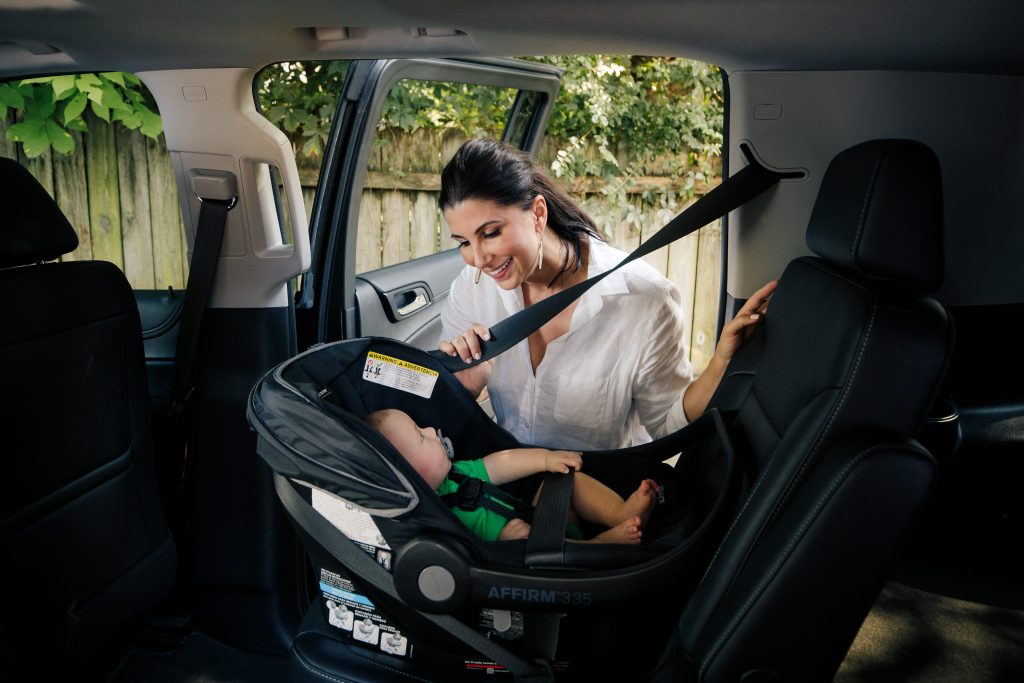
Feeding your baby on the go can be tricky, especially when you’re stuck in the car. You might wonder, “Can I feed my baby in the car seat safely?” It’s a question every parent asks when juggling travel and mealtime.
You want to keep your little one happy and full, but safety is your top priority. This article will help you understand the best ways to feed your baby in the car seat without risking their health. Keep reading to discover simple tips that make feeding time easier and safer for you and your baby.
Risks Of Feeding In Car Seats
Feeding your baby in a car seat might seem like a convenient option during long drives or quick errands. However, it comes with several risks that can impact your child’s safety and well-being. Understanding these dangers helps you make better choices for feeding times and travel plans.
Choking Hazards
Babies sitting in car seats are often reclined, which isn’t the best position for swallowing. This angle increases the risk of choking because the food or milk can go down the wrong way. A quick pause in feeding can quickly turn into a dangerous situation if your baby starts choking.
Think about the last time you fed your baby in the car. Did you notice if they were swallowing comfortably or coughing? Your full attention is crucial to prevent choking, which is harder to maintain while driving.
Airway Obstruction
Car seats restrict your baby’s movement, which can cause the head to slump forward. This position can block the airway, especially when feeding liquids or thick purees. Even a slight obstruction can reduce oxygen flow and cause breathing difficulties.
Have you ever seen a baby’s head fall forward in a car seat? If feeding is happening at that moment, the risk of airway blockage rises significantly. Always ensure your baby’s neck is well-supported and their airway is clear.
Distraction While Driving
Feeding your baby in the car demands your attention, which takes your focus away from the road. Even a momentary distraction can lead to accidents. Handling bottles, wiping spills, and soothing a fussy baby make driving more hazardous.
Ask yourself: Can you safely manage feeding and driving at the same time? It’s better to stop the car and feed your baby properly than to risk your family’s safety on the road.

Credit: toddlerdiary.com
Safe Feeding Alternatives
Feeding a baby safely requires care and attention, especially during car rides. Feeding in a car seat can be risky due to choking hazards and poor posture. Many parents seek safer ways to nourish their little ones while on the go. Several alternatives allow feeding without compromising safety or comfort. These methods help keep your baby happy and secure during travel.
Stopping The Car To Feed
Stopping the car provides a safe environment for feeding. It allows parents to focus on the baby without distractions. You can unbuckle the baby and hold them comfortably while feeding. This method reduces the risk of choking and helps maintain good posture. Take breaks during long trips for feeding and stretching. It makes the journey more pleasant for both baby and parent.
Using Portable Feeding Chairs
Portable feeding chairs offer convenience outside the car. These lightweight chairs fold easily and fit in most vehicles. Set up the chair at rest stops or parks for a quick feeding session. They provide proper support and allow the baby to sit upright. This reduces choking risks and makes feeding more enjoyable. Portable chairs are easy to clean and carry along on trips.
Feeding Before Or After Trips
Feeding your baby before starting the trip helps avoid hunger during travel. A full tummy can keep the baby calm and content. If the trip is short, feeding after arrival works well too. Plan feeding times around travel schedules for better comfort. This approach minimizes the need for feeding in the car seat. It helps maintain safety and reduces stress on the road.
Choosing The Right Car Seat
Choosing the right car seat is crucial for your baby’s safety and comfort, especially when feeding in the car. The right seat supports proper posture and reduces the risk of choking or injury. Understanding the differences in car seats helps you make the best choice for your baby’s needs.
Infant Vs Convertible Seats
Infant car seats are designed for newborns and small babies. They usually have a handle for easy carrying and a reclined position that supports feeding. However, their size limits use to the first year or so.
Convertible seats grow with your child and can be used rear-facing for infants and then forward-facing as your baby gets older. While they offer longer use, convertible seats often don’t recline as much as infant seats, which might make feeding a bit trickier.
Think about how long you want to use the seat and how often you plan to feed your baby while on the go. Your choice can impact both convenience and safety during feeding.
Proper Seat Positioning
Your baby’s seat should always be installed at the correct angle to keep their airway open. Most seats have a built-in angle indicator to help you with this. A too-upright seat can make feeding uncomfortable and unsafe, while a seat too reclined may affect the car seat’s effectiveness in a crash.
Try adjusting the seat so your baby can sit comfortably without slumping. This position helps prevent choking if you feed them in the car seat. Always double-check the angle before starting any feeding session.
Harness Adjustments
The harness keeps your baby secure, but it also needs to be adjusted correctly for comfort during feeding. The straps should be snug but not too tight, allowing your baby to move slightly while you feed them.
Make sure the harness is positioned at or below your baby’s shoulders for rear-facing seats. Loosening the harness too much can be dangerous, but a little room can make feeding easier without compromising safety.
Have you noticed how small changes in harness tension can make feeding in the car seat easier? Experiment carefully to find the balance between comfort and security.

Credit: toddlerdiary.com
Preparing For Feeding On The Go
Preparing to feed your baby while on the move takes careful planning. You want feeding times to be smooth and safe. Having the right items and habits ready helps avoid stress.
Being organized with supplies and keeping things clean are important. Comfort matters too, so your baby stays calm and happy during feeding.
Packing Feeding Essentials
- Bring enough bottles or breastfeeding covers.
- Carry pre-measured formula or breast milk.
- Include bibs and burp cloths to handle messes.
- Have snacks for older babies ready and packed.
- Keep a small cooler bag to keep milk fresh.
- Don’t forget a few toys to distract your baby.
Maintaining Hygiene
- Wash hands before feeding or use hand sanitizer.
- Clean bottles and nipples thoroughly before use.
- Use wipes to clean the baby’s hands and face.
- Keep feeding items in a clean, sealed container.
- Dispose of used wipes and trash properly.
Keeping Baby Comfortable
- Dress your baby in soft, breathable clothing.
- Adjust car seat straps for a snug but comfy fit.
- Use a neck support pillow for extra head comfort.
- Plan feeding at quieter times to reduce fussiness.
- Speak softly or sing to soothe your baby during feeding.
Emergency Steps If Baby Chokes
Feeding a baby in a car seat can increase choking risk. Always stop the car, remove the baby, and feed in a safe, upright position. If choking occurs, know how to act quickly to clear the airway and call for help immediately.
Feeding a baby in a car seat can be tricky. The car’s motion might increase the risk of choking. Knowing what to do if a baby chokes is crucial. Quick response can make all the difference. In emergencies, staying calm is key.Recognizing Choking Signs
Recognize the signs of choking. Watch for difficulty in breathing. Listen for wheezing or silence. Notice if the baby can’t cry. Look for bluish skin, lips, or nails. These are warning signs.Basic First Aid For Infants
Begin with back blows. Lay the baby face down on your forearm. Support the head and neck. Use the heel of your hand. Give five firm back blows between the shoulder blades. If back blows don’t work, try chest thrusts. Turn the baby face up. Use two fingers on the breastbone. Push down with quick thrusts. Repeat five times if needed.When To Seek Medical Help
Call for help if choking persists. Seek medical help if the baby turns blue. Get help if the baby becomes unresponsive. Always consult a doctor after a choking incident. Safety first is always the best policy.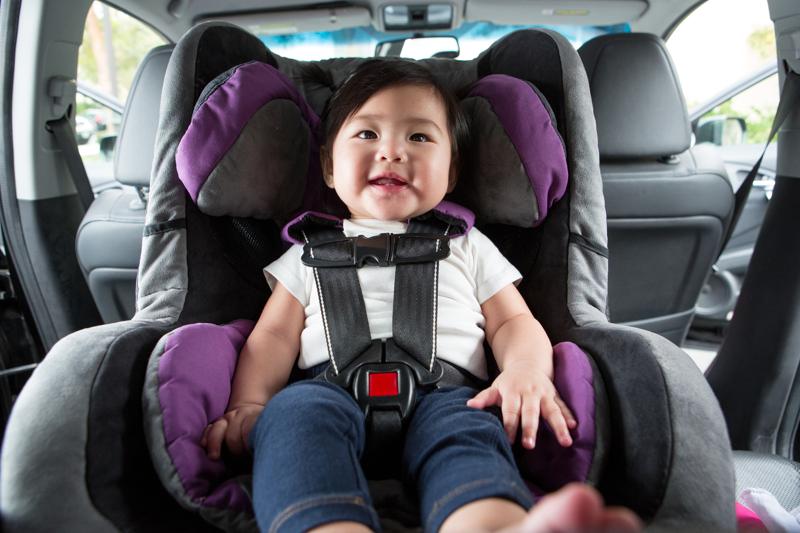
Credit: health.clevelandclinic.org
Expert Tips For Parents
Feeding your baby while they are in a car seat can be tricky and sometimes risky. Experts suggest several smart strategies to keep your little one safe and comfortable. Here are some practical tips that help you manage feeding times without compromising safety or your peace of mind.
Avoiding Multitasking
Feeding your baby in the car demands your full attention. Trying to eat, check your phone, or drive while feeding can increase the risk of accidents or choking. Focus solely on your baby during feeding moments to ensure they are safe and properly supported.
Think about the last time you tried to do two things at once—did either task get your full focus? Your baby needs that focus too, especially during feeding.
Scheduling Regular Breaks
Long drives can be stressful for both you and your baby. Plan stops every hour or so to take your baby out of the car seat for feeding. This not only reduces the risk associated with feeding in the seat but also gives your baby a chance to stretch and stay comfortable.
Use these breaks as opportunities to check on your baby’s mood and comfort. Are they happy and relaxed or restless? Regular breaks can help you notice these signals early.
Using Technology Safely
Technology can help you manage feeding times, but it should never replace your vigilance. Apps that remind you to take breaks or monitor your driving can be useful tools. However, avoid distractions like texting or browsing while feeding your baby.
Imagine your phone buzzing during a feeding—would you be able to respond without losing focus on your baby? Keep technology helpful, not distracting, during these critical moments.
Frequently Asked Questions
Can I Safely Feed My Baby In A Car Seat?
Feeding a baby in a car seat is generally not recommended. It poses choking and safety risks, especially if the car is moving. Always feed your baby when the vehicle is parked and the baby is properly supported.
Is It Okay To Bottle-feed Baby In A Car Seat?
Bottle-feeding in a car seat can increase choking risks. Babies need upright support and monitoring while feeding, which is hard to ensure in a car seat. It’s best to feed your baby outside the car or when the vehicle is stationary.
What Are The Risks Of Feeding Baby In Car Seat?
Feeding a baby in a car seat increases choking and aspiration risks. The semi-reclined position can cause milk to flow improperly. It can also distract the driver and reduce the caregiver’s ability to monitor the baby.
How Can I Safely Feed My Baby During Car Trips?
Stop the vehicle in a safe place to feed your baby. Remove the baby from the car seat and hold them upright. This ensures proper support, reduces choking risks, and allows you to focus on feeding.
Conclusion
Feeding a baby in a car seat is not the safest choice. It can cause choking or breathing problems. Always stop the car and hold your baby while feeding. This keeps your baby safe and comfortable. Use the car seat only for travel, not for feeding.
Safety should be the top priority every time. Trust your instincts and protect your little one. Simple steps help avoid risks and make feeding easier. Keep your baby secure and happy on the road.