
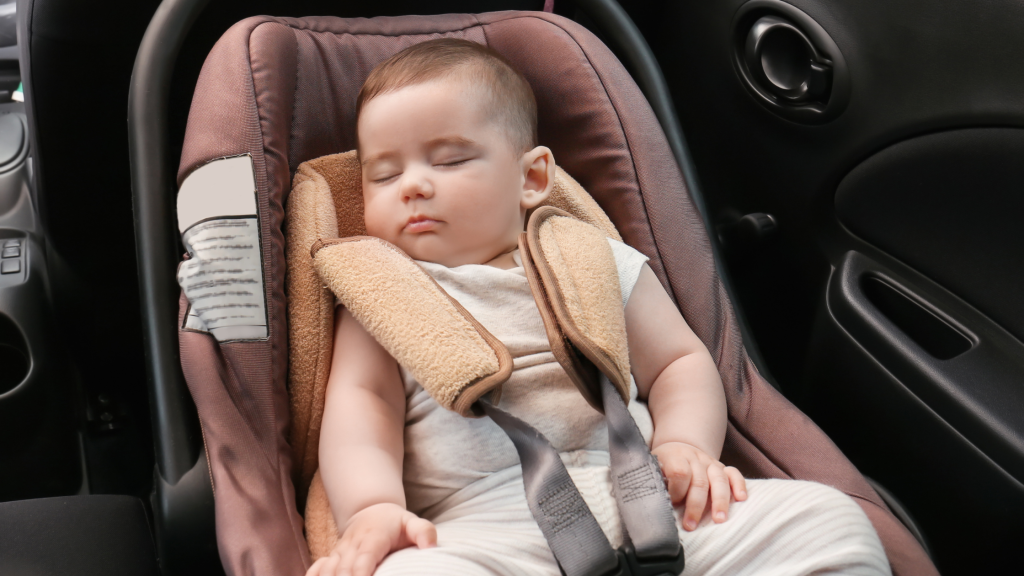
Have you ever wondered if it’s safe for your baby to sleep in a car seat? You’re not alone.
Many parents find themselves asking this question during long drives or quick trips. While car seats are designed to keep your little one secure, sleeping in them might come with hidden risks you need to know about. You’ll discover important facts that could help protect your baby’s health and safety every time you hit the road.
Keep reading to find out what experts say and how you can make the best choice for your child’s comfort and well-being.
Credit: www.thebump.com
Risks Of Sleeping In Car Seats
Babies often fall asleep in car seats during trips. These seats seem safe and cozy. Yet, sleeping in them for long periods carries risks. Parents should understand these dangers to keep babies safe. Some risks relate to breathing, body position, and temperature control.
Breathing And Airway Concerns
Car seats can make breathing harder for babies. The angle of the seat may cause the baby’s head to fall forward. This position can block the airway. Babies have smaller airways, so even slight obstruction is risky. It may lead to reduced oxygen levels and breathing difficulties.
Positional Asphyxia
Positional asphyxia happens when a baby cannot breathe well due to body position. In car seats, babies may slouch or bend unnaturally. This position can press the chest and block airflow. It is especially dangerous for newborns and infants under four months old.
Temperature Regulation Issues
Car seats have padding and straps that may trap heat. Babies cannot cool down easily. Overheating can cause discomfort and health problems. Parents must watch for signs of sweating or flushed skin. Proper ventilation and breaks during travel help regulate temperature.

Credit: uk.style.yahoo.com
Recommended Car Seat Usage
Using a car seat correctly is vital for your baby’s safety and comfort. Parents must follow key guidelines to ensure the car seat protects your child well. Proper use helps avoid injuries and supports healthy sleep habits during travel.
Proper Installation And Positioning
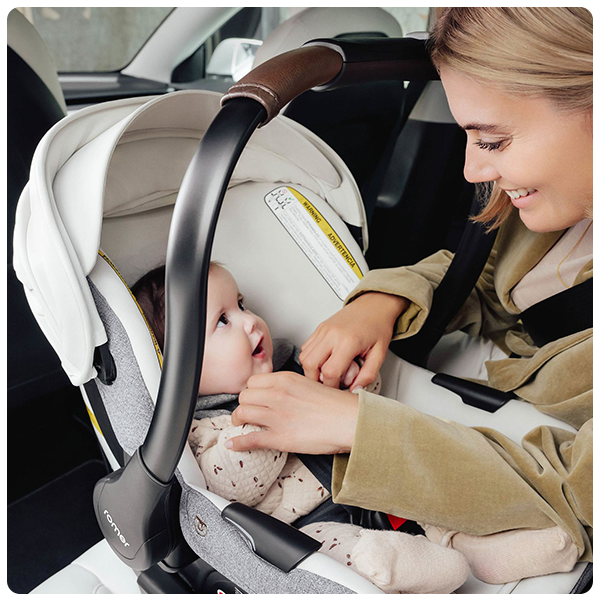
Install the car seat tightly. It should not move more than one inch side to side or front to back. Position the seat at the right angle to keep your baby’s head from falling forward. Always secure the harness snugly, with the chest clip at armpit level. Rear-facing seats are safest for infants and young toddlers.
Time Limits For Car Seat Use
Limit continuous time in the car seat to about two hours. Long stretches can cause discomfort and affect breathing. Take breaks during long trips to let your baby stretch and move. Never use car seats as regular sleep spaces outside the car.
When To Transition Out Of Car Seats
Switch from rear-facing to forward-facing seats when your child outgrows height or weight limits. Follow the car seat manual for exact limits. Move to booster seats only after outgrowing forward-facing seats. Always keep your child in the safest seat for their size and age.
Safe Sleep Practices For Babies
Safe sleep practices for babies reduce the risk of sudden infant death syndrome (SIDS). Babies need a secure place to rest. Their sleep environment should be firm and free from hazards. Parents must follow clear guidelines to keep babies safe during sleep. Understanding these practices helps protect babies at all times.
Ideal Sleep Environments
The best sleep place for babies is a crib or bassinet with a firm mattress. The surface must be flat and covered with a fitted sheet. Avoid soft beds like sofas or adult beds. The room should be cool and well-ventilated. Keep the sleep area free from toys and pillows.
Back To Sleep Position
Always place babies on their backs to sleep. This position keeps airways open and lowers SIDS risk. Side or stomach sleeping increases danger. Babies who roll over by themselves can stay on their tummy if they choose. For newborns, back sleeping is safest every time.
Avoiding Loose Bedding And Soft Objects
Loose blankets, pillows, and stuffed animals can cover a baby’s face. This causes breathing problems and overheating. Use a wearable blanket or sleep sack instead of loose covers. Make sure nothing soft is inside the crib. Clear the sleep space of any objects that could block breathing.
Expert Tips For Parents
Keeping your baby safe and comfortable during car rides is a top priority. Experts have shared valuable tips that help parents navigate the tricky balance between convenience and safety. These insights can guide you on how to monitor your baby effectively, explore better napping options, and use the car seat correctly both inside and outside the car.
Monitoring Baby During Car Rides
It’s easy to get distracted while driving, but your baby’s safety depends on your attention. Use a baby car mirror to keep an eye on your little one without turning around. This lets you check their breathing and position without taking your eyes off the road.
Also, listen closely to your baby’s sounds. Unusual silence or sudden crying could indicate discomfort or a shift in position. If your baby falls asleep, gently pause and ensure their head and neck are well supported to avoid slumping forward, which can block airways.
Alternatives For Napping Outside The Car
Relying on car seats as a sleep spot outside the vehicle isn’t ideal. You might wonder how to keep your baby safe and rested when you’re away from the car. A portable bassinet or travel crib can be a game-changer for naps on the go.
These options provide a flat, firm surface that supports healthy sleep posture. If you must use the car seat, limit the time and always place it on the floor rather than elevated surfaces. This reduces the risk of tipping and supports better breathing.
Using Car Seats Safely At Home
Many parents use the car seat as a rocking chair or nap spot at home, but this can be risky. Car seats are designed for travel, not prolonged rest outside the car. Try to limit at-home use to short periods and always supervise your baby closely.
Consider investing in a separate infant seat or rocker designed for safe home use. These alternatives often have better padding and reclining options for comfort and safety. Have you noticed how your baby reacts when placed in different seats? Their comfort can guide your choices.
Signs To Watch For During Car Seat Sleep
Watching over your little one as they sleep in a car seat can be a nerve-wracking experience. While car seats are designed to keep your baby safe during travel, they aren’t always the best place for extended sleep. It’s crucial to be aware of certain signs during car seat sleep to ensure your baby’s well-being.
Changes In Breathing Patterns
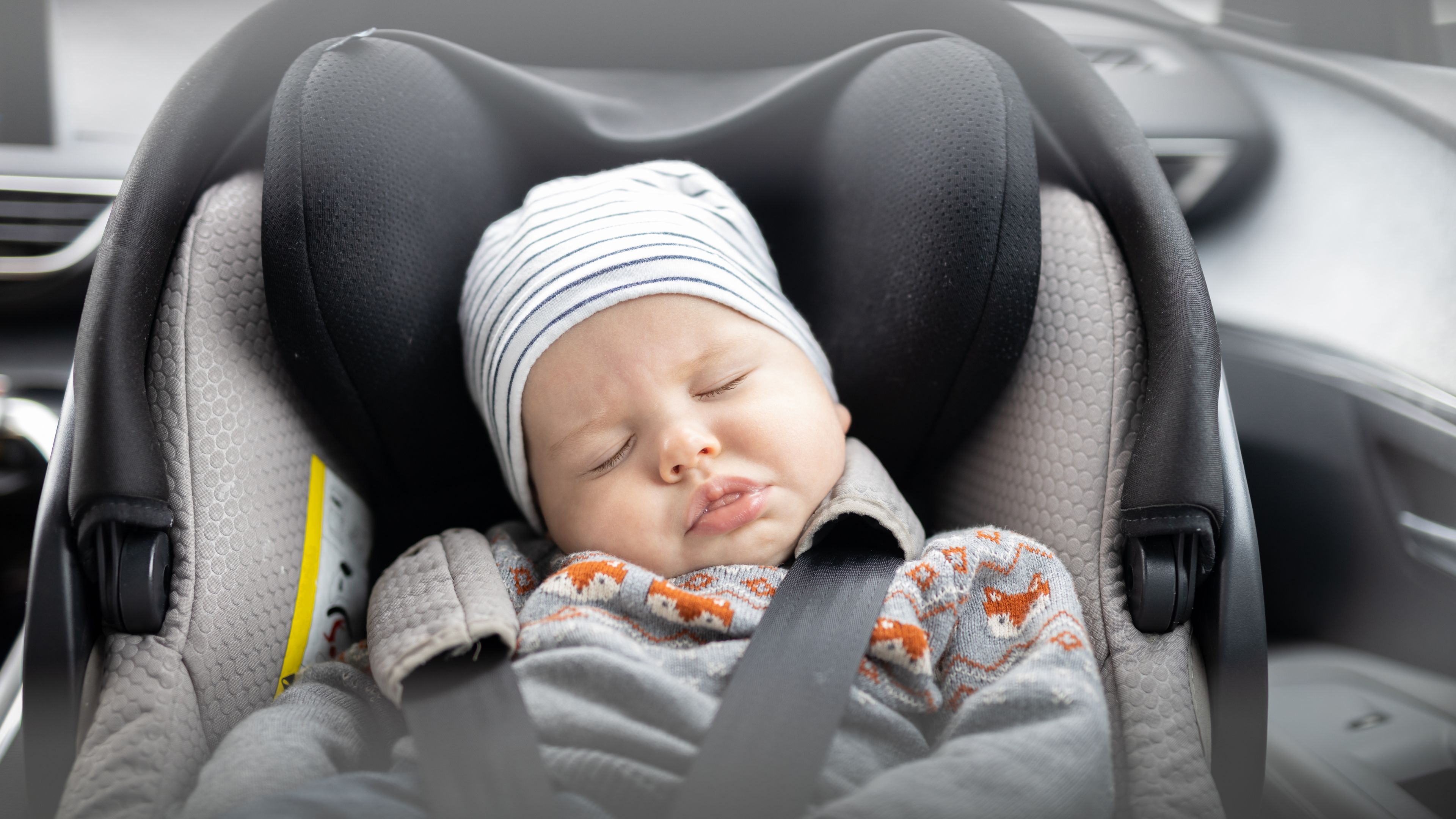
Pay close attention to your baby’s breathing. If you notice rapid breathing, pauses, or any unusual patterns, it might be time to adjust their position or take them out of the seat. Babies have smaller airways, and a slightly slumped position can make breathing difficult.
Have you ever noticed your baby’s chest moving unevenly or heard a faint wheezing sound? These could be indicators that your baby isn’t getting enough oxygen.
Skin Color And Temperature
Monitor your baby’s skin color and temperature. A sudden change, like a bluish or pale skin tone, might suggest poor circulation or inadequate oxygen levels.
Warmth is another factor to consider. If your baby feels too warm or is sweating, it might be a sign of overheating, which can be risky in a confined space like a car seat.
Baby’s Alertness After Awakening
Observe how your baby behaves upon waking up. Are they unusually drowsy or hard to wake? This might be a sign they didn’t have a restful sleep.
On the other hand, if your baby wakes up alert and content, it’s a good sign they’ve had a restful nap. But if they seem groggy or irritable, consider adjusting their sleep environment next time.
Have you noticed any of these signs with your own child? It might be time to reassess how long your baby spends in the car seat during sleep.
Credit: www.todaysparent.com
Frequently Asked Questions
Can Babies Sleep Safely In Car Seats?
Babies can sleep in car seats during travel. However, prolonged sleeping in car seats outside the car is unsafe. It may cause breathing difficulties or poor posture. Always transfer your baby to a flat, firm sleep surface as soon as possible.
How Long Can A Baby Sleep In A Car Seat?
Experts recommend limiting car seat sleep to the duration of the trip only. Sleeping longer than two hours may risk breathing problems. Always monitor your baby and avoid using the car seat as a regular sleep area.
Why Is Sleeping In A Car Seat Risky For Babies?
Car seats tilt babies’ heads forward, which can restrict airways. This position may cause suffocation or reduce oxygen flow. Car seats are designed for travel safety, not for extended sleep, especially outside of moving vehicles.
What Are Safer Alternatives For Baby Sleep During Travel?
Use a portable crib or bassinet designed for travel when possible. These provide a flat, firm surface that supports safe sleep. If traveling by car, ensure the car seat is used only during movement, then switch to a safe sleep space.
Conclusion
Babies often fall asleep in car seats during trips. It feels safe, but risks exist. Car seats are made for travel, not long sleep. Extended sleeping in them can cause breathing problems. Always move your baby to a flat, firm surface after the ride.
Watch your baby closely while in the car seat. Use the seat only as directed by the manufacturer. Safety comes first for your little one’s rest. Keep trips short and breaks frequent for naps. Sleep is important, but so is safe sleeping.