
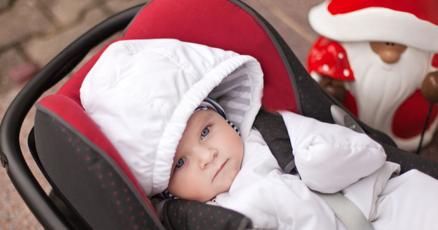
When cold weather hits, you want to keep your baby warm and cozy. But if you’re wondering, can babies wear snowsuits in their car seat, you’re not alone.
It’s a common question many parents ask because safety and comfort go hand in hand. You want to protect your little one from the cold, but you also want to make sure the car seat straps fit just right. Keep reading to find out what experts say and how you can keep your baby safe and snug on every ride.
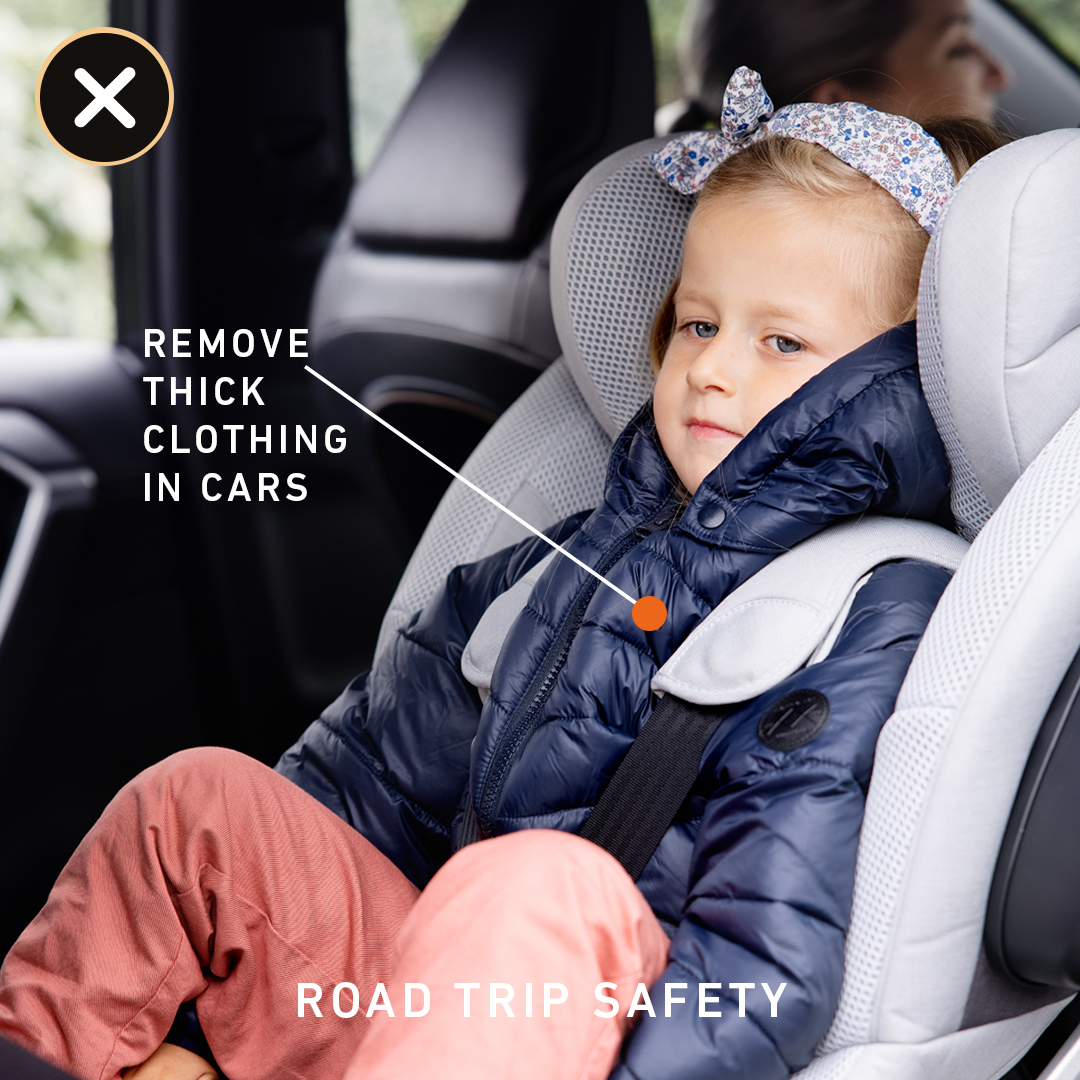
Credit: www.besafe.com
Risks Of Snowsuits In Car Seats
Putting your baby in a snowsuit before buckling them into a car seat might seem like a smart way to keep them warm. However, this common practice carries hidden risks you should know about. Understanding these risks can help you protect your baby better during every ride.
How Snowsuits Affect Harness Fit
Snowsuits add extra bulk between your baby and the car seat harness. This thickness can prevent the harness from sitting snugly against your baby’s body. A loose harness means your baby could move more during a crash, increasing the chance of injury.
Have you ever noticed how hard it is to tighten the straps over a thick coat? That’s exactly the problem. Even if the harness feels tight, the padding can compress in a crash, creating dangerous gaps.
Potential For Increased Injury
The padded layers in snowsuits can act like cushions that compress on impact. While this might sound protective, it actually allows your baby to move farther than intended during sudden stops. This excess movement increases the risk of your baby hitting parts of the car interior or being ejected from the seat.
Parents often don’t realize that the very thing meant to keep their baby safe—extra clothing—can actually lead to more harm. Think about whether the warmth of the snowsuit is worth the safety compromise when traveling in a car.
Impact On Car Seat Safety Ratings
Car seats are tested and rated with the assumption that your child is wearing thin clothing. Snowsuits introduce variables not accounted for in these tests. This means the safety ratings you rely on don’t reflect real-world use if bulky outerwear is worn underneath the harness.
Could the gear you trust be less effective because of what your baby wears? It’s important to follow manufacturer guidelines and consider alternatives like blankets or car seat covers designed to keep your baby warm without affecting harness fit.

Credit: deuxpardeux.com
Proper Dressing For Car Seat Travel
Proper dressing for your baby during car seat travel is crucial for both safety and comfort. Bulky snowsuits might seem like the easiest choice, but they can interfere with the car seat harness’s effectiveness. Understanding how to dress your baby right ensures they stay warm without compromising safety.
Layering Alternatives To Snowsuits
Instead of a thick snowsuit, consider layering lightweight clothes. Start with a soft onesie, add a warm sweater or fleece, and top it with a cozy jacket or bunting. Layers trap heat better and allow you to adjust your baby’s warmth easily.
Remember, the car seat harness needs to fit snugly against your baby’s body. Bulky layers can create gaps, making the harness less effective in a crash. What other clothing combinations have you tried that balance warmth and safety?
Using Blankets Safely
Blankets can be a great addition after securing your baby in the car seat. Place the harness snugly first, then tuck a blanket over your child for extra warmth. Avoid placing anything bulky between your baby and the harness.
Try using thin, warm blankets that you can easily remove if your baby gets too hot. Have you ever noticed your baby sweating under heavy blankets during a short drive? Keeping an eye on their comfort is key.
Recommended Clothing Materials
Choose breathable, insulating fabrics such as cotton, wool blends, or fleece for your baby’s layers. These materials keep your baby warm without causing overheating. Avoid thick, waterproof fabrics inside the car seat as they can trap heat and moisture.
Soft, natural fibers are gentle on sensitive skin and help regulate temperature. Do you pay attention to fabric types when dressing your baby for travel, or is it mostly about looks and convenience?
Safe Car Seat Practices With Winter Gear
Keeping babies safe in car seats during winter requires careful attention to their clothing. Thick snowsuits can change how harness straps fit. This affects safety during travel. Parents must follow specific car seat practices with winter gear to protect their little ones.
Adjusting Harness Straps Correctly
Harness straps must lie flat and snug against the baby’s body. Thick snowsuits add bulk and can make straps loose. Remove the snowsuit or open it to place straps directly on the baby’s skin or thin clothing. Tighten straps until you cannot pinch any slack.
Checking For Snug Fit
A snug harness fit is crucial. Place the baby in the car seat and buckle the harness. Pull the harness adjustment strap to remove slack. The harness should be tight enough that you cannot pinch any fabric at the shoulders. Check the fit after adding or removing winter layers.
When To Remove Outerwear
Remove bulky coats and snowsuits before securing the baby in the car seat. These thick layers compress in a crash and create dangerous slack. Use a thin blanket over the harness after securing the baby. Remove the outerwear once inside the car or at the destination.
Choosing The Right Car Seat For Winter
Choosing the right car seat for winter is essential for your baby’s safety and comfort. Cold weather poses unique challenges for car seat use. Babies need to stay warm without compromising the car seat’s harness fit and protection. Selecting a car seat designed for winter use helps keep your child safe and cozy during travel.
Features For Cold Weather Use
Look for car seats with padding that retains heat but allows breathability. Some models include removable winter covers or insulated inserts. Adjustable harness systems help maintain a snug fit despite layering. Easy-to-clean fabrics are useful for snowy or wet conditions. Consider car seats with a canopy or shield to block cold wind.
Car Seat Accessories To Avoid
Avoid bulky snowsuits or thick coats under the harness. They create extra space, reducing harness effectiveness. Large blankets or loose padding can interfere with straps. Never use aftermarket products not approved by the car seat maker. Avoid heavy winter gear that compresses in a crash and causes injury.
Manufacturer Guidelines To Follow
Always read the car seat manual for winter use instructions. Follow weight and height limits for inserts and covers. Use only accessories recommended by the manufacturer to keep safety intact. Check harness tightness after adding winter layers. Replace any parts damaged by cold weather or rough use.
Emergency Situations And Winter Travel
Babies should not wear bulky snowsuits in car seats as they can affect the harness fit. Use thin layers and cover with blankets after securing the baby. Safety comes first during winter travel in emergencies.
Winter travel with babies can be a daunting task, especially when faced with emergency situations. Ensuring your little one stays warm and safe without compromising car seat safety is crucial. It’s essential to be prepared for any unexpected delays or detours that may occur during your journey. Let’s explore how you can effectively manage these challenges.Keeping Babies Warm Outside Car Seats
Before heading out, dress your baby in layers that can easily be adjusted. Opt for a snug-fitting hat, mittens, and socks to trap heat without adding bulk. Once you arrive at your destination, you can safely add the snowsuit to keep your baby cozy while outdoors. Remember, it’s always best to add the bulky layers after removing your baby from the car seat.Quick Removal Techniques
Practice quick removal techniques to ensure you can swiftly take off your baby’s snowsuit when transitioning them into the car seat. Keep the snowsuit unzipped and loosely wrapped over your baby until you reach the vehicle. Consider using a car seat poncho or a specially designed blanket that can be easily lifted off once the baby is secured in the seat. This allows you to maintain warmth without compromising safety.Preparing For Unexpected Delays
Always have an emergency kit in your car, especially during winter travels. Include extra blankets, non-perishable snacks, and water to keep your family comfortable during unforeseen delays. Think about what you might need if you’re stuck in traffic or delayed by weather conditions. Having these essentials on hand can make a significant difference in ensuring a safe and stress-free journey. Are you ready to tackle winter travel with confidence, ensuring your baby remains safe and warm?
Credit: www.safetyandhealthmagazine.com
Frequently Asked Questions
Can Babies Wear Snowsuits In Car Seats Safely?
Babies should not wear bulky snowsuits in car seats. Thick clothing can prevent harnesses from fitting snugly, reducing safety. Instead, dress babies in thin layers and use blankets over the harness after securing the straps properly.
Why Are Snowsuits Unsafe In Car Seats?
Snowsuits add extra padding that creates slack in the harness. This slack can cause improper restraint during a crash. Car seat harnesses need to fit tightly against the baby’s body for maximum protection.
What Is The Best Way To Keep Babies Warm In Car Seats?
Dress babies in thin, warm layers that fit closely. After securing the harness, cover them with a blanket or a car seat cover designed for safety. Avoid bulky clothing inside the harness area.
How To Adjust Car Seat Harness With Snowsuits?
Avoid adjusting harness over snowsuits because of bulkiness. Instead, remove the snowsuit before securing the harness. Tighten the straps directly on the baby’s clothing to ensure a secure fit.
Conclusion
Babies can wear snowsuits in car seats, but with care. Thick snowsuits may stop straps from fitting tight. Straps must always lie flat and snug on your baby. Remove bulky clothes if needed before buckling. Use blankets over the straps to keep warm.
Always follow car seat safety rules first. Keep your baby safe and cozy on every trip. Small changes make a big difference in safety. Stay alert and check straps often during travel. Safety and warmth can go hand in hand.