
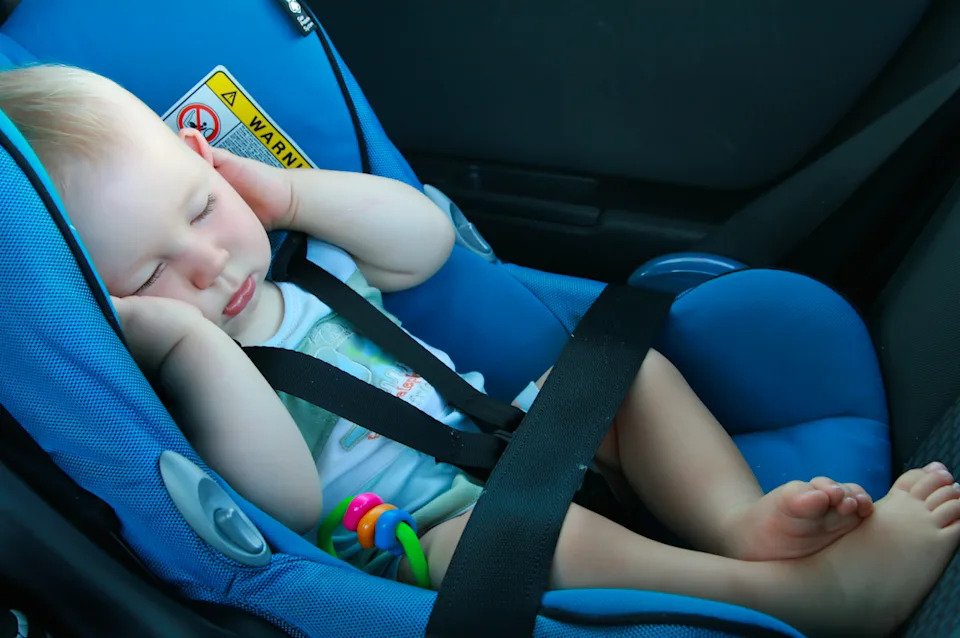
Have you ever wondered if it’s safe for your baby to sleep in their car seat? As a parent, you want to keep your little one comfortable and secure, especially during long trips or quick errands.
But is letting your baby nap in their car seat really a good idea? This question matters because your baby’s safety and well-being come first. Keep reading to discover what experts say and how you can make the best choice for your child’s sleep and safety.
Risks Of Sleeping In Car Seats
Letting your baby sleep in a car seat might seem convenient, especially during long drives or quick stops. But it’s important to understand the risks involved. Sleeping in a car seat can affect your baby’s breathing, posture, and overall health if it happens too often or for long periods.
Breathing And Airway Concerns
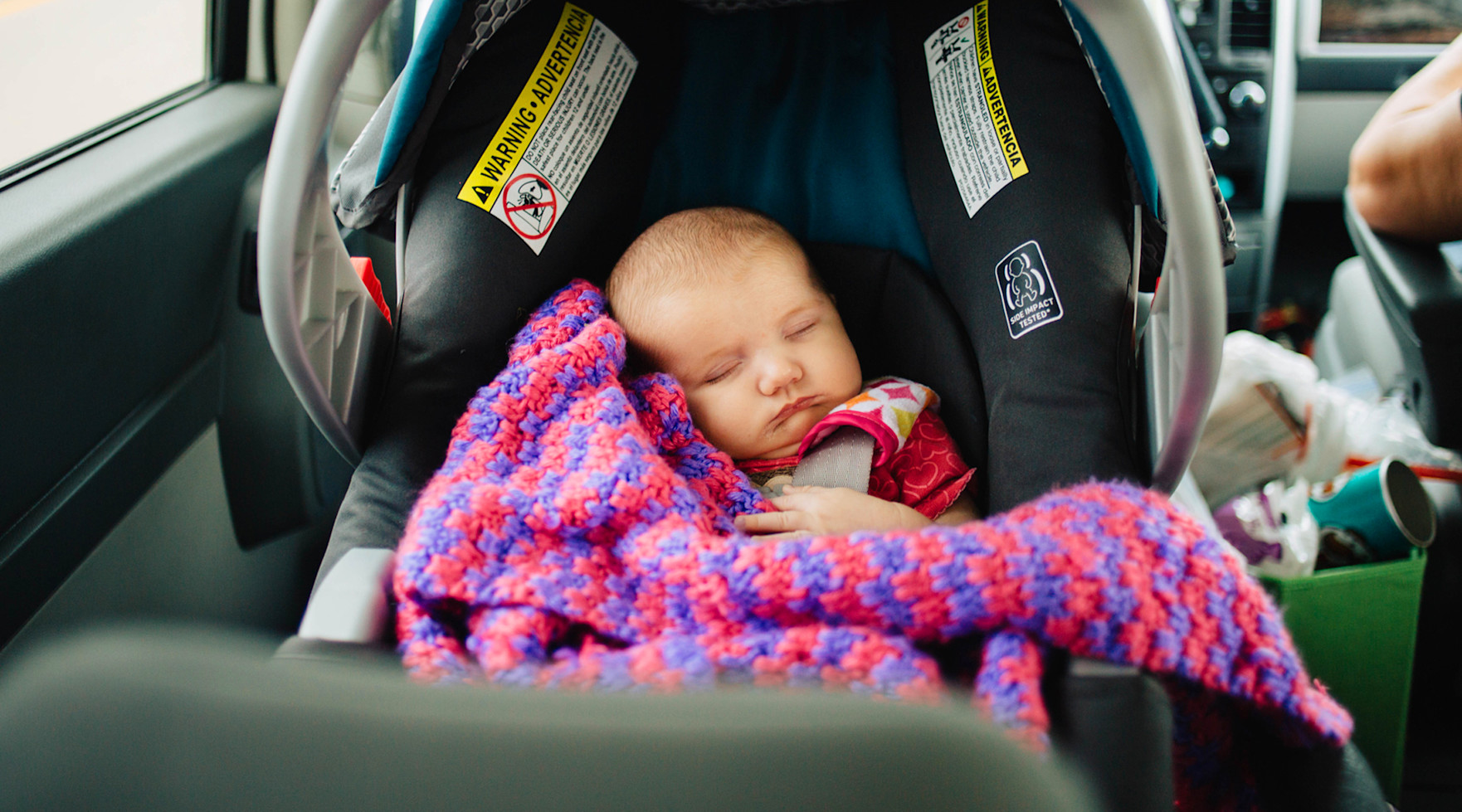
Car seats are designed to keep babies safe during travel, not for extended sleep. When a baby sleeps in a semi-reclined position, their head can slump forward, which may block the airway. This position increases the risk of breathing difficulties, especially for newborns and infants with weaker neck muscles.
Have you noticed how your baby’s breathing changes when they nod off in the car? It’s a sign that their airway might be compromised. Experts recommend always supervising your baby when they sleep in a car seat to ensure they’re breathing comfortably.
Posture And Spinal Health
Babies’ spines are still developing, and the curved position in a car seat isn’t ideal for long-term support. Over time, this can lead to poor posture and even affect spinal alignment. Unlike flat surfaces designed for sleep, car seats don’t provide the proper support needed for healthy growth.
Think about how your own back feels after sitting slouched for hours. Your baby’s developing spine is even more sensitive to these positions. To promote better spinal health, try to transfer your baby to a flat, firm sleep surface as soon as it’s safe to do so.
Duration And Frequency Risks
The length and how often your baby sleeps in a car seat matter a lot. Short naps during travel are generally okay, but prolonged or frequent sleeping in car seats can cause problems. The American Academy of Pediatrics advises against letting babies sleep in car seats outside of the car for long periods.
- Limit car seat sleep to travel times only.
- Never leave your baby unattended while sleeping in a car seat.
- Use a firm, flat surface for regular naps and nighttime sleep.
Have you tracked how often your baby sleeps in their car seat? Monitoring this can help you balance convenience with safety. Your baby’s comfort and well-being depend on making mindful choices about where and how they sleep.
Credit: www.thebump.com
Recommended Sleep Environments
Creating the right sleep environment is key for your baby’s safety and comfort. Babies need spaces that protect them from risks and help them rest well. This section covers the best places and ways for babies to sleep safely.
Safe Sleep Surfaces
Babies should sleep on firm, flat surfaces designed for infants. Cribs, bassinets, and portable play yards work best. Avoid soft mattresses, sofas, or car seats for long sleep. These surfaces can cause breathing problems or increase the risk of sudden infant death syndrome (SIDS).
Ideal Sleep Positions
Always place babies on their backs to sleep. This position lowers the risk of SIDS. Avoid placing babies on their stomachs or sides. Once babies can roll over by themselves, let them choose their position but continue placing them on their backs at sleep time.
Room Temperature And Lighting
Keep the room cool, around 68 to 72 degrees Fahrenheit (20 to 22 Celsius). Overheating can be dangerous for babies. Use soft, dim lighting to create a calm atmosphere. Bright lights can disrupt sleep patterns and make it harder for babies to rest.
When Car Seat Sleep Is Acceptable
Knowing when it’s okay for your baby to sleep in their car seat can ease your mind during travel. Safety is the top priority, but there are times when sleeping in a car seat is acceptable and even practical. Understanding these moments helps you balance convenience with your baby’s well-being.
Short Trips And Naps
Short car rides, such as quick trips to the grocery store or a visit to a friend’s house, often lead to your baby falling asleep in their car seat. These brief naps are generally fine because the time spent in the seat is limited.
However, keep these naps under an hour to avoid prolonged pressure on your baby’s developing spine and airway. If your baby wakes up cranky or seems uncomfortable, it might be time to switch to a safer sleeping environment.
Supervised Sleep Periods
Supervised sleep in a car seat means you’re actively watching your baby while they rest. This is important because car seats are designed for travel, not extended sleep outside the car.
If you find your baby sleeping in their car seat at home, make sure to stay close by and check on them regularly. Avoid leaving your baby unattended in the seat, especially if they sleep for longer stretches.
Age And Development Considerations
Newborns and very young infants have less neck strength, making them more vulnerable when sleeping upright in a car seat. As babies grow and develop better head control, short periods of sleep in the car seat become safer.
Still, experts recommend moving your baby to a flat, firm sleep surface as soon as possible after car rides. Ask yourself: is the sleep period brief and supervised, and is your baby old enough to handle the position safely?

Credit: info.ancsleep.com
Car Seat Safety Tips
Keeping your baby safe in their car seat is more than just clicking the buckle. It’s about making sure every detail supports their security and comfort during travel. These car seat safety tips will help you create the safest environment for your little one, especially when they fall asleep in their seat.
Proper Harnessing Techniques
Make sure the harness straps lie flat without twists. The straps should fit snugly against your baby’s body—tight enough that you cannot pinch any slack between your fingers.
Position the chest clip at armpit level to keep the straps properly aligned. A loose or misplaced harness won’t protect your baby effectively, even if the seat is installed correctly.
Avoiding Loose Blankets And Accessories
Loose blankets and toys in the car seat can pose suffocation risks or interfere with harness function. Instead, use a wearable blanket or place blankets over the secured harness after buckling.
Remove any bulky clothing before strapping your baby in to avoid a loose harness. Think about whether that cute stuffed animal is worth the potential danger during a sudden stop.
Regular Inspection Of Car Seat Condition
Check your car seat regularly for cracks, broken parts, or expired labels. Even small damage can compromise the seat’s ability to protect your baby.
Ensure the seat is installed tightly in the car—no more than an inch of movement side to side or front to back. Ask yourself: when was the last time you reviewed your car seat’s manual or had a professional check your installation?
Signs To Watch During Car Seat Sleep
Parents often wonder if babies can sleep safely in their car seats. While car seats are essential for travel, sleeping in them requires caution. It’s crucial to know the signs that indicate discomfort or potential danger. Observing these signs helps ensure your baby’s safety during car seat naps.
Indicators Of Breathing Difficulty
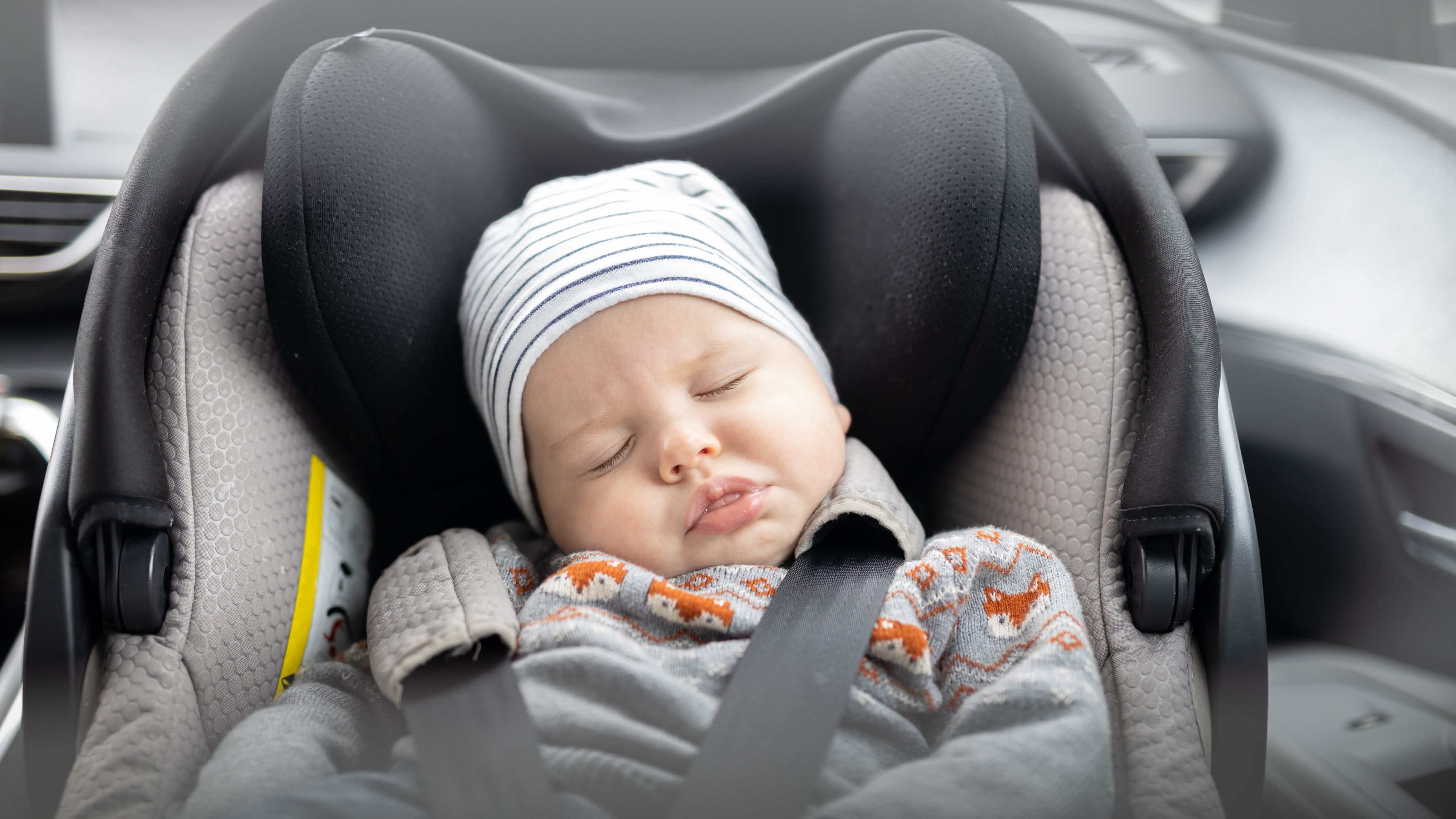
Breathing issues can arise during car seat sleep. Listen for unusual sounds like wheezing or snoring. Watch for rapid or shallow breaths. These can indicate discomfort or restricted airflow. Ensure the baby’s head isn’t slumped forward, which can block their airway.
Posture Changes To Monitor
Posture is key in a car seat. Check if your baby’s head tilts too far forward. Their chin should not rest on their chest. Ensure their back is straight and supported. Their legs should not be cramped or bent awkwardly.
When To Seek Immediate Help
Some signs need urgent attention. If your baby appears pale or blue, seek help. Unresponsiveness or extreme difficulty breathing are red flags. Trust your instincts. If something feels wrong, it’s better to check with a professional.
Alternatives For On-the-go Sleep
Finding safe and comfortable places for your baby to nap while you’re out can be challenging. Car seats are convenient but not ideal for extended sleep due to safety concerns. Luckily, there are several practical alternatives that let your baby rest well without compromising safety or your mobility.
Portable Travel Cribs
Portable travel cribs offer a secure, familiar sleeping spot anywhere you go. They are lightweight, easy to set up, and often fold into a compact size for travel bags. Many models come with breathable mesh sides, promoting airflow and letting you keep an eye on your baby.
Think about your last trip — did you struggle to find a safe place for your little one to nap? A travel crib can solve that problem instantly, giving your baby a consistent place to sleep and you peace of mind.
Infant Swings And Rockers
Infant swings and rockers can soothe your baby to sleep while on the move. Their gentle motion often calms fussy babies, helping them relax without the need for you to hold them constantly. However, limit their use to short periods and never leave your baby unattended.
Have you noticed how your baby responds to motion? Swings and rockers mimic that calming effect safely, but always check the manufacturer’s guidelines on time limits to avoid overuse.
Using Strollers Safely
Strollers can be a convenient sleeping spot during walks or errands, but safety comes first. Always recline the seat fully to keep your baby in a safe sleeping position. Avoid using bulky blankets or pillows that might obstruct breathing.
Next time you head out, observe how your baby sleeps in the stroller. Is the head well supported? Are straps secure but comfortable? Small adjustments can make a big difference in ensuring safe on-the-go naps.
Credit: www.todaysparent.com
Frequently Asked Questions
Can Babies Safely Sleep In Their Car Seat?
Babies can sleep in car seats during travel, but prolonged sleep outside the car is unsafe. Car seats are designed for movement, not extended rest. Use a flat, firm sleep surface for long naps to reduce risks like airway obstruction and positional asphyxia.
How Long Can A Baby Sleep In A Car Seat?
Babies should not sleep in car seats for more than two hours at a time. Extended periods can cause breathing difficulties and poor posture. Always transfer your baby to a safe sleep environment as soon as possible after the trip.
Is It Safe For Newborns To Nap In Car Seats?
Newborns may nap briefly in car seats during travel but should not sleep there regularly. Their neck muscles are weak, increasing the risk of airway blockage. Always supervise newborns closely and move them to a proper sleep surface promptly.
Why Is Sleeping In A Car Seat Risky For Babies?
Sleeping in car seats can cause babies’ heads to slump forward, blocking airways. The semi-reclined position may limit oxygen flow and increase sudden infant death syndrome (SIDS) risk. Proper sleep surfaces keep babies flat and safe.
Conclusion
Babies may feel cozy in their car seats, but safety is key. Experts say car seats are for travel, not long sleep. Leaving a baby to sleep too long in a car seat can cause breathing problems. Always move your baby to a flat, firm sleep surface as soon as possible.
Keep watching your baby’s position during travel. Your careful steps help protect your little one’s health and comfort. Remember, safe sleep habits keep babies happy and healthy. Small actions make a big difference every day.