
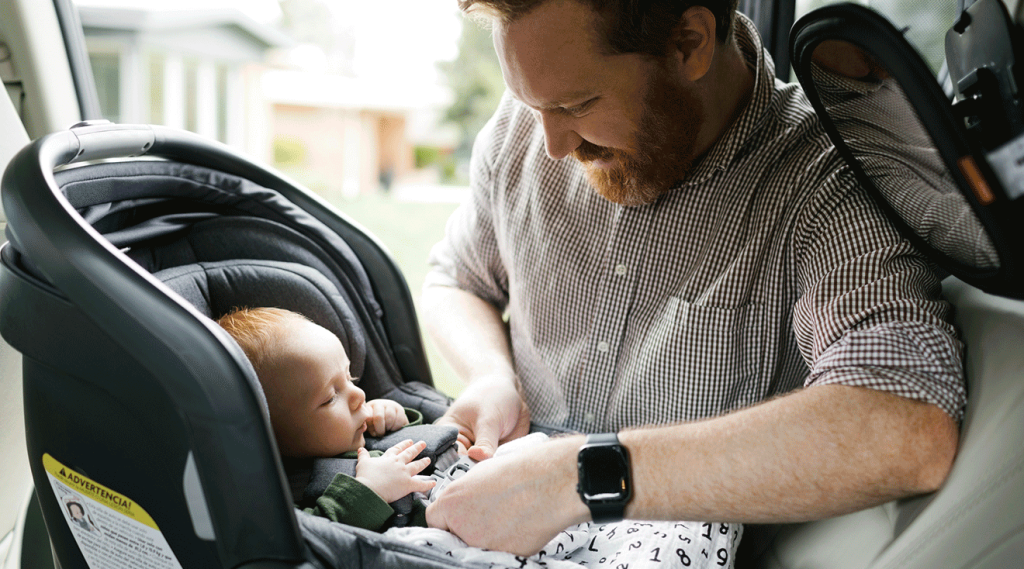
Have you ever noticed your baby getting fussy or uncomfortable during a car ride and wondered, “Can babies get car sick?” It’s a common concern for many parents like you.
Understanding why your little one might feel queasy on the road can help you make car trips smoother and more enjoyable. Keep reading to discover the signs of car sickness in babies and simple tips to keep your child comfortable every time you hit the road.
Causes Of Motion Sickness In Babies
Babies can experience motion sickness just like adults. Their bodies and brains are still developing. This makes them sensitive to movement changes. Understanding the causes helps parents recognize and soothe discomfort early. Motion sickness in babies happens when their inner ear and eyes send mixed signals to the brain. This confusion triggers nausea and dizziness. The causes often relate to the way motion affects their delicate balance system.
How Motion Affects Babies
The inner ear controls balance and senses motion. In babies, this system is immature and sensitive. When a car moves, the inner ear detects motion. But the eyes may see a still object, like a car seat or toy. This mismatch confuses the brain. The brain struggles to process the conflicting signals. The result is dizziness, nausea, and discomfort.
Sudden stops, sharp turns, and bumpy roads increase the chance of motion sickness. Long trips or constant motion also stress their balance system. Babies cannot tell you how they feel. Their bodies react instead.
Common Symptoms To Watch For
- Excessive drooling
- Yawning or heavy breathing
- Fussiness or crying
- Pale or flushed skin
- Vomiting or gagging
- Clutching their tummy
- Restlessness and discomfort
Noticing these signs early can help ease your baby’s discomfort. Taking breaks and keeping the car cool often helps. Recognizing symptoms quickly is key to preventing worse motion sickness.
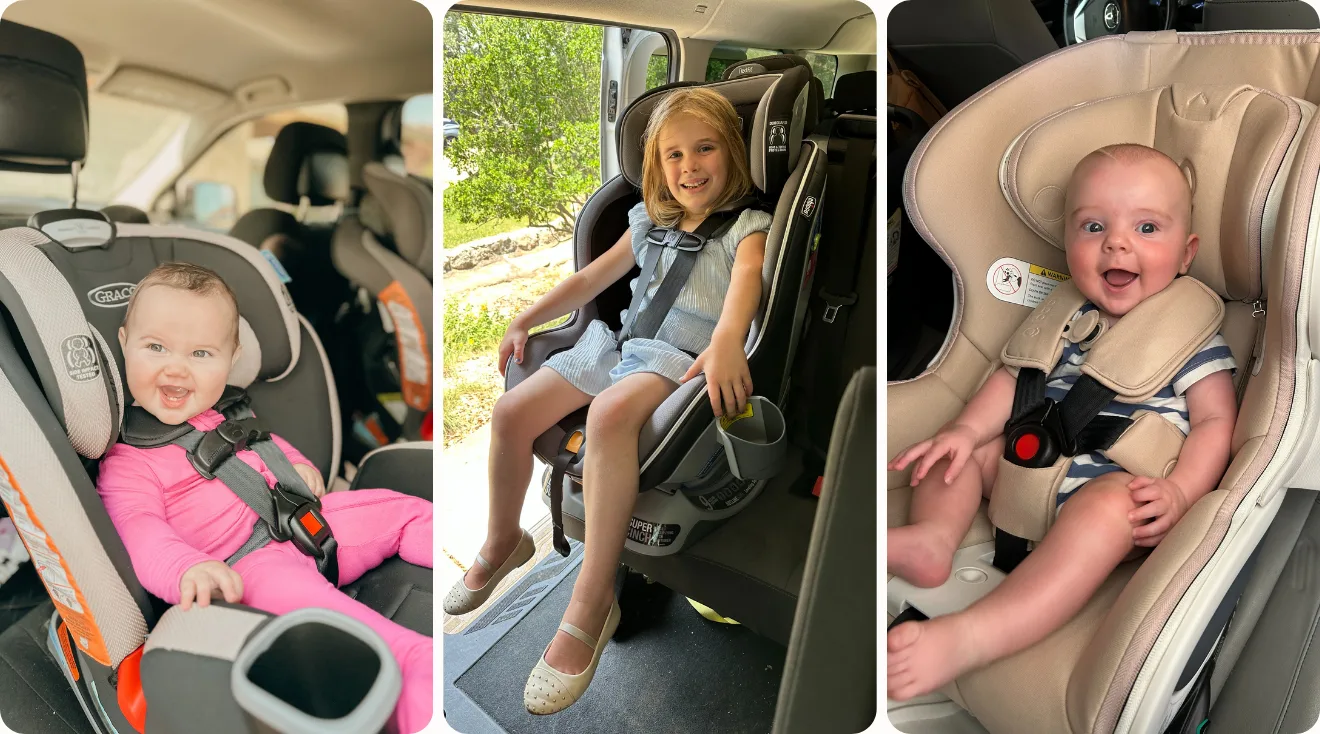
Credit: www.thebump.com
Signs Your Baby Is Car Sick
Recognizing the signs that your baby might be car sick is key to making car rides more comfortable for both of you. Babies can’t tell you they’re feeling unwell, but they do show it in other ways. Paying attention to these signs early can help you take action before the ride becomes stressful.
Behavioral Changes
Notice if your baby suddenly becomes unusually fussy or irritable during car rides. They might cry more than usual or seem restless, unable to settle down no matter what you try.
Some babies may cling to you more tightly or show signs of anxiety, like flailing their arms or arching their back. These behaviors can indicate discomfort linked to motion sickness.
Have you observed your little one turning their head away or refusing to look out the window? This could be their way of coping with the queasy feeling.
Physical Indicators
Physical symptoms often accompany behavioral changes when a baby is car sick. Look out for excessive drooling or a pale complexion, which are common signs of nausea.
Vomiting is a clear signal, but before it happens, your baby might yawn frequently or have hiccups. These subtle signs can be easy to miss but are important to watch for.
Does your baby seem unusually tired or lethargic after a short drive? Fatigue can be a reaction to the discomfort caused by motion sickness.
Preventive Measures Before Travel
Traveling with a baby can be challenging, especially if you’re worried about car sickness. Taking preventive measures before you hit the road can make a huge difference. Simple changes in how you prepare can help keep your little one comfortable and happy during the trip.
Choosing The Right Car Seat Position
The placement of your baby’s car seat can affect how they experience motion. Facing the car seat away from the driver and closer to the center of the back seat often reduces the feeling of motion. This position helps your baby focus on a stable point, which can ease nausea.
Make sure the car seat is securely installed and reclined at the correct angle for your baby’s age and size. A slightly reclined position supports their head and reduces jerky movements. Have you noticed if your baby feels better when they can see out the window or when the view is limited?
Timing Trips Around Nap And Meal Schedules
Planning travel around your baby’s natural rhythms is key. Driving during or just after naps keeps your baby calm and less likely to feel sick. A well-rested baby is less fussy and more comfortable in the car.
Feeding your baby before the trip helps prevent hunger-induced irritability. However, avoid heavy meals right before traveling to reduce the risk of nausea. How does your baby usually respond to car rides after eating?
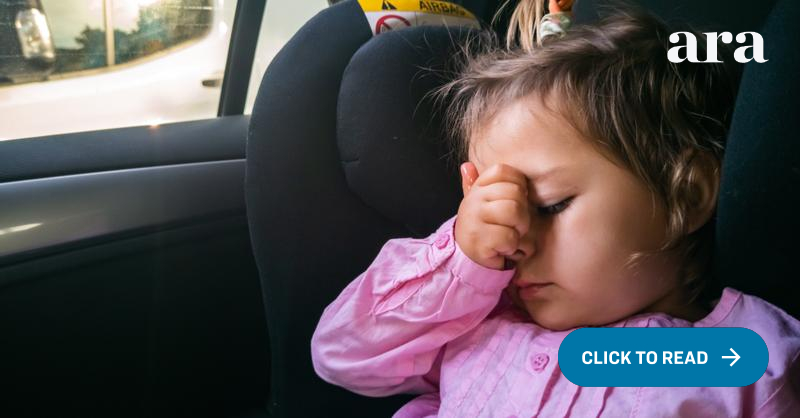
Credit: en.ara.cat
During The Ride Tips
Keeping your baby comfortable during a car ride helps prevent car sickness. Small changes can make a big difference. Focus on fresh air and fun distractions. These steps keep your baby calm and happy.
Maintaining Fresh Air And Ventilation
Fresh air helps reduce nausea in babies. Open a window slightly or use the car’s ventilation system. Avoid strong smells like perfumes or food. Keep the air moving gently around your baby.
Too much heat or stuffiness can make babies feel sick. Use a fan or air conditioner to keep a cool, steady breeze. Make sure the airflow does not blow directly on your baby’s face.
Engaging Distractions For Babies
Distractions help take your baby’s mind off motion. Soft toys or colorful books work well. Singing or talking to your baby keeps their attention focused.
- Use gentle music or lullabies.
- Bring favorite toys or blankets.
- Play simple peek-a-boo games.
- Use mirrors so your baby can see themselves.
Changing activities every few minutes keeps your baby interested. Keep your voice calm and soothing to create a relaxing environment.
After The Ride Care
Babies can feel car sick due to motion. After the ride, give them time to rest and offer water. Watch for fussiness or nausea as signs of discomfort.
After a long car ride, your baby might need some extra love and care to feel at ease. It’s essential to address their comfort and well-being once the journey ends. This helps in preventing any lasting discomfort and ensures they’re happy and healthy. Whether it’s calming their senses or providing the right nourishment, paying attention to these details can make a significant difference.Soothing Techniques
Calming your baby after a car ride is crucial. A gentle massage can work wonders to relax them, focusing on their back and arms. Soft music or a lullaby can also help soothe their senses, creating a peaceful atmosphere. Consider a warm bath if your baby enjoys water. It can be a comforting transition from the motion of the car to the calmness of home. Swaddling them in a soft blanket might also provide the comfort they need.Hydration And Nutrition
Ensuring your baby is well-hydrated is vital after a ride. Offer them small sips of water or their usual milk, depending on their age. This helps in settling their stomach and keeping them refreshed. Check if they’re hungry. A light snack like mashed banana or baby cereal can be comforting and help stabilize their mood. Keep an eye on their reaction to food, as some might still feel queasy post-ride. How do you usually comfort your baby after a long drive? Share your experiences and tips in the comments below!When To Seek Medical Advice
Knowing when to seek medical advice for a baby experiencing car sickness is crucial. While occasional nausea or fussiness might be normal, some signs indicate that professional help is needed. Paying close attention to your baby’s symptoms can prevent complications and ensure their comfort and safety.
Persistent Symptoms
If your baby continues to show signs of nausea, vomiting, or excessive fussiness during or after car rides, it’s time to consult a doctor. Symptoms lasting more than a few hours or happening repeatedly over several trips should not be ignored. Persistent dehydration, refusal to eat, or lethargy are red flags that require prompt medical evaluation.
I once noticed my nephew becoming unusually pale and irritable on every car trip, even with breaks and fresh air. A quick visit to the pediatrician revealed an underlying ear infection, which was causing his motion sickness to worsen. This experience taught me that persistent symptoms might hide other health issues.
Alternative Causes To Consider
Not all symptoms that look like car sickness are caused by motion alone. Ear infections, acid reflux, or even food allergies can mimic nausea and discomfort during travel. If your baby’s symptoms don’t improve with common remedies like fresh air or stopping the car, it’s worth exploring other possibilities.
Ask yourself: Could your baby be reacting to something other than motion? Are there signs such as fever, coughing, or unusual skin reactions? Sharing these details with your pediatrician helps identify the right cause and treatment.
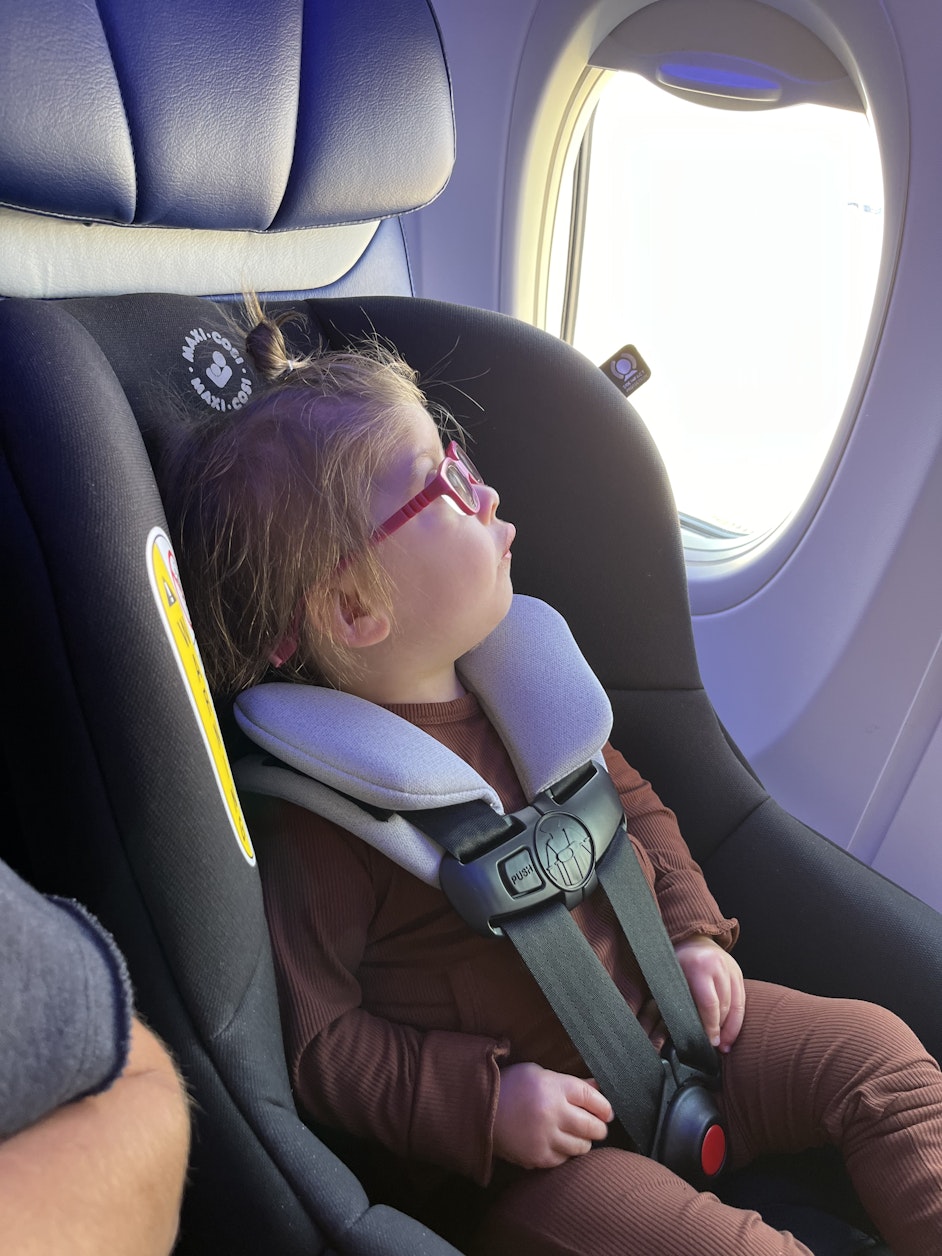
Credit: www.safeintheseat.com
Frequently Asked Questions
Can Babies Experience Car Sickness Symptoms?
Yes, babies can get car sick, showing signs like fussiness, vomiting, and excessive drooling during travel.
At What Age Do Babies Get Car Sick?
Babies as young as six months can experience car sickness, but it varies based on individual sensitivity.
How Can I Prevent My Baby’s Car Sickness?
To prevent car sickness, keep the car cool, avoid heavy meals before travel, and provide fresh air.
Is Car Sickness Dangerous For Babies?
Car sickness is usually not dangerous but can cause discomfort and dehydration if vomiting is severe.
Conclusion
Babies can get car sick just like adults do. Watch for signs like fussiness, drooling, or vomiting. Keep the car cool and well-ventilated to help comfort your baby. Try to drive smoothly and avoid sharp turns or sudden stops. Take breaks during long trips so your baby can rest.
Holding your baby upright may also reduce nausea. Remember, each baby is different and may react in their own way. Staying calm and prepared makes travel easier for both you and your little one. Safe and happy journeys start with simple care.