

You might think a car seat is the safest place for your baby to nap, especially during a long drive or even just around the house. But have you ever wondered if letting your baby sleep in a car seat could be dangerous?
The truth is, many parents don’t realize the risks involved. If you care about your baby’s safety—and of course you do—then you need to know what experts say about this common practice. Keep reading to discover why something as simple as a car seat nap could put your little one at risk, and how you can keep your baby safe every step of the way.

Credit: uk.style.yahoo.com
Risks Of Sleeping In A Car Seat
Babies often fall asleep in car seats during trips. While it seems safe, sleeping in a car seat carries certain risks. These risks can affect a baby’s breathing, comfort, and overall safety. Understanding them helps parents keep babies safe.
Breathing Difficulties
Car seats position babies at a reclined angle. This can cause the baby’s head to slump forward. When the head falls forward, it may block the airway. Limited airflow can make breathing hard. Babies cannot move their heads easily to fix this. Breathing difficulties can become serious if not noticed quickly.
Positional Asphyxia
Positional asphyxia happens when a baby’s position stops proper breathing. In a car seat, the baby’s chin can press against the chest. This position restricts the airway. Babies have weak neck muscles and cannot adjust themselves. Prolonged time in this position increases the risk. It is crucial to avoid letting babies sleep long periods in car seats.
Overheating Concerns
Car seats can trap heat around the baby. Soft padding and straps hold the baby close, limiting air flow. Overheating can cause discomfort and danger. Babies cannot remove layers or move away from heat. Overheating raises the risk of sudden infant death syndrome (SIDS). Monitoring a baby’s temperature is important during naps in a car seat.
Why Car Seats Aren’t Safe For Prolonged Sleep
Babies often fall asleep in their car seats during drives, and it might seem harmless to let them continue sleeping there once you arrive. However, car seats aren’t designed for prolonged sleep outside of the car’s movement. Understanding why can help you protect your baby from unnecessary risks.
Design Limitations
Car seats are engineered to keep babies safe during travel, not as a sleeping device. Their shape supports a reclined position that is ideal while the car is in motion but can cause the baby’s head to slump forward when stationary. This position can block the airway, making breathing difficult.
Have you noticed how your baby’s head sometimes lolls forward even during a short drive? This subtle tilt can become dangerous if the baby remains in that position for a long time.
Lack Of Proper Support
Unlike cribs or bassinets, car seats do not provide the firm and flat surface babies need for safe sleep. The harness system, while essential for safety in the car, can restrict natural movement and limit support for the neck and back. This lack of proper support increases the risk of positional asphyxia.
You might think the snug fit is comforting, but it can actually prevent your baby from changing position, which is necessary to maintain healthy breathing and circulation.
Reduced Airflow
One critical issue with prolonged sleep in a car seat is reduced airflow around the baby’s face. The semi-reclined angle combined with the cushioning can cause the baby’s chin to press against their chest. This can narrow the airway and reduce oxygen intake.
Would you leave your baby sleeping in a place where their breathing could be compromised? This is why experts recommend moving babies to a flat, firm sleep surface as soon as possible after car rides.
Real-life Incidents And Statistics
Sleeping in a car seat can cause serious breathing problems for babies. Reports show some infants have died from prolonged use outside the car. Always use car seats as intended to keep babies safe.
Real-life incidents and statistics offer a sobering glimpse into the potential dangers of babies sleeping in car seats. These cases highlight the importance of awareness and vigilance among parents and caregivers. Understanding the risks and learning from past incidents can be crucial in preventing tragedies.Reported Cases
There have been numerous reported cases where infants have tragically passed away while sleeping in car seats. In 2015, a study published in the Journal of Pediatrics highlighted incidents where babies were left to sleep in car seats outside of a vehicle. These situations often occurred in daycare settings or at home, where the car seat was used as a substitute for a crib. In one instance, a caregiver left an infant in a car seat for an extended period, leading to positional asphyxia—a condition where the baby’s position prevents adequate breathing. Such heartbreaking cases underline the need for constant supervision and appropriate sleep environments for infants.Medical Research Findings
Medical research has delved into the risks associated with infants sleeping in car seats. A notable study by the American Academy of Pediatrics found that prolonged periods in car seats can lead to oxygen desaturation. This means that the baby’s blood oxygen levels can decrease significantly, posing a severe risk. Moreover, researchers emphasize that car seats are designed for transportation safety, not as regular sleeping places. The seated position can cause a baby’s head to slump forward, obstructing their airway. This critical insight raises an important question: Are we using car seats beyond their intended purpose, unknowingly putting our children at risk? Understanding these findings can guide you in making safer choices for your baby’s sleep. Always prioritize placing your baby in a crib or bassinet when not traveling.
Credit: coronertalk.com
Safe Sleep Recommendations For Babies
Ensuring your baby sleeps safely is one of the most important responsibilities you have. Safe sleep recommendations help reduce risks and create a secure environment for your little one to rest peacefully. Understanding where and how your baby should sleep can prevent accidents and give you peace of mind.
Ideal Sleep Environments
Your baby’s sleep area should be firm, flat, and free of soft bedding or toys. A crib or bassinet that meets current safety standards is best. Avoid letting your baby sleep on sofas, armchairs, or adult beds, as these increase the risk of suffocation or falls.
Keep the room at a comfortable temperature and dress your baby in appropriate clothing to avoid overheating. Think about using a wearable blanket instead of loose blankets to keep your baby warm and safe. Have you checked if your baby’s sleep space meets all the recommended safety guidelines?
When To Use Car Seats For Sleep
Car seats are designed for travel, not prolonged sleep. While it may seem convenient to let your baby nap in the car seat, especially after a car ride, extended sleep in this position can be risky. The semi-upright angle may cause your baby’s head to slump forward, which can restrict airways.
Use car seats for sleeping only during travel or brief supervised naps. Once you arrive home or reach your destination, move your baby to a safe sleep surface as soon as possible. Have you noticed your baby’s head position when sleeping in the car seat?
Monitoring And Supervision Tips
Constant supervision is key when your baby sleeps outside of a crib or bassinet. If your baby must sleep in a car seat, keep a close eye on them and check their breathing and position regularly. Use video monitors if you need to be in another room but want to stay alert.
Never leave your baby unattended in a car seat, stroller, or swing for extended periods. Trust your instincts—if something feels off about your baby’s sleep environment, adjust it immediately. What steps can you take today to improve your baby’s sleep safety?
Alternatives To Car Seat Sleeping
Finding safe alternatives to letting your baby sleep in a car seat is essential for their well-being. While car seats are designed for travel safety, they are not meant for prolonged sleep outside the vehicle. Here are some practical options that can provide comfort and safety for your baby when you’re on the go or at home.
Portable Bassinets
Portable bassinets offer a cozy and secure sleeping space that you can easily carry from room to room. They give your baby a flat, firm surface to rest on, which is much safer than a car seat for sleep. Many parents find that a portable bassinet helps their baby sleep better during naps and nighttime, especially when traveling or visiting friends.
Think about how convenient it is to have a bassinet nearby while you work or relax. You can keep a close eye on your little one without the risk of them slipping into unsafe positions. Have you tried using a portable bassinet during outings?
Travel Cribs
Travel cribs are sturdy, foldable, and designed to create a safe sleep environment anywhere you go. Unlike car seats, they provide plenty of room for your baby to move and stretch comfortably. Many travel cribs come with breathable mesh sides, allowing for good airflow and visibility.
These cribs are perfect for longer trips or overnight stays outside your home. Setting one up in a hotel room or a relative’s house ensures your baby has a familiar and secure place to sleep. Could a travel crib be your next must-have for family adventures?
Proper Use Of Strollers
Strollers can be a convenient place for your baby to rest briefly, but only if used correctly. Ensure the stroller reclines fully to create a flat sleeping surface, and always use the harness to keep your baby secure. Avoid letting your baby sleep in a stroller for extended periods, especially unsupervised.
Using a stroller wisely means balancing convenience with safety. When you need to soothe your baby during a walk or quick errands, a reclined stroller can be helpful. Have you noticed how a little fresh air in a stroller sometimes helps your baby fall asleep faster?
Parental Precautions And Best Practices
Keeping your baby safe while using a car seat goes beyond simply buckling them in. Understanding the risks and knowing how to act can make a huge difference. Paying close attention to how long your baby stays in the car seat, spotting any signs of trouble early, and being ready to respond fast are key steps every parent should know.
Avoiding Long Car Seat Sessions
Babies should not stay in a car seat for extended periods. The seat’s design supports safety during travel but can limit movement and restrict breathing if used too long. Try to limit car seat time to under two hours at a stretch, especially for newborns.
If you notice your baby sleeping soundly during a long drive, consider stopping to take them out for a break. Stretching their legs and changing positions helps prevent discomfort and reduces the risk of breathing problems. Have you ever felt anxious seeing your baby asleep in their car seat for too long?
Recognizing Signs Of Distress
It’s crucial to know what distress looks like in your baby. Watch for signs like unusual fussiness, pale or blue-tinged skin, labored breathing, or excessive sweating. These signals mean your baby might be struggling to breathe or is uncomfortable.
Sometimes, a baby’s quietness can be a warning sign. If your baby is unusually still or unresponsive, don’t ignore it. Trust your instincts and check on them immediately. How quickly can you tell if something isn’t right?
Emergency Response Steps
If you suspect your baby is in distress while in the car seat, act fast. First, safely pull over and remove your baby from the seat. Lay them on a firm, flat surface and check their airway, breathing, and responsiveness.
Call emergency services right away if your baby is unresponsive or having trouble breathing. While waiting for help, try gentle stimulation like rubbing their back or tapping their feet. Being prepared can save precious time in an emergency—do you have an emergency plan ready?
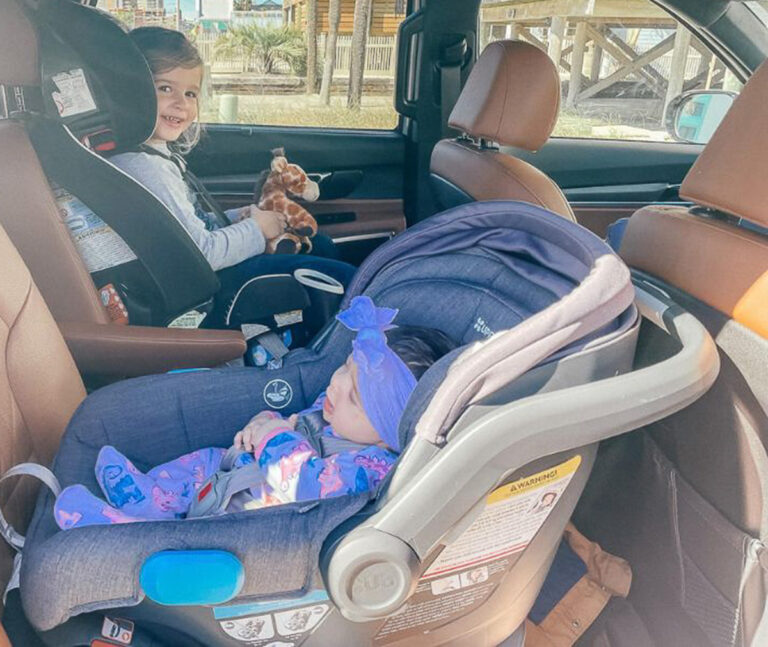
Credit: agirlsguidetocars.com
Frequently Asked Questions
Can Babies Die From Sleeping In A Car Seat?
Yes, babies can die from sleeping in a car seat due to restricted airflow and poor positioning. Prolonged use outside the car increases the risk of suffocation or breathing difficulties.
Why Is Sleeping In A Car Seat Dangerous For Babies?
Sleeping in car seats can cause airway obstruction and reduced oxygen intake. The semi-reclined position can lead to head slumping, blocking the airway and increasing suffocation risk.
How Long Is Safe For Babies To Sleep In Car Seats?
Babies should not sleep in car seats for extended periods. Limit sleep to short rides under two hours to reduce breathing risks and avoid prolonged pressure on the baby’s body.
What Are Safer Alternatives To Car Seat Sleeping?
Use a firm, flat sleep surface like a crib or bassinet for safe sleep. Avoid placing babies to sleep in car seats outside of travel to prevent suffocation hazards.
Conclusion
Babies should never sleep in car seats for long periods. This can cause breathing problems and increase risk of death. Always move your baby to a flat, firm sleep surface as soon as possible. Car seats are for travel, not for sleep.
Keep your baby safe by following these simple steps. Your care and attention can protect your child’s life. Safety matters most. Stay informed and always watch your baby closely.