

Have you ever wondered how a simple device can protect you and others from the dangers of drunk driving? A breathalyzer in car interlock devices might be the key to keeping your roads safer.
Imagine having a built-in safety check every time you start your car—this isn’t just about following the law, it’s about taking control of your safety and your future. You’ll discover how these devices work, why they’re becoming essential, and how they can make a real difference for you and your loved ones.
Keep reading to learn how this small tool can have a huge impact on your driving life.
How Car Interlock Devices Work
Car interlock devices use breathalyzer technology to prevent impaired driving. These systems require a breath test before the vehicle starts. The device measures alcohol levels to ensure safety on the road. Understanding how these devices work helps explain their role in promoting responsible driving habits.
Breathalyzer Technology Basics
The core of the interlock device is the breathalyzer sensor. It detects alcohol in the breath sample. The sensor uses fuel cell or semiconductor technology. Fuel cells create an electrical current from alcohol oxidation. The strength of this current shows the blood alcohol concentration (BAC). This reading determines if the driver can start the car.
Integration With Vehicle Systems
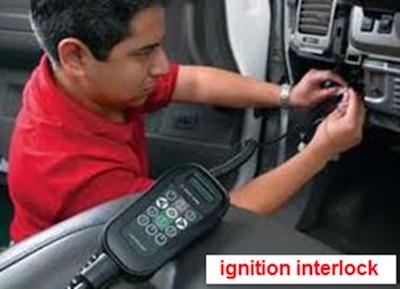
The breathalyzer device connects directly to the vehicle’s ignition system. If the BAC exceeds the preset limit, the ignition is disabled. The system also records test results and attempts to start the car. Some models send data to monitoring agencies or probation officers. This integration ensures compliance with court or safety requirements.
Startup And Driving Process
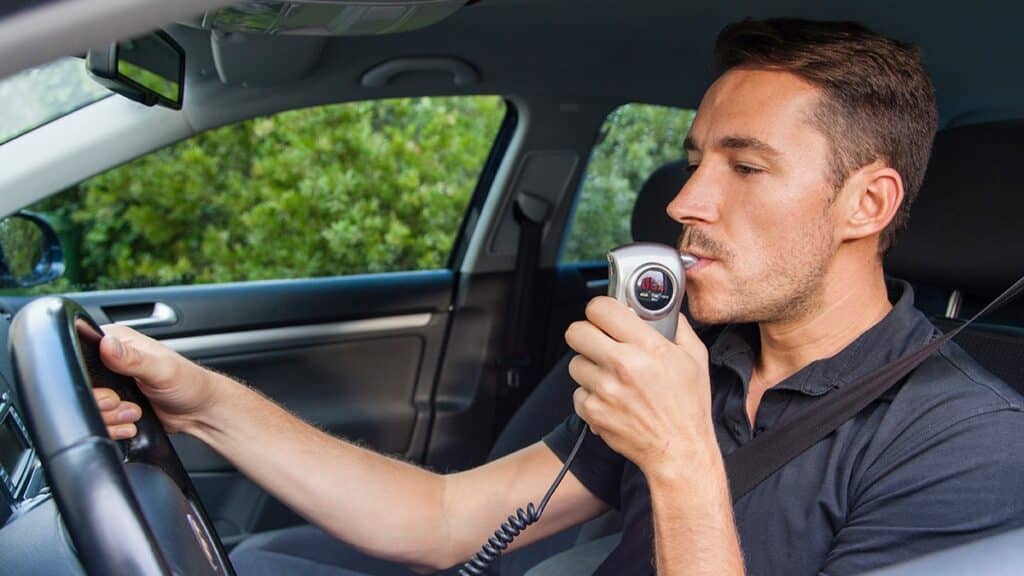
Before starting the engine, the driver blows into the device. A clean, steady breath sample is needed for accurate results. If the test passes, the ignition unlocks, and the driver can start the vehicle. Random retests may occur during driving to ensure continued sobriety. Failure to pass a retest can trigger warnings or engine shutdown.
Credit: www.mississippi-lawyers.com
Benefits Of Breathalyzer Interlocks
Breathalyzer interlock devices offer many benefits for drivers and the community. They help make roads safer and encourage better habits behind the wheel. These devices block vehicles from starting if alcohol is detected on the driver’s breath.
Preventing Drunk Driving
Breathalyzer interlocks stop drivers from operating a vehicle while intoxicated. This reduces the chance of drunk driving incidents. The device requires a breath test before the car starts. If alcohol is present, the engine will not turn on.
Reducing Accident Rates
Using breathalyzer interlocks lowers the number of accidents caused by impaired driving. Fewer accidents mean fewer injuries and deaths on the road. This device acts as a safety barrier that protects all road users.
Promoting Responsible Behavior
Breathalyzer interlocks encourage drivers to think twice before drinking and driving. They create awareness about the dangers of alcohol and driving. Over time, this leads to more responsible choices and safer driving habits.
Legal And Regulatory Aspects
Understanding the legal and regulatory aspects of breathalyzer car interlock devices is crucial. These devices play an important role in road safety and law enforcement. This section explores mandatory use, compliance, and privacy concerns.
Mandatory Use And Court Orders
Many jurisdictions require interlock devices for DUI offenders. Court orders often mandate installation as part of sentencing. This helps prevent repeat offenses and ensures safer roads. The law aims to reduce alcohol-related accidents.
Compliance And Enforcement
Compliance with interlock regulations is strictly monitored. Authorities enforce installation and maintenance of these devices. Regular checks ensure the device is working properly. Non-compliance can lead to legal consequences. This includes fines or extended license suspensions.
Privacy And Data Security
Privacy concerns arise with the use of interlock devices. These devices collect data like breath test results and location. Ensuring data security is vital to protect user information. Laws regulate how this data is stored and accessed. This safeguards personal privacy while maintaining road safety.

Credit: www.ebay.com
Challenges And Limitations
Breathalyzer car interlock devices help prevent drunk driving, but they face several challenges and limitations. These issues affect how well the devices work and how drivers feel about using them. Understanding these hurdles is important for improving the technology and its acceptance.
False Positives And Calibration Issues
Breathalyzers can sometimes give false positive readings. This happens when the device detects alcohol from sources other than breath. Mouthwash, cough syrup, or even certain foods may cause errors. Calibration problems also affect accuracy. Devices need regular adjustments to maintain precision. Without proper calibration, readings can become unreliable. This leads to frustration and mistrust among users.
User Experience And Convenience
Car interlock devices require users to blow into the breathalyzer before starting the car. This can feel inconvenient and slow. Some drivers find the process embarrassing or stressful. The device may need multiple attempts to get a valid reading. Waiting times can add up, especially in cold weather or busy situations. Ease of use plays a big role in whether people accept these devices.
Cost And Accessibility
Installing and maintaining breathalyzer interlock devices can be expensive. The initial cost can be high for many drivers. Monthly rental or service fees add to the financial burden. These costs limit accessibility for people with lower income. Insurance companies may not always cover the expenses. This creates a barrier to widespread use and reduces the device’s impact on road safety.
Advancements And Future Trends
Breathalyzer technology in car interlock devices is evolving rapidly. These advancements improve accuracy, reliability, and user experience. The future of these devices looks promising, with new features that enhance safety and integration.
Improved Sensor Technologies
New sensor designs detect alcohol levels more precisely. They react faster and reduce false readings. Some sensors now use advanced materials to improve sensitivity. This means fewer errors and better performance in different environments.
Integration With Smart Vehicle Systems
Car interlock devices are connecting with smart vehicle systems. They can communicate with engine controls and safety features. This integration allows automatic responses if alcohol is detected. It also enables real-time monitoring and remote updates.
Potential For Broader Adoption
More countries and companies consider using interlock devices. Their success in preventing drunk driving encourages wider use. Costs are decreasing, making devices affordable for more drivers. New laws may require these systems in more vehicles soon.
Credit: www.criminalsolicitorsmelbourne.com.au
Frequently Asked Questions
What Is A Breathalyzer In Car Interlock Devices?
A breathalyzer in car interlock devices measures alcohol levels in a driver’s breath. It prevents the car from starting if alcohol is detected above a preset limit, enhancing road safety and reducing drunk driving incidents.
How Does A Car Interlock Breathalyzer Work?
The device requires the driver to blow into the breathalyzer before starting the vehicle. If the alcohol level is below the legal limit, the car starts. If not, the engine remains locked until a clean breath sample is provided.
Are Car Interlock Breathalyzers Legally Required?
Many regions mandate car interlock devices for DUI offenders. Laws vary by country and state. These devices help prevent repeat offenses by ensuring drivers are sober before operating a vehicle.
Can Anyone Use A Car Interlock Breathalyzer?
Yes, car interlock breathalyzers can be installed in personal or commercial vehicles. They are designed for drivers who need to ensure sobriety or comply with legal requirements after alcohol-related offenses.
Conclusion
Breathalyzer car interlock devices help keep roads safer. They stop drunk driving before it starts. Drivers must blow into the device to start their car. This simple step can prevent accidents and save lives. Using these devices shows a strong commitment to safety.
More people should understand how they work and their benefits. Safer driving means fewer crashes and happier communities. Small actions can make a big difference on the road. Breathalyzer interlocks are a smart tool for safer travel.