
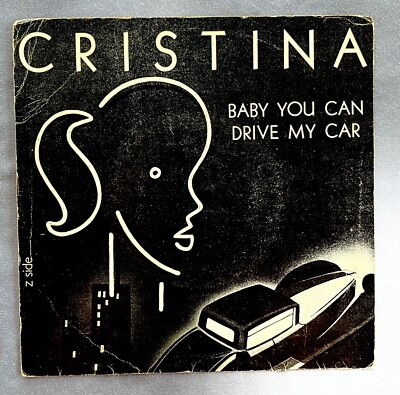
Have you ever felt the thrill of taking the wheel and hitting the open road? “Baby You Can Drive My Car” isn’t just a catchy phrase—it’s an invitation to experience freedom, excitement, and a whole new level of connection.
Whether you’re dreaming of your first drive or curious about what makes this classic so unforgettable, this article is made for you. Get ready to discover why this simple line sparks so much joy and how it can inspire your own adventures behind the wheel.
Keep reading, because your next great ride starts right here.

Credit: www.youtube.com
Preparing To Drive
Driving requires careful preparation before you start. Getting ready keeps you safe and legal on the road.
This guide covers the documents you need, how to check your vehicle, and picking the best place to practice driving.
Essential Documents And Licenses
Always carry your driver’s license or learner’s permit. You also need vehicle registration and proof of insurance. These papers prove you can drive legally.
- Valid driver’s license or learner’s permit
- Vehicle registration papers
- Proof of insurance
- Identification card, if required
Vehicle Safety Checks
Check your vehicle before driving to avoid problems. Look at important parts and make sure they work well.
| Item | What to Check |
|---|---|
| Tires | Proper pressure and good tread |
| Lights | Headlights, brake lights, and signals |
| Brakes | Brake response and pedal firmness |
| Mirrors | Clean and properly adjusted |
| Fluid Levels | Oil, coolant, and windshield washer fluid |
Choosing The Right Driving Environment
Pick a safe place to practice driving. A calm, quiet area helps you focus and learn without stress.
- Empty parking lots with low traffic
- Quiet residential streets
- Daytime driving with clear weather
- Avoid busy highways and night driving
Mastering Basic Controls
Learning to drive starts with knowing the basic controls. These controls help you steer, stop, and signal safely.
Understanding each control well makes driving easier and more comfortable for you.
Steering And Handling
The steering wheel controls the direction of the car. Hold it firmly with both hands. Turn it smoothly to avoid sudden moves.
Practice gentle turns and keep your eyes on the road to handle the car safely.
Using Pedals Effectively
- Use your right foot to press the gas pedal to move forward.
- Press the brake pedal with your right foot to slow down or stop.
- In manual cars, use the left foot for the clutch pedal while changing gears.
- Do not press pedals hard; gentle pressure works best for smooth driving.
Good control of pedals helps keep the car steady and saves fuel.
Operating Indicators And Lights
| Control | Purpose | When to Use |
|---|---|---|
| Turn Indicators | Signal direction changes | Before turning or changing lanes |
| Headlights | Light the road ahead | At night or in poor visibility |
| Brake Lights | Warn vehicles behind | When slowing down or stopping |
| Hazard Lights | Alert others to danger | In emergencies or breakdowns |
Always check your indicators and lights before driving. This keeps you and others safe on the road.
Safe Driving Techniques
Driving safely helps protect you and others on the road. Following simple rules can prevent accidents and keep traffic smooth.
This guide covers key safe driving techniques every driver should know. Learn how to maintain speed, keep distance, and handle intersections well.
Maintaining Proper Speed
Driving at the right speed is important for safety. Speed limits are set based on road and traffic conditions. Always watch for signs and adjust your speed accordingly.
Too fast or too slow speeds can cause problems. Drive at a steady speed that fits the environment. Use your speedometer often and stay alert.
Keeping Safe Following Distance
Keep enough space between your car and the one ahead. This gives you time to stop or react to sudden changes. The distance depends on your speed and road conditions.
- On dry roads, keep at least 3 seconds behind the vehicle in front.
- Increase to 4 or more seconds in rain or fog.
- Allow more space if you drive a large vehicle.
- Be extra careful near motorcycles and bicycles.
Navigating Intersections And Turns
Intersections and turns are common places for accidents. Slow down and look both ways before crossing or turning. Use your signals to let others know your plans.
| Action | Tip |
| Approaching an Intersection | Slow down and check traffic from all directions. |
| Turning Left | Yield to oncoming cars and pedestrians. |
| Turning Right | Watch for cyclists and pedestrians on the sidewalk. |
| Using Signals | Signal at least 100 feet before turning or changing lanes. |
Defensive Driving Skills
Driving safely means watching the road and thinking ahead. Defensive driving helps you avoid accidents. It keeps you and others safe.
Good drivers expect what others might do. They stay calm and control the car well. This guide covers key skills to drive defensively.
Anticipating Other Drivers’ Actions
Watch other drivers closely. Look for signs that show what they will do next. This helps you react in time.
- Keep a safe distance from the car ahead.
- Use mirrors to check traffic behind and beside you.
- Notice turn signals and brake lights early.
- Be ready for sudden stops or lane changes.
- Avoid distractions like phones or loud music.
Handling Adverse Weather Conditions
Weather can make roads slippery and reduce visibility. Drive slower and stay alert in rain, snow, fog, or ice.
| Weather | Key Driving Tips |
| Rain | Use headlights, avoid sharp turns, brake gently |
| Snow | Clear windows, increase following distance, use low gears |
| Fog | Use fog lights, reduce speed, avoid passing |
| Ice | Drive slowly, avoid sudden moves, use winter tires if possible |
Dealing With Road Hazards
Road hazards like potholes, debris, and animals can cause accidents. Spot hazards early to stay safe.
Follow these steps when you see a hazard:
- Slow down smoothly without braking hard.
- Signal and change lanes if it is safe.
- Keep both hands on the wheel.
- Stay calm and avoid sudden moves.
Avoiding Common Mistakes
Driving a car needs focus and care. Many people make mistakes that can cause accidents.
Learning what to avoid helps you stay safe on the road and protect others.
Distracted Driving Risks
Distractions take your attention from driving. Phones, eating, or talking can cause crashes.
Keep your eyes on the road and hands on the wheel at all times.
- Do not use your phone while driving
- Avoid eating or drinking behind the wheel
- Keep music volume low to hear traffic
- Focus on driving, not passengers
Managing Fatigue And Stress
Tired or stressed drivers react slowly. This makes driving dangerous for everyone.
Rest before driving and take breaks on long trips to stay alert.
- Get enough sleep before driving
- Stop every two hours to stretch and rest
- Stay calm and avoid rushing
- Drink water to stay refreshed
Avoiding Aggressive Driving
Aggressive driving can cause accidents and road rage. Stay calm and patient.
Follow traffic rules and respect other drivers to make the road safer.
- Keep a safe distance from other cars
- Do not speed or tailgate
- Use signals for every turn and lane change
- Stay calm if others drive badly

Credit: www.ebay.com
Emergency Preparedness
Being prepared for emergencies can keep you safe on the road. Understanding what to do in different situations is key.
Let’s explore essential actions for breakdowns, accidents, and using safety equipment effectively.
What To Do In A Breakdown
Car breakdowns can happen at any time. Knowing what steps to take ensures safety.
- Move your vehicle to a safe location, away from traffic.
- Turn on your hazard lights to alert other drivers.
- Stay inside the vehicle if it is safe to do so.
- Call for roadside assistance if needed.
Responding To Accidents
Accidents can be stressful. Staying calm and taking the right steps is crucial.
| Action | Description |
| Check for Injuries | Ensure everyone is safe and call for medical help if needed. |
| Move Vehicles | If possible, move vehicles to the side of the road. |
| Exchange Information | Share contact and insurance information with other drivers. |
| Document the Scene | Take photos and notes of the accident scene. |
Using Safety Equipment
Safety equipment in your car can prevent accidents and help in emergencies. Knowing how to use them is important.
- First aid kit
- Reflective warning triangles
- Fire extinguisher
- Flashlight with extra batteries
Maintaining Driving Confidence
Driving is a skill that gets better with practice. Confidence comes from knowing the rules and feeling comfortable behind the wheel. Here are some ways to maintain your driving confidence.
Regular Practice Tips
Practicing driving regularly helps you stay sharp. It keeps your skills fresh and makes you feel more at ease on the road. Here are some tips for regular practice.
- Drive in different weather conditions to gain experience.
- Practice parking in various spots like parallel and angled.
- Take short drives in new areas to improve navigation skills.
Staying Updated With Traffic Laws
Traffic laws change over time. Knowing the latest rules helps you drive safely. Staying updated ensures you are following the current guidelines.
- Check local DMV websites for updates on traffic laws.
- Attend refresher courses if available in your area.
- Read news articles about changes in road regulations.
Building Good Driving Habits
Good habits make driving more efficient and safe. They help you react calmly in different situations. Here are some habits to build for confident driving.
- Always check mirrors and blind spots before changing lanes.
- Maintain a safe distance from the vehicle in front of you.
- Keep your hands at the 9 and 3 positions on the steering wheel.
Credit: medium.com
Frequently Asked Questions
What Is The Meaning Of “baby You Can Drive My Car”?
The phrase means offering someone a chance to take control or lead. It symbolizes trust and freedom. It’s often used metaphorically in songs and conversations.
Who Originally Sang “baby You Can Drive My Car”?
The Beatles originally sang this song. It was released in 1965. The track is part of their album “Rubber Soul,” showcasing their evolving musical style.
What Makes “baby You Can Drive My Car” Popular?
Its catchy tune and playful lyrics make it memorable. The upbeat rhythm appeals to a wide audience. The Beatles’ fame also boosted its popularity worldwide.
How Does The Song Relate To Driving And Relationships?
The car symbolizes control and adventure in relationships. It suggests partnership and mutual trust. The song blends fun with deeper emotional meanings.
Conclusion
Driving a car brings freedom and fun. It teaches responsibility and focus. Safety should always be your top goal. Enjoy every moment behind the wheel. Practice often to build your confidence. Remember, driving is a skill that grows. Stay alert and respect the road rules.
Your journey as a driver has just begun. Keep learning and stay safe always.