
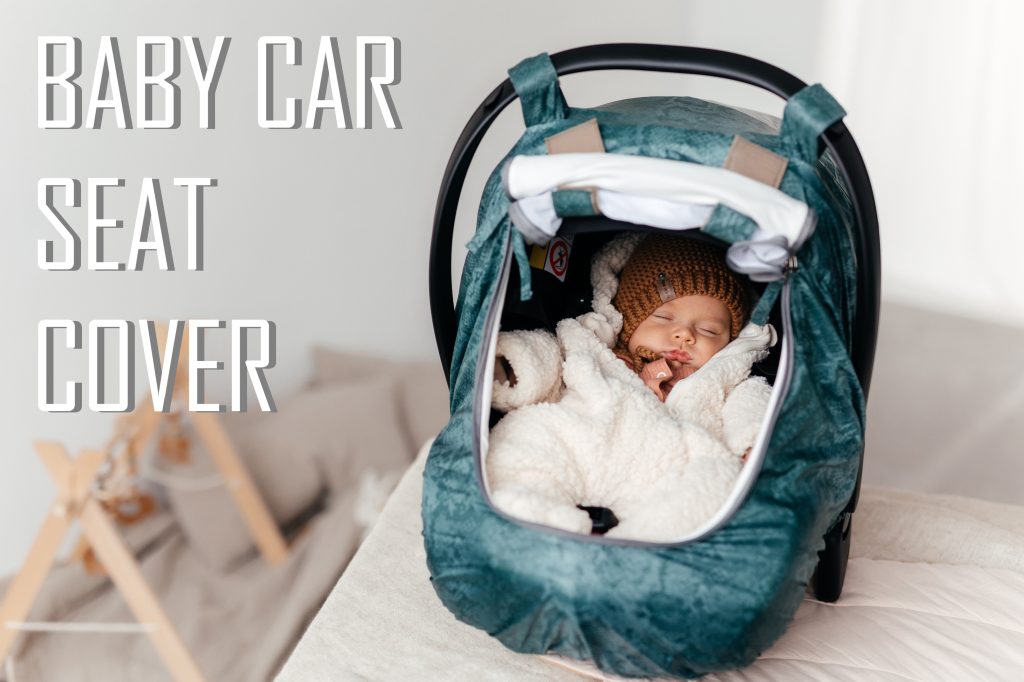
When it comes to your baby’s safety, every detail matters—especially in the car. You might wonder, are car seat covers really safe for your little one?
It’s a question that can make any parent pause before making a choice. You want comfort, protection, and style, but not at the cost of your baby’s well-being. You’ll discover what experts say about car seat covers, the risks you need to watch for, and how to keep your baby safe and cozy on every trip.
Keep reading to make the best decision for your child’s safety.
Car Seat Covers And Baby Safety
Car seat covers add comfort and style to baby car seats. Parents often wonder if these covers affect baby safety. Understanding the role of car seat covers helps make safe choices. Not all covers are made equally safe for infants. Choosing the right cover matters for your baby’s protection.
Purpose Of Car Seat Covers
Car seat covers protect the seat from spills and dirt. They provide extra padding for baby comfort. Some covers help regulate temperature, keeping babies warm or cool. They also offer a fresh look to worn or plain car seats. Parents use covers to keep seats clean and cozy.
Common Materials Used
Car seat covers come in different fabrics. Cotton is soft and breathable, good for sensitive skin. Polyester is durable and easy to clean. Some covers use foam or padding for extra comfort. Avoid covers with thick or bulky materials that affect harness fit. Choose lightweight, safe fabrics for baby safety.
Credit: totsquad.com
Potential Risks Of Using Car Seat Covers
Using car seat covers for babies might seem like a good idea for comfort and cleanliness. Yet, some covers can create safety risks. Parents should know these risks before adding extra materials to their baby’s car seat.
Interference With Harness Fit
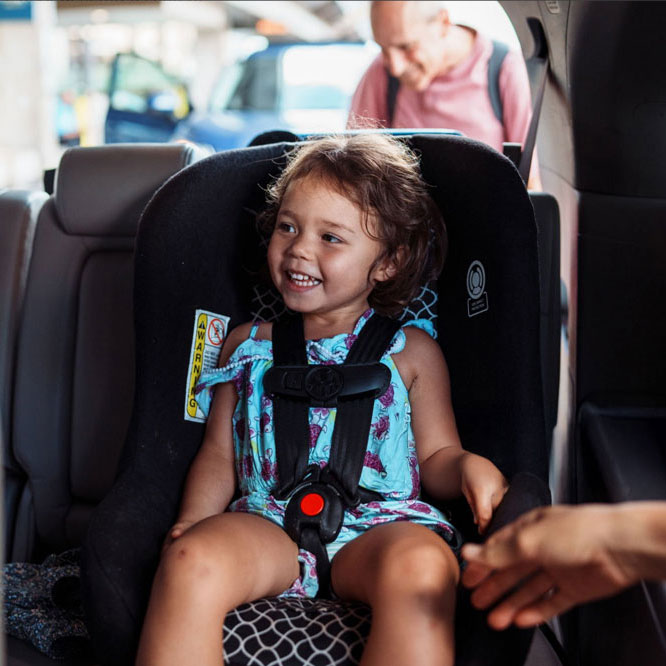
Car seat covers can make the harness straps loose or twisted. A loose harness cannot hold the baby tightly during a crash. This increases the chance of injury. Straps must fit snugly against the baby’s body for safety. Thick covers can block proper strap adjustment.
Overheating Concerns
Many covers trap heat and reduce airflow. Babies can get too warm quickly. Overheating is dangerous and raises the risk of sudden infant death syndrome (SIDS). Breathable fabrics and good ventilation are important. Covers that do not allow air to pass should be avoided.
Impact On Crash Protection
Car seats are tested without extra covers. Adding covers may change how the seat performs in a crash. Some covers can shift or slide, reducing protection. They may also block important safety features like side impact protection. Using only manufacturer-approved covers is safest.
Safety Standards And Regulations
Safety standards and regulations play a key role in protecting babies using car seat covers. These rules ensure that products meet strict safety criteria. Parents can feel more secure knowing covers follow these guidelines.
Standards focus on materials, design, and performance. They prevent harmful substances and ensure covers do not interfere with car seat functions. Compliance with regulations is vital for baby safety.
Certification Requirements
Car seat covers must pass tests before use. Certifications show products meet safety standards set by authorities.
- Materials must be flame retardant and non-toxic.
- Covers cannot block harness straps or seat belts.
- Products undergo crash simulations to check durability.
- Labels often display certification marks for easy recognition.
Choosing covers with proper certification helps avoid unsafe products.
Manufacturer Guidelines
Manufacturers provide instructions for safe use. Following these guidelines is essential to keep babies safe.
- Do not alter or remove parts of the car seat cover.
- Ensure cover fits snugly without wrinkles or loose fabric.
- Check if the cover is compatible with your car seat model.
- Replace covers if damaged or worn out.
Adhering to manufacturer advice helps maintain safety and comfort for infants.

Credit: orbitbaby.com
Choosing Safe Car Seat Covers
Choosing safe car seat covers is important for your baby’s comfort and safety. The right cover protects your baby without interfering with the car seat’s function. Not all covers are made with safety in mind. Some materials or designs can cause harm or reduce protection during a crash.
Parents must know what features make a car seat cover safe. Understanding risks helps avoid unsafe products. This knowledge keeps your baby secure and cozy on every ride.
Features To Look For
- Breathable fabrics that prevent overheating
- Soft, non-toxic materials free from harmful chemicals
- Proper fit that does not interfere with harness straps
- Easy installation and removal without altering the car seat
- Machine washable for hygiene and convenience
- Certified or tested to meet safety standards
Avoiding Unsafe Products
- Covers that add extra padding under or around the baby
- Products not approved by safety organizations
- Items that block airflow and cause overheating
- Loose or bulky covers that interfere with harness tightness
- Non-breathable fabrics that trap moisture
- Cheap covers with unknown or harmful chemicals
Alternatives To Traditional Car Seat Covers
Some parents prefer breathable mesh liners or padded inserts as alternatives to traditional car seat covers. These options offer comfort without blocking airflow, helping keep babies safe and cool. Choosing materials that fit securely and meet safety standards is essential for child protection.
Alternatives to traditional car seat covers provide safer options for babies. Parents often worry about their child’s comfort and safety during car rides. Traditional covers can sometimes pose risks. It’s essential to explore safer choices.Using Approved Accessories
Many approved car seat accessories ensure your baby’s safety. These items are tested for safety and fit perfectly with car seats. Look for brands that meet safety regulations. Approved head supports, for example, can provide extra comfort. They keep your baby’s head stable without hindering the safety harness. Always check the manufacturer’s guidelines before purchasing any accessory.Layering Clothing Safely
Dressing your baby in layers can keep them warm and safe. Start with a snug base layer, like a onesie. Add a sweater if needed, but avoid bulky clothing. Bulky clothes can affect the car seat harness’s effectiveness. The harness should be snug against the baby’s body. Use a blanket over the harness for extra warmth. This method keeps your baby cozy without compromising safety.Expert Recommendations And Research
Experts and research provide essential insights on the safety of car seat covers for babies. Understanding their advice helps parents make informed choices. Safety is the top priority when using any baby gear, including car seat covers.
Pediatrician Advice
Pediatricians stress the importance of using car seats correctly. They warn that some car seat covers can interfere with the harness system. A loose or thick cover may prevent the harness from fitting tightly. This reduces the protection during a crash. Experts recommend only using covers approved by the car seat manufacturer. Always check that the cover does not change the seat’s fit or safety features.
Recent Safety Studies
Studies show that some aftermarket covers increase risk in accidents. Research finds that padded covers may cause improper positioning of the baby. This can lead to increased head movement during sudden stops. A few studies tested covers with the car seat harness. Results showed that only those designed for specific models passed safety tests. The safest option remains using the original car seat without extra covers or only those tested by safety organizations.

Credit: www.amazon.com
Frequently Asked Questions
Are Car Seat Covers Safe For Newborn Babies?
Car seat covers can be safe if they fit properly and meet safety standards. Avoid bulky or padded covers that interfere with harness straps. Always check manufacturer guidelines to ensure the cover does not compromise the car seat’s protective features.
Can Car Seat Covers Affect Baby’s Safety During Travel?
Yes, improper covers can affect safety by restricting harness function or airflow. Choose covers designed specifically for your car seat model. Ensure the cover does not alter the seat’s fit or interfere with crash protection.
Do Car Seat Covers Cause Overheating In Babies?
Some covers may reduce airflow, increasing overheating risk. Opt for breathable, lightweight materials to keep your baby cool. Avoid covers with heavy padding or insulation, especially in warm weather.
How To Choose A Safe Car Seat Cover For Babies?
Select covers that fit snugly and are approved by safety authorities. Check for flame-retardant materials and proper ventilation. Read reviews and manufacturer instructions to ensure compatibility with your car seat model.
Conclusion
Car seat covers can be safe if chosen carefully. Always pick covers made for baby seats. Avoid thick or bulky materials that block straps. Keep the cover snug and never add extra padding. Check safety labels and follow manufacturer rules.
Regularly inspect covers for wear or damage. Remember, safety comes first for every ride. Choose wisely to protect your little one. Simple steps keep babies secure and comfortable. Safety and comfort go hand in hand.