
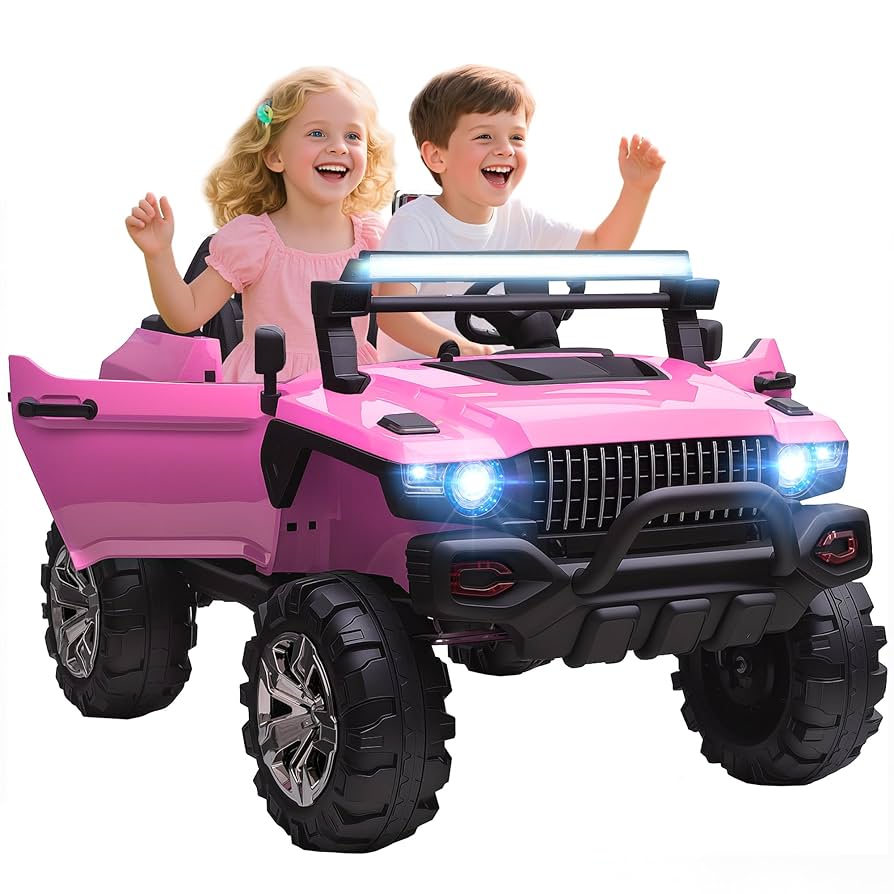
Have you ever seen a kid car and wondered how it can bring so much joy to your little one? A kid car is more than just a toy – it’s a chance for your child to explore, imagine, and have fun in a whole new way.
If you want to discover how a kid car can boost your child’s confidence and create unforgettable moments, keep reading. You’ll find out what makes these tiny rides so special and how to choose the perfect one for your family.
Ready to unlock a world of smiles and excitement? Let’s dive in!

Credit: www.amazon.ca
Choosing The Right Kid Car
Choosing the right kid car makes a big difference in your child’s fun and safety. Picking the best model depends on many factors. Understanding the types, size needs, and battery life helps find the perfect fit. This guide helps parents make a smart choice for their little drivers.
Types Of Kid Cars
Kid cars come in many styles and features. Some popular types include:
- Electric ride-ons that look like real cars
- Motorcycles and ATVs for adventurous kids
- Push cars that do not need batteries
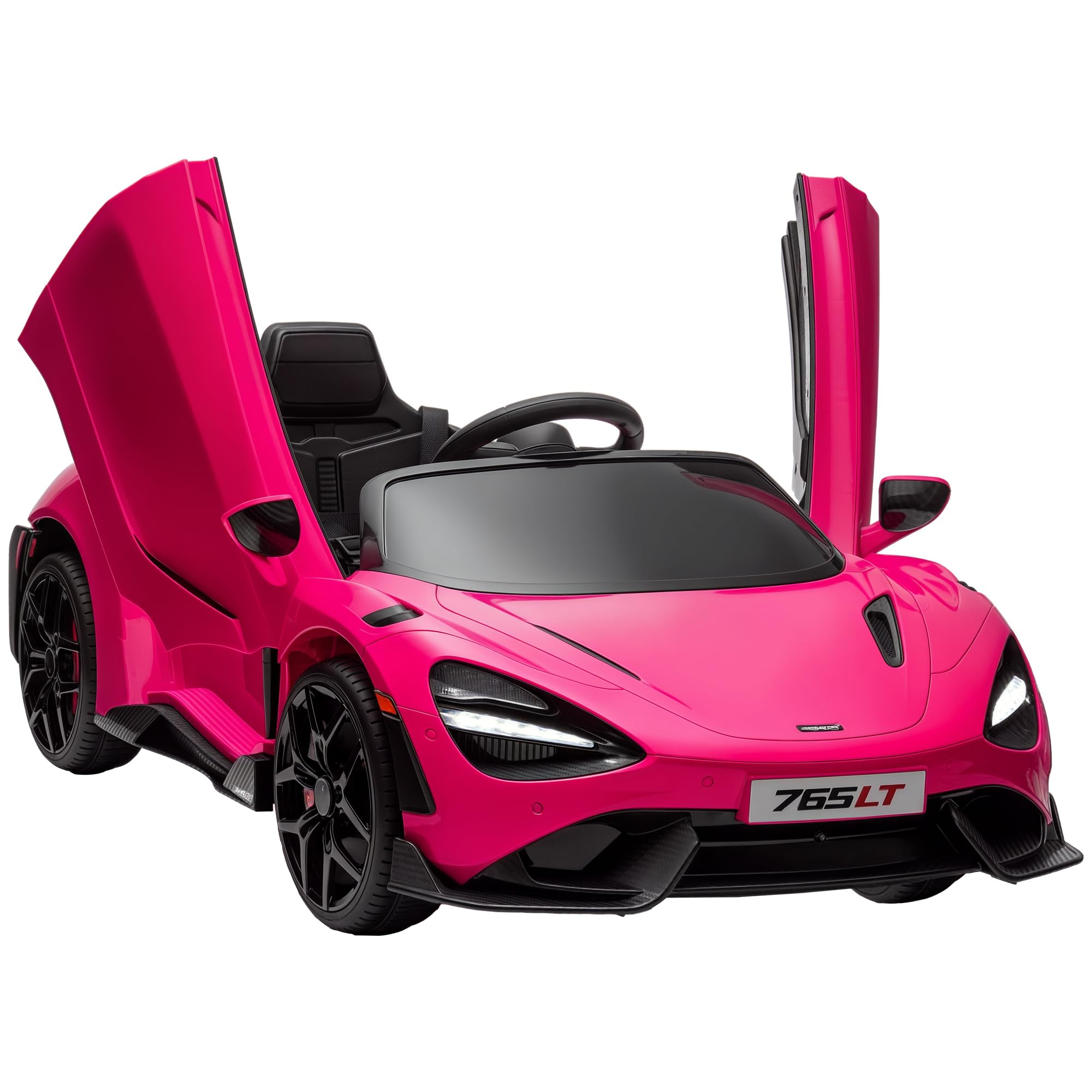
- Licensed models that resemble famous car brands
Each type offers different speed and control options. Choose based on your child’s interests and skill level.
Age And Size Considerations
Kid cars suit various age groups and sizes. Check the manufacturer’s recommended age range. Small cars work well for toddlers. Bigger cars fit older kids comfortably. Weight limits ensure safety and proper car performance. Growing kids might need adjustable seats or pedals. Always pick a car that matches your child’s height and weight.
Battery Life And Charging
Battery life affects how long the car runs. Most kid cars use rechargeable batteries. Typical run time ranges from 30 minutes to 1 hour. Charging time can take 8 to 12 hours. Some models have removable batteries for easy charging. Consider how often and where you can charge the car. A longer battery life means more playtime without interruptions.
Safety Features To Look For
Choosing a kid car involves more than just picking a fun design. Safety should always be your top priority. Knowing which features protect your child can help you make the best choice and give you peace of mind during every ride.
Seat Belts And Harnesses
Look for kid cars equipped with reliable seat belts or harnesses. These keep your child secure and prevent sudden falls or slips while driving. Adjustable straps are a bonus—they grow with your child and ensure a snug fit every time.
Have you ever noticed how quickly kids wiggle out of loose belts? Choosing a five-point harness instead of a simple lap belt can reduce that risk significantly. It’s a small feature that makes a big difference in safety.
Speed Controls And Limits
Speed settings let you control how fast the car goes, which is crucial for younger drivers. Many models offer multiple speed modes, so you can start slow and increase speed as your child gains confidence. This keeps the experience fun but safe.
Some kid cars even have remote controls for parents. Imagine being able to slow down or stop the car remotely if needed—this extra layer of control can prevent accidents before they happen. Wouldn’t you want that kind of control?
Durable Build And Materials
Strong materials mean the car withstands bumps and rough play without breaking. Look for cars made with sturdy plastic or metal frames to ensure durability. A well-built car also protects internal components, keeping your child safe during every ride.
Think about how often kids crash their toys. A flimsy car might look great but won’t hold up under real play conditions. Investing in durability means your child’s car lasts longer and remains safe throughout the fun.
Top Brands And Models
Choosing the right kid car can make playtime more exciting and safe for your child. The market offers many trusted brands and models designed to match different ages and preferences. Knowing which brands stand out and which models suit your child’s needs helps you make a smart choice.
Popular Kid Car Brands
Several brands have built a solid reputation for quality and safety. Power Wheelsis a favorite for its durable battery-powered ride-ons. Rollplayoffers a variety of realistic and stylish designs that appeal to kids of all ages.
Little Tikesfocuses on beginner-friendly models that prioritize safety and ease of use. Razoris known for sporty electric cars that older kids love for their speed and design. Each brand brings unique features, so consider what fits your child’s style and skill level.
Best Models For Toddlers
- Power Wheels Dune Racer:Lightweight and low-speed, perfect for young beginners.
- Little Tikes Cozy Coupe:Classic push car with easy steering, ideal for toddlers just starting to explore.
- Rollplay My First Car:Simple controls and sturdy build help toddlers gain confidence behind the wheel.
These models focus on safety and simplicity. They often feature parental remote control, which gives you peace of mind. Have you noticed how toddlers light up when they get to “drive” on their own? It’s a great way to encourage motor skills and independence.
Best Models For Older Kids
- Power Wheels Ford Mustang GT:Offers higher speeds and realistic design for a thrilling experience.
- Razor Dirt Quad:Durable and fast, suitable for kids who love outdoor adventures.
- Rollplay BMW X6:Combines style and performance with adjustable speeds and working lights.
Older kids need more powerful cars that match their growing abilities. Look for features like multiple speed settings and sturdy construction. Have you considered a model that grows with your child, offering fun now and challenges later?
Maintenance Tips
Keeping your kid’s car in top shape isn’t just about safety—it also makes sure the fun never stops. Small efforts in maintenance can save you from unexpected breakdowns and extend the life of the ride-on toy. Let’s dive into some practical tips that you can easily apply to keep that little car running smoothly.
Battery Care
The battery is the heart of any kid car. To keep it healthy, always charge it fully before the first use and after each play session. Avoid overcharging by unplugging once it’s full; this prevents battery damage and extends its lifespan.
Check the battery terminals regularly for any signs of corrosion or loose connections. If you notice corrosion, gently clean the terminals with a mixture of baking soda and water. Do you know how long you usually leave the battery charging? Try setting a timer to avoid overcharging—it can make a big difference.
Cleaning And Storage
Keeping the car clean not only looks good but also prevents dirt from clogging moving parts. Use a damp cloth to wipe down the exterior and avoid harsh chemicals that might damage the plastic. Don’t forget to clean the wheels and axles; stuck debris can affect performance.
When storing, keep the car in a dry, cool place away from direct sunlight to protect the battery and plastic components. If you’re storing it for a long time, remove the battery to prevent leakage. Have you tried using a dust cover? It’s a simple trick that keeps your kid car ready for the next adventure.
Troubleshooting Common Issues
Sometimes the car might refuse to start or lose power suddenly. Begin by checking the battery charge and connections. Loose wires or a dead battery are often the culprits behind most problems.
If the wheels don’t move smoothly, inspect for any blockages or damage to the motor. Strange noises? It could be debris caught in the gears or worn-out parts needing replacement. What’s the last issue you fixed on your kid’s car? Understanding these problems helps you act quickly and keep playtime uninterrupted.
Enhancing The Ride Experience
Enhancing the ride experience of a kid car brings joy and excitement. Personalizing the car makes every ride special. Kids love to feel unique and the right enhancements can offer that. Let’s explore some ways to improve the experience.
Adding Custom Accessories
Custom accessories can transform a regular ride. Choose from colorful decals, unique seat covers, or steering wheel grips. Each accessory adds style and comfort. Parents can find these in many stores, both online and offline.
Music And Entertainment Options
Music adds fun to any ride. Install a mini music player or speakers. Kids can enjoy their favorite tunes on the go. Some models even offer Bluetooth connectivity. This allows for easy music streaming from any device.
Outdoor Vs Indoor Use
Consider where the car will be used. Outdoor rides need durable wheels and weather-resistant materials. For indoor use, softer wheels protect floors. Both settings offer unique experiences. Choose the right features for each environment.

Credit: www.costway.ca
Budgeting And Where To Buy
Buying a kid car is an exciting step, but budgeting smartly and choosing the right place to buy can make all the difference. Knowing what price range fits your budget and understanding where to shop helps you get the best value. Plus, being aware of warranties and return policies protects your investment and ensures your child’s fun lasts longer.
Price Ranges
Kid cars come in a variety of price points, typically ranging from $50 to over $300. Basic models with simple features are usually priced around $50 to $100. If you want more advanced options like remote control, rechargeable batteries, or realistic designs, expect to spend between $150 and $300.
Think about how often your child will use the car and which features matter most. Are you buying for occasional backyard play or frequent park visits? This helps decide whether a budget-friendly option or a high-end model makes more sense for you.
Online Vs In-store Purchases
Shopping online offers convenience and a wider selection. You can compare prices easily and read reviews from other parents. Websites like Amazon, Walmart, and specialty toy stores often have detailed product descriptions to help you choose.
However, buying in-store lets you see the car up close and test its size and weight. You avoid shipping delays and can get immediate answers from sales staff. If you’re unsure about assembly or quality, visiting a local store might be the safer option.
Warranty And Return Policies
Always check the warranty length and what it covers before buying. Many kid cars come with a 6-month to 1-year warranty on parts and battery. This can save you money if something breaks early on.
Return policies vary widely. Some stores offer hassle-free returns within 30 days, while others have stricter rules. Knowing this upfront prevents frustration if the car doesn’t meet your expectations or your child’s needs.
Credit: www.amazon.ca
Frequently Asked Questions
What Age Is Suitable For A Kid Car?
Kid cars are ideal for children aged 3 to 8 years. Always check manufacturer guidelines for age and weight limits to ensure safety.
How Long Can A Kid Car Battery Last?
A kid car battery typically lasts 1 to 3 hours of continuous play. Usage time varies with battery capacity and driving speed.
Are Kid Cars Safe For Children?
Yes, kid cars are designed with safety features like seat belts and speed limiters. Adult supervision is always recommended during use.
Can Kid Cars Be Used Outdoors?
Kid cars are suitable for outdoor use on flat, smooth surfaces. Avoid rough terrain to prevent damage and ensure child safety.
Conclusion
A kid car brings joy and fun to children’s playtime. It helps them learn about driving safely. Parents enjoy watching their kids explore and grow. These cars come in many styles and colors to suit every child. Choosing the right model makes playtime more exciting and safe.
A kid car offers hours of outdoor entertainment. It also builds confidence and coordination. A simple toy, but with great benefits for kids. Consider adding one to your child’s collection soon. Play, learn, and smile together with a kid car.