
Have you ever worried about your car being stolen or broken into? Protecting your vehicle is more important than ever, but choosing the right anti-theft device can be confusing.
Should you go for a passive system that works quietly in the background, or an active one that demands your attention? Understanding the difference between passive and active car security can save you from costly mistakes and give you peace of mind.
You’ll discover which option fits your needs best and how to keep your car safe without hassle. Keep reading to find out what really works to protect your ride.

Credit: www.amazon.com
Types Of Car Anti Theft Devices
Choosing the right anti-theft device for your car can be a daunting task, especially with the myriad options available today. Car theft is a distressing reality that can happen to anyone, and having a reliable anti-theft system can make all the difference. Whether you’re looking for a passive or active system, understanding the different types of car anti-theft devices can help you make an informed decision that suits your needs and lifestyle.
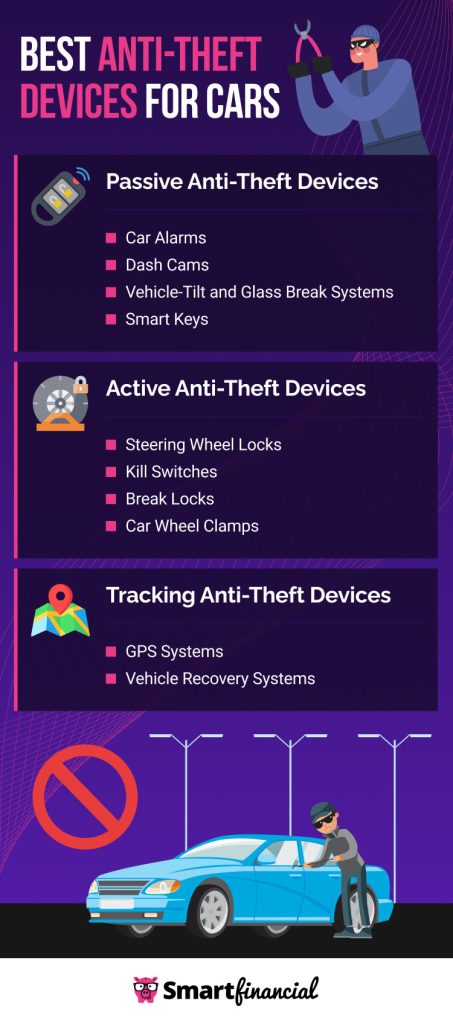
Passive Systems
Passive systems are designed to automatically protect your vehicle without any action required from you once the system is activated. These systems are often seamlessly integrated into the car’s design, making them less noticeable to potential thieves.
- Immobilizers:These devices prevent the engine from starting unless the correct key or fob is used. Many modern cars come with built-in immobilizers, providing a basic level of security.
- Central Locking Systems:Automatically lock all doors once the car reaches a certain speed or when you start the engine. This minimizes the chance of a thief accessing your car while you’re driving.
Passive systems offer peace of mind, especially for those who may forget to manually activate an anti-theft device. They work quietly in the background, ensuring your vehicle is protected at all times.
Active Systems
Active systems require you to engage them manually, offering a more interactive approach to vehicle security. These systems often serve as a visible deterrent to thieves, showcasing that your car is protected.
- Steering Wheel Locks:These are physical locks that attach to your steering wheel, preventing it from being turned. The bright, bulky design acts as a clear warning to thieves.
- Car Alarms:A loud alarm sounds when unauthorized entry is detected, drawing attention to the vehicle and potentially scaring off the thief.
Active systems can be a great choice if you’re someone who likes to take an extra step in ensuring your car’s security. They require a bit more engagement from you, but the visible deterrents can be highly effective.
So, which system is right for you? Consider your lifestyle and the level of convenience you desire. Are you someone who often forgets to lock up, or do you prefer a hands-on approach to security? The answer could help you decide between a passive or active anti-theft device. Remember, the best security system is one that fits seamlessly into your everyday routine while providing robust protection.
How Passive Devices Work
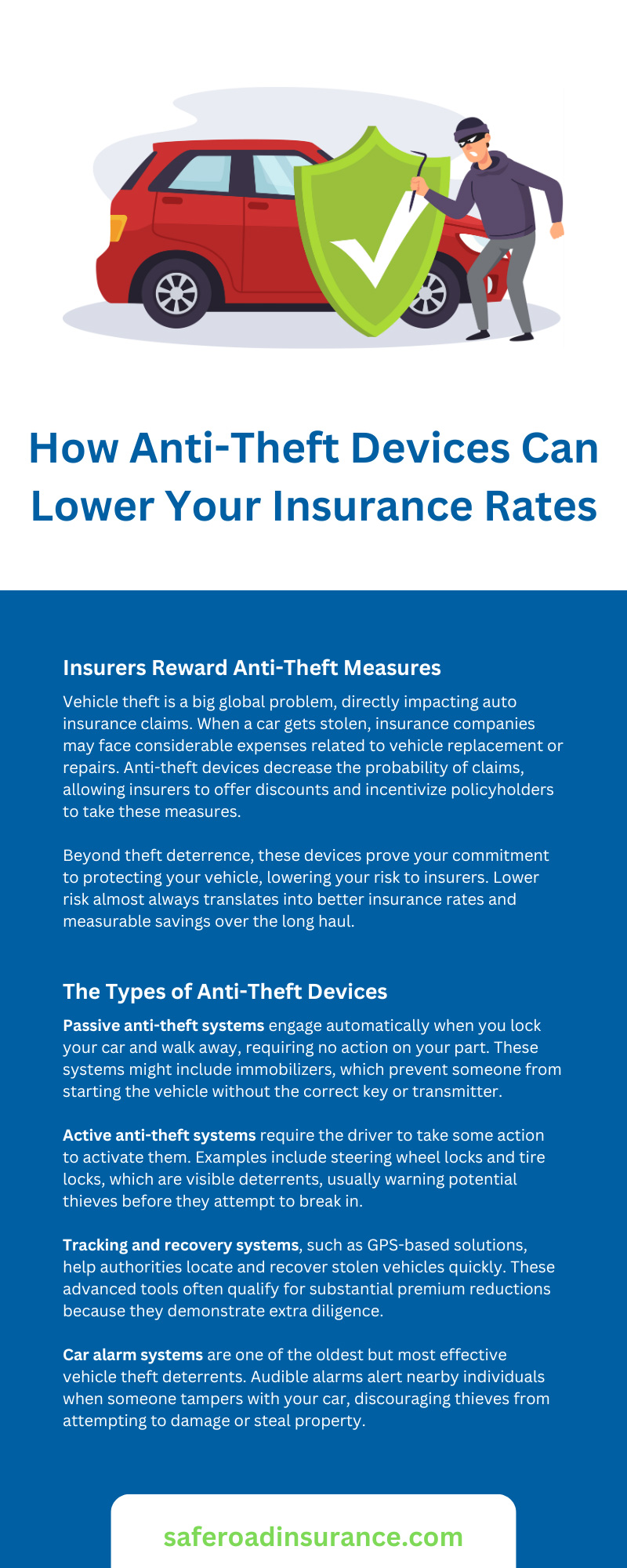
Passive anti-theft devices for cars operate without the need for driver involvement. They activate automatically to protect the vehicle from unauthorized access. These systems work silently in the background, providing security without extra steps from the user.
Automatic Activation
Passive devices turn on as soon as the car is locked or turned off. The driver does not have to press any buttons. This automatic activation ensures the vehicle is always protected. It reduces the chance of human error, like forgetting to arm the system.
Some systems activate when the doors close. Others start working once the key is removed from the ignition. This seamless process keeps the car safe at all times.
Common Passive Devices
- Immobilizers:These stop the engine from starting without the correct key or signal.
- Alarm Systems:They sound off if doors or windows open unexpectedly.
- Electronic Steering Locks:These lock the steering wheel automatically, preventing movement.
- Keyless Entry Systems:They disable the engine if the right key fob is not present.
These devices work quietly but effectively. They provide constant protection without the need for manual control.
How Active Devices Work
Active anti-theft devices for cars rely on your direct involvement to function. Unlike passive systems that activate automatically, these devices need you to take specific actions to secure your vehicle. Understanding how these devices work can help you choose the right protection and avoid common pitfalls.
User Activation Required
Active devices demand you to turn them on, usually by pressing a button or entering a code. This means you must remember to activate the system every time you leave your car. Forgetting this step can leave your vehicle vulnerable, so it’s important to develop a habit around it.
Some systems include reminders or alerts to help you avoid this mistake. For example, key fobs with built-in alarms often beep if you try to walk away without arming the device. Have you ever left your car and instantly doubted if you activated the alarm? These features are designed to prevent exactly that.
Popular Active Devices
- Car Alarms:These are the most common active devices. You trigger them with a remote or key fob, and they emit loud sounds if someone tampers with your car.
- Steering Wheel Locks:Physically block the steering wheel’s movement. You must manually lock and unlock these devices, making them a visible deterrent.
- Immobilizers:Require you to activate a switch or enter a code to allow the engine to start. Without activation, the car won’t run.
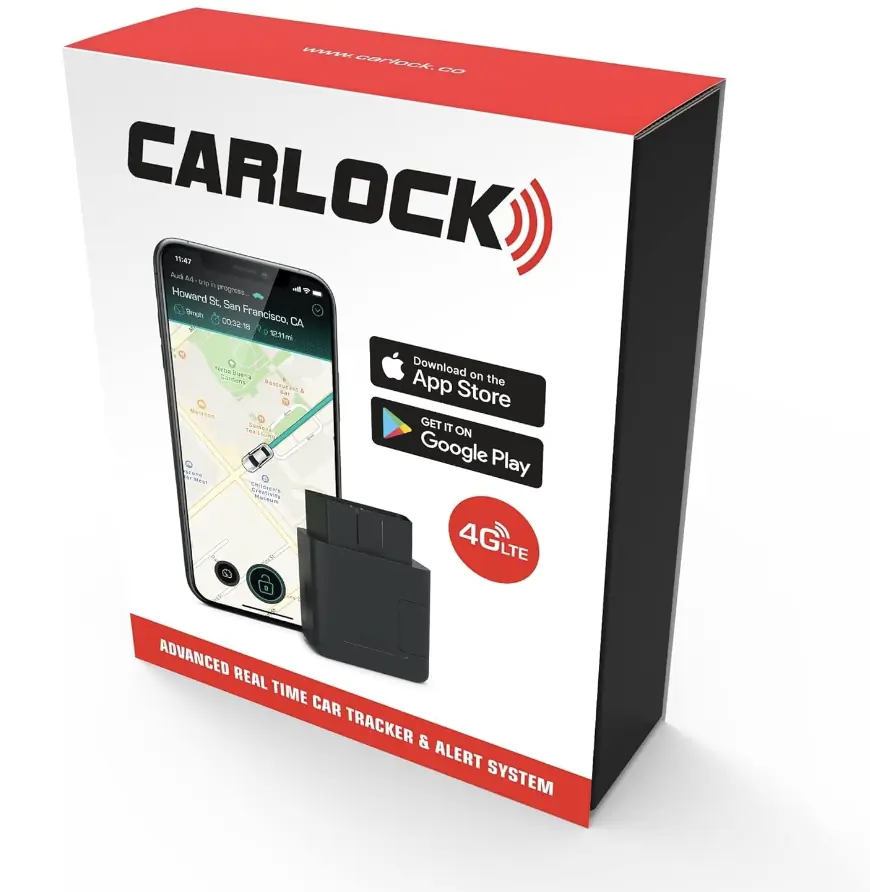
- GPS Trackers with Activation:Some require you to enable tracking via an app before leaving your car unattended, ensuring real-time monitoring.
Each device offers different levels of protection and convenience. Which one suits your daily routine and peace of mind? Choosing an active device means committing to that extra step every time you park.
Credit: www.saferoadinsurance.com
Pros And Cons Of Passive Devices
Passive anti-theft devices for cars offer a unique blend of convenience and security. They activate automatically without requiring any action from you, which can be a big plus in daily use. However, like any technology, they have their strengths and weaknesses.
Advantages Of Passive Devices
- Automatic Activation:These devices engage on their own, so you never forget to turn them on. This reduces the risk of human error.
- Ease of Use:You don’t need to press buttons or remember codes, making your life simpler.
- Continuous Protection:Since they stay active without interruption, your vehicle is protected even if you’re in a hurry or distracted.
- Lower Maintenance:Passive devices typically have fewer components that need regular upkeep compared to active systems.
Drawbacks Of Passive Devices
- False Sense of Security:You might assume your car is fully protected, but some passive systems can be bypassed by experienced thieves.
- Limited Features:Passive devices often lack advanced options like remote alerts or GPS tracking, which active systems provide.
- Potential for Malfunction:If the device fails to activate automatically, you might not notice until it’s too late.
- Compatibility Issues:Not all cars support every passive device, so installation can sometimes be tricky or expensive.
Have you ever left your car thinking it was safe, only to worry later if the anti-theft system actually activated? This uncertainty is common with passive devices. Understanding these pros and cons helps you decide if they fit your lifestyle and security needs.
Pros And Cons Of Active Devices
Active anti-theft devices for cars offer strong protection by actively detecting and stopping theft attempts. These devices usually require user interaction or respond automatically to threats. Understanding their strengths and weaknesses helps in choosing the right protection for your vehicle.
Advantages Of Active Anti-theft Devices
- Provide immediate alerts if theft is attempted
- Can disable the car engine remotely
- Often include GPS tracking for quick recovery
- Increase the chance of catching thieves
- Can scare off intruders with alarms and lights
Disadvantages Of Active Anti-theft Devices
- Require regular maintenance and battery checks
- May be expensive to install and operate
- False alarms can be annoying and frequent
- Need user activation or response in some cases
- Some systems can be hacked or bypassed
Credit: gearjunkie.com
Choosing The Right Device For Your Car
Choosing the right anti-theft device for your car is more than just picking the most advertised gadget. It requires understanding your specific needs and the unique traits of your vehicle. The effectiveness of an anti-theft device depends heavily on how well it fits with your car and your lifestyle.
Factors To Consider
Think about where you usually park your car. Is it a secure garage or a public street? This affects whether you need a passive device that activates automatically or an active one you control.
Consider your budget and how much effort you want to spend on installation and daily use. Some devices need constant attention, while others work quietly in the background.
Have you thought about the level of protection you want? Some devices prevent theft attempts altogether, while others only alert you after an incident occurs.
Compatibility With Vehicle Models
Not every anti-theft device fits all cars. Some older models might not support advanced electronic systems that active devices require.
Check if the device integrates easily with your car’s existing security features. For instance, a remote keyless system might conflict with certain passive alarms.
It’s helpful to consult your car manual or talk to a specialist before buying. Your choice should enhance your car’s safety, not complicate its operation.
Installation Tips And Best Practices
Installing an anti-theft device correctly ensures better protection for your car. Proper setup reduces false alarms and keeps the system effective. Follow these tips and best practices to get the most out of your device.
Choose The Right Location For Installation
Pick a hidden spot that is hard to reach or see. Avoid places exposed to water or heat. The device should stay safe from damage and tampering. Common spots include under the dashboard or inside the engine bay.
Follow Manufacturer Instructions Carefully
Read the manual thoroughly before starting the installation. Each device has unique requirements. Use the tools and parts recommended by the maker. Proper adherence to instructions prevents malfunctions and ensures warranty validity.
Secure Wiring And Connections
Keep wires neat and tight to avoid loose contacts. Use cable ties or clips to hold wires in place. Check all electrical connections twice to prevent shorts or failures. Insulate exposed wires to avoid damage or shocks.
Test The System After Installation
Activate the device and try triggering it to confirm it works. Check sensors, alarms, and remote controls for responsiveness. Testing helps catch issues early and improves security performance. Repeat tests periodically to maintain reliability.
Consider Professional Installation For Complex Systems
Some devices require advanced wiring or programming skills. Professionals can install these systems quickly and correctly. This reduces the risk of errors and car damage. Investing in expert help saves time and ensures top security.
Maintain Your Anti-theft Device Regularly
Clean sensors and check batteries often. Replace worn parts to keep the system working well. Regular upkeep prevents false alarms and device failure. Keep the device updated if it has software features.
Technological Advances In Car Security
Car security has evolved far beyond simple locks and steering wheel clamps. Today’s anti-theft devices blend advanced technology with user-friendly features to protect your vehicle more effectively. Understanding these innovations can help you choose the right system for your needs and give you peace of mind every time you park.
Smart Alarms
Smart alarms do more than just sound a loud alert. They connect to your smartphone and send instant notifications if suspicious activity is detected. Imagine getting an alert while you’re at work, allowing you to act quickly before any damage occurs.
These alarms often include features like motion sensors, glass-break detection, and even remote engine immobilization. Have you ever wished you could stop a thief without being near your car? Smart alarms make that possible.
Gps Tracking
GPS tracking devices let you pinpoint your car’s location in real time. This technology is crucial if your vehicle is stolen, as it helps law enforcement find it faster. You can even set up geofences that alert you if your car moves outside a designated area.
Some trackers also provide driving reports, showing routes and speed. This can help you monitor teen drivers or keep an eye on rented vehicles. What would you do if you could locate your car instantly after theft?
Biometric Systems
Biometric systems use unique physical traits like fingerprints or facial recognition to control access to your car. This adds a layer of security that’s nearly impossible to bypass. You don’t need keys or codes—just your own identity.
Although still emerging, biometric tech is becoming more affordable and reliable. It prevents unauthorized starts and can even personalize vehicle settings for each user. How comfortable would you feel knowing your car only starts with your fingerprint?
Common Myths About Car Theft Protection
Many people believe they fully understand how car theft protection works, but several common myths can mislead you. These misconceptions might cause you to underestimate the risks or invest in ineffective solutions. Clearing up these myths helps you make smarter choices about securing your vehicle.
Myth: Passive Anti-theft Devices Are Ineffective
Some think passive devices, like immobilizers that work automatically, don’t really stop thieves. However, these systems often block the engine from starting without a key or proper signal. They protect your car quietly and continuously, without you needing to activate anything.
If you’ve ever left your car running briefly without a key and it didn’t start again, you experienced a passive system in action. These devices reduce theft risk by making it harder for thieves to hotwire your car.
Myth: Active Devices Are Always Better
Active devices, such as steering wheel locks or alarms you must manually activate, are helpful but not always superior. They rely on you remembering to use them, which can sometimes be forgotten. Passive systems work in the background and don’t depend on your actions.
Think about how often you lock your doors automatically but might forget to set the alarm. Combining both active and passive methods often provides the best protection.
Myth: Thieves Can Easily Bypass Modern Anti-theft Systems
It’s easy to believe that skilled thieves can defeat any anti-theft device quickly. While no system is completely foolproof, modern technology significantly raises the difficulty level. Devices like GPS trackers and engine immobilizers increase the chances of recovery and reduce theft attempts.
Ask yourself if you would target a car with multiple layers of security or one with none. Most thieves look for easy targets, so your protection choices matter.
Myth: Only Expensive Devices Provide Real Security
Many assume that only costly gadgets offer meaningful protection. Yet, simple and affordable tools can deter thieves effectively. For example, a visible steering wheel lock or a secure parking spot can make a big difference.
Invest in what fits your budget but don’t overlook basic measures that add strong layers of defense.
Maintaining Your Anti Theft System
Regularly check both passive and active anti-theft devices to ensure they work properly. Clean sensors and replace batteries to keep the system reliable. Staying attentive to your car’s security helps prevent theft effectively.
Maintaining your anti-theft system is crucial for ensuring that your car remains secure. A well-maintained system can effectively deter thieves and provide peace of mind. By focusing on regular checks and software updates, you can enhance the reliability and performance of your car’s security system.
Regular Checks
Regular checks are essential to keep your anti-theft device functioning optimally. Examine the physical components like sensors, alarms, and locks for any signs of wear or damage. You don’t want to be caught off guard because of a malfunctioning system. A friend of mine once discovered a faulty sensor during a routine check, preventing a possible break-in. Schedule these checks monthly to ensure everything is in working order.
Software Updates
Keeping your anti-theft system’s software up-to-date is just as important as checking its physical components. Manufacturers often release updates to improve functionality or fix vulnerabilities. Ignoring these updates can leave your system exposed to new threats. Have you ever skipped an update on your phone and missed out on new features or security improvements? The same applies here. Make it a habit to check for updates regularly, perhaps setting reminders on your phone or calendar. It’s a small task that can make a big difference in keeping your car safe.
Frequently Asked Questions
What Is A Passive Anti-theft Device For Cars?
A passive anti-theft device activates automatically without driver input. It often includes immobilizers or alarm systems. These devices help prevent theft by restricting vehicle operation when unauthorized access is detected.
How Does An Active Anti-theft Device Work?
Active anti-theft devices require driver activation, like steering locks or manual alarms. They provide extra security by physically deterring thieves. These devices work only when the driver engages them before leaving the car.
Which Is Better: Passive Or Active Anti-theft Device?
Passive devices offer convenience and constant protection without user effort. Active devices add extra layers but rely on driver activation. Combining both types provides the best overall security for your vehicle.
Can Passive Devices Prevent Car Theft Completely?
Passive devices significantly reduce theft risk but don’t guarantee full prevention. Skilled thieves may bypass some systems. Using multiple security layers improves your car’s safety against theft attempts.
Conclusion
Choosing the right anti-theft device keeps your car safe and secure. Passive devices protect your vehicle without extra action. Active devices need you to turn them on each time. Both types have strong benefits to stop thieves. Think about your daily routine and car use.
Pick a device that fits your needs best. Staying cautious helps prevent theft and worry. Protect your car smartly and drive with peace. Safety matters, so choose wisely today.