
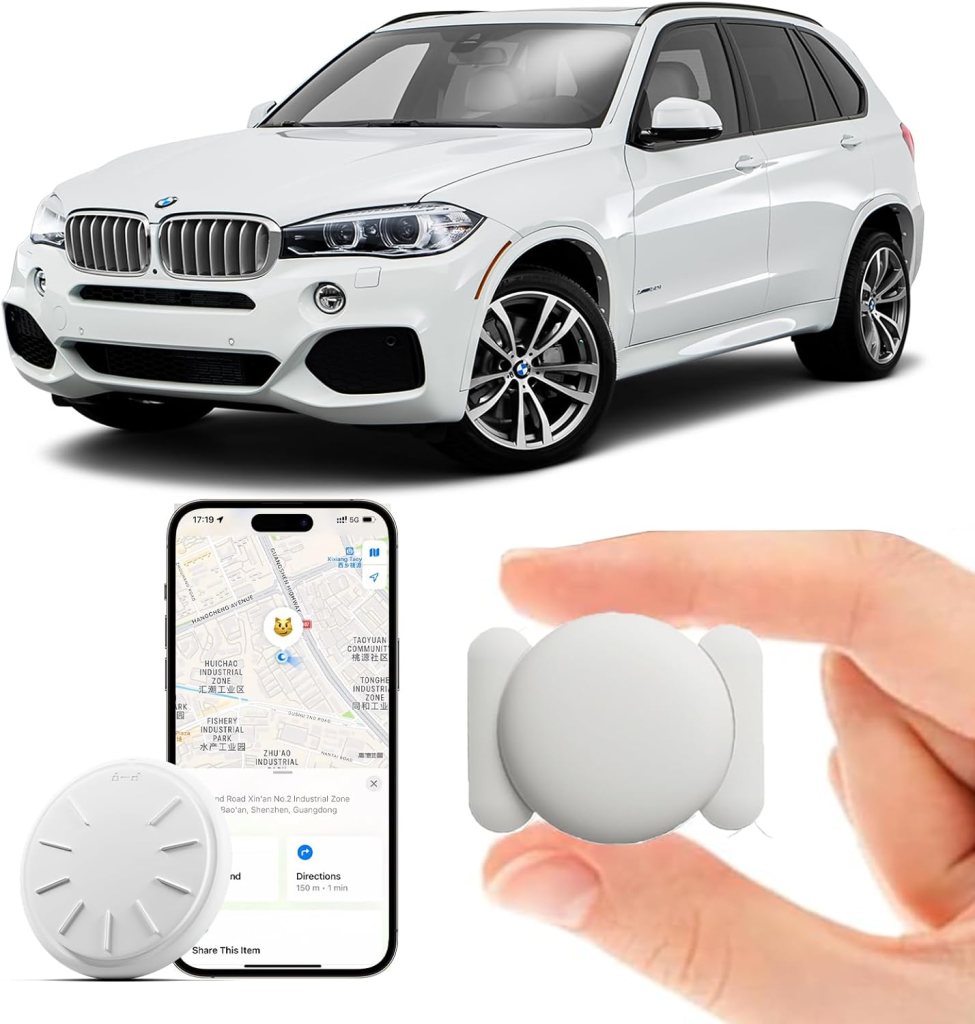
Have you ever felt like someone might be watching your every move while you drive? The idea that a tracking device could be secretly attached to your car is unsettling—and it’s more common than you might think.
But don’t worry. You have the power to find out if your car is being tracked. You’ll learn simple, effective ways to detect tracking devices before they invade your privacy. Keep reading—your peace of mind depends on it.

Credit: blog.eyespysupply.com
Signs Of A Hidden Tracker
Hidden trackers in cars are designed to be discreet, but they often leave behind subtle signs that you can spot. Detecting these signs early can save you from unwanted surveillance or theft. Paying attention to small changes in your car’s behavior or appearance can reveal if someone has placed a tracking device.
Unusual Devices In Your Car
Check your vehicle carefully for any unfamiliar objects. Look under the dashboard, inside the glove compartment, beneath the seats, and around the wheel wells. Hidden trackers often appear as small boxes, wires, or magnets stuck to metal surfaces.
If you notice a device you didn’t install or recognize, it’s a red flag. Ask yourself, “Does this belong here?” Even a small, unfamiliar object can be a tracking device.
Unexpected Battery Drain
If your car battery suddenly starts draining faster than usual, it might be due to a hidden tracker. Many trackers rely on your vehicle’s power supply, causing increased energy consumption. This can lead to dimming lights or a car that struggles to start.
Monitor your battery health regularly. If you find yourself jump-starting your car more often without clear reasons, consider inspecting for devices that draw power continuously.
Strange Sounds Or Beeps
Some tracking devices emit faint beeping or clicking noises, especially when your car is off. These sounds can be difficult to hear but may become noticeable in quiet environments. Pay attention to any unusual noises coming from your vehicle.
Try to isolate the source by turning off all electronics and listening closely. Have you ever heard a soft beep that didn’t come from your phone or alarm? It could be a hidden tracker sending signals.
Common Hiding Spots
Tracking devices are often small and hidden carefully. Knowing common hiding spots helps you find them fast. These devices can be placed in parts of the car that are not easy to see. Checking these areas increases the chance of spotting any tracker. Take time to inspect each place closely. Use a flashlight or mirror to see hard-to-reach spots.
Under The Vehicle
Trackers often hide under the car body. They attach to the frame or near the exhaust system. Look near wheel wells and suspension parts. Magnetic trackers stick to metal surfaces here. Carefully scan the underside using a flashlight. Be cautious of sharp edges and hot parts. Use your hands to feel for small boxes or wires.
Inside The Dashboard
The dashboard hides many car components, making it perfect for trackers. They can be tucked behind panels or inside vents. Check under the glove box and near the steering column. Remove covers gently to avoid damage. Look for strange wires or small devices. Listen for unusual sounds like beeps or clicks.
Beneath Seats And Upholstery
Seats and upholstery provide good cover for trackers. Check under all seats, including the back ones. Lift seat cushions and inspect seams and folds. Trackers may be taped or sewn into fabric. Feel for lumps or objects that do not belong. Also check the space under the carpet or floor mats.
Tools To Find Trackers
Specialized devices help detect hidden trackers in cars by scanning for unusual signals. Physical inspections with magnets or flashlights can also reveal secret trackers attached to the vehicle.
Detecting a tracking device in your car might seem daunting, but with the right tools, you can uncover hidden trackers and regain your peace of mind. Have you ever found yourself wondering if someone is secretly monitoring your whereabouts? The technological landscape today offers several gadgets that can help you discover tracking devices. Whether you’re a tech-savvy individual or a beginner, these tools are designed to make the process straightforward and efficient.Using A Gps Detector
A GPS detector is one of the simplest tools to detect tracking devices. These detectors are specifically engineered to pinpoint GPS signals, helping you identify any suspicious activity. When you turn it on, the detector scans for GPS frequencies that are commonly used by tracking devices. Imagine the relief when you see a clear indication of a hidden tracker, allowing you to take immediate action. Many GPS detectors come with user-friendly interfaces. They often have LED indicators or sound alerts that signal the presence of a tracker. Picture yourself effortlessly navigating the detector’s settings, honing in on the signals and finally uncovering hidden devices that might be lurking in your vehicle.Rf Signal Detectors
RF signal detectors are another useful tool in your arsenal. These devices are adept at detecting radio frequencies emitted by trackers. Often, trackers use RF signals to communicate their location data, and these detectors can easily pick up those signals. Have you ever felt like something was out of place but couldn’t quite put your finger on it? An RF signal detector might just be what you need. These detectors can be particularly effective in identifying wireless trackers. You might notice a sudden spike in signal detection when you’re near the source. When using an RF detector, you simply scan the car, paying attention to areas where trackers are commonly hidden, such as under seats or inside the dashboard.Mobile Apps For Detection
In the digital age, your smartphone can be an incredibly powerful tool. Did you know there are mobile apps designed to help you detect tracking devices? These apps utilize your phone’s capabilities to scan for suspicious signals or unusual network activity. While these apps might not be as precise as dedicated detectors, they offer convenience and immediate access. Picture yourself downloading an app, quickly setting it up, and scanning your vehicle in just a few taps. The app can alert you to potential threats, giving you a starting point for a more thorough investigation. With these tools at your disposal, you can take proactive steps to ensure your privacy and security. Whether you’re using a GPS detector, RF signal detector, or a mobile app, each tool provides unique advantages to help you uncover hidden trackers. So, what will you do next to protect your personal space?Manual Inspection Tips
Detecting a tracking device in your car doesn’t always require high-tech gadgets. You can perform a thorough manual inspection by carefully checking common hiding spots and connection points. This hands-on approach gives you control and confidence in identifying anything unusual.
Visual Checkpoints
Start by examining the exterior of your car closely. Look under the chassis, inside wheel wells, and behind bumpers where trackers often hide. Pay attention to any small boxes, unusual magnets, or fresh tape that wasn’t there before.
Inside your car, check beneath seats, inside the glove compartment, and around the dashboard. A tracker might be concealed inside vents or under floor mats. If you spot a device that looks out of place or different from the car’s usual components, it’s worth investigating further.
Wiring And Cable Inspection
Tracking devices need power, so they’re usually connected to your car’s electrical system. Look for any extra wires that seem out of place or recently added. These might be thinner than regular wires or have non-standard connectors.
Don’t ignore areas around the battery and fuse box. If you find wires taped or bundled in an unusual way, it could indicate tampering. Feel along wiring harnesses for anything that feels bulky or lumpy—this might hide a tracking device.
Checking The Obd-ii Port
The OBD-II port is a common spot for trackers because it provides easy access to your car’s data and power. Usually located under the dashboard on the driver’s side, this port should be empty when you’re not using a diagnostic tool.
If you notice a device plugged into the OBD-II port that you didn’t install, it’s a red flag. Some trackers are disguised as small dongles or adapters. Make it a habit to inspect this port regularly, especially if you share your car or park in public places.
Preventive Measures
Taking steps to stop tracking devices from being placed on your car is very important. These preventive measures help protect your privacy and keep your vehicle safe. Regular checks and smart habits reduce the risk of unwanted tracking.
Simple actions can make a big difference. Stay alert and keep your vehicle secure with these easy practices.
Regular Vehicle Checks
Check your car often for unusual devices or wires. Look under the car, inside wheel wells, and around bumpers. Inspect areas like the glove box and under seats. Use a flashlight to see clearly in dark spots. A small tracking device can be hidden anywhere.
Parking In Secure Areas
Always park in well-lit and busy places. Use garages or secured parking lots when possible. Avoid leaving your car in isolated or dark areas. Secure parking lowers chances of someone placing a tracker. It also helps you notice suspicious activity quickly.
Using Signal Jammers Legally
Signal jammers block tracking signals but are illegal in many places. Check local laws before using any jammer device. Some areas allow limited use for personal protection. Use approved devices only and follow all regulations strictly. Misuse can lead to fines or legal trouble.

Credit: www.amazon.com
What To Do If You Find A Tracker
Discovering a tracking device in your car can be alarming. Taking quick and careful actions is essential for your safety and privacy. Knowing what to do after finding a tracker helps you handle the situation effectively.
Documenting The Device
Start by taking clear photos of the tracker. Capture different angles and any identifying marks. Note down where exactly you found it in the car. Write the date and time of discovery. This information may help later in investigations.
Contacting Authorities
Report the finding to local law enforcement immediately. Provide them with the photos and location details. Explain why you believe the device is suspicious. Follow their instructions carefully for the next steps. Authorities can check the device and take legal action.
Removing The Tracker Safely
Only remove the device if you feel safe doing so. Use gloves to avoid leaving fingerprints. Handle the tracker gently to preserve evidence. Avoid damaging it, as authorities may want to examine it. If unsure, wait for professionals to assist you.

Credit: www.amazon.com
Frequently Asked Questions
How Can I Find A Tracking Device In My Car?
Check common hiding spots like under seats, bumpers, and wheel wells. Use a handheld bug detector to scan for signals. Look for unusual wires or magnets that may indicate a device.
What Tools Help Detect Car Tracking Devices?
Use RF (radio frequency) detectors to identify wireless tracking signals. A GPS signal detector can locate active trackers. Smartphones with specific apps may also help spot hidden devices.
Are Tracking Devices Visible To The Naked Eye?
Most trackers are small and designed to be discreet. They often hide behind panels, inside bumpers, or under the car. Careful visual inspection is necessary to spot any unfamiliar objects.
Can A Mechanic Help Detect Tracking Devices?
Yes, a professional mechanic can inspect your car thoroughly. They have experience spotting hidden devices in hard-to-reach areas. Trusting an expert can ensure no trackers go unnoticed.
Conclusion
Detecting a tracking device in your car keeps your privacy safe. Regularly check common hiding spots like under seats and bumpers. Use simple tools like a flashlight or a phone app to help. Trust your instincts if something feels off in your vehicle.
Staying alert protects you from unwanted tracking. Keep your car secure and your mind at ease. Taking small steps can make a big difference. Stay safe and drive with confidence every day.