

Have you ever been stuck wondering what’s wrong with your car? That sudden warning light or strange noise can be confusing and stressful.
What if you had a device that could tell you exactly what’s wrong, right when you need it? Imagine saving time, money, and hassle by quickly pinpointing the problem yourself. You’ll discover how such a device works and why it could be a game-changer for your car troubles.
Keep reading to find out how to take control of your car’s health today.

Credit: www.instagram.com
How Car Diagnostic Devices Work
Car diagnostic devices help identify problems inside a vehicle quickly. They connect to the car’s computer system and read data from various sensors. This data shows how well different parts work and points out issues. Understanding how these devices work helps you trust their readings and use them better.
Role Of Onboard Diagnostics (obd)
The Onboard Diagnostics (OBD) system is the car’s central computer. It collects information from sensors and monitors the car’s health. OBD detects problems and stores error codes. These codes tell what part or system has trouble. Diagnostic devices read these codes to find faults.
Common Sensors Monitored
Several sensors send data to the OBD system. Some common sensors include:
- Oxygen Sensor – checks air-fuel mixture
- Mass Air Flow Sensor – measures air entering engine
- Throttle Position Sensor – tracks throttle opening
- Engine Coolant Temperature Sensor – monitors engine heat
- Crankshaft Position Sensor – detects engine speed
These sensors help diagnose engine problems and performance issues.
Data Interpretation Techniques
Diagnostic devices translate sensor data into readable codes. They use software to match codes with specific problems. Some devices show simple explanations, while others provide detailed reports. Mechanics use this info to decide what repairs are needed. Quick data interpretation saves time and money on fixing cars.
Types Of Diagnostic Tools
Diagnostic tools help car owners find problems quickly. These devices connect to your vehicle’s system. They read error codes and show what needs fixing. Different types of tools fit different needs and budgets.
Basic tools offer simple code reading. Advanced tools provide detailed data. Wireless devices add convenience and ease of use.
Basic Code Readers
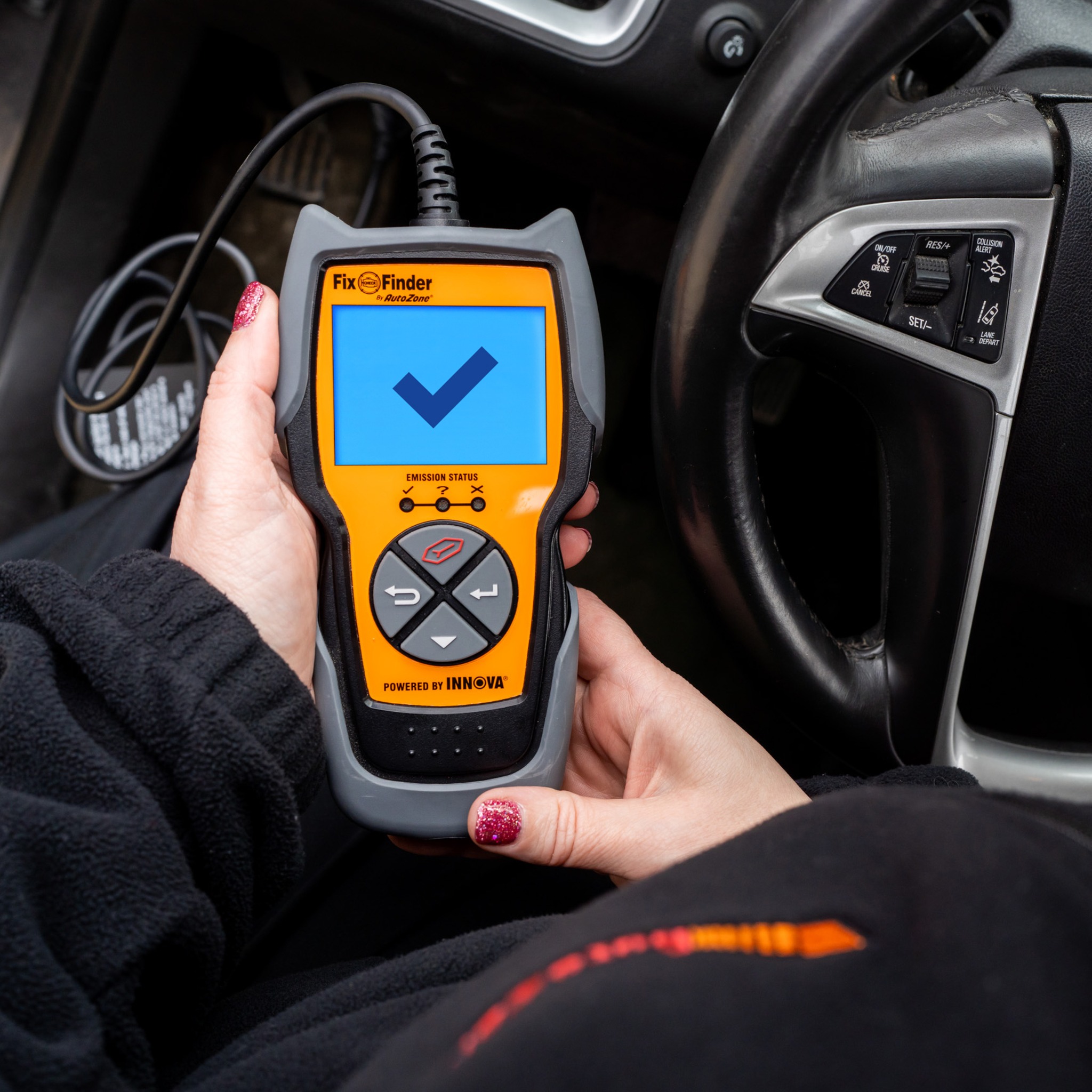
Basic code readers show error codes from your car. They plug into the vehicle’s OBD-II port. These tools display trouble codes and clear them. Simple and affordable, they help catch common issues fast. Perfect for everyday drivers who want quick answers.
Advanced Scan Tools
Advanced scan tools offer deeper insights into car health. They read live data like engine speed and temperature. Some tools provide freeze frame data and sensor tests. Mechanics often use these for accurate diagnostics. They cost more but give detailed information.
Wireless And Bluetooth Devices
Wireless devices connect to smartphones or tablets via Bluetooth. They use apps to display codes and live data. These tools are easy to use and carry. They allow real-time monitoring and instant alerts. Ideal for tech-savvy users and on-the-go checks.
Features To Look For
When choosing a device to diagnose car issues, focus on its features. A good device should simplify the process and provide accurate insights. Here are key features to consider:
Compatibility With Vehicle Models
The device should work with various car models. Check if it supports your vehicle’s make and year. Some devices only work with specific models. Ensure broad compatibility for future car changes.
Real-time Data Display
Real-time data helps you understand your car’s condition quickly. Look for devices that provide instant feedback. This feature allows for immediate troubleshooting. It saves time and avoids guesswork.
User-friendly Interfaces
A simple interface ensures easy use for everyone. Look for devices with clear screens and simple navigation. This makes the diagnostic process straightforward. It enhances user experience and reduces stress.
Credit: www.facebook.com
Benefits Of Using Diagnostic Devices
Using a diagnostic device for your car offers more than just quick answers. It gives you control over your vehicle’s health and can save you from unexpected breakdowns. Understanding the benefits can help you decide if investing in one suits your needs.
Early Problem Detection
Diagnostic devices can spot issues before they become serious. They read error codes directly from your car’s computer, alerting you to problems like engine trouble or sensor failures early on.
Have you ever been surprised by a sudden car problem that could have been avoided? Catching issues early means you can fix them before they cause bigger damage or leave you stranded.
Cost Savings On Repairs
Knowing exactly what’s wrong with your car helps avoid unnecessary repairs. Instead of guessing or paying for a full inspection, you get specific information to share with your mechanic.
This precision can lower your repair bills and reduce the time your car spends in the shop. Imagine saving hundreds by fixing a minor issue before it turns into a costly repair.
Diy Maintenance Empowerment
Having a diagnostic device encourages you to learn more about your car. You can perform basic maintenance and minor repairs yourself, using the device to check if everything is working properly.
This hands-on approach boosts your confidence and reduces trips to the mechanic. Wouldn’t it feel good to fix simple issues on your own and understand your car better?
Top Brands And Popular Models
Finding the right device to diagnose your car’s issues can save you time and money. The market offers a wide range of options, from budget-friendly gadgets to advanced professional tools. Knowing what top brands and popular models bring to the table helps you make a smart choice tailored to your needs.
Affordable Options
If you’re new to car diagnostics, affordable devices offer a great starting point. Brands like BlueDriverand FIXDprovide user-friendly tools that connect easily to your smartphone. These models often include basic functions such as reading error codes and offering simple fixes.
Many users appreciate these devices because they deliver quick insights without overwhelming technical details. Have you ever wondered how much a simple scan could reveal about your car’s health before heading to a mechanic?
Professional Grade Tools
For those who want in-depth analysis, professional-grade devices from brands like Auteland Launchstand out. These tools offer advanced features like live data streaming, ECU programming, and comprehensive diagnostics across many vehicle systems.
Mechanics and serious DIYers often rely on these models for their reliability and extensive coverage. Investing in a professional tool means you can catch hidden problems early, potentially saving hundreds on repairs.
Latest Innovations
The newest diagnostic devices come packed with smart technology. Models such as the OBDLink MX+and FIXD Sensor 2.0integrate AI-driven diagnostics and cloud-based updates to keep your device current.
These innovations allow you to diagnose issues more accurately and receive tailored maintenance tips. Are you ready to try a device that learns and improves with each use, making your car care smarter?
How To Use A Diagnostic Tool
Using a diagnostic tool can seem tricky at first, but once you get the hang of it, it becomes a straightforward way to understand your car’s issues. These devices are designed to connect to your vehicle’s computer system and reveal error codes that pinpoint what’s wrong. Let’s break down how you can use one effectively to save time and avoid unnecessary repairs.
Connecting To The Vehicle
Start by locating your car’s OBD-II port. It’s usually found under the dashboard near the steering wheel. This port is the gateway for your diagnostic tool to communicate with your car’s system.
Plug the diagnostic tool’s connector firmly into the port. Make sure your car’s ignition is switched on but the engine is not running unless the tool’s instructions say otherwise. This ensures the device powers up and establishes a proper connection.
Reading And Interpreting Codes
Once connected, the tool will scan your vehicle and display codes. These codes are standardized trouble indicators, like P0300 for random engine misfires. You don’t need to memorize them—most diagnostic tools come with a built-in description or you can quickly look them up online.
Take your time to read through the codes. Some tools also provide live data, showing real-time sensor readings. This extra info can help you understand if a problem is intermittent or constant.
Taking Next Steps After Diagnosis
After reading the codes, decide what to do next. Minor issues like a loose gas cap can be fixed easily on your own. More complex problems might require a mechanic’s attention.
Consider clearing the codes after repairs and retesting to see if the problem persists. This simple step can confirm whether your fix worked or if further investigation is needed.
Have you ever felt unsure about a car problem? Using a diagnostic tool can give you a clearer picture and more confidence before you spend money on repairs.
Limitations And Considerations
Using a device that tells you what’s wrong with your car can save time and money. However, it’s important to understand its limitations and what you should consider before relying solely on it. These devices offer great insights but don’t replace expert diagnosis or regular maintenance.
When To Seek Professional Help
Sometimes, the device might flag an issue that’s too complex for you to handle safely. If you notice strange noises, smells, or performance changes beyond what the device reports, it’s time to visit a mechanic.
Even if the device provides a clear error code, some repairs require specialized tools and expertise. Ignoring these signs or trying to fix serious problems yourself can lead to bigger expenses later.
Potential Device Inaccuracies
These devices rely on the car’s onboard sensors, which can sometimes give false or incomplete information. A code might indicate a problem, but it doesn’t always pinpoint the exact cause.
For example, a sensor reading might trigger a warning about the oxygen sensor, but the real issue could be related to wiring or the exhaust system. Always cross-check the diagnosis and don’t depend solely on the device.
Software Updates And Maintenance
Your diagnostic device needs regular software updates to stay accurate and compatible with new car models. Without updates, it might miss new error codes or misinterpret data.
Make it a habit to check for updates from the manufacturer. Keeping your device current ensures you get reliable information every time you use it.

Credit: www.tiktok.com
Frequently Asked Questions
What Is A Device That Tells Car Problems?
A device that tells car problems is called an OBD-II scanner. It reads error codes from your car’s computer. This helps identify issues quickly. It saves time and money on repairs by pinpointing exact faults.
How Does A Car Diagnostic Device Work?
A car diagnostic device connects to the OBD-II port. It communicates with the car’s computer system. The device reads fault codes and displays them. These codes reveal specific problems within the engine or other systems.
Can I Use A Car Diagnostic Device Myself?
Yes, most car diagnostic devices are user-friendly. They provide clear error codes and descriptions. Basic knowledge helps interpret results accurately. DIY use can help you understand car issues before visiting a mechanic.
Which Cars Are Compatible With Diagnostic Devices?
Most cars made after 1996 support OBD-II devices. These devices work on both gasoline and diesel engines. Check your car’s manual to confirm compatibility. Using the right device ensures accurate diagnostics.
Conclusion
A device that tells you what’s wrong with your car saves time and money. It helps spot problems early before they get worse. Anyone can use it, even without much car knowledge. This tool makes car care easier and less stressful.
Keeping your car in good shape becomes simple. Such devices bring peace of mind on every drive. Choose the right one and drive with confidence.