
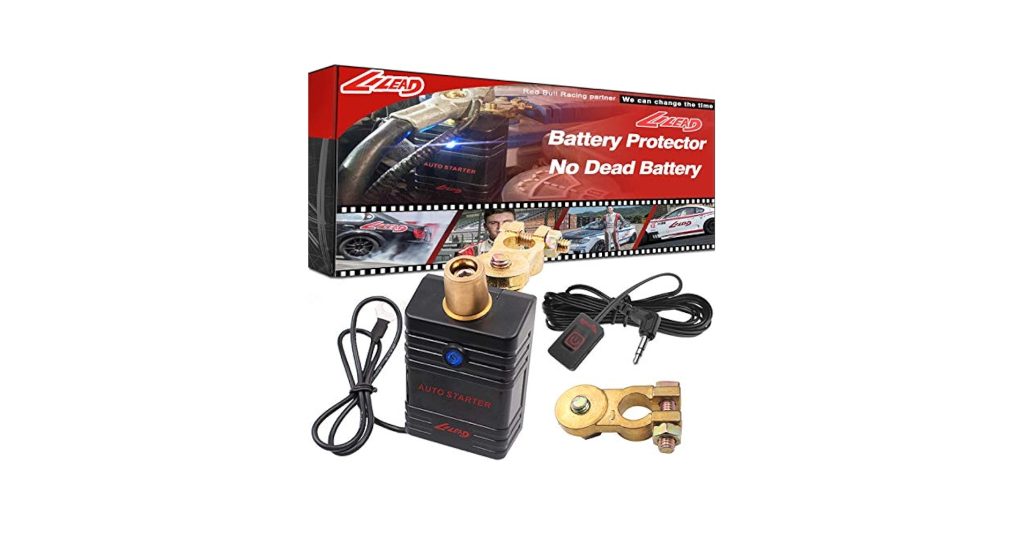
Is your car battery dying faster than it should? You’re not alone.
A drained battery can leave you stranded and frustrated at the worst times. But what if there was a simple device that could keep your car battery charged and ready, no matter how long you leave your car parked? You’ll discover the best solution to protect your battery and save yourself from unexpected breakdowns.
Keep reading to find out how you can stop worrying about a dead battery for good.

Credit: www.amazon.com
Common Causes Of Battery Drain
Car batteries drain for several reasons. Understanding these causes helps protect your battery. It also extends the life of your vehicle’s power source.
Some causes are easy to fix, while others need professional help. Knowing these factors can save time and money on repairs.
Parasitic Electrical Loads
Parasitic loads are electrical devices that use power when the car is off. Examples include alarms, clocks, and radios. Even small drains add up over time. This can drain the battery if the car sits unused for days.
Old Or Faulty Batteries
Batteries lose capacity as they age. An old battery may not hold a full charge. Faulty batteries can fail to start the car. Regular checks can catch problems early before they cause trouble.
Extreme Weather Effects
Cold weather thickens engine oil and slows chemical reactions in batteries. This reduces battery power and makes starting harder. Hot weather causes battery fluid to evaporate, damaging the battery. Both extremes shorten battery life.
Frequent Short Trips
Short trips do not allow the battery to fully recharge. The alternator needs time to restore power during longer drives. Repeated short trips gradually weaken the battery’s charge. This leads to a drained or dead battery over time.
Types Of Battery Saver Devices
Car batteries can lose power if left unused or drained by electronic devices. Battery saver devices help keep your battery charged and healthy. They come in different types, each designed for specific needs and situations. Understanding these types helps you pick the right device to protect your car battery.
Battery Maintainers
Battery maintainers keep your battery at an optimal charge. They supply a low, steady current to prevent discharge. Ideal for cars not used daily or stored for long periods. They avoid overcharging by automatically adjusting the power flow. Easy to use and safe for all battery types.
Trickle Chargers
Trickle chargers provide a slow and steady charge. They are perfect for small discharges or topping off the battery. These chargers work continuously to maintain battery voltage. Simple design, often less expensive than other chargers. Can be left connected without damaging the battery.
Jump Starters With Battery Support
Jump starters not only start a dead battery but also support battery charging. Portable and battery-powered, they work without external power. Useful for emergencies or quick battery boosts. Some models include USB ports for charging devices. A handy tool for drivers who face battery problems often.
Battery Isolators
Battery isolators separate multiple batteries in one vehicle. They prevent one battery from draining another. Common in vehicles with extra batteries for accessories. Help maintain power in the main starting battery. Essential for campers, RVs, and vehicles with auxiliary systems.
How Battery Maintainers Work
Your car’s battery can slowly drain over time, especially if your vehicle sits idle for long periods. That’s where battery maintainers come into play. They are designed to prevent your battery from losing its charge and ensure your car starts smoothly every time you need it. Understanding how these devices work can help you choose the right one and make the most of its features.
Automatic Charging Cycles
Battery maintainers feature automatic charging cycles that adapt to the battery’s needs. These cycles start when the device detects a drop in voltage. Instead of a constant charge, the maintainer periodically checks the battery’s status and adjusts its output accordingly. This ensures that your battery isn’t overcharged, prolonging its life and saving you money in the long run.
Voltage Regulation
One crucial aspect of a battery maintainer is its ability to regulate voltage. It ensures a steady flow of power without surges that could damage your battery. By maintaining the optimal voltage, the device prevents unnecessary wear and tear, keeping your battery in good condition. Think of it like a guardian angel watching over your battery, always ready to step in and keep things stable.
Safety Features
Safety is paramount when dealing with electrical devices, and battery maintainers are no exception. They come equipped with features that prevent overheating and short circuits, making them safe to use even in challenging conditions. Some models even have built-in temperature sensors to adjust the charge based on ambient conditions. This means you can leave your car for a month and return to a battery that’s as good as new without any worries.
Choosing The Right Device
Choosing the right device to keep your car battery from draining is essential. The perfect device protects your battery and extends its life. Not all devices work for every battery or car type. Understanding key features helps you pick one that fits your needs. Consider factors like compatibility, power, ease of use, and cost. These elements guide you toward a smart, efficient choice.
Battery Type Compatibility
Check if the device matches your car battery type. Different batteries, such as lead-acid or lithium-ion, need specific care. Using a device not made for your battery can cause damage. Always read product details to confirm compatibility. This step prevents problems and ensures proper battery maintenance.
Power Output Ratings
Power output shows how much energy the device can provide. It must meet your battery’s requirements. Too low power won’t charge effectively. Too high power may harm the battery. Look for devices with adjustable or suitable output levels. Proper power ensures safe and efficient battery support.
Portability And Ease Of Use
Choose a device that is easy to carry and operate. Compact and lightweight models work well for daily use. Simple controls save time and avoid confusion. Some devices include clear displays or automatic functions. These features help you manage battery care without hassle.
Price Vs. Features
Compare device costs against the features offered. Higher prices do not always mean better quality. Focus on must-have features like safety protections and compatibility. Budget-friendly options can provide good value. Balance cost and functionality to find the best device for your needs.
Installation Tips
Installing a device to keep your car battery from draining requires attention to detail. Getting the setup right ensures the device works effectively and prevents potential damage. Small mistakes during installation can lead to frustration and wasted time, so let’s focus on key tips to guide you through the process.
Proper Connection Points
Always connect the device to the correct battery terminals. The positive terminal is usually marked with a plus sign (+) and often has a red cover. The negative terminal will have a minus sign (−) and may be black or bare metal.
Secure the clamps or connectors firmly to avoid loose connections. A shaky connection can cause the device to malfunction or even drain your battery faster. If your device requires a ground connection, use a clean, unpainted metal surface on the car’s chassis.
Avoiding Common Mistakes
Don’t rush the installation. Taking your time helps you avoid errors like reversing the polarity, which can damage both your device and battery.
Check the device’s instructions carefully—each model may have specific requirements. Overlooking these details can lead to poor performance or failure.
Also, avoid placing the device near moving parts or extreme heat sources. These conditions can wear down the device quickly and reduce its lifespan.
Maintaining Device Performance
Regularly inspect the connections for corrosion or looseness. Even a small amount of corrosion can interrupt the flow of electricity and impair the device’s function.
Clean the terminals with a baking soda solution if you notice buildup. This simple step can save you from unexpected battery troubles.
Consider checking the device’s status lights or indicators often. They can alert you to potential issues before they become serious problems.

Credit: www.youtube.com
Additional Tips To Prevent Battery Drain
Keeping your car battery charged requires more than just using a device. Simple habits help extend battery life and avoid unexpected drains. Follow these practical tips to protect your battery and ensure your vehicle starts every time.
Turning Off Electrical Accessories
Always switch off lights, radios, and chargers when the engine is off. Leaving these items on uses battery power even if the car is not running. Double-check doors and trunk lights to ensure they are not left on. This small habit can save your battery from unnecessary drain.
Regular Battery Testing
Check your battery’s health every few months. Use a voltmeter or visit a mechanic for a quick test. Early detection of battery issues prevents sudden failures. Monitoring voltage and charge levels helps you know when to replace the battery before it dies completely.
Proper Vehicle Storage
Store your car in a cool, dry place to protect the battery. Extreme heat or cold can reduce battery life. If you park for a long time, disconnect the battery or use a battery maintainer. These steps keep the battery charged and ready to use.
Troubleshooting Battery Saver Devices
Battery saver devices are designed to protect your car battery from draining, but sometimes these devices themselves can run into issues. Troubleshooting these devices is key to ensuring your battery remains healthy and your vehicle starts reliably. Understanding how to spot problems early can save you time, money, and frustration on the road.
Identifying Device Malfunctions
If your battery saver device isn’t working properly, you might notice your battery still drains overnight or your car struggles to start. Check if the device’s indicator lights are on and functioning as described in the manual. A sudden change in your battery life or warning signals from your vehicle’s dashboard often points to a malfunctioning device.
Also, listen for unusual noises or check for any physical damage to the device or its cables. Sometimes, loose connections or corrosion can cause the device to fail without any clear error message. Have you noticed your device overheating or smelling burnt? These are red flags you shouldn’t ignore.
When To Replace The Device
Battery saver devices don’t last forever. If you’ve tried troubleshooting common issues like reconnecting cables, resetting the device, or replacing fuses without success, it might be time for a new one. Devices older than three to five years often lose effectiveness due to wear on internal components.
Another sign to replace is inconsistent protection—your battery drains even with the device attached or the device frequently needs resetting. Remember, continuing to use a faulty device can harm your battery instead of protecting it. Ask yourself if the cost of repair outweighs the price of a new, more reliable device.
Seeking Professional Help
If you’re unsure about diagnosing or fixing your battery saver device, don’t hesitate to consult a professional. Automotive electricians or battery specialists can test both your device and battery accurately. They can also spot underlying electrical issues that might be causing battery drain beyond the device itself.
Sometimes, the problem isn’t the device but your car’s electrical system, like faulty wiring or a malfunctioning alternator. Professionals have the right tools and knowledge to pinpoint these issues quickly. Are you ready to get expert advice to avoid repeated battery problems?

Credit: rammount.com
Frequently Asked Questions
What Device Prevents Car Battery From Draining?
A battery maintainer or trickle charger keeps the car battery charged. It supplies a low, steady current to prevent discharge. This device is ideal for vehicles not used frequently, ensuring the battery stays healthy and ready to start your car anytime.
How Does A Battery Tender Protect My Car Battery?
A battery tender monitors battery voltage and delivers the right amount of charge. It prevents overcharging and deep discharge, extending battery life. This smart device is efficient, safe, and keeps the battery at optimal levels during long periods of inactivity.
Can Solar Battery Chargers Keep Car Batteries Charged?
Yes, solar battery chargers use sunlight to maintain battery charge. They are eco-friendly and portable, perfect for remote or off-grid locations. Solar chargers prevent battery drain by providing a consistent charge without relying on vehicle use or electrical outlets.
Is A Battery Isolator Useful To Avoid Battery Drain?
A battery isolator separates the starter battery from auxiliary batteries. It prevents one battery from draining the other during vehicle inactivity. This device is essential for vehicles with multiple batteries, ensuring the main battery stays charged for starting the engine.
Conclusion
Choosing the right device helps protect your car battery well. It stops your battery from losing power when not in use. This keeps your car ready to start anytime. Simple tools can save you time and money on repairs. Remember to check the device regularly for best results.
A small step like this makes a big difference. Keep your battery healthy and enjoy worry-free drives.