

Are you tired of spending too much on fuel every time you fill up your car? What if you could save money and drive smarter without changing your routine?
Fuel economy devices for cars promise just that—better mileage, lower fuel costs, and less frequent stops at the pump. But do they really work? You’ll discover how these devices can impact your driving and whether they’re worth the investment. Keep reading to find out how you can get more miles from every gallon and keep more cash in your pocket.
How Fuel Economy Devices Work
Fuel economy devices aim to reduce the amount of fuel your car uses. They work by making the engine or fuel system more efficient. These devices can affect how fuel burns, how the engine runs, or how energy is recovered. Understanding how these devices work helps you choose the right one for your car.
Types Of Fuel Economy Devices
- Fuel additives: Chemicals added to fuel to improve combustion.
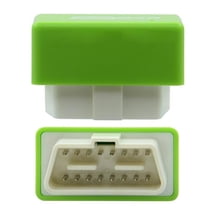
- Electronic fuel savers: Gadgets that alter fuel injection or ignition timing.
- Air intake systems: Devices that improve airflow into the engine.
- Exhaust gas recirculation systems: Reduce harmful emissions and improve fuel use.
- Engine tuning chips: Reprogram the engine control unit for better efficiency.
- Magnetic fuel conditioners: Claim to change fuel properties using magnets.
Mechanisms Behind Mileage Improvement
Fuel economy devices improve mileage by optimizing fuel use. Some increase fuel combustion efficiency. This means the fuel burns more completely, producing more power per drop.
Others adjust the air-fuel mix. A better mix leads to smoother engine running and less wasted fuel. Some devices reduce engine friction, letting the car run with less resistance.
Certain gadgets recover energy from exhaust gases or braking. This energy helps power the car, reducing fuel demand. Electronic devices fine-tune engine timing for optimal performance at different speeds.
Each device works differently. Their goal remains the same: stretch every gallon of fuel farther.
Popular Fuel Economy Devices
Saving fuel is on every driver’s mind, especially with rising gas prices. Popular fuel economy devices promise to stretch every drop of gasoline further. But which ones actually make a difference? Here’s a look at some well-known options that people use to boost their car’s efficiency.
Fuel Additives And Conditioners
Fuel additives claim to clean your engine and improve combustion. Many drivers notice smoother idling and fewer emissions after using these products. However, results vary widely, so it’s important to choose additives that match your vehicle’s needs.
Some additives help remove deposits in fuel injectors, which can restore lost power and improve mileage. Others boost octane levels or lubricate internal parts. Have you tried an additive that genuinely improved your car’s performance?
Engine Tuning Chips And Programmers
Engine tuning chips and programmers adjust your car’s computer settings for better fuel use. By optimizing ignition timing, air-fuel mix, and throttle response, these devices can increase miles per gallon. But keep in mind, improper tuning might harm your engine or void warranties.
Many enthusiasts install these devices to squeeze extra efficiency from their engines. If you’re considering one, research compatibility with your car model and read real user reviews. Could tweaking your engine’s software be the key to better fuel economy?
Tire Pressure Monitoring Systems
Underinflated tires reduce fuel efficiency by increasing rolling resistance. Tire Pressure Monitoring Systems (TPMS) alert you when tire pressure drops below optimal levels. This ensures you maintain the correct tire pressure, which can improve mileage and extend tire life.
Keeping your tires properly inflated is a simple step that often gets overlooked. Have you checked your tire pressure lately? A small gauge or TPMS can save you money at the pump and improve driving safety.
Aerodynamic Enhancers
Reducing drag helps your car cut through air more efficiently, saving fuel. Aerodynamic enhancers include items like rear spoilers, side skirts, and underbody panels designed to smooth airflow. Even small changes in your car’s shape can affect fuel consumption, especially at higher speeds.
Some drivers install these parts after noticing better highway mileage. Others prefer DIY fixes, such as removing roof racks when not in use. What aerodynamic changes have you made that helped your car glide more efficiently?
Benefits Beyond Fuel Savings
Fuel economy devices help reduce harmful emissions, making the air cleaner. They also improve engine life by reducing wear and tear. Saving money on fuel is just one of many benefits.
Fuel economy devices for cars are not just about saving money at the pump. Their benefits stretch far beyond mere fuel savings, offering a holistic improvement to your driving experience. These devices can transform how your vehicle interacts with the environment, extends its lifespan, and enhances its performance. Imagine driving a car that not only saves you money but also contributes positively to the planet and your vehicle’s health. Isn’t that a compelling reason to consider these devices?Reduced Emissions
Installing fuel economy devices can lead to significant reductions in your car’s emissions. By optimizing fuel usage, these devices ensure that your vehicle burns fuel more efficiently, resulting in fewer harmful pollutants being released into the air. Cleaner emissions mean you’re doing your part in fighting air pollution and supporting a healthier environment. Consider this: every time you drive, you’re contributing to cleaner air around you. It’s like giving your car a green badge of honor, making each journey a step towards sustainability.Extended Engine Life
Fuel economy devices can also play a crucial role in prolonging your car’s engine life. By reducing the stress on your engine, these devices help maintain its health and efficiency over time. Engines work less hard when fuel is used optimally, reducing wear and tear. Think of it as giving your car a spa day every day. With less strain, the engine lasts longer, saving you from costly repairs and replacements. Investing in these devices today could mean fewer visits to the mechanic tomorrow.Improved Vehicle Performance
You might be surprised to learn that fuel economy devices can enhance your car’s overall performance. With optimized fuel use, your vehicle can achieve smoother acceleration and better responsiveness. This means a more enjoyable driving experience, whether you’re commuting to work or heading out on a road trip. Imagine feeling the difference every time you hit the gas pedal. Your car responds better, making each drive more thrilling and satisfying. Isn’t it time to experience your vehicle in its best form? Fuel economy devices are not just a smart investment for your wallet but also a conscious choice for the environment and your vehicle’s longevity. As you consider these benefits, ask yourself: How can my car benefit from improved fuel efficiency today?Evaluating Device Effectiveness
Evaluating the effectiveness of fuel economy devices for cars is essential before investing your money. Many products promise significant savings, but the real question is: do they deliver? Understanding how these devices perform based on evidence and user feedback helps you make smarter choices.
Scientific Studies And Tests
Several independent organizations have conducted rigorous tests on popular fuel economy devices. Many studies show that most devices have little to no measurable impact on fuel consumption under controlled conditions.
For example, tests by automotive experts often reveal that devices claiming to improve mileage by 20% or more fail to produce consistent results. Some gadgets might even interfere with your car’s engine management system, causing unintended issues.
Have you ever wondered why trusted mechanics rarely recommend these add-ons? Scientific data suggests focusing on proper maintenance and driving habits offers more reliable fuel savings than aftermarket devices.
User Reviews And Experiences
User reviews provide insight into real-world performance. While some drivers report noticeable improvements, others notice no change or even increased fuel use.
Many positive reviews come from users who combined the device with better driving techniques, like reducing speed and avoiding rapid acceleration. This raises the question: is the device itself effective, or is it the change in driving behavior?
Pay close attention to detailed reviews that mention the make and model of the car, driving conditions, and how long the device was tested. These factors can significantly influence the outcome.
Common Myths And Misconceptions
A widespread myth is that plugging in a small device will magically boost your car’s fuel economy. The reality is more complex.
- Some devices claim to “clean” your fuel or “realign” engine signals, but modern engines already have sophisticated systems to manage fuel efficiently.
- Others suggest that magnets or special chips can improve combustion, yet scientific evidence does not support these claims.
- Beware of products that promise quick fixes without requiring any change in driving habits or vehicle maintenance.
Have you noticed advertisements making bold promises about fuel savings? Questioning these claims and seeking evidence can save you from wasting money on ineffective products.
Installation And Maintenance Tips
Installing a fuel economy device correctly ensures it works well and lasts long. Proper maintenance keeps the device efficient and helps save fuel over time. Follow simple tips to install and care for your device.
Diy Vs Professional Installation
Some fuel economy devices are easy to install yourself. Basic tools and clear instructions are often enough. Check the product manual carefully before starting.
Choose professional installation for complex devices or if unsure about the process. Experts can avoid damage and ensure proper setup. This can prevent problems and improve device performance.
Consider these points before deciding:
- Your skill level with car parts
- Tools available at home
- Device complexity
- Warranty requirements
Regular Maintenance For Optimal Results
Keep the device clean and inspect it often. Dust or dirt can reduce its effectiveness. Check for loose wires or parts regularly.
Follow the manufacturer’s maintenance schedule. Replace filters or batteries as needed. Use recommended cleaning products to avoid damage.
Simple maintenance tips:
- Wipe the device with a soft cloth
- Check connections and tighten if loose
- Monitor fuel efficiency for any drop
- Consult a mechanic if problems arise

Credit: www.walmart.com
Cost Analysis And Return On Investment
Understanding the cost and benefits of fuel economy devices helps make smart choices. These devices vary in price and effectiveness. Evaluating both upfront expenses and future savings guides your investment decisions. This section breaks down the costs and the time it takes to recover them through fuel savings.
Initial Costs Vs Long-term Savings
Fuel economy devices can cost from under $50 to several hundred dollars. Installation fees might add to the initial expense. Some devices are easy to install, while others need professional help.
Long-term savings depend on how much fuel you save each month. Small savings add up over time. A device that costs $200 might save $10 monthly. This means recovering the cost in about 20 months.
Keep in mind:
- Higher upfront cost may mean better fuel efficiency.
- Cheap devices might save less fuel.
- Regular use maximizes savings.
Factors Affecting Payback Time
Several factors change how fast you recover your investment. Driving habits play a key role. City driving with frequent stops uses more fuel than highway driving.
The type of vehicle matters. Smaller cars might see less benefit than trucks or SUVs. Maintenance also affects fuel use. A well-maintained engine uses fuel more efficiently.
Environmental conditions impact fuel economy. Cold weather can reduce savings. Road conditions and traffic congestion also matter.
Consider these points:
- Daily miles driven
- Vehicle type and condition
- Local climate and traffic
- Device quality and compatibility
Alternatives To Fuel Economy Devices
Fuel economy devices promise savings, but they aren’t the only way to reduce your car’s fuel consumption. Sometimes, adjusting your habits or making smarter choices about your vehicle can have a bigger impact. Let’s explore some practical alternatives that put you in control of your fuel efficiency without relying solely on gadgets.
Driving Habits That Save Fuel
Your driving style can significantly affect how much fuel your car uses. Smooth acceleration and braking help maintain steady speeds, which reduces fuel waste. Have you noticed how aggressive starts and sudden stops empty your tank faster?
Try to anticipate traffic flow and avoid unnecessary idling. Using cruise control on highways can keep your speed consistent and save fuel. Also, reducing your speed by just 5 to 10 mph can improve mileage noticeably.
Regular Vehicle Maintenance
Keeping your car in good shape is one of the simplest ways to save fuel. Regular oil changes, air filter replacements, and ensuring your tires are properly inflated can boost fuel efficiency. I once ignored a simple tire pressure check and noticed my fuel costs jump unexpectedly.
Dirty air filters and old spark plugs force the engine to work harder, burning more fuel. Checking and replacing these parts on time is a small effort with a big payoff. Don’t forget to get your wheel alignment checked — misaligned wheels drag your car and waste fuel.
Upgrading To Fuel-efficient Models
If you’re in the market for a new car, think about fuel efficiency before making a choice. Modern vehicles often come with engines designed to use less fuel, including hybrids and electric models. Would switching to a smaller engine or a hybrid save you more money in the long run?
Newer models also come with advanced technology like start-stop systems that reduce fuel use during traffic stops. While the initial cost might be higher, the savings on fuel and maintenance can add up quickly. Consider your daily driving needs and choose a vehicle that matches your fuel economy goals.

Credit: www.amazon.co.uk
Credit: www.walmart.com
Frequently Asked Questions
What Are The Best Fuel Economy Devices For Cars?
The best fuel economy devices include fuel savers, engine tuners, and air intake systems. These improve combustion efficiency and reduce fuel consumption. Choose devices certified by trusted organizations for proven results and compatibility with your vehicle.
Do Fuel Economy Devices Really Save Money?
Yes, many devices can save money by improving fuel efficiency. However, savings depend on device quality, driving habits, and vehicle condition. Proper installation and maintenance are key to maximizing fuel savings.
How Do Fuel Economy Devices Work In Cars?
Fuel economy devices optimize air-fuel mixture, reduce engine friction, or improve combustion. This leads to better fuel use and lower emissions. Each device targets specific engine functions to enhance overall efficiency.
Are Fuel Economy Devices Safe For All Car Models?
Most devices are safe when properly installed and used as directed. However, compatibility varies by car model and engine type. Always check manufacturer guidelines and consult a mechanic before installation.
Conclusion
Fuel economy devices can help save fuel and reduce costs. Many options fit different cars and budgets. Choosing the right device depends on your needs and car type. Remember, good driving habits also improve fuel efficiency. Combine devices with smart driving for best results.
Always research before buying to avoid scams. Save money and help the environment at the same time. Small changes make a big difference over time. Keep your car well-maintained for better fuel use. Fuel savings are possible with the right tools and effort.