

When listening to your car radio or other audio device, have you ever stopped to think about how it affects your mood, focus, or even your safety? The sounds you choose can do more than just fill the silence—they can shape your entire driving experience.
Whether you’re on a long road trip or just heading to work, the right audio can keep you alert, calm, and in control. You’ll discover simple tips and surprising facts that will change the way you listen behind the wheel.
Keep reading to unlock the full power of your car’s audio.
Impact Of Audio On Driving Focus
Audio plays a big role in how drivers focus on the road. Sounds from a car radio or other devices can help or hurt attention. Knowing how audio impacts driving focus can make trips safer and more enjoyable.
How Sound Affects Attention
Sounds can either sharpen or distract your mind while driving. Some noises keep you alert and awake. Others pull your attention away from the road. Sudden loud sounds may startle drivers and cause mistakes. Steady, calm sounds help maintain focus and reduce stress.
Volume Levels And Concentration
Volume affects how well you can concentrate. High volume can block out important road noises. It may cause you to miss horns or sirens. Low volume allows better awareness but might be boring or dull. Moderate levels keep a balance between focus and comfort.
Types Of Audio That Enhance Or Distract
- Calm music helps reduce stress and improve attention.
- Upbeat songs can boost mood but may increase risk-taking.
- Talk shows or podcasts require more mental effort and may distract.
- Silence or nature sounds allow better focus on driving.
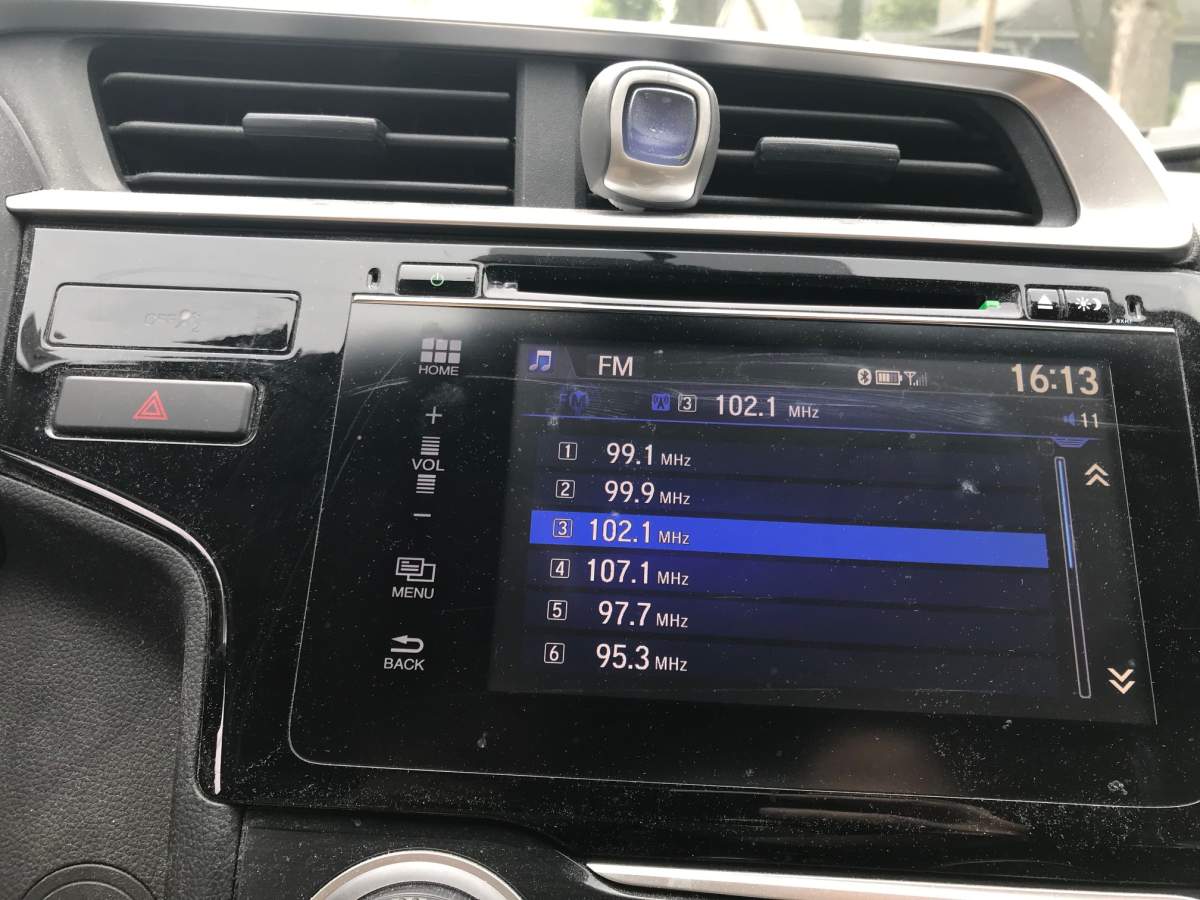
Credit: globalnews.ca
Safe Listening Practices
Safe listening habits protect your hearing and keep you alert while driving. Listening to music or podcasts can be enjoyable without risking damage. Simple changes in volume and control use make a big difference. Choosing the right audio content also supports focus and safety on the road.
Setting Appropriate Volume
Keep the volume low enough to hear surrounding sounds. Loud music can block important noises like horns or sirens. Adjust volume before you start driving to avoid distractions. If others in the car complain about noise, lower it. Protect your ears by avoiding volumes above 60% on your device.
Using Hands-free Controls
Hands-free controls let you change audio without taking your eyes off the road. Use steering wheel buttons or voice commands to switch songs or adjust volume. Avoid reaching for your phone or radio while driving. This reduces the chance of accidents caused by distraction. Set up your device before driving to keep your hands on the wheel.
Choosing Audio Content Wisely
Select audio that keeps you calm and focused. Fast, loud, or aggressive music may increase stress. Podcasts or audiobooks with clear speech can be good for long drives. Avoid content that demands too much attention or causes strong emotions. Choose familiar sounds to help maintain concentration on driving.
Risks Of Distracted Listening
Listening to music or podcasts while driving can be enjoyable. Yet, it comes with risks. Distracted listening can lead to serious consequences. It is important to understand how audio devices can divert attention.
Common Distractions From Audio Devices
Audio devices offer a wide range of options. Switching between songs or stations can be distracting. Adjusting volume or settings pulls focus away from the road. Notifications from apps or devices can divert attention. Complex audio controls require more focus, increasing risk.
Consequences Of Inattentive Driving
Distracted driving can cause accidents. It reduces reaction time to sudden events. Inattentive drivers may miss traffic signals or signs. This can lead to collisions or fines. Lack of focus increases the chance of harming passengers and others.
Legal Implications
Many places have laws against distracted driving. Fines can be imposed for using devices while driving. Severe cases may lead to license suspension. Legal penalties aim to discourage inattentive driving. Awareness of laws can help prevent accidents and fines.
Technology Aids For Safe Audio Use
Technology plays a key role in making audio use safer while driving. It helps reduce distractions and keeps your focus on the road. Modern audio devices come with features designed to improve safety and convenience.
Noise-cancelling Features
Noise-cancelling technology blocks outside sounds. It creates a quieter environment inside the car. This helps you hear the audio clearly without raising the volume too high. Lower volume reduces the risk of hearing damage and limits distractions.
Voice Command Systems
Voice commands allow hands-free control of your audio device. You can change songs, adjust volume, or make calls by speaking. This keeps your hands on the wheel and eyes on the road. Voice systems also reduce the need to look at screens or buttons.
Smartphone Integration
Smartphone integration connects your phone to the car’s audio system. You can access apps, music, and navigation safely through the car’s display. This integration supports hands-free calling and messaging. It makes using your phone less distracting during driving.
Tips For Passengers To Help Drivers
Being a passenger gives you a unique chance to support the driver, especially when it comes to managing the audio environment inside the car. Your role goes beyond just enjoying the music or podcast; you can help keep the driver focused and comfortable. Here are some practical tips to help you assist with the audio settings and contribute to a safer, more pleasant drive.
Monitoring Audio Settings
Keep an eye on the volume and clarity of the audio. Loud music can distract the driver or drown out important sounds like horns or emergency sirens.
Notice if the audio is too low, causing the driver to strain to hear, which can also be tiring. Adjust the settings or suggest changes calmly to maintain a balanced sound level.
Sometimes, the bass or treble settings can affect the quality—don’t hesitate to offer to tweak these so the driver feels comfortable without losing focus.
Providing Audio Suggestions
Pay attention to the driver’s mood and energy levels. If they seem tense or tired, suggest switching to calming music or a light podcast instead of high-energy tracks that might increase stress.
Ask questions like, “Would you prefer some quiet now?” or “How about changing the station?” This shows you care about their comfort and helps avoid unnecessary distractions.
Remember, your suggestions should be gentle and timely. Interrupting at the wrong moment can cause frustration or distraction, so pick moments when the driver can safely respond.
Encouraging Breaks When Needed
Long drives can wear out even the most experienced drivers. If you notice signs of fatigue, such as yawning or slower reactions, suggest a short break.
Offer to help find a safe spot to stop, stretch, and refresh. A quick pause can improve alertness and prevent accidents caused by tiredness.
Have you ever felt more relaxed and focused after a break during a trip? Sharing this personal insight can motivate the driver to take those necessary pauses.

Credit: audiointensity.com
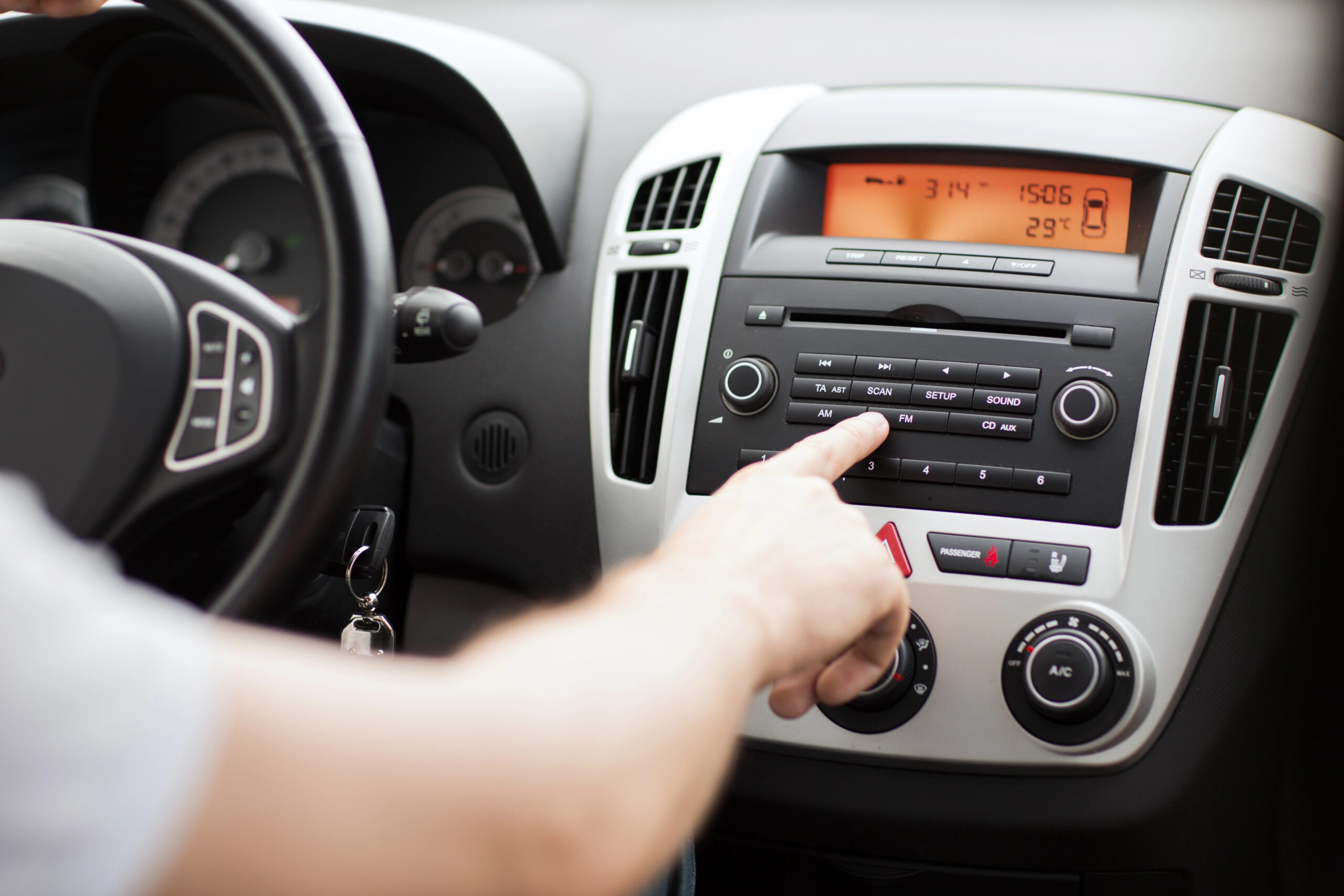
Credit: jerry.ai
Frequently Asked Questions
How Loud Should I Play My Car Radio Safely?
Play your car radio at a moderate volume to protect your hearing. Excessive loudness can cause hearing damage and distract you while driving. Keep the volume low enough to hear important sounds outside your vehicle for safe driving.
Can Car Radio Affect Driver Concentration?
Yes, loud or distracting audio can reduce driver concentration. Keep audio at a comfortable level to stay alert. Avoid changing stations or playlists while driving to maintain focus on the road.
Does Using Headphones Impact Driving Safety?
Using headphones while driving is unsafe and often illegal. It blocks external sounds like horns or sirens. Always use your car’s built-in audio system to stay aware of your surroundings.
How To Reduce Audio Device Battery Drain In Cars?
Lower the volume and limit screen usage to save battery. Use energy-efficient audio settings and disable unnecessary apps. This helps maintain your device’s battery life during long drives.
Conclusion
Listening to your car radio or audio device should be safe and enjoyable. Keep the volume at a healthy level to protect your ears. Stay aware of your surroundings while driving to avoid distractions. Use quality devices for clearer sound and less strain.
Simple habits can improve your listening experience every day. Enjoy your favorite music or talk shows without worry. Small changes make a big difference in safety and comfort. Remember, good listening helps you stay alert and relaxed on the road.