

Have you ever wondered how to become a pilot car driver? If you’re looking for a unique job that keeps you on the move and puts you in charge of safety on the road, this could be the perfect fit for you.
Imagine guiding oversized loads through busy streets, playing a key role in big construction projects, and making sure everything runs smoothly. You’ll discover exactly what it takes to step into this important role, the skills you need, and the steps to get started.
Keep reading, because your new career might be just a few clicks away.
Credit: www.veritread.com
Pilot Car Driver Role
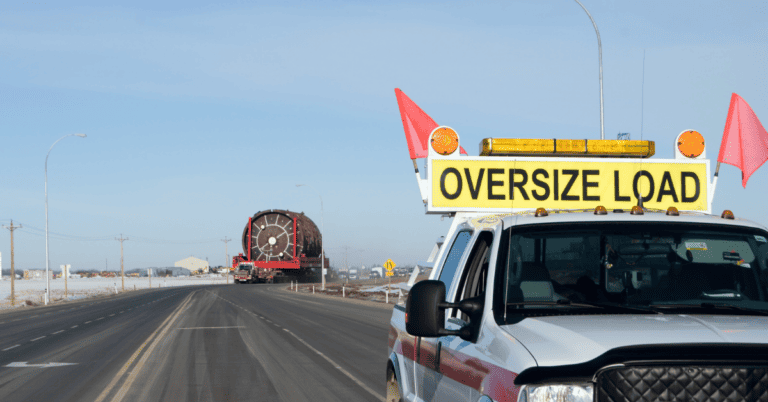
Pilot car drivers guide oversized or heavy loads on roads. They help keep transport safe and organized. These drivers work closely with truck drivers and law enforcement.
The role requires attention to detail and clear communication. Pilot car drivers must understand road rules and safety protocols well.
Key Responsibilities
Pilot car drivers have many duties to ensure a smooth transport process. Their work protects other drivers and property on the road.
- Lead and follow oversized vehicles safely
- Use warning signs and lights to alert other drivers
- Check routes for obstacles or hazards
- Communicate with drivers and law enforcement
- Follow all traffic laws and special permits
Types Of Pilot Cars
There are different pilot cars for various escort needs. Some carry special equipment to warn or direct traffic.
| Type | Purpose |
| Lead Pilot Car | Drives in front of the load to clear the way |
| Rear Pilot Car | Follows behind the load to warn traffic |
| Wide Load Escort | Supports very wide or tall loads on highways |
| Flagger Vehicle | Stops traffic when needed for safe crossing |
Industry Importance
Pilot car drivers keep roads safe during large load moves. They prevent accidents and traffic problems. This role helps protect public safety and property.
Without pilot car drivers, oversized loads could cause crashes or block traffic. Their work supports industries like construction, energy, and manufacturing.
License And Certification
Becoming a pilot car driver needs specific licenses and certificates. These show you are trained and allowed to escort wide or heavy loads safely.
Understanding the licensing and certification process helps you prepare correctly. You will learn what is needed to start and maintain your pilot car driving career.
Required Licenses
You must have a valid driver’s license before applying for a pilot car license. Some states require a commercial driver’s license (CDL) with a special endorsement.
- Valid regular or commercial driver’s license
- Special pilot car or escort vehicle license
- Medical certificate proving fitness to drive
- Training certificate from an approved course
Certification Process
The certification usually involves classroom and practical training. You learn about safety rules, traffic laws, and how to handle pilot car duties.
- Complete a state-approved pilot car training course
- Pass a written knowledge test
- Pass a driving skills test
- Submit an application with all required documents
- Pay certification and license fees
Renewal And Continuing Education
Pilot car licenses must be renewed regularly. Continuing education ensures drivers stay updated on laws and safety practices.
| Requirement | Details |
| License Renewal | Every 1 to 3 years depending on state |
| Continuing Education | Refresher courses or safety workshops required |
| Medical Check | Periodic health exams may be needed |
| Fee Payment | Renewal fees must be paid on time |
Training Programs
Becoming a pilot car driver requires special training. These programs teach you the skills to escort large vehicles safely.
Training covers road laws, communication, and vehicle handling to ensure safe transport of oversized loads.
Finding Accredited Courses
Look for courses recognized by transport authorities. Accredited programs meet safety and quality standards.
Check local government websites or transport agencies for approved training providers near you.
Essential Skills To Learn
Learn to read road signs and signals clearly. Communication with truck drivers and law enforcement is vital.
Develop skills in route planning and hazard recognition. You must stay alert and manage traffic safely.
- Understanding escort vehicle laws
- Using radios and communication tools
- Driving in different weather conditions
- Managing traffic flow and signals
- Handling emergencies on the road
On-the-job Training
Gain experience by working with skilled pilot car drivers. Practice helps you apply classroom knowledge on the road.
Supervised driving builds confidence and teaches real-world problem solving during escort missions.
Credit: pilotinstitute.com
Equipment And Vehicle
Becoming a pilot car driver requires the right equipment and vehicle. You guide oversized loads safely through traffic.
Choosing the right vehicle and equipment is crucial for safety and efficiency. Let’s explore the essentials.
Choosing The Right Vehicle
Your vehicle must meet specific requirements. It should be reliable and visible on the road.
- Choose a vehicle with high visibility colors.
- Ensure it has a sturdy build for long trips.
- Install a roof-mounted light bar for visibility.
Safety Equipment Needs
Safety equipment is vital for a pilot car driver. It ensures both your safety and that of other road users.
| Equipment | Purpose |
| Radio Communication | Stay in touch with the truck driver |
| Warning Flags | Alert other drivers of oversized loads |
| Reflective Vests | Increase personal visibility |
Maintenance Tips
Regular maintenance of your vehicle and equipment is essential. It prevents breakdowns and ensures safety.
- Check tire pressure and tread regularly.
- Ensure all lights are functioning.
- Keep communication devices fully charged.
Job Search Strategies
Finding a job as a pilot car driver takes planning and effort. You need to know how to look for work well.
This guide covers ways to build your resume, meet people, and apply to companies.
Building A Strong Resume
Your resume is your first chance to show your skills. Make it clear and easy to read.
Include your driving experience, licenses, and safety records. Add any special training you have.
- List your valid driver’s licenses and certifications
- Show your experience with pilot car driving or related work
- Highlight your knowledge of traffic laws and safety rules
- Mention any training in escort vehicle operations
Networking Opportunities
Talking to people in the industry can help you find jobs faster. Attend events and meet others.
Join online groups and local clubs for pilot car drivers. Ask questions and share your goals.
- Visit transportation and trucking trade shows
- Join pilot car driver forums and social media groups
- Contact local escort vehicle companies for advice
- Connect with instructors or trainers you know
Applying To Companies
Look for companies that hire pilot car drivers. Apply to many to increase your chances.
Follow application instructions carefully. Write a short cover note to explain why you fit.
- Check company websites for job openings
- Submit your resume and certifications as requested
- Prepare for interviews by reviewing common questions
- Follow up politely if you do not hear back
Safety Best Practices
Becoming a pilot car driver requires a focus on safety. You guide large vehicles through traffic. Your role is crucial for road safety.
Understanding and following best practices can prevent accidents. It ensures the safety of everyone on the road.
Road Safety Tips
Road safety is key for pilot car drivers. It involves being alert and proactive at all times.
- Keep a safe distance from the load you are escorting.
- Use lights and signs to alert other drivers.
- Regularly check mirrors and blind spots.
- Adhere to speed limits and road signs.
Communication Protocols
Effective communication is essential for pilot car drivers. It helps in coordinating with the truck driver and other road users.
Use CB radios or mobile phones to maintain constant contact with the truck driver. Ensure your communication devices are fully charged and operational before each trip.
Handling Emergency Situations
Emergencies can happen without warning. Being prepared is vital for a pilot car driver.
| Emergency Type | Action Plan |
| Vehicle Breakdown | Pull over safely, use hazard lights, and contact support. |
| Accident | Ensure safety first, call emergency services, and assist if possible. |
| Bad Weather | Reduce speed, increase following distance, and use headlights. |
Career Growth
Becoming a pilot car driver offers a chance to grow in a unique field. This career supports many industries like construction and transport.
Drivers can improve skills and take on more responsibilities over time. This helps increase income and job satisfaction.
Advanced Certifications
Getting advanced certifications can open doors to better jobs. These certificates prove you know safety rules and special skills.
Certifications often include training on escort vehicle operation and handling wide loads. They show employers you are serious and skilled.
- Escort Vehicle Operator Certification
- Wide Load Escort Training
- Hazardous Materials Awareness
- Defensive Driving Courses
Specializing In Pilot Car Types
Pilot car drivers can specialize in different types of escort vehicles. Each type requires unique skills and knowledge.
Specializing lets drivers work on specific projects and often leads to higher pay. It also helps build a reputation in the field.
- Wide Load Escort Vehicles
- Over-Dimensional Load Escorts
- Construction Zone Pilot Cars
- Hazardous Material Escorts
Long-term Career Prospects
Pilot car driving can be a steady career with chances to advance. Experienced drivers may move into management or training roles.
As infrastructure projects grow, demand for pilot car drivers stays strong. This career can offer stability and growth over many years.
- Lead Pilot Car Driver
- Fleet Supervisor
- Safety Trainer
- Logistics Coordinator
Credit: www.esc.org
Frequently Asked Questions
What Qualifications Are Needed To Become A Pilot Car Driver?
You need a valid driver’s license, clean driving record, and specialized pilot car training. Certifications vary by state or country.
How Do You Get Certified As A Pilot Car Driver?
Complete a state-approved pilot car training program and pass a certification test. Certification requirements differ by location.
What Are The Main Duties Of A Pilot Car Driver?
Pilot car drivers escort oversized loads, ensure safe road passage, and communicate with truck drivers and authorities.
How Much Does Pilot Car Driver Training Cost?
Training costs range from $300 to $600, depending on the course provider and location.
Conclusion
Becoming a pilot car driver takes focus and clear steps. Start by learning the rules and getting the right license. Practice driving with large loads and stay alert on the road. Safety matters most in this job. Keep improving your skills and knowledge.
This career offers steady work and a chance to be part of important transport jobs. Stay patient and dedicated, and you can succeed as a pilot car driver.