
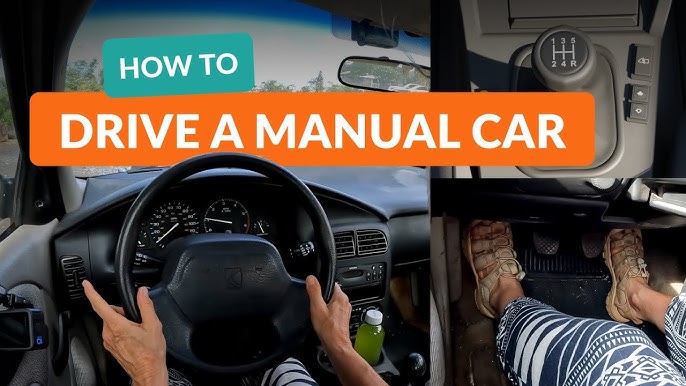
Learning how to drive a manual transmission car might seem tricky at first, but once you get the hang of it, it can be an exciting and rewarding skill. Imagine having full control over your vehicle, feeling every shift, and enjoying a more connected driving experience.
Whether you want to save money, improve your driving skills, or simply try something new, this guide will walk you through each step clearly and confidently. Stick with me, and by the end, you’ll be ready to take the wheel and drive a manual car with ease.
Let’s get started!
Manual Transmission Basics
Driving a manual transmission car lets you control the gears yourself. This gives you more control over the car’s speed and power.
Learning the basics helps you drive smoothly and avoid damage to the car. You need to know how the clutch and gears work together.
Clutch And Gear Roles
The clutch connects and disconnects the engine from the wheels. Pressing the clutch pedal lets you change gears without grinding.
Gears control how much power the engine sends to the wheels. Lower gears give more power but less speed. Higher gears give more speed but less power.
- Press clutch to change gears
- Use low gears to start or climb hills
- Use high gears for faster driving
Gear Shift Layout
The gear shift shows the pattern of gears you can use. Most cars have five or six gears plus reverse.
The layout usually looks like an H shape. You move the gear stick in different directions to select each gear.
- First gear is for starting and slow driving
- Second and third are for moderate speeds
- Fourth and fifth are for highway speeds
- Reverse is used to back up the car
Common Terms
Some words help you understand manual driving better. Knowing them makes learning easier.
- Clutch pedal:The pedal you press to change gears
- Gear stick:The lever used to select gears
- Neutral:Gear position where no power goes to wheels
- RPM:Engine speed measured in revolutions per minute
- Stalling:When the engine stops because the clutch is not used correctly

Credit: gartzlube.com
Starting The Car
Driving a manual transmission car starts with learning how to begin moving smoothly. This guide explains the first steps to take when starting the car.
Understanding the clutch, selecting the right gear, and accelerating gently are key to a good start.
Engaging The Clutch
The clutch pedal is on the far left side of the pedals. Press it all the way down before starting the car.
Pressing the clutch disconnects the engine from the wheels, so the car won’t move while starting.
Selecting First Gear
With the clutch still pressed, move the gear stick into first gear. This gear helps the car start moving from a stop.
Always check the gear pattern on the gear knob to find the first gear position.
Smooth Acceleration
Slowly release the clutch pedal while pressing the gas pedal gently. This helps the car move without stalling.
Practice balancing the clutch and gas until the car starts to roll smoothly forward.
- Release clutch slowly to avoid jerks
- Press gas gently to give enough power
- Listen to engine sounds to know when to change gears
Shifting Gears
Shifting gears is a key skill when driving a manual car. It helps control speed and power.
Knowing when and how to shift makes driving smoother and safer.
When To Shift
Shift gears to match your car’s speed and engine sound. Change up when the engine revs high.
Shift down when the car slows or needs more power for hills or turns.
- Shift up between 2,500 and 3,000 RPM for normal driving
- Shift down before the engine slows too much
- Listen to engine noise to know when to shift
Downshifting Techniques
Downshifting slows the car or adds power for climbing hills. It means shifting to a lower gear.
Press the clutch, shift to a lower gear, then release the clutch slowly to avoid jerking.
- Press the clutch fully before shifting
- Shift to the lower gear smoothly
- Release the clutch slowly to match engine speed
- Use downshifting to control speed without brakes
Using The Clutch Properly
The clutch connects and disconnects the engine from the wheels. Use it carefully to shift gears.
Press the clutch fully before shifting. Release it slowly to avoid rough movements.
- Always press the clutch pedal all the way down before shifting
- Shift gears smoothly without forcing the stick
- Release the clutch gradually after shifting
- Avoid riding the clutch to prevent wear

Credit: www.youtube.com
Stopping And Parking
Stopping and parking a manual car takes practice. You must control both the brake and clutch pedals smoothly. This guide explains key steps for safe stopping and parking.
Learning these skills helps you avoid stalls and keeps your car secure on hills. Follow these tips for better control.
Braking With Manual
Use your right foot to press the brake pedal gently. Apply more pressure as the car slows down. Avoid sudden braking to prevent jerks.
- Release the accelerator pedal first.
- Press the brake pedal gradually.
- Check your speed and road conditions.
- Prepare to use the clutch if the car slows too much.
Using The Clutch To Stop
Press the clutch pedal just before the car’s speed drops near zero. This prevents the engine from stalling. Keep the clutch pressed while you brake to a full stop.
| Action | When to Do It |
| Press clutch pedal | When speed is about 5 mph or lower |
| Brake gently | From any speed until stop |
| Shift to neutral | When fully stopped |
| Release clutch pedal | After shifting to neutral |
Parking On Inclines
Parking on a slope needs extra care. Use the handbrake and position your wheels correctly. This stops your car from rolling downhill.
Follow these tips for parking on hills:
- Hold the clutch and brake pedals before stopping.
- Shift into first gear when facing uphill.
- Shift into reverse gear when facing downhill.
- Turn wheels away from the curb going uphill.
- Turn wheels toward the curb going downhill.
- Engage the handbrake firmly before releasing the foot brake.
Handling Common Challenges
Driving a manual transmission car can be tricky at first. You will face some common challenges. Learning how to handle them makes driving safer and easier.
This guide covers three main challenges: avoiding stall, hill starts, and dealing with traffic. Each section gives tips to help you improve your skills.
Avoiding Stall
Stalling happens when the engine stops because the car moves too slowly or the clutch is released too fast. To avoid this, you need to balance the clutch and gas pedal carefully.
- Press the clutch fully before shifting gears.
- Slowly release the clutch until you feel the car begin to move.
- Gently press the gas pedal as you release the clutch.
- Avoid releasing the clutch too quickly.
- If the car feels like it will stall, press the clutch again and try slowly.
Hill Starts
Starting on a hill can cause the car to roll back. Use the handbrake to hold the car still while you get ready to move forward.
| Action | Description |
|---|---|
| Apply Handbrake | Pull the handbrake to stop the car from rolling back. |
| Engage Clutch and Gas | Press the clutch and gently press the gas pedal to increase power. |
| Release Handbrake | Slowly release the handbrake while balancing the clutch and gas. |
| Move Forward | Once the car moves, fully release the clutch and lower the handbrake. |
Dealing With Traffic
Stop-and-go traffic can be stressful for manual drivers. Keep calm and use smooth clutch control to avoid stalling or jerking.
- Keep your foot on the clutch when stopped.
- Shift to neutral if stopped for a long time.
- Use the clutch slowly when moving again.
- Watch traffic ahead to prepare for stops and starts.
- Do not ride the clutch; fully release it when possible.

Credit: www.youtube.com
Practice Tips
Driving a manual car can be fun and rewarding. It takes practice to get comfortable with the clutch and gears. Here are some tips to help you learn.
Start in a safe place to practice, and focus on building your skills step by step. Follow these guidelines to improve your driving.
Finding Practice Areas
Choose areas with little traffic to practice driving. This will help you focus on learning without the pressure of other cars.
- Empty parking lots are great for practicing starts and stops.
- Quiet residential streets can help you get used to shifting gears.
- Avoid busy roads until you feel more confident.
Building Confidence
Confidence grows as you practice more. Start with simple tasks and gradually take on more challenging driving conditions.
| Practice Task | Confidence Level |
| Starting and stopping | Beginner |
| Shifting gears smoothly | Intermediate |
| Driving uphill | Advanced |
Improving Smoothness
Driving smoothly makes your rides more comfortable. Focus on timing your gear shifts with the engine speed.
Listen to the engine sound. Shift gears when it gets too loud or too quiet.
Frequently Asked Questions
What Are The Basic Steps To Drive A Manual Car?
Start by pressing the clutch and shifting into first gear. Slowly release the clutch while pressing the gas pedal gently. Use the clutch to change gears and brake smoothly. Practice coordinating clutch, gas, and brake for smooth driving.
How Do I Avoid Stalling A Manual Transmission Car?
Release the clutch slowly while gradually pressing the accelerator. Avoid sudden clutch release or harsh gas application. Practice balancing the clutch and gas pedals to maintain engine power and prevent stalling.
When Should I Shift Gears In A Manual Car?
Shift gears as engine RPM rises, usually between 2,500 and 3,000 RPM. Listen to engine sound and feel vehicle speed. Upshift for acceleration and downshift when slowing down or climbing hills.
How Do I Use The Clutch Correctly While Driving?
Press the clutch fully when changing gears or starting from a stop. Release the clutch slowly and smoothly to avoid jerks. Avoid riding the clutch to prevent premature wear.
Conclusion
Driving a manual car takes practice and patience. Start slow, focus on smooth gear changes. Listen to the engine and feel the clutch. Mistakes will happen, but keep trying. Soon, shifting gears will feel natural and easy. Enjoy the control and connection with your car.
Driving manual can be fun and rewarding. Keep practicing, and confidence will grow. You can drive a manual car well.