
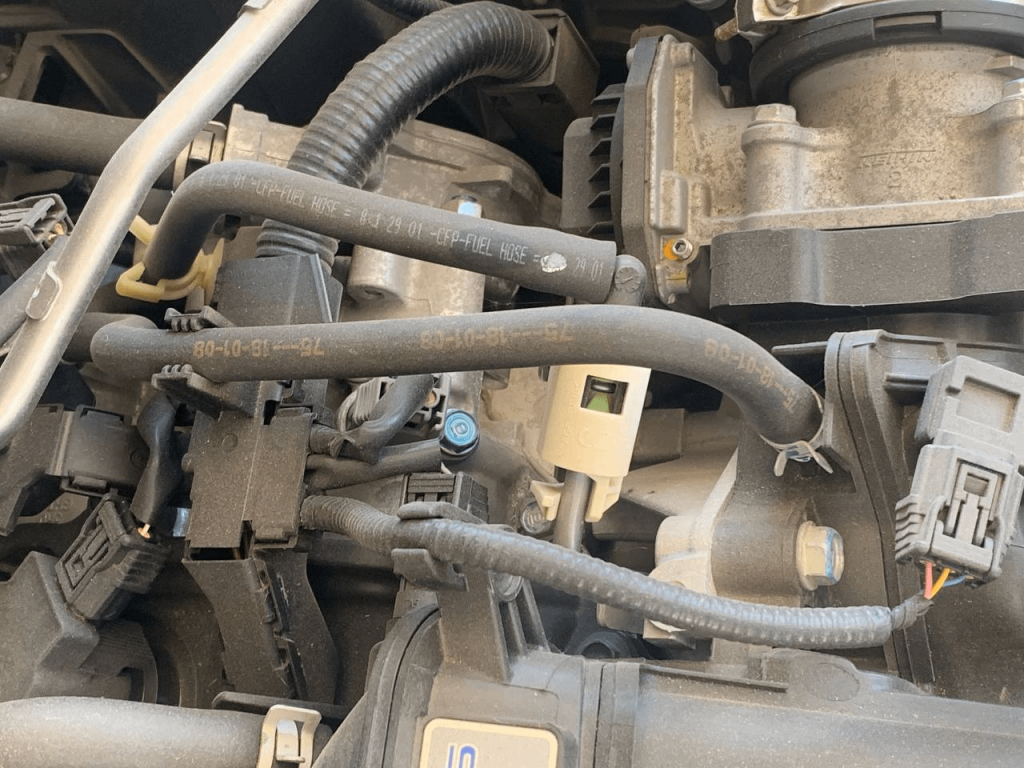
Have you ever wondered how your car keeps fuel safe and prevents dangerous backflow? The answer lies in a small but crucial part called the anti siphon device.
But when did this clever invention first appear in cars? Knowing the history of anti siphon devices can help you appreciate how your vehicle protects itself—and you—from fuel theft and accidents. Keep reading to discover the exact year these devices made their debut and why they became a game-changer for automotive safety.
Early Fuel System Challenges
Early cars faced significant challenges with their fuel systems that made driving and maintaining vehicles more complicated than today. Fuel tanks and lines were vulnerable to contamination and theft, issues that could cause unexpected breakdowns or empty tanks. Understanding these early problems helps explain why innovations like anti-siphon devices became necessary in the automotive world.
Fuel Contamination Issues
Fuel contamination was a common problem in older cars. Dirt, water, and debris often entered fuel tanks due to poor sealing and primitive fuel caps.
This contamination could clog fuel lines or damage the engine, leaving drivers stranded. Imagine stopping for gas only to find your car won’t start because of a dirty fuel tank—it was a frustrating reality for many.
Manufacturers struggled to design systems that kept fuel clean during long drives and harsh weather conditions. This struggle pushed the development of more secure fuel caps and protective measures.
Risks Of Siphoning Theft
Siphoning fuel was a frequent issue before anti-siphon devices were introduced. Thieves could easily insert a tube into the fuel tank and drain gas without detection.
Fuel theft not only cost money but also posed safety risks if stolen fuel led to unexpected vehicle stops in dangerous locations. Have you ever worried about leaving your car unattended at night, fearing someone might steal your gas?
This vulnerability urged car makers to rethink fuel tank design. Adding simple barriers and valves helped prevent easy access, laying the groundwork for the anti-siphon technology that would appear later.
Origins Of Anti Siphon Devices
Understanding the origins of anti siphon devices helps you appreciate how this simple yet effective technology protects your vehicle from fuel theft. These devices did not appear overnight; they evolved from early ideas aimed at preventing siphoning, a common problem as cars became widespread. Knowing the history behind these devices can also guide you in choosing the right protection for your vehicle today.
Initial Concepts And Designs
The idea of stopping fuel theft started with basic mechanical barriers. Early designs focused on simple plugs or caps that made it difficult to insert a siphon hose. Inventors experimented with valves and one-way systems to block fuel flow unless the correct nozzle was used.
Some initial concepts even borrowed technology from plumbing and water systems, adapting anti-backflow valves to fuel tanks. These early designs showed promise but often lacked durability or ease of use. Did you know some early models required manual locking, which many drivers found inconvenient?
First Implementations In Vehicles
Anti siphon devices began appearing in cars during the late 1960s and early 1970s. Manufacturers started adding built-in anti siphon valves inside fuel tank openings as a standard feature. This move was partly driven by rising fuel prices and growing concerns about theft.
One practical example is the introduction of flapper valves that allowed fuel to flow in but blocked hoses from drawing it out. By installing these devices, car owners noticed a significant drop in siphoning incidents. If you’ve ever wondered why modern fuel caps feel more secure, it’s because of these early innovations.
Timeline Of Adoption
The timeline of adoption for anti-siphon devices in cars reflects evolving technology and regulations. These devices prevent fuel theft by blocking siphoning attempts. The journey from concept to widespread use involves key years and regulatory changes. Understanding this timeline offers insight into automotive security advancements.
Key Years Of Introduction
Anti-siphon devices started appearing in cars in the 1980s. As fuel prices rose, the need for such security grew. By the mid-1990s, many manufacturers included them in new models. This shift aimed to enhance vehicle security and deter fuel theft.
Regulatory Influences On Adoption
Governments worldwide recognized the importance of fuel security. Regulations began supporting anti-siphon device integration. In the late 1990s, some regions mandated these devices in new vehicles. Such laws accelerated adoption across the automotive industry. Compliance ensured improved security standards for consumers.
Credit: www.bimmerfest.com
How Anti Siphon Devices Work
Anti siphon devices stop fuel theft by blocking siphoning attempts. These devices fit in the fuel system to prevent liquid from being drawn out. They work by allowing air or fuel to flow in one direction only. This design keeps fuel in the tank while blocking any attempt to pull it out through a hose.
The technology behind anti siphon devices is simple yet effective. It uses physical barriers or valves that close under reverse flow. This prevents thieves from easily removing fuel from a parked car. The devices also help protect the environment by reducing fuel spills during siphoning attempts.
Mechanics Behind The Device
Anti siphon devices rely on a one-way valve or a flap inside the fuel line. This valve opens when fuel flows into the engine but closes if the flow reverses. The closing action blocks any hose trying to suck fuel out.
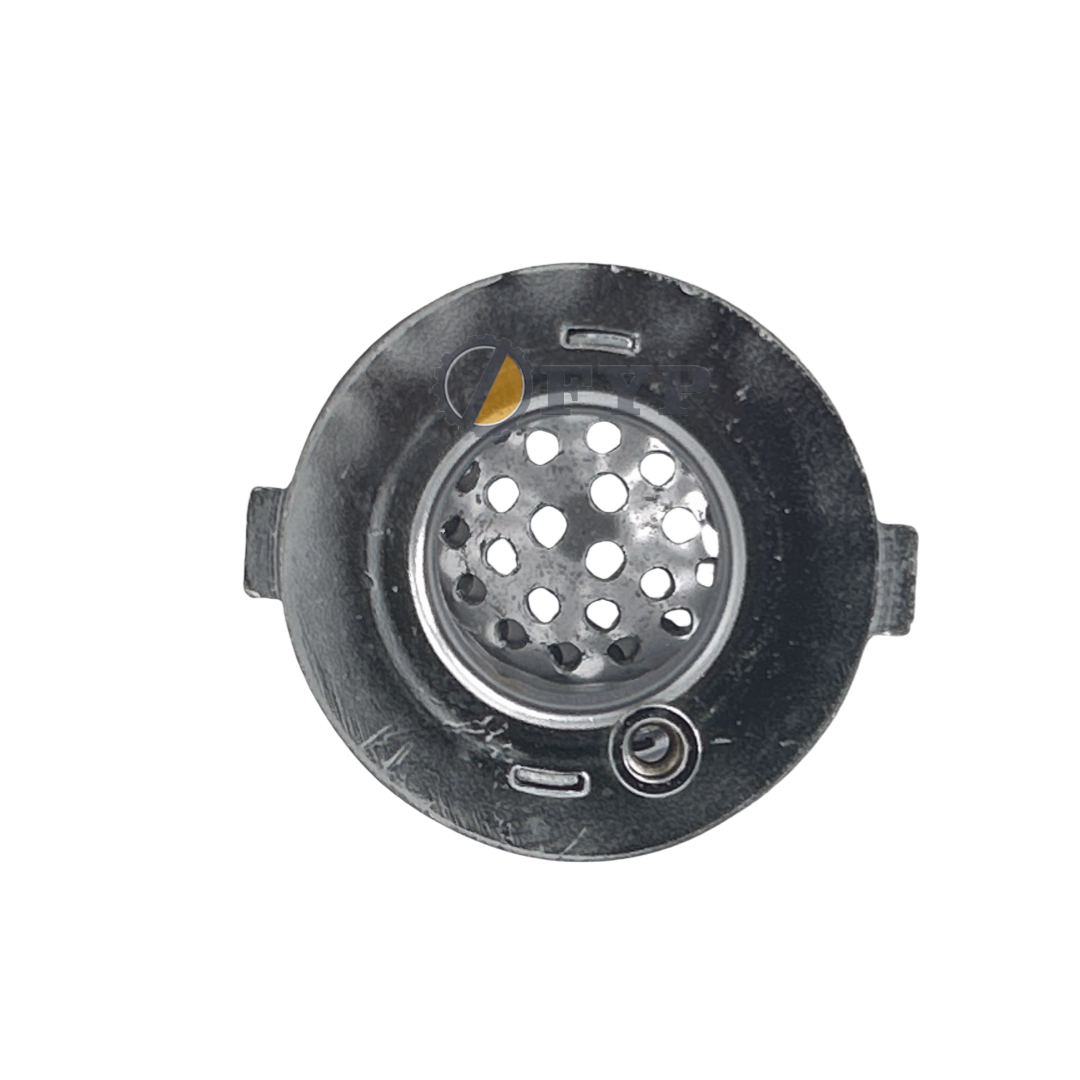
Some devices use a mesh or screen that stops hoses from inserting deep into the fuel filler neck. Others have a spring-loaded valve that reacts to pressure changes. These parts work together to stop siphoning without affecting normal refueling.
Common Types Used In Cars
- Flapper Valve:A simple flap inside the filler neck that swings open for fuel entry and closes when siphoning is attempted.
- Spring-Loaded Valve:A valve held closed by a spring, which opens only under proper fuel pressure during refueling.
- Screen Mesh:A metal or plastic mesh that blocks hoses from reaching the fuel tank.
- Anti-Siphon Cap:A fuel cap with built-in valves to prevent fuel removal through the filler neck.
Impact On Vehicle Security
The introduction of anti siphon devices in cars marked a significant shift in vehicle security. These devices changed how fuel theft and safety risks were managed, making cars more secure and reliable. Understanding their impact helps you appreciate why modern vehicles feel safer at the pump and on the road.
Reduction In Fuel Theft
Anti siphon devices directly target the problem of fuel theft by blocking unauthorized access to the fuel tank. Before their appearance, siphoning gas from cars was a common and easy crime, especially in areas with high vehicle density.
With these devices installed, thieves face physical barriers that stop them from inserting hoses or tubes into the fuel tank. This not only saves you money but also reduces the frustration and inconvenience of dealing with a stolen fuel incident.
Have you ever wondered why fuel theft seems less common now? Anti siphon devices play a big role in that decline, protecting your fuel and your wallet.
Improvements In Fuel System Safety
Beyond theft prevention, anti siphon devices improve overall fuel system safety. They help prevent accidental fuel spills during refueling, which can cause fires or environmental damage.
These devices also reduce the risk of contaminants entering the fuel tank. Contaminated fuel can harm your engine and lead to costly repairs, so preventing it keeps your car running smoothly.
Think about how often you refuel. Every time you do, these devices are quietly working to keep your vehicle safer and more efficient without you even noticing.
Credit: www.alibaba.com
Modern Developments
Modern developments in anti siphon devices have improved vehicle protection significantly. These devices have evolved to become more efficient and user-friendly. Car manufacturers and security experts focus on making siphoning fuel much harder. The goal is to protect vehicles from theft and fuel loss in a simple way.
Advancements In Anti Siphon Technology
New materials and designs make anti siphon devices more durable. Some use special valves that block siphoning tubes easily. Others include locking mechanisms that prevent unauthorized access. These devices now fit better with different car models. They also reduce the time needed for installation and maintenance.
Integration With Other Security Systems
Anti siphon devices now work with alarm systems and GPS trackers. This combination alerts owners if someone tries to steal fuel. Some cars send notifications directly to the owner’s phone. This helps respond quickly to any theft attempts. Integration improves overall vehicle security and peace of mind.

Credit: www.amazon.com
Frequently Asked Questions
When Were Anti Siphon Devices First Used In Cars?
Anti siphon devices first appeared in cars during the early 1970s. They were introduced to prevent fuel theft and reduce environmental hazards. These devices became more common as fuel theft concerns grew and regulations tightened around fuel system safety.
Why Were Anti Siphon Devices Introduced In Vehicles?
They were introduced to stop fuel theft and prevent fuel spills. Anti siphon devices protect car owners and the environment by blocking unauthorized fuel removal. They also help reduce fire hazards caused by siphoning attempts.
How Do Anti Siphon Devices Work In Cars?
Anti siphon devices use one-way valves or barriers to block fuel flow out of tanks. They allow fuel to enter but prevent it from being siphoned out. This mechanism stops thieves from easily extracting fuel through hoses.
Are Anti Siphon Devices Mandatory In Modern Cars?
Yes, many countries require anti siphon devices in vehicles by law. Regulations vary, but most new cars have built-in anti siphon features. This ensures better fuel security and environmental protection.
Conclusion
Anti siphon devices first appeared in cars during the mid-20th century. They helped stop fuel theft and protect engines. These devices became common as car safety grew in importance. Today, most vehicles include them to keep fuel systems secure. Knowing this history helps us appreciate car safety progress.
Cars continue to improve, but anti siphon devices remain vital. They show how simple ideas can make a big difference. Understanding their origin adds value to everyday driving knowledge.