
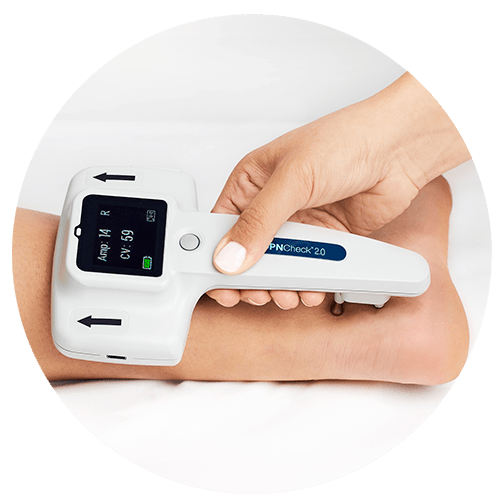
Imagine having the power to check your health right when you need it, without waiting for lab results or doctor appointments. Point of care medical devices make this possible by bringing quick and accurate testing straight to you.
Whether you’re managing a chronic condition or just want peace of mind, these tools can change how you take control of your health. Keep reading to discover how these devices work, why they matter to you, and how they can make your health decisions faster and smarter.

Credit: www.molsentech.com
Rise Of Point Of Care Devices
The rise of point of care devices marks a key shift in healthcare delivery. These tools bring testing and diagnosis closer to the patient. They provide fast results outside traditional labs. This change improves treatment speed and patient outcomes. Hospitals, clinics, and even homes now use these devices more than ever.
Technology Driving Innovation
Advances in technology fuel the growth of point of care devices. Miniaturized sensors and microchips enable quick tests. Connectivity features allow devices to share data instantly. Battery improvements support portable and handheld models. Software updates keep devices accurate and easy to use. Together, these innovations make testing simpler and faster.
Shift From Central Labs To Bedside
Testing once required sending samples to central labs. This process took hours or days. Now, many tests happen right at the bedside. Doctors and nurses get immediate results during patient visits. This shift reduces wait times and speeds up decisions. It also lowers costs and lessens lab workload. Patients experience more convenient and efficient care.
Types Of Point Of Care Devices
Point of care medical devices bring healthcare closer to patients. These devices provide quick results outside traditional labs. They help doctors make fast decisions and improve patient care. Various types of point of care devices serve different health needs. Each type offers unique features for specific uses.
Portable Diagnostic Tools
Portable diagnostic tools allow testing at the patient’s location. These devices are small and easy to carry. Common examples include blood glucose meters and handheld ultrasound machines. They offer rapid results, reducing wait times. Healthcare workers use them in clinics, homes, and remote areas. Portable tools improve access to essential health tests.
Wearable Health Monitors
Wearable health monitors track vital signs continuously. They include devices like fitness bands and heart rate monitors. Wearables collect data on steps, sleep, and heart rhythm. Users can monitor their health in real-time. Doctors can review data remotely to detect issues early. These devices support ongoing health management and prevention.
Smartphone-integrated Devices
Smartphone-integrated devices connect to mobile apps for easy use. Examples include digital stethoscopes and otoscopes that link to phones. They use phone cameras and sensors for analysis. These devices provide instant feedback and share results quickly. They make health checks more convenient and accessible. Smartphones boost the power and reach of point of care tools.
Benefits For Patients
Point of care medical devices offer quick test results right at the patient’s side. This speeds up treatment and reduces the need for multiple visits. Patients feel more comfortable and involved in their own care.
Point of care medical devices are transforming the healthcare landscape by offering significant benefits to patients. These devices are designed to provide immediate and accessible healthcare solutions, ensuring better outcomes. As technology continues to advance, patients are experiencing improvements that directly enhance their treatment journey.Faster Diagnosis And Treatment
Imagine visiting your doctor and getting results almost instantly. That’s the promise of point of care devices. By allowing healthcare professionals to perform tests right at the patient’s side, these devices eliminate waiting times associated with traditional lab testing. This swift diagnosis means quicker treatment initiation, which can be crucial for conditions that require immediate attention. Have you ever waited nervously for test results? With point of care devices, that anxiety can be drastically reduced, allowing you to focus on recovery instead.Improved Accessibility
Point of care devices bring healthcare closer to home. For individuals living in remote areas or those with mobility challenges, accessing traditional healthcare facilities can be daunting. These portable devices enable healthcare providers to deliver services directly where patients are, whether at home, community centers, or even in rural settings. This increased accessibility ensures that everyone has the opportunity to receive timely medical care, regardless of their location. Imagine the peace of mind knowing that essential medical tests can be done without needing to travel miles away.Enhanced Patient Engagement
When you’re actively involved in your healthcare, you tend to be more invested in the outcomes. Point of care devices encourage this engagement by providing patients with immediate feedback on their health status. You can see test results in real-time, discuss them with your healthcare provider, and make informed decisions about your treatment plan. This interaction not only empowers patients but also fosters a stronger relationship between you and your healthcare team. Wouldn’t you agree that being informed and involved in your own care makes a huge difference in managing your health?
Credit: www.linkedin.com
Impact On Healthcare Providers
Point of Care Medical Devices are reshaping how healthcare providers manage patient care. These tools bring diagnostics and treatment closer to the patient, allowing for faster and more efficient service. Understanding their impact on healthcare providers helps reveal why they are becoming essential in clinical settings.
Streamlined Workflow
Point of Care devices reduce the need to move patients or samples to distant labs. This saves time and cuts down on administrative tasks like paperwork and data entry. Healthcare providers spend less time on routine processes and more time focusing on patient care.
Imagine a nurse who can perform a blood test right at the bedside and get immediate results. This eliminates delays and keeps the workflow smooth. How much more could you accomplish if your daily tasks were simplified this way?
Real-time Data Access
Having instant access to patient data changes the pace of decision-making. Point of Care devices feed real-time information directly to healthcare providers, keeping them updated. This immediate data availability helps catch problems early and adjust treatments quickly.
Consider how waiting hours or even days for lab results can stall treatment. With devices providing instant feedback, you can respond faster and tailor care to the patient’s current condition. What difference would real-time updates make in your daily routine?
Better Decision Making
More accurate and timely data naturally leads to better decisions. Point of Care devices offer precise measurements that reduce guesswork and uncertainty. This accuracy supports providers in choosing the best interventions without delay.
Healthcare providers often face tough choices under pressure. Having reliable data at their fingertips means they can act confidently. How often could better information improve your clinical decisions?
Challenges And Limitations
Point of Care (POC) medical devices bring healthcare closer to patients. They offer quick results and improve care efficiency. Despite these benefits, these devices face several challenges and limitations. Understanding these issues helps in better use and development of POC devices.
Data Security Concerns
POC devices collect sensitive patient information. Protecting this data is critical to maintain privacy. Many devices connect to networks, increasing cyber-attack risks. Weak security can lead to data breaches. Manufacturers must implement strong encryption and access controls. Users should stay alert to potential security threats.
Device Accuracy And Reliability
Accurate results are vital for correct diagnosis and treatment. POC devices sometimes show variability in measurements. Factors like user error, device calibration, and environmental conditions affect accuracy. Unreliable results can mislead healthcare providers. Regular maintenance and proper training reduce these risks. Continuous quality checks ensure device performance remains high.
Regulatory And Compliance Issues
POC devices must meet strict regulatory standards. Different countries have varied rules and guidelines. Obtaining approvals can be time-consuming and costly. Compliance ensures safety and effectiveness for patients. Manufacturers must keep up with changing regulations. Non-compliance risks device recalls and legal problems.
Future Trends In Point Of Care
The future of point of care medical devices promises faster and smarter healthcare. These devices will become more accurate, accessible, and tailored to individual needs. Advances in technology are shaping how patients and doctors interact with health data. Expect significant changes in diagnosis, treatment, and monitoring outside traditional settings.
Ai And Machine Learning Integration
Artificial intelligence (AI) and machine learning will power smarter point of care devices. They help analyze complex data quickly, providing instant insights. AI can detect patterns that humans might miss. This leads to early diagnosis and better disease management. Machine learning algorithms improve over time, enhancing accuracy and reliability.
Expansion Of Telemedicine
Telemedicine will grow alongside point of care devices. These tools allow remote monitoring and virtual consultations. Patients can share real-time health information with doctors from home. It reduces the need for hospital visits and lowers costs. This expansion makes healthcare more convenient and widespread.
Personalized Medicine Applications
Point of care devices will support personalized medicine approaches. They can measure individual responses to treatments quickly. This helps customize therapies for each patient’s unique needs. Personalized care improves outcomes and reduces side effects. Devices may also track lifestyle factors to guide health decisions.

Credit: europlaz.co.uk
Frequently Asked Questions
What Are Point Of Care Medical Devices?
Point of care medical devices are tools used to diagnose or monitor patients instantly. They provide quick results at or near the patient’s location. This improves decision-making and treatment speed. Common examples include glucose meters and portable ECG machines.
How Do Point Of Care Devices Improve Healthcare?
These devices enable faster diagnosis and treatment, reducing hospital visits and wait times. They support timely interventions, enhancing patient outcomes. Additionally, they lower healthcare costs by minimizing the need for centralized lab tests and improving resource efficiency.
Are Point Of Care Devices Accurate And Reliable?
Yes, modern point of care devices use advanced technology for precise measurements. Many undergo strict regulatory approvals ensuring accuracy. However, proper usage and regular calibration are vital to maintain their reliability and effectiveness in clinical settings.
What Are Common Types Of Point Of Care Devices?
Popular types include blood glucose monitors, portable ultrasound machines, rapid diagnostic tests, and handheld blood analyzers. These devices cover a range of medical needs from chronic disease management to emergency diagnostics, offering versatility in various healthcare environments.
Conclusion
Point of care medical devices bring tests and treatment close to patients. They save time and help doctors make quick decisions. These tools improve care quality and patient comfort. Using them can reduce hospital visits and costs. As technology grows, these devices will become more common.
Patients and healthcare workers both benefit from easier access to health data. Point of care devices support better health outcomes everywhere. They are an important step in modern healthcare.