
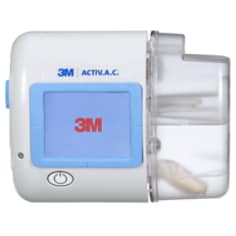
Are you dealing with a stubborn wound that just won’t heal? Negative pressure wound care devices might be the solution you’ve been searching for.
These innovative tools use gentle suction to speed up healing and reduce infection. Understanding how they work and their benefits could change the way you manage wounds forever. Keep reading to discover everything you need to know about negative pressure wound care devices and how they can help you or your loved ones recover faster and more comfortably.
Principles Of Negative Pressure Wound Care
Negative Pressure Wound Care (NPWC) uses controlled suction to help wounds heal faster. This technique creates a vacuum environment around the wound. It removes fluids and reduces swelling. The method encourages new tissue growth and improves blood flow. Understanding its principles clarifies how NPWC devices work effectively.
Mechanism Of Action
Negative pressure applies gentle suction to the wound. This suction pulls out excess fluid and infectious material. It reduces pressure around the wound, lowering swelling. The vacuum promotes blood flow to the area. Increased blood flow brings oxygen and nutrients essential for healing. The suction also helps close the wound edges, speeding recovery.
Types Of Devices
- Stationary systems: Larger units used in hospitals or clinics
- Portable systems: Compact devices for home or outpatient care
- Canister-based devices: Collect wound exudate in a separate container
- Canister-free devices: Use absorbent dressings to manage fluids
Each device suits different wound sizes and care settings. Choice depends on wound type and patient needs.
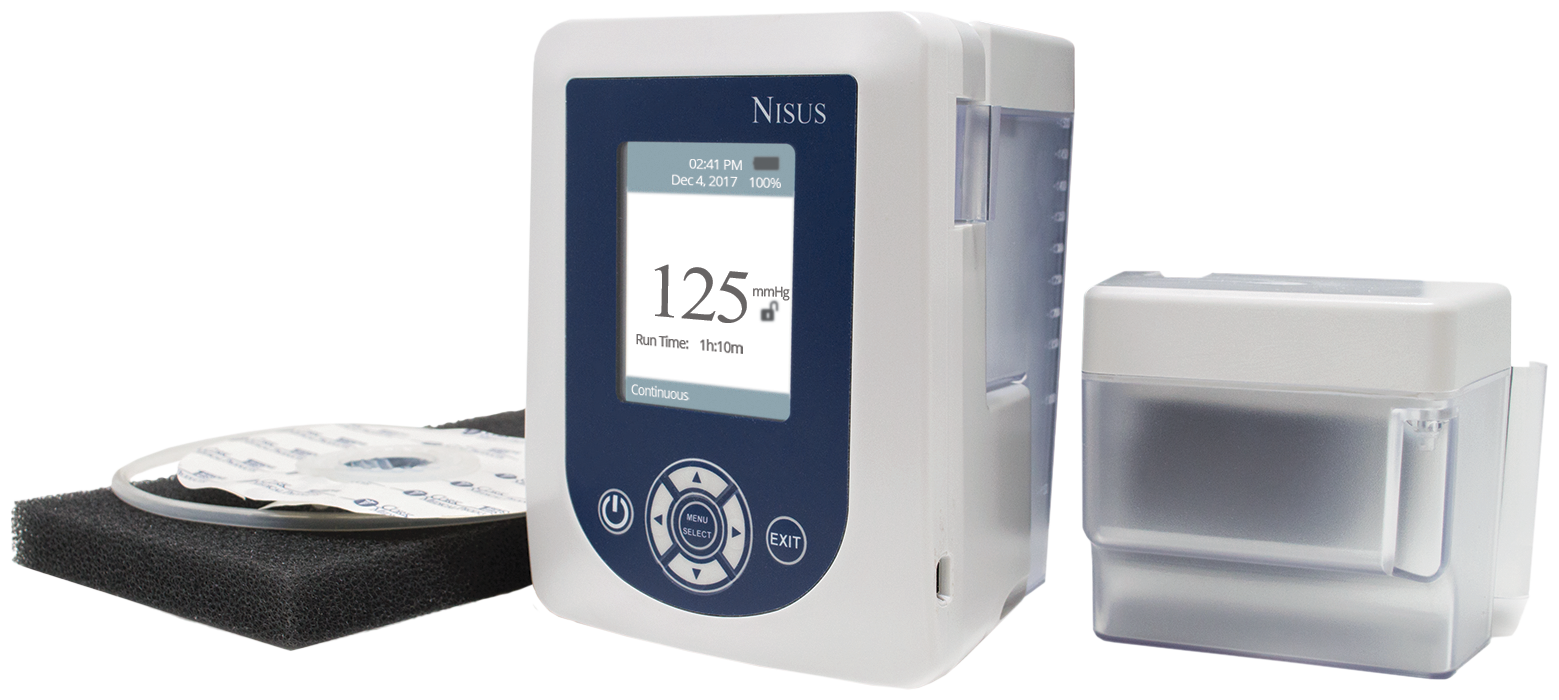
Key Components
- Foam or gauze dressing: Placed in the wound to transmit suction
- Adhesive drape: Seals the wound area to maintain vacuum
- Vacuum pump: Creates the negative pressure
- Drainage tubing: Connects the dressing to the pump
- Fluid collection canister: Stores wound fluids (if present)
These parts work together to maintain a sealed, controlled environment. This setup ensures effective wound healing support.
Credit: stat-med.net
Benefits Of Negative Pressure Therapy
Negative Pressure Therapy offers several clear benefits that can transform wound care. It uses controlled suction to create an environment that supports the body’s natural healing processes. Understanding these benefits helps you see why this therapy is often preferred in clinical settings.
Accelerated Healing
Negative Pressure Therapy speeds up the healing process by drawing the edges of the wound together. This reduces the wound size more quickly than traditional dressings. You might notice faster tissue growth and less scarring as a direct result.
Imagine a wound that typically takes weeks to close. With this therapy, the time can be cut down significantly, allowing you to return to daily activities sooner. Have you ever wondered how much quicker recovery could be with the right device?
Infection Control
One of the key benefits is its ability to reduce the risk of infection. The suction removes fluids and bacteria from the wound area, keeping it cleaner than standard treatments. This helps protect you from complications that might require antibiotics or additional procedures.
By continuously clearing away harmful substances, the therapy creates a safer healing environment. This proactive approach can make a noticeable difference in managing wounds prone to infection.
Reduced Edema
Swelling around wounds can cause pain and slow healing. Negative Pressure Therapy helps reduce this edema by removing excess fluid from the tissue. Less swelling means less discomfort and improved blood flow, which supports faster recovery.
Think about how much easier it is to move and heal when swelling decreases. This benefit alone can improve your overall experience during wound care, making daily tasks less challenging.
Applications In Wound Management
Negative pressure wound care devices help speed up healing by removing fluids and bacteria from wounds. They create a vacuum that promotes new tissue growth and reduces swelling. These devices are widely used for chronic and acute wounds.
Negative Pressure Wound Care Devices have become a cornerstone in modern wound management, offering significant benefits across various types of wounds. By creating a controlled environment that promotes healing, these devices have transformed traditional approaches, making them indispensable in medical practice. From my personal experience with these devices, I have seen patients experience faster recovery and improved outcomes, which is something worth exploring deeper.Chronic Wounds
Chronic wounds, like pressure ulcers and diabetic foot ulcers, often resist traditional healing methods. Negative pressure devices can be a game changer here. They help reduce swelling and remove excess fluid, which accelerates healing. Imagine the relief of finally seeing progress in a wound that has been stagnant for months. Have you or a loved one struggled with a chronic wound? This might be the answer you’ve been searching for.Surgical Wounds
After surgery, managing wounds efficiently is crucial for preventing complications. Negative pressure devices aid in reducing the risk of infection and ensuring wounds close properly. Picture the peace of mind knowing that your surgical wound is healing as expected, thanks to cutting-edge technology. If you’ve ever undergone surgery, you know the importance of a smooth recovery process.Traumatic Injuries
In the chaos following an accident, effective wound management can mean the difference between a quick recovery and prolonged pain. Negative pressure devices offer solutions for traumatic injuries, helping to stabilize and heal wounds more effectively. It’s fascinating how such devices can transform a potentially life-altering injury into a manageable situation. Could this technology be the breakthrough you need in dealing with past or future injuries?Device Selection And Usage
Selecting the right Negative Pressure Wound Care Device can significantly influence healing outcomes. Understanding the differences between device types, dressing options, and pressure settings empowers you to make informed decisions tailored to your specific wound needs. Let’s break down these critical factors to help you optimize wound management effectively.
Portable Vs. Stationary Units
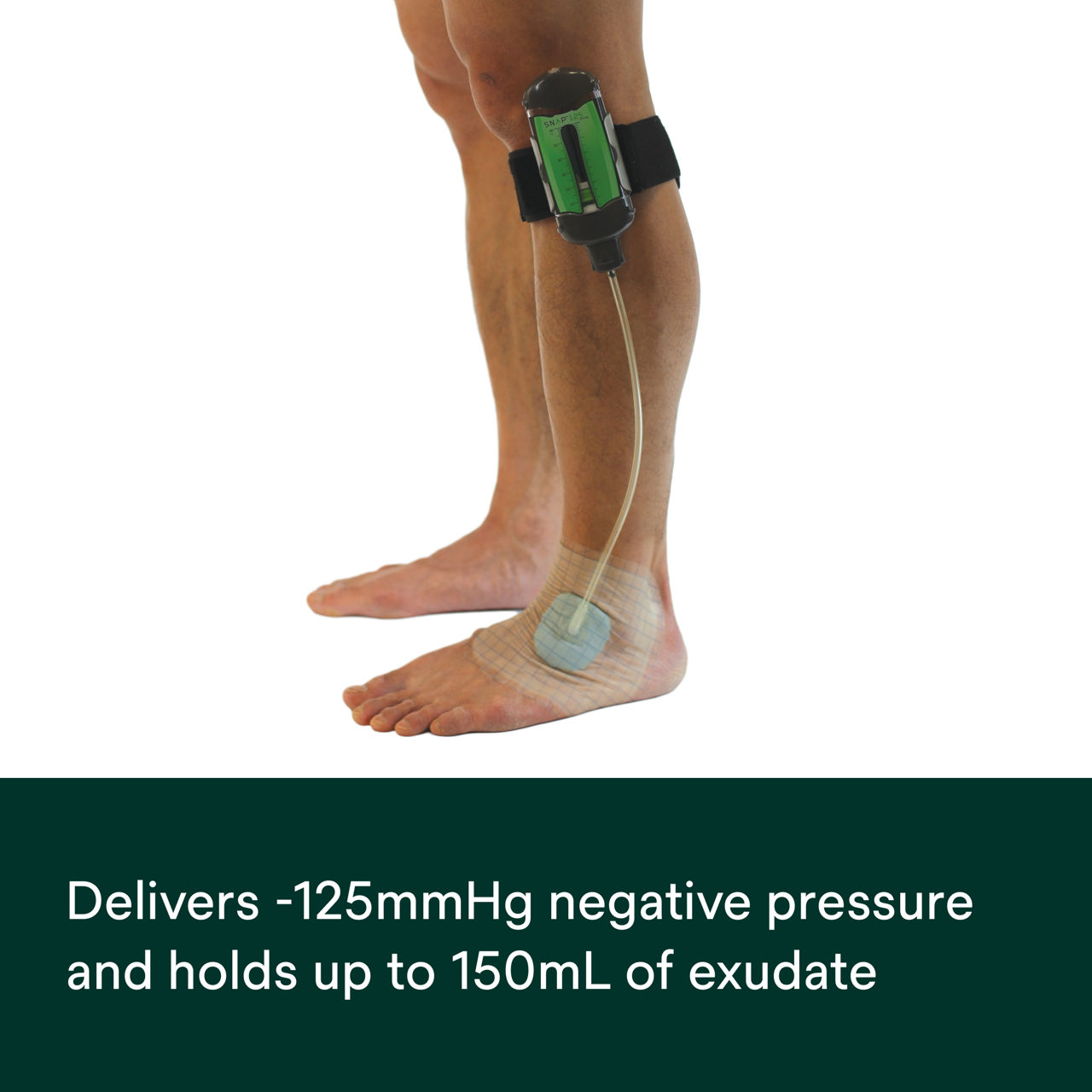
Portable units offer freedom and flexibility, allowing patients to move around while receiving therapy. These devices are lightweight and battery-powered, making them ideal for outpatient care or home use.
Stationary units tend to be larger and more powerful, suitable for hospital settings where continuous, intensive therapy is required. They often provide advanced features and longer battery life but limit patient mobility.
Ask yourself: Is mobility a priority, or do you need more robust treatment capabilities? Matching your lifestyle and treatment goals with the right unit type can improve both comfort and healing efficiency.
Dressing Types
The choice of dressing plays a crucial role in the effectiveness of negative pressure therapy. Foam dressings are common and provide good fluid management and even pressure distribution.
Gauze dressings, while less common, can be useful for wounds with irregular shapes or tunnels. Some dressings come impregnated with antimicrobial agents to reduce infection risks.
- Consider wound size and depth when selecting dressing type.
- Think about ease of application and removal to minimize patient discomfort.
- Check compatibility with your chosen device to ensure a proper seal.
What type of dressing will best protect your wound while promoting optimal healing?
Pressure Settings
Pressure settings typically range from -50 mmHg to -200 mmHg, depending on wound characteristics and patient tolerance. Lower pressures may be used for delicate tissues, while higher pressures promote stronger fluid removal and tissue contraction.
Some devices offer continuous pressure, while others allow intermittent cycles, which can stimulate blood flow differently. Adjusting pressure settings requires close monitoring to balance healing benefits with patient comfort.
Have you considered how pressure adjustments might impact your wound’s healing speed and comfort level?
Challenges And Limitations
Negative pressure wound care devices help wounds heal faster by removing fluids and bacteria. Despite their benefits, these devices have some challenges and limits. Understanding these issues is important for patients and healthcare providers.
Cost Considerations
Negative pressure wound care devices can be expensive. The cost includes the device, dressings, and maintenance. Not all insurance plans cover these treatments. This can make it hard for some patients to afford proper care. Budget limits may slow down or stop treatment. Cost remains a major barrier for many users.
Patient Compliance
Patients must follow strict instructions to use these devices correctly. The device needs to stay in place and run continuously for best results. Some patients find it hard to manage the equipment daily. Discomfort or noise from the device may reduce use. Poor compliance can lead to slower healing or infection.
Potential Complications
Though effective, these devices can cause side effects. Skin irritation and pain near the wound are common. Incorrect use may damage healthy tissue or delay healing. There is a risk of infection if the device is not kept clean. Regular monitoring by healthcare providers is essential to avoid problems.
Credit: www.solventum.com
Future Trends In Wound Care Devices
The future of Negative Pressure Wound Care (NPWC) devices holds exciting possibilities that could transform how wounds heal. Technology and materials are evolving to make treatments more effective, comfortable, and tailored to individual needs. Understanding these trends can help you stay informed about the options that might soon be available for wound care.
Smart Technology Integration
Imagine a wound care device that not only speeds up healing but also monitors your wound’s condition in real-time. Smart NPWC devices are being developed with sensors that track moisture levels, pressure, and temperature. This data can alert you or your healthcare provider instantly if there’s a risk of infection or if adjustments are needed.
These devices often connect to smartphone apps, giving you easy access to updates and treatment reminders. Have you ever wished your wound care system could adapt automatically without constant visits to the clinic? Smart technology aims to do just that, making your healing process smoother and more proactive.
Enhanced Materials
Material science is pushing the boundaries of what wound dressings can do. New materials are designed to be more breathable, flexible, and antimicrobial, which can prevent infections and reduce discomfort. Some dressings even contain substances that promote faster tissue growth or manage fluid better than traditional options.
These advancements mean that you could experience less pain during dressing changes and a lower chance of complications. Think about how much easier your daily routine could be with a dressing that stays effective longer and supports your body’s natural healing.
Personalized Treatment Approaches
Not all wounds heal the same way, so personalized treatment is gaining ground. Future NPWC devices may be customized based on your wound type, size, and healing progress, offering a unique therapy plan just for you. This approach helps maximize healing speed and minimizes unnecessary treatments.
Data from smart devices and advances in biotechnology allow healthcare providers to tailor therapies more precisely. How much more confident would you feel knowing your treatment is built around your body’s specific needs? Personalized care could be the key to faster, more effective wound recovery.

Credit: www.solventum.com
Frequently Asked Questions
What Are Negative Pressure Wound Care Devices?
Negative pressure wound care devices use vacuum therapy to promote healing. They remove fluids and increase blood flow to wounds. This accelerates tissue repair and reduces infection risks. They are widely used for chronic and acute wounds.
How Do Negative Pressure Wound Devices Work?
These devices apply controlled suction to wounds, removing excess fluid. This lowers swelling and improves oxygen supply. The vacuum also helps draw wound edges together. Overall, it creates an optimal environment for faster healing.
What Wounds Benefit From Negative Pressure Therapy?
Negative pressure therapy is effective for diabetic ulcers, pressure sores, and surgical wounds. It treats traumatic injuries and burns too. It is ideal for wounds with heavy drainage or slow healing.
Are Negative Pressure Wound Devices Safe To Use?
Yes, they are safe when used correctly under medical supervision. Proper dressing changes and device maintenance are essential. Complications are rare but can include skin irritation or bleeding. Always follow healthcare provider instructions.
Conclusion
Negative pressure wound care devices help wounds heal faster. They remove fluids and reduce swelling. This creates a clean environment for new tissue growth. Many patients find these devices easier to use at home. Doctors recommend them for different types of wounds.
Choosing the right device supports better healing and comfort. Always follow medical advice for best results. These devices play an important role in wound care today. They offer hope for quicker recovery and less pain.