
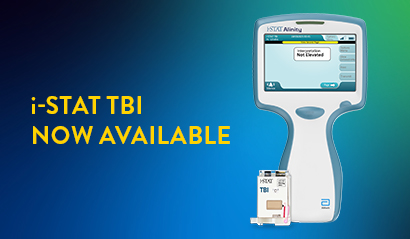
Imagine having the power to get important health results right where you are—quickly, easily, and without waiting for lab reports. Point of Care Testing Devices put that power in your hands.
Whether you’re a healthcare professional or someone who wants faster answers about your health, these devices can change the way you approach diagnosis and treatment. You’ll discover how Point of Care Testing Devices work, why they matter to you, and how they can make healthcare faster and smarter.
Ready to see how this technology can benefit you? Keep reading.
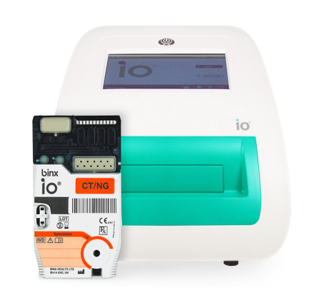
Credit: www.fiercehealthcare.com
Rise Of Point Of Care Testing
Point of care testing devices have changed how healthcare delivers quick and accurate results. These devices allow testing at or near the patient site. This trend has grown steadily, impacting many medical fields. Faster diagnoses improve patient care and reduce waiting times.
Shift From Traditional Labs
Traditional labs require samples to be sent far away. This process often delays diagnosis and treatment. Point of care testing cuts down on these delays. Tests are done instantly, providing fast results. Doctors and nurses can act immediately. This shift saves time and improves patient outcomes.
Key Drivers Of Adoption
- Need for rapid results in emergencies and clinics
- Advances in portable and easy-to-use technology
- Growing demand for patient-centered care
- Cost savings by reducing lab expenses and hospital stays
- Improved accuracy and reliability of modern devices
These factors push healthcare providers to choose point of care testing. This approach supports faster decision-making and better patient management.
Core Technologies Behind Poct
Point of Care Testing (POCT) devices rely on key technologies to deliver fast and accurate results. These core technologies allow tests to be done outside traditional labs. They bring diagnostics closer to patients and healthcare workers. This section explains the main technologies behind POCT devices.
Biosensors And Microfluidics
Biosensors detect specific biological substances quickly and accurately. They convert chemical signals into electrical signals for easy reading. These sensors use enzymes, antibodies, or DNA to identify target molecules. Microfluidics manages tiny fluid volumes in small channels. It controls sample flow and mixes reagents precisely. Together, biosensors and microfluidics make tests fast and reliable.
Portable Analyzers And Mobile Apps
Portable analyzers perform tests outside labs with minimal equipment. They are compact, lightweight, and easy to use. These devices often link with mobile apps for data display and storage. Mobile apps help users read results and track health trends. They improve communication between patients and healthcare providers. Portable analyzers and mobile apps enhance test accessibility and convenience.
Applications In Various Fields
Point of care testing devices are revolutionizing how healthcare professionals diagnose and manage diseases across various fields. These compact, portable devices offer rapid results, enabling timely decision-making and improving patient outcomes. From hospitals to remote clinics, the applications of point of care testing are extensive and transformative.
Infectious Disease Detection
Imagine quickly identifying infectious diseases like influenza or COVID-19 right at the patient’s bedside. Point of care testing devices make this a reality, enabling healthcare workers to act swiftly in containing outbreaks. With quick results, you can reduce the spread and ensure prompt treatment, saving lives and resources.
Chronic Disease Management
Managing chronic diseases like diabetes or heart disease requires regular monitoring. Point of care testing devices allow patients to check vital indicators like glucose levels or cholesterol at home. This empowers you to take control of your health and make informed decisions without the hassle of frequent doctor visits.
Emergency And Critical Care
In emergency settings, time is of the essence. Point of care testing devices provide immediate insights into a patient’s condition, aiding critical decisions. Whether it’s assessing cardiac markers or blood gases, these devices can be the difference between life and death. What would you do if you had the power to instantly know what’s wrong?
Benefits Over Conventional Methods
Point of Care Testing (POCT) devices offer several advantages compared to traditional lab methods. They bring testing closer to the patient, which changes the way healthcare is delivered. These benefits not only speed up diagnosis but also enhance the overall patient experience.
Speed And Convenience
With POCT devices, you get results in minutes instead of hours or days. This quick turnaround lets healthcare providers make decisions right away. Imagine waiting for test results during a doctor’s visit and getting answers before you leave—this convenience can reduce stress and improve care.
Because these devices are portable, testing can happen almost anywhere—clinics, ambulances, or even at home. This flexibility means fewer trips to labs and faster treatment.
Cost Efficiency
POCT can lower costs by reducing the need for expensive lab equipment and personnel. You save money on transportation and handling of samples, which adds up over time.
Think about small clinics or rural areas where budgets are tight. POCT devices make it possible to perform essential tests without heavy investment. This not only cuts costs but also helps more people access necessary diagnostics.
Improved Patient Outcomes
Faster results lead to quicker treatment, which often means better health outcomes. Early detection of conditions like infections or diabetes can prevent complications.
When you receive immediate feedback, you’re more likely to stick to treatment plans. Doctors can adjust medications promptly based on real-time data, improving your recovery chances.
Have you ever experienced waiting anxiously for test results? POCT devices reduce that wait, giving you control over your health decisions. How might faster testing change your healthcare experience?
Challenges And Limitations
Point of Care Testing (POCT) devices offer quick results and convenience, but they come with their own set of challenges and limitations. Understanding these barriers helps you make better decisions when choosing and using these tools. Let’s examine some critical issues that affect their performance and adoption.
Accuracy And Reliability Concerns
Accuracy is crucial when you rely on POCT devices for immediate medical decisions. Some devices may show inconsistent results due to user errors or environmental factors like temperature and humidity.
For example, a glucose meter might give varying readings if the test strips are stored improperly. This inconsistency can impact patient care and lead to wrong treatments.
How confident are you in the results your POCT device provides? Regular calibration and training are key to improving reliability.
Regulatory And Quality Control
Compliance with regulations ensures that POCT devices meet safety and performance standards. However, navigating the complex approval processes can delay device availability.
Quality control is another challenge, especially outside traditional lab settings. Without strict oversight, there’s a risk of using faulty or expired supplies.
Consider how your healthcare facility manages quality checks and staff training. Could there be gaps that affect patient safety?
Integration With Healthcare Systems
POCT devices generate valuable data, but integrating this information into electronic health records (EHR) is often complicated. Lack of seamless connectivity can hinder timely access to patient data.
In some cases, manual data entry is still necessary, increasing the chance of errors and delays.
Ask yourself: Does your current setup allow POCT results to flow smoothly into your health system? Improving this integration can enhance patient monitoring and follow-up care.
Credit: medium.com
Future Trends In Poct
The future of Point of Care Testing (POCT) is shaping up to be more dynamic and accessible than ever before. Advances in technology are pushing these devices beyond simple diagnostics to smart, interconnected tools. What changes will you see in how POCT devices impact healthcare in the years ahead?
Ai And Machine Learning Integration
Artificial intelligence and machine learning are beginning to play a significant role in POCT devices. These technologies help analyze results faster and with greater accuracy, reducing human error. Imagine a device that not only gives you test results but also suggests possible next steps based on your health data.
This means your testing device could learn from countless previous cases to recognize patterns you might miss. It’s like having a digital expert guiding your health decisions right at the point of care.
Wearable And Implantable Devices
Wearable and implantable POCT devices are becoming more common, offering continuous monitoring rather than one-time tests. This shift allows you to track your health in real-time and catch potential issues early. Devices like smartwatches that check blood glucose or implantable sensors for heart monitoring are just the beginning.
These devices provide convenience and immediate feedback, making it easier to manage chronic conditions without frequent doctor visits. How could continuous health monitoring change your daily routine or treatment plan?
Expansion In Remote And Low-resource Areas
POCT devices are increasingly reaching remote and low-resource areas, where traditional lab testing is limited or unavailable. Portable and easy-to-use devices bring essential diagnostics to places without advanced healthcare infrastructure. This expansion can transform health outcomes by enabling early detection and timely treatment.
In many regions, a handheld POCT device is the difference between life and death. What could broader access to these tools mean for global health equity and your understanding of healthcare accessibility?
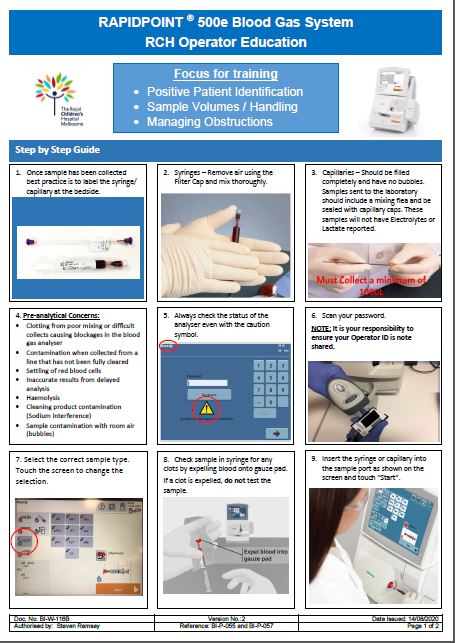
Credit: www.rch.org.au
Frequently Asked Questions
What Are Point Of Care Testing Devices?
Point of care testing devices are portable tools used to perform medical tests near the patient. They provide quick and accurate results, enabling faster diagnosis and treatment. These devices are commonly used in clinics, emergency rooms, and remote locations.
How Do Point Of Care Testing Devices Work?
These devices analyze small samples like blood, urine, or saliva on-site. They use biosensors or chemical reagents to detect specific biomarkers. Results are generated within minutes, reducing the need for laboratory testing and speeding up clinical decisions.
What Are Common Types Of Point Of Care Testing Devices?
Common types include blood glucose monitors, rapid strep tests, pregnancy tests, and coagulation analyzers. Each device targets specific health conditions, making them versatile tools in healthcare settings for immediate patient management.
What Are The Benefits Of Point Of Care Testing?
They offer rapid results, improve patient care, and reduce hospital stays. These devices enhance workflow efficiency and lower healthcare costs by minimizing lab dependency. They also enable testing in remote or resource-limited areas.
Conclusion
Point of care testing devices help doctors get quick results. They improve patient care by saving time. These tools are easy to use and portable. Many tests can be done outside a lab. This makes healthcare more available and efficient.
Patients feel more comfortable with faster answers. Technology in healthcare keeps growing every day. Staying informed about these devices benefits everyone. Simple tools can make a big difference. Point of care testing is a smart step forward.